…until The Faces Of The Dead is published (out April 7).
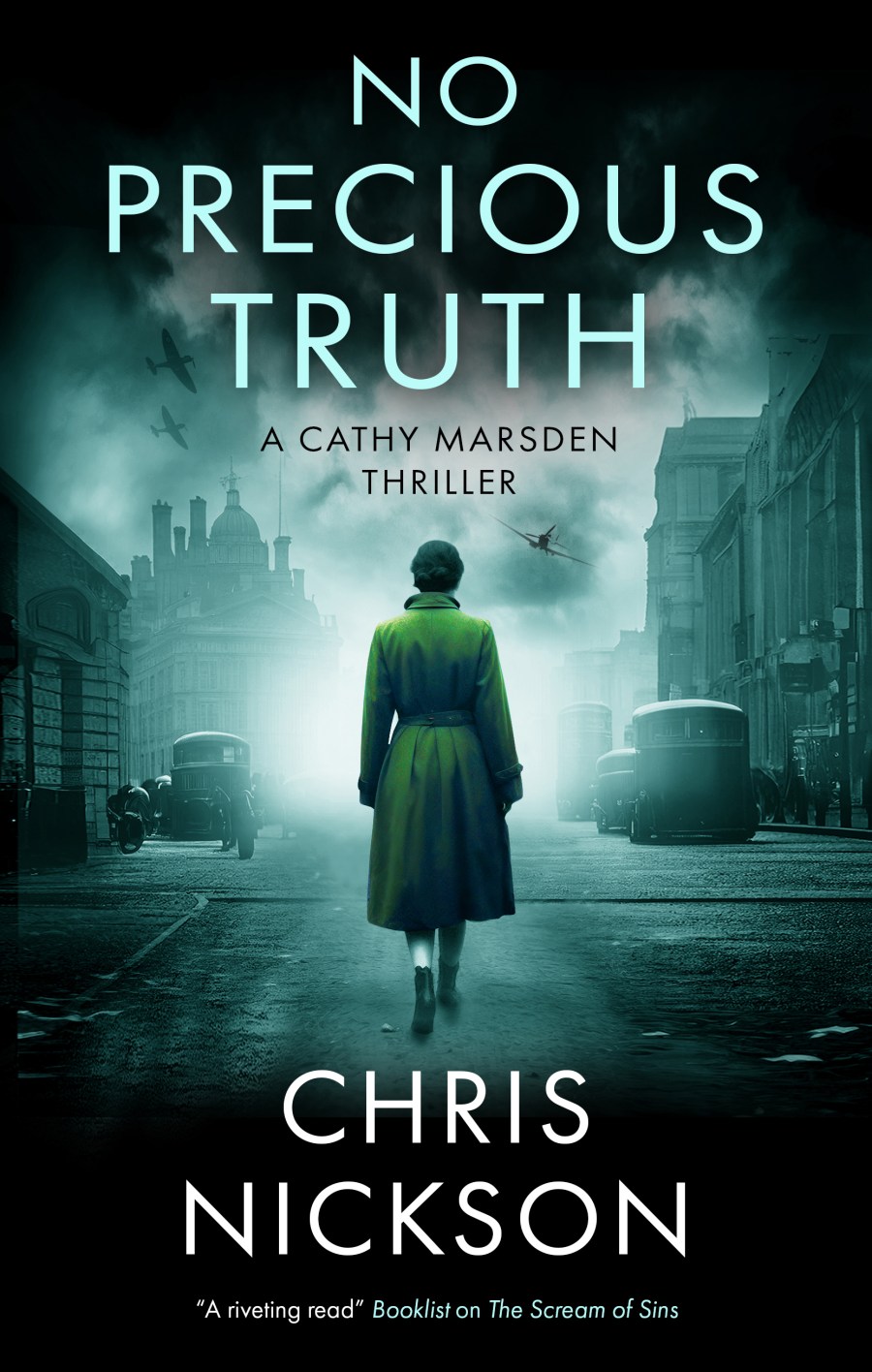
As some of you probably know, it’s the second in the Cathy Marsden series, the sequel to No Precious Truth. Set three years later, in early spring 1944, a few months before D-Day. Not that the buildup greatly affected Leeds; the difference was down South, with thousands of troops – British, American, from all over the Commonwealth – gathered for the opening of the second front.
Up North, Cathy, along with the other members of the Special Investigation Branch (SIB) squad here, has her own problems: a Jaguar owned by a criminal has run off the road near Harewood, killing himself and the female passenger. A tragedy, but hardly something for SIB – until the car is examined. It’s filled with stolen good…including British and American guns.
Now it’s their business.
But the accident unleashes a power battle between the gang leaders in Leeds, one with control of crime in the city at stake. And it quickly turns deadly as one man tries for dominance. Cathy and the squad need to bring him down, and work alongside a couple of officers from the American miliary CID, with the tensions between nations on display.
Meanwhile, her boyfriend is home on leave after serving in North Africa and Italy. He springs a big surprises, but both he and Cathy know what lies ahead for him, looming on the horizon.
It’s a relentless, supercharged ride – but in a Leeds style.
I’d be very grateful if you’d pre-order The Faces Of The Dead from your favourite place (especially an independent). After that, hang on to your hat. It’s going to be a wild ride.
A couple of weeks ago, all my waiting, staying on tenterhooks was rewarded. My publisher offered me a new two-book contract. I’m waiting for the paperwork, but it’s all settled, with plenty of relief for me. Anxiety levels down, sleeping better.
The contract is for The Ascent Of Lies, the first book featuring Virginia Cooper and American abolitionist Asa Daniels. Earlier this year I posted the book’s prologue – take a read of it here to get a sense of Virginia- and in all honestly, I feel it’s the best book I’ve written, set in both Leeds and York. It’s 1862, and the Confederates are in Yorkshire. Doesn’t what whet your appetite.
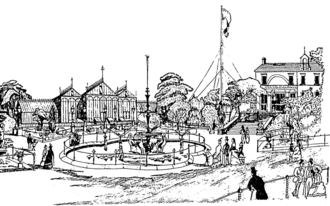
One scene is set in Royal Park, a fairly short-lived pleasure garden near Woodhouse Moor, a successor of sorts to the ill-fated Botanical Gardens. That pub, the Royal Park, and those streets with that name, all came from the gardens. The entrance looked like this:
The book will be published in January 2027 (I know, feels like science fiction, doesn’t it? Or I’m old, something like that). The start of a slightly different series, I hope, and one with a very strong female lead.
I mentioned two books, though…the other one will be a third Cathy Marsden thriller; the second, The Faces Of The Dead, will be published next April. Called Blood Red Music, it’s set in 1947, after the war. Her time in the Special Investigation Branch is a distant memory, and she’s left the police force to start a private enquiry agency with…her brother, Dan. I’m not going to say more about the plot, as I’m in the middle of writing it. Due out in July 2027, I believe.
Speaking of Cathy, the Kindle edition of No Precious Truth is currently £4.99 in the UK ($6.99 US), and available here. Even bigger news – the paperback comes out November 20th, just £9.99 UK, and in time to give to people for Christmas. You can never go wrong with giving a book, especially bought from an indie bookshop. Makes it all more complete.
Something I hadn’t noticed at first, the two series I’m now writing are both female-led, and one of them in middle-aged.
Two big Cathy Marsden pieces for you. The first is that the second book with her, The Faces Of The Dead, will be out next April. Here’s a taste of the opening:
Leeds, late March, 1944
‘This had better be very important,’ she said as she slid into the passenger seat of the Humber.
George Andrews started the car, put it into gear and set off down Brander Road.
‘Boss’s orders. He wants us all in the office as soon as possible.’
Cathy glanced over her shoulder, seeing Tom standing alone on the pavement.
Even perfect weeks had to end.
*
A sunny March Monday that held the promise of an early spring, and she was stuck in the office with the rest of the squad, reading over reports that needed to be filed. The door with Special Investigation Branch painted on the glass stood open, but by afternoon the air was warm, thick and sultry. All she wanted was to be outside, doing something beyond the routine of paperwork. The telephone bell jangled and Smithy handed her the receiver.
‘For you,’ he said. ‘Some bloke.’
‘This is Sergeant Marsden.’
A rough, crackling connection, booming with background noise. Suddenly she heard a voice she’d often dreamed about during the last three years. The words flooded out; he’d just landed in England, he had two weeks’ leave and he’d be back in Leeds tomorrow. Before she could reply, the line died.
Her head was suddenly whirling in twelve directions at once, heartbeat galloping in her chest. Less than twenty-four hours and Tom would be here. It didn’t seem possible. Not after all this time.
She took slow, shallow breaths, trying to calm herself.
‘We don’t have anything big right now, do we?’ Cathy was a bag of nerves as she stood by Faulkner’s desk. He was the boss; he made the decisions. But he’d seemed distracted lately. If there was any problem at home, he’d never discuss it in the office; he kept work and personal life separate.
‘You already know that,’ he answered, narrowing his eyes. ‘Why?’
‘That was Tom. He’s just stepped off the boat and he has a fortnight up here.’
He shook his head. ‘I can’t give you that long.’
‘A week,’ she said. ‘Come on, you know I have more leave than that due. We all do.’ She gazed at him hopefully. ‘I’ll come back if anything happens.’
Faulkner chuckled. ‘Go on, then. I must be getting soft. A week. Make the most of it. But,’ he added, ‘be sure you’re available in case something comes up.’
First thing Tuesday morning she was at the salon on the parade, begging Edna to squeeze her in and tidy up the pageboy cut.
At home, her clothes were strewn across the bed as she tried on one after the other, wanting the perfect outfit to welcome him back. She was desperate to see him, but scared, too. Questions kept spinning through her brain: after so long apart, could they fit together again? Those censored letters they’d exchanged were all very well, but so much had happened to them both that they could never start to explain on a page.
By four o’clock she was ready. She chose a burgundy cotton frock with white piping that she’d bought shortly before clothes rationing began. Five minutes with the iron to take out the wrinkles, top it with a thin cardigan, a few touches from her tiny stock of rationed make-up and that was it. She felt the anticipation surging through her body. She was excited. Hopeful. Overwhelmed. Terrified. Everything jumbled together as she tried to drink a cup of tea.
The knock came at six just as the sound of Big Ben announced the news on the wireless. Butterflies fluttered around her stomach as she turned the doorknob.
It’s a twisted tale and you can see why: Cathy Marsden’s happiness at her boyfriend Tom’s brief leave from the army and marriage proposal is short-lived as she embarks on a new case in the Special Investigation Branch.
Eric Carr, a local gangster, is dead after crashing his car on the outskirts of Leeds. Not only that, but an alarming discovery is made in the boot: weapons, including guns, stolen from a US military base, to be sold on the black market.
Was the crash simply an accident, or something more sinister? One thing’s for sure – Eric’s death has set a chain of murder and gangland chaos in motion. As the number of people disappearing increases, and men start dying, Cathy must work out who is pulling the strings, and why.
You can pre-order the book right here. But before you do, why not read No Precious Truth, the first book in there series. The Kindle version is currently just £4.99 ($9.99 in the US). Almost as cheap as a coffee…go here and click buy. I promise you won’t regret it.
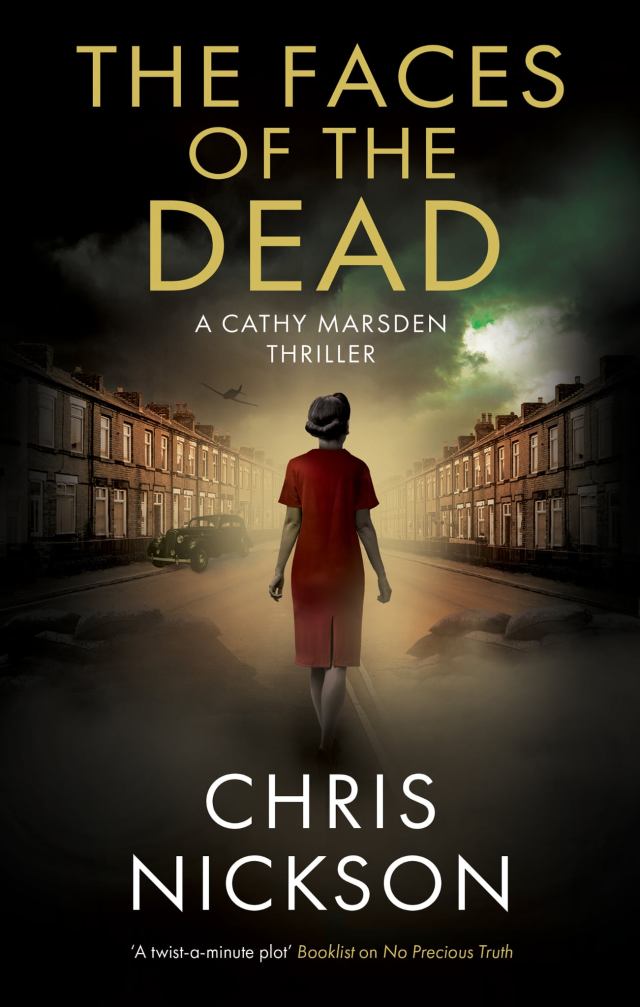
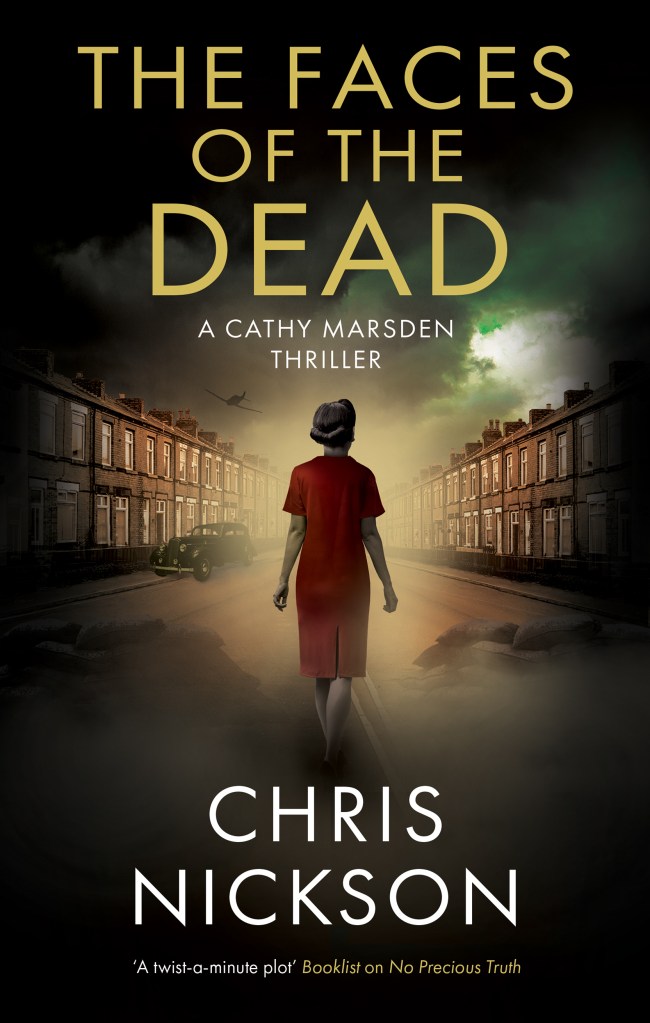
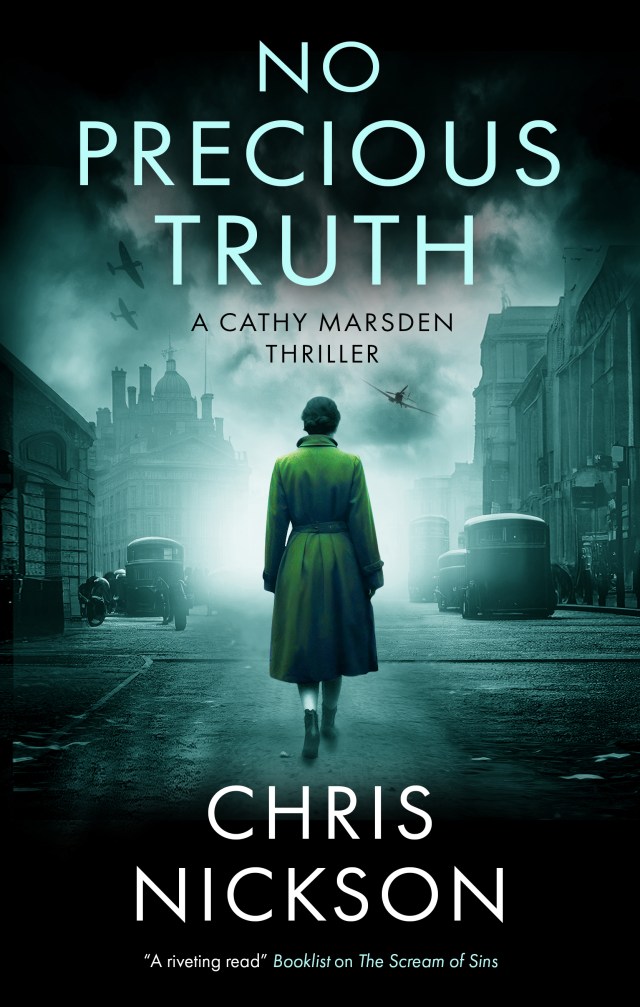
Oh, before I forget, here’s the cover from The Faces Of The Dead. Now, don’t you want to read it?
October will bring the publication of A Rage Of Souls, the eighth Simon Westow novel. A couple of people who’ve read it feel it’s the darkest yet in the series – which surprised me; it never struck me that way when I was writing it. Shadowed and sorrowful, yes. But the series had always had shaded undercurrents and that sense that violence might explode.
Yes (I think) there’s always been hope in there too, some light amongst everything else.
She sat outside the cottage, quietly reading her book and relishing the warmth of the afternoon sun. Even through the fine layer of haze and smoke that always hung over the town, the heat was comforting.
When the bell at the parish church pealed half past five, Jane set the book aside and brought a knife from her pocket, spending five minutes honing its sharpness. She knew this blade. It had saved her life and served her well. Readiness could mark the distance between life and death. Her attention had slipped once, and she’d paid for it with her little finger. Simon had let down his guard for a single moment and now he walked with the consequences.
As she approached Barton’s house, she paused to study Sally. When they met, the girl had been a child of anger. It was fury that had kept her alive on the streets. But living with Simon and Rosie and their boys, she’d found a family who cared for her, and much of that hardness had blunted, tempered with compassion. She was growing, taller every month it seemed, and starting to fill out. How old was she? Thirteen, Jane decided. That, or perhaps a year older.
Still a strange one, a child of two families, one with the Westows and the other with the homeless children who relied on each other. God help her if she was ever forced to choose between them, Jane thought.
‘Barton left about an hour after you,’ Sally said. ‘The servant brought a gig from the coach house. He and a woman went off in it. I decided to stay in case Fox came sniffing.’
‘Any sign of him?’ Her gaze slid around, but there was little to see. The house was quiet, nobody visible through the windows. She shook her head.
‘Nothing at all.’ ‘I’ll stay for a few hours and come back again in the morning.’
When she turned her head again, Sally had vanished.
But I should probably announce something – this will be the last book in the series. I hadn’t originally planned it that way, but the one I had in my head as the final novel refused to come together, and, reading it again, this seems to make a good conclusion. I’m not going to force things
Perhaps I’m right. You’ll have to be the judge.
To be clear – no, this doesn’t mean I’m retiring. It’s simply the last Simon Westow book.
It’s available for pre-order, as hardback and ebook. I’ll give the Amazon UK links here, although Speedy Hen is cheaper for the hardback and has free postage. Find it here.
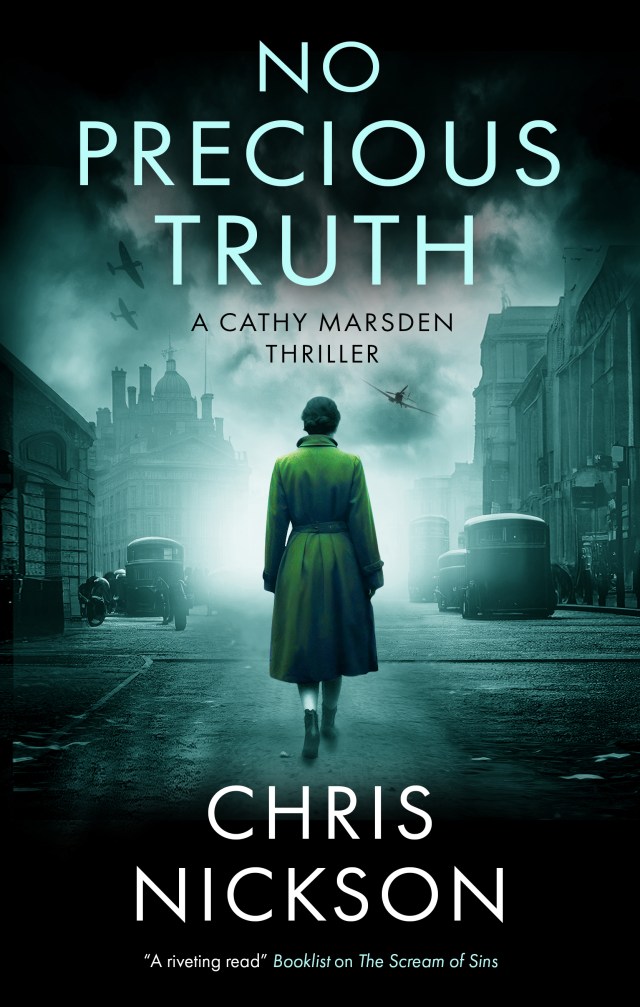
And while you’re at it, Cathy Marsden in No Precious Truth will appear in paperback in November for £9.99 ($16.99 US). Very easy to carry around and also makes a great extra Christmas present. You can pre-order that, too. Do it right here.
It’s the best damn World War II thriller set outside Lodom that you’ll read this year. Guaranteed.
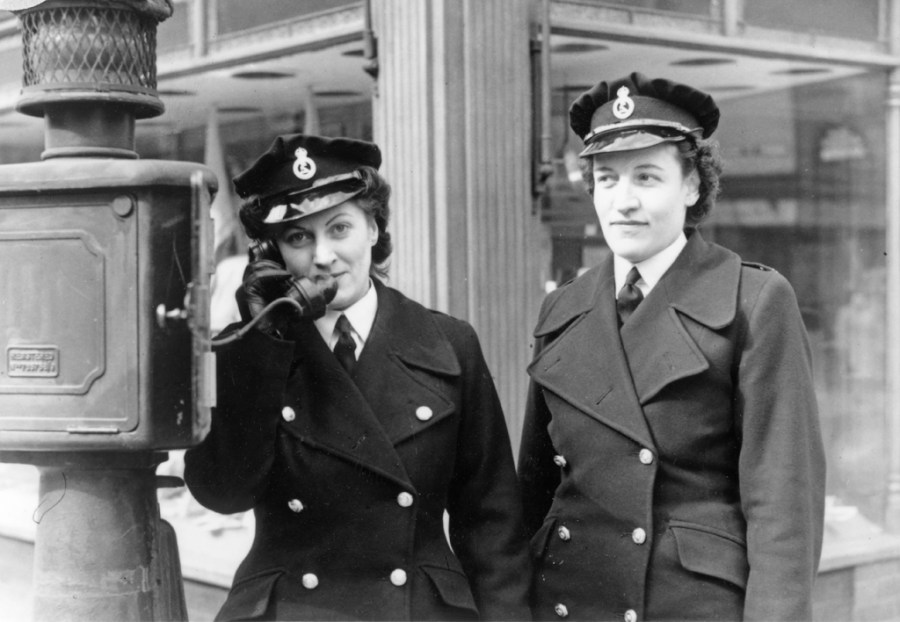
It features as strong Northern woman, Woman Police Sergeant Cathy Marsden, as the main character.
You’ll walk those streets and feel the fear as the air raid sirens sound.
You’ll be there with Cathy as she hunts an escaped German spy.
It’s set in Leeds.
Bonus: I want to sell plenty of copies of this, partly because it’s very good, but also because it means my publisher will let me continue the series. The second comes out next year, but I want a third and a fourth, so…please?
Buy it from an independent bookshop if you can, but the behemoth is going to be easier for some people. The link is here. I know money’s tight for so many people – ask your local library to get it for you.
Hard to believe that it’s almost two weeks since the wonderful launch for No Precious Truth. Time’s felt compressed since then. But April has seemed to rush by, as if it was sprinting, so strange after a never-ending March.
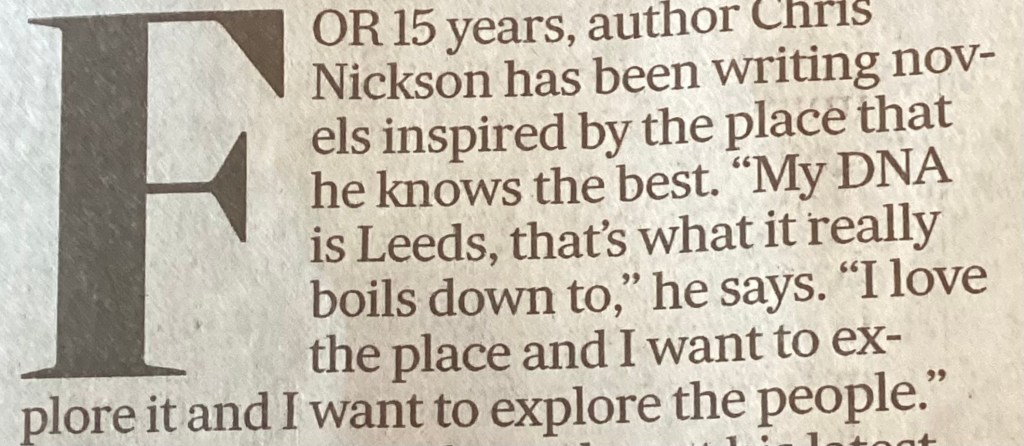
A week later and the Yorkshire Post published an interview with me, one that captured me and my writing pretty well, I think.
I’d barely caught my breath when I had to write a paper I’d agreed to present at a symposium for music in the Leeds collections, in the new music library (and you really should see it) that’s part of the central library. I’d been asked to talk about Frank Kidson and his materials. A shock to me, as I’m no academic – not even a degree – but I’m a great admirer of Kidson and what he did.
He and his niece and companion, Ethel, are minor characters in the Tom Harper book, The Tin God, where his knowledge of folk song is important in unravelling the clues. He was one of the pioneering Victorian folk song collectors, penning a column about songs in the Leeds Mercury Supplement for a few years and published books on folk music; the most famous is the influential Traditional Tunes, which was largely preciously unknown music, much from Yorkshire, especially Leeds.
Leeds Libraries has an excellent collection, a handwritten biography of him by his niece, his watercolour sketchbook, arrangement of songs he worked on with composer Arthur Grimshaw (son of the famous Leeds painter Atkinson Grimshaw), and much more.
It was an honour to be asked to do this and have the rare luxury of spending time with the materials. I’ve wrote about Kidson for fRoots magazine in 2018 and I was grateful for the chance to spend time with him once more.
The day after was my school reunion. 53 years, although we bulked up the numbers by including the two years below. It was interesting. I’d expected it to be that, so I wasn’t disappointed. I’d seen a couple of the people more recently, and it was good to catch up with them. But I was never part of the mainstream at school, and there were plenty I didn’t recall.
Tomorrow, another symposium, this time at the law school of the University of Sheffield. Talking about crime fiction, so I’ve prepared that paper, even as I’ve been going through the proofs for A Rage Of Souls, the next Simon Westow novel, coming in October.
After that, I’ll be ready to take the long weekend off…
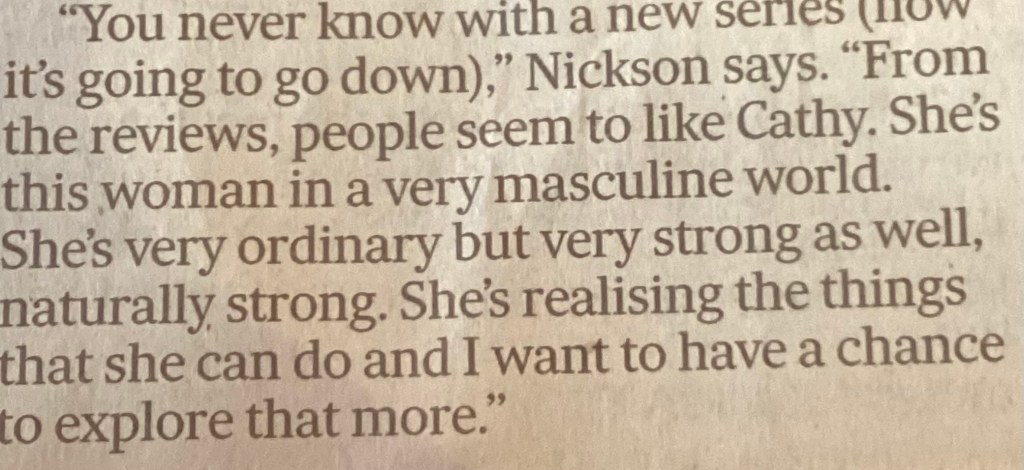
Of course, No Precious Truth hasn’t even been out for a month yet. If you haven’t read it yet, I’d certainly appreciate the sales. Independent bookshops are always best, but wherever you want. And for those on a budget, please, ask your public library to order it in, if they haven’t already. A little about Cathy from the Yorkshire Post interview, just to convince you.
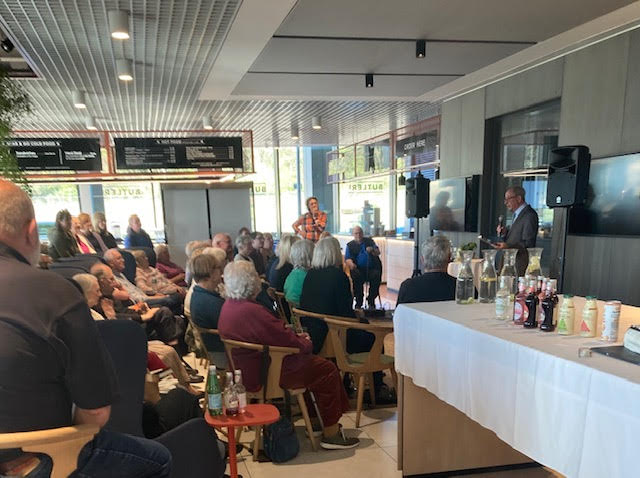
I’m sorry you couldn’t be there, out at Kirkstall Forge for the launch of No Precious Truth. I never counted how many came, but the estimates are between 50 and 60 – a hell of a turnout for a sunny Thursday evening, and I’m flattered so many attended.
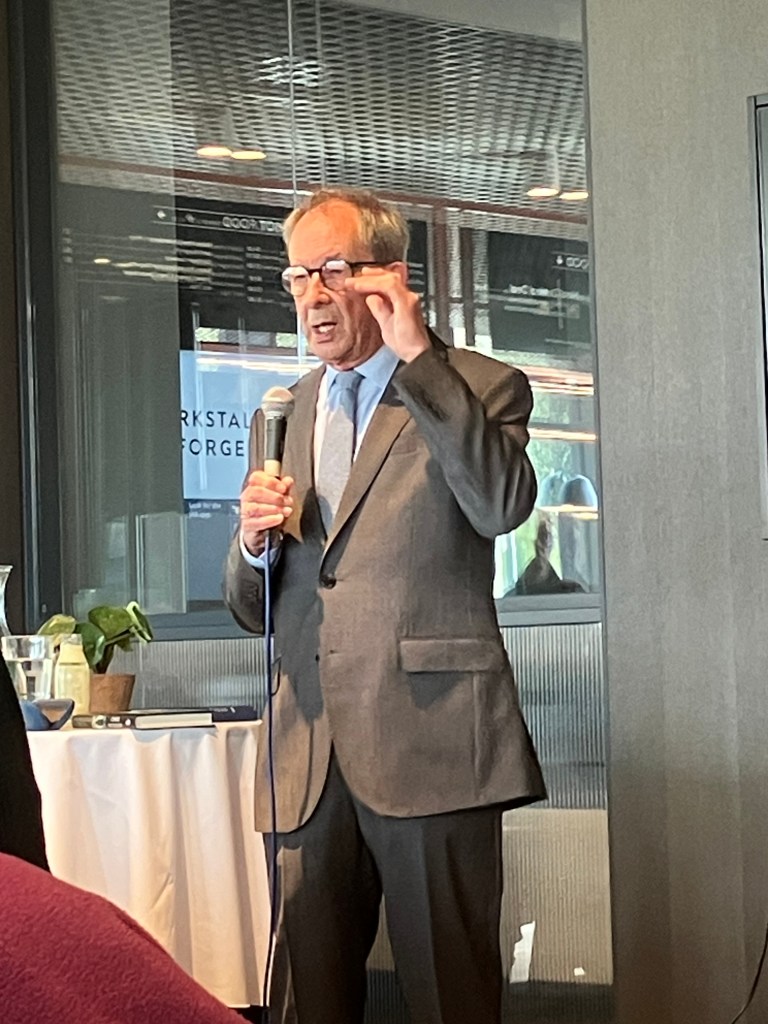
A number of faces I knew, and far many more that I didn’t. There had been an article about the event in the regional newspapers that must have made people curious. But also people familiar with my books, curious to see Leeds in a World War 2 setting, and to meet Woman Police Sergeant Cathy Marsden. And to be terrified by that rare vision of me in a suit.
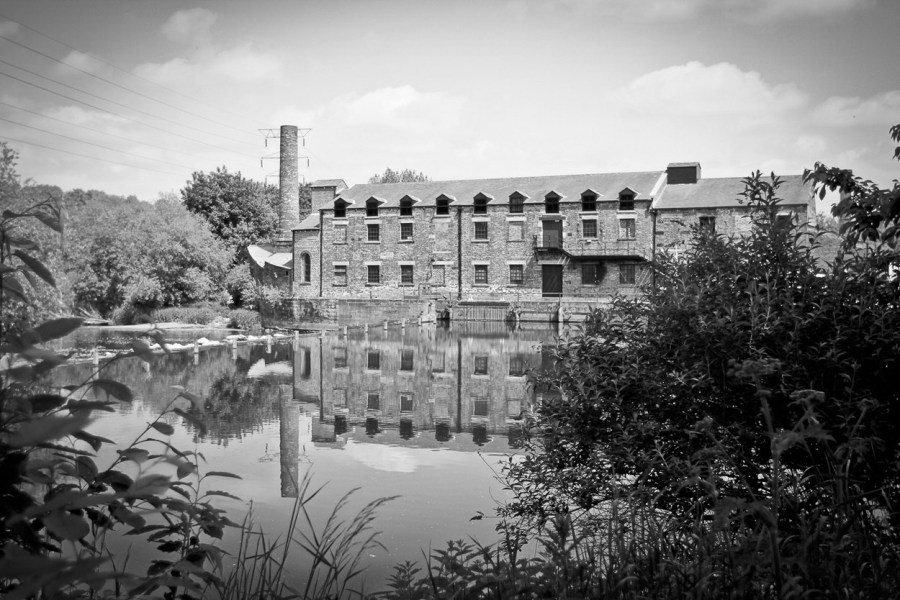
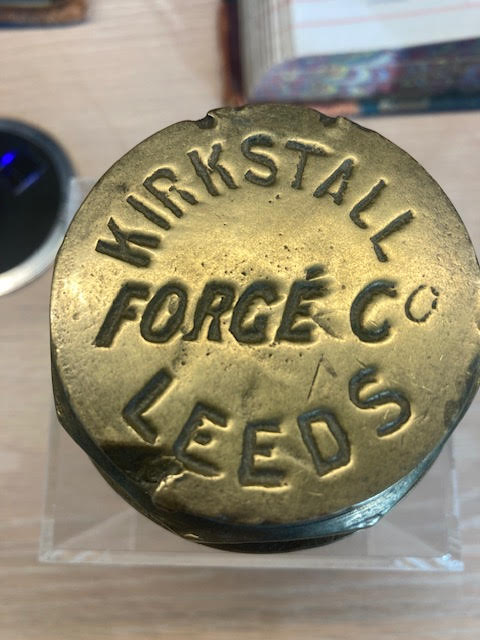
The Forge features in the book, making it an ideal location for the launch. It had been important in the war (and was bombed in 1942, with five men losing their lives). I’m grateful to Lucinda Yeadon, who ended up in hospital two nights before the event (all wishes for a speedy recovery), to Marius and Shelly for being so receptive to the idea and organising everything, as well as providing refreshments for everyone.
Plenty of artifacts and ledgers from the Forge in wartime were on display, along with replica war documents, like ration books and identity cards, and newspapers.
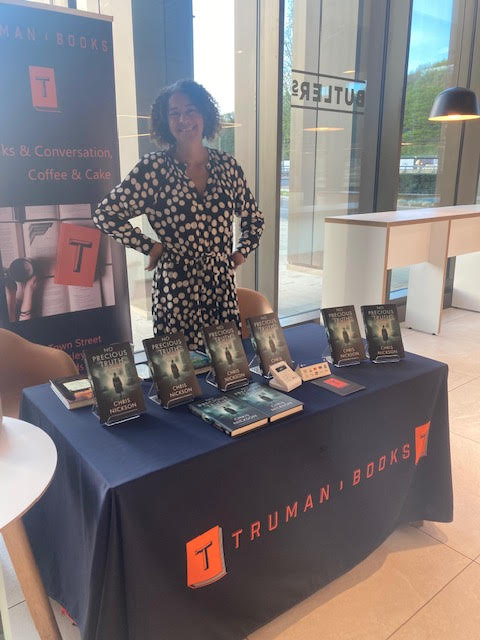
Truman Books, a wonderful independent from Farsley, was the bookseller. 22 copies of No Precious Truth were sold, as well as two from the Tom Harper series. Thank you, everyone who bought a copy.
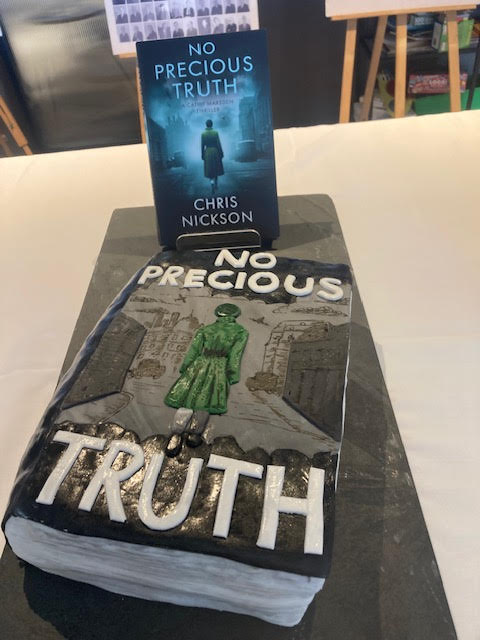
The centrepiece, though, was the cake, made and decorated by Lizzie, the daughter of Shelly, who runs Butler’s café, the venue for the event. Isn’t it glorious? Here it is, before and after.
I’m grateful to everyone who came and all those involved in putting on the event. Thank you. I hope the photos make you feel you were there. Remember, you can buy the book and see what all those people have discovered. Cheapest UK hardback price, with free postage, is here.
Yesterday No Precious Truth was released into the wild.
It’s there, waiting for you to adopt it and take it home.
If you really want to meet it (and the author – there’s always a downside) why not come to the book launch in Leeds?
It’s on Thursday, April 17, 6-7pm at Kirkstall Forge, a location that features in the book. Plenty of parking, or it has its own little railway station, five minutes on the train from Leeds City station. If you’re anywhere close to Leeds, I promise it’ll be worth your while.
I’d love to have as many people there as possible. It’s free, there’s cake, and Truman Books will be on hand to sell copies of the book. Artefacts from the Forge on display, photos from the war, replica war documents and newspapers for you to examine.
And cake. Did I say cake?
Please, come along. If you can email Lucinda at lucinda.yeadon@ceg.co.uk so she can keep an eye on the numbers, that would be great.
Just a week until No Precious Truth is published (April 1, and I hope that’s not an omen!). It’s seemed so distant for so long, and now it’s barrelling down on me at a rate of knots.
Things are in place. I have a new review from Booklist that says the book has a “likable heroine, a twist-a-minute plot, and heart-wrenching details about the effects of war make this a good choice for fans of historical wartime mysteries.”
I’ll definitely take that. Meanwhile out of the blue, the Promoting Crime Fiction website has declared an as “Unsung Hero Of Crime Fiction.” I’m flattered, but I don’t feel very heroic. Read it here.
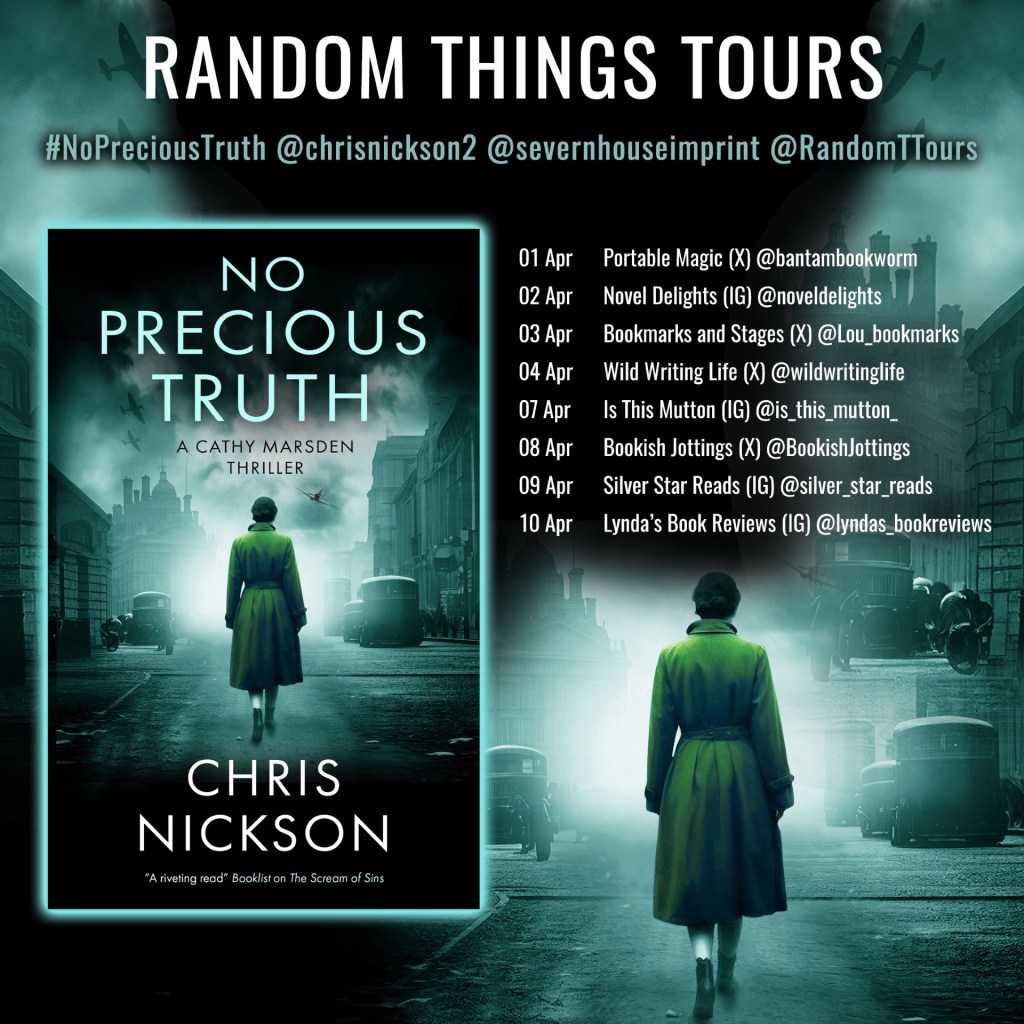
The blog tour begins on publication days. Eight stops, eight different reviews, all posted online (mostly Instagram, I believe). Keep your eyes peeled for them.
I’ve taken out ads, putting my money where my mouth is because I believe in this book.
There’s going to be a launch. It’s on Thursday, April 17th, from 6-7 pm. It’s going to be held at Kirkstall Forge, which features in the book. They’ll have some photos and artefacts from the war. I’ll be bringing replica documents from the war, as well as newspapers. Truman Books will be there to see you copies of the book.
And there will be a special cake.
You’re invited. If you’re close, come along. Plenty of parking, or the Forge has its own little railways station, just five minutes on the train from Leeds.
If you really can’t wait until then to read No Precious Truth, why not buy it from your local indie bookshop, or Speedy Hen has the cheapest price for the hardback, with free UK postage. Go here and get it.
The following first appeared in History and Heritage Yorkshire – you can find them here. The photos are courtest for the excellent Leodis photo archive. Take a browse.
We’ve all heard about the rationing. Of food, clothes, petrol, coal, pretty much everything, and the way the amounts people were allowed grew smaller and smaller as the war progressed. We had a National Loaf, devised by nutritionists, incredibly healthy, but supposedly tasteless and grey. Ministry of Food pamphlets offered recipes for families during the conflict. People dug for victory in their back gardens. Unused open areas or bomb sites that had been cleared, every kind of spaces was made over into a veg plot.
That was right across the country. But what changes did the war bring to Leeds? In terms of air raids, the city escaped very lightly. We had some – nine in total – and 77 lives were lost. But there was only one of any great consequence, the Leeds Blitz of March 14-15, 1941 (it was termed a quarter-blitz, comparing it in size to the damage inflicted on other cities). The night began with incendiaries, fires lighting the way for the waves of high explosive bombs that arrived later. In all, about 100 houses were destroyed and around 4600 damaged. Bad enough, but not much when compared to elsewhere, and there would only be one more raid of note, in 1942, when five workers at Kirkstall Forge were killed.
The appearance of the city changed. There were sandbags everywhere, tape on the windows of shops and office, as well as home. Much less traffic on the roads due to strict petrol rationing – handcarts and horse-drawn wagons often replaced lorries and vans (out in the country, horses drew ploughs and threshing machines, as if we’d moved back a century).
The Blackout
The blackout meant that those vehicles which kept running, and only a small number were permitted, had to cover head and rear lights, with only a thin slit for illumination – and that made the 20mph speed limit an excellent idea. Curbs, lamp posts, telegraph posts were painted with black and white stripes to aid motorists. Trams had bells that jangled to warn pedestrians who might be in the way. The windows in trams and buses were covered to stop light leaking, then with netting or tape in case of blasts.
The ARP (Air Raid Precaution) wardens were the ones with the job of enforcing the blackout. Stories have so many of them acting like little tin gods, and probably some did. But it was a thankless job.
The blackout should have been a boon to crime. Yet a number of newspapers reported the expected wave of thefts and robberies didn’t happen. There was plenty of opportunistic crime: where houses had been bombed or families fled, there was looting (not much of a problem in Leeds), and some other illegal activities did flourish – while the duties of the police grew. Prostitution became more widespread, and more blatant, for one small example. Some of the women were honest; others would lure their customers into the dark ness and rob them, either alone or with an accomplice.
There was a rise in bag-snatching, thefts from telephone boxes and standing cars, but greater crime figures seemed to be down. In part, that was due to transportation. Petrol rationing made it illegal for most people to use cars. There was plenty of black-market petrol for sale, but cars on the road were remembered, and easily traced. Which might explain why one of the biggest rises was in bicycle theft.
The Black Market
With rationing, there as the inevitable rise of those who saw the chance to make money by bypassing the law. It could be something as simple as a shopkeeper saving a little extra for favoured customers or fudging coupons. It could be the spiv – a term that came into use with the war to denote the stereotype of a flashily-dressed man selling goods on the corner. Rationing and crime were interlinked, and it was responsible for many of the offences that ended up on police blotters and in court.
One of the most widespread of those was that theft of coupons from Ministry of Food offices. The security was non-existent, and if someone broke in at the right time, there were literally thousands of coupons waiting to be taken and sold. Others forged coupons. Essentially, rationing and coupons created an industry.
Items were stolen – entire lorries of them at times, often tinned food. On a smaller scale, things walked out of the stores for the NAAFI canteens which gave food and drink to service personnel. Other items vanished from work. In Bradford, my own grandfather was arrested and convicted of stealing 99 yards of cloth from his employer. He got off with little more than a rap on the knuckles: just a £5 fine.
Outside the small amount allocated for civilian use, petrol was dyed red to deter theft. However, with a little work and ingenuity, the dye could be removed.
Rationed alcohol offered more opportunities. Much of the whisky supply was reserved for export to help the vital balance of payments. Enterprising crooks worked with chemists and made hooch, alcohol created from different things with the kick of booze, then dyed and flavoured and passed off as the real thing, often in recycled bottles and with carefully printed labels. The customers were often clubs – many operating without a licence – where couple and service people on leave went to relax. It had worked during Prohibition in the US and proved successful here. However, there were reports of drinkers becoming ill after using hooch, often severely. Cases of permanent blindness, even death, happened.
Physical Changes
There was bomb damage in Leeds. Far less than other places, but it was there. Marsh Lane goods station was pretty much destroyed, and the same with a number of factories along the river. The front of the museum on Park Row collapsed, and there was damage to the Town Hall, aa well as a number of houses, particularly in Armley.
Leeds Museum after the March raid
Model Road, Armley
Some of the physical changes were made as precautions. Lewis’s, the big department store on the Headrow had the brick blast wall outside its main entrance to avoid any flying glass and debris. Outside, along the middle of the road, stood a series of emergency water tanks to help deal with any incendiary bombs and fires. They were painted in black and white checks to alert traffic and pedestrians at night.
Emergency water ponds were dug all over, although most of them were never needed, thankfully.
The Marks & Spencer store that’s such a familiar sight on Briggate was completed right at the beginning on the war. The company had kept a presence further up the main shopping street since 1909, but this was intended to be the grand flagship store. They purchased and demolished the Rialto cinema at 46 Briggate and built something entirely new and modern. However, in 1940, as they were set to opened, the building was requisitioned by the government for use by the Ministry of Works. A blast wall was erected to cover where the display windows had been (and was soon covered in layers of posters advertising films). The entry for staff was a metal door to the right, still there if you look.
The elegance of Park Square remained, but in a diminished state. The railings around the grass were removed, like most metal, part of a national drive. It was ostensibly to build more Spitfires; the reality was that the metal often just sat in huge, rusting piles in scrapyards.
Food
As mentioned earlier, rationing gradually bit harder and harder. Nutritionists worked on recipes with the Ministry of Food, creating dishes that were both healthy and tasted good (although many might disagree with that). But the reality was that Britons did eat a very healthy diet during the war, better than before it for many, and rationing did create an equality between the classes.
Gardening was encouraged, growing the food that was so desperately needed with imports so limited. There were pamphlets and newspaper columns with characters like Potato Pete. Gardens were made over, empty ground cultivated. A street, even a couple of streets, would use all their scraps and waste to feed a pig that one of them would keep – quite illegally. In return, they’d receive some of the meat when it was butchered.
Fishing was affected, too, with the trawler fleet and the catch depleted, as the Germans considered fishing vessels to be legitimate targets, and mines took their toll. By 1944, the catch was round half the pre-war figure – and that was an improvement over 1941. Fish was never rationed, but the prices rose very steadily as the fighting continued.
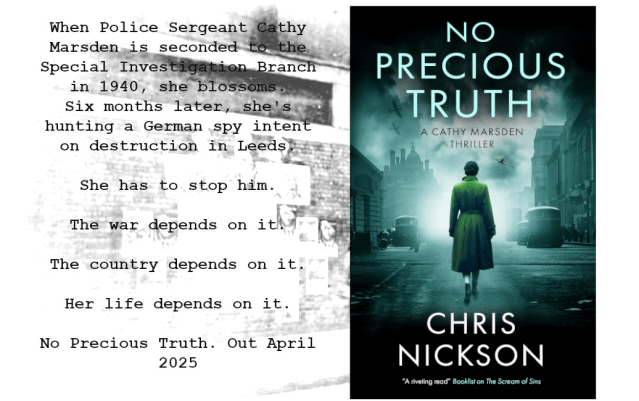
These are just a few quick snapshots; there are entire books and studies on each of the topics. The war in Leeds, at least at the beginning of 1941, is the backdrop for my new novel, No Precious Truth. The main character is Woman Police Sergeant Cathy Marsden, one of the very few women in the force back then. She’s’ seconded to the brand-new local squad of the Special Investigation Branch (a real organisation, part of the military police) for three weeks, a period that keeps getting extended. They deal with organised crime and the forces. But suddenly they find themselves facing something very different: an escaped German spy.
It’s published by Severn House, and available as a hardback and ebook from April 1. Buy from an independent if you can, or the cheapest UK hardback price, with free postage, is here. The launch will be at Kirkstall Forge in Leeds (a location in the book) on April 17, 6pm. I hope you’ll show up. All are welcome – they even have their own little train station.











 Chris Nickson