Tales Within A Tale 5 – John Laycock

Now it’s just two months until Skin Like Silver is published in the UK. That’s still plenty of time to introduce you to some of the characters. Not Tom Harper or Annabelle, not Billy Reed or Superintendent Kendall. Not even Ash. But some of the others who populate this book – there are over 60; I counted.

They’re relatively minor characters, but they all have their stories to tell. About once a fortnight until publication you’ll get to meet some of them. One of them could well be a killer. Or perhaps not. But when you read the book and come across them, you can smile and say ‘I know you.’

Read the first Tale within a Tale, about Patrick Martin, here, the second with Robert Carr here, the third with Miss Worthy here, and the fourth with Barbabas Tooms here.

And, of course, you can read about Skin Like Silver here.

Like what you see? Order your copy here (this is currently the cheapest price by far!).

3226664835

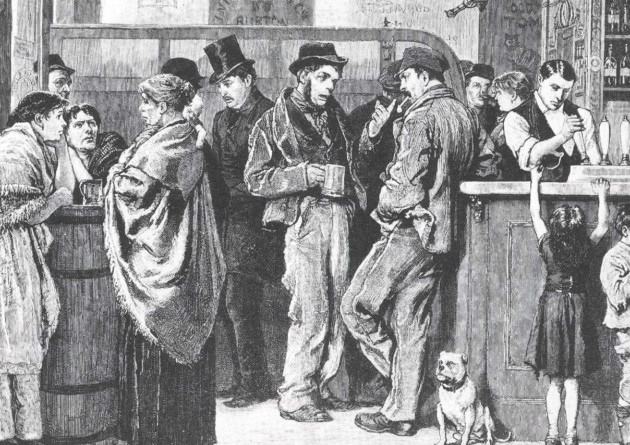
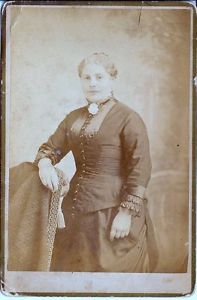
This time is the landlord of the Royal Inn on South Accommodation Road in Hunslet. In the book he’s not named. In my head he is – John Laycock. He was the landlord at the time, just arrived in Leeds. How do I know? He was my maternal great-grandfather. Around 1920 he moved to take over the Victoria on Roundhay Road, Annabelle’s put in the books, and stayed there until sometime in World War II. That’s a good five decades as a pub landlord..

He stacked one crate of bottles on top of another in the cellar, followed by the third and a fourth. Never too much call for the stuff, and why would there be when there were barrels of beer around?

John Laycock stood and stretched. From somewhere up above here heard the squall of a baby. At least Elizabeth had a healthy pair of lungs on here. God alone knew she’d need it to survive in Hunslet with all the factories and mills around.

He thought he’d landed on his feet, arrived from Barnsley and offer a job as the landlord of the Royal Inn. Just twenty-three, young for a job like that. More than a job, really. A home. Rooms upstairs and soon part of the area. After a year he knew all the locals, he and the family had become part of the fabric of the area.

The people were all reet. Same as folk anywhere. The wife had made some friends. Course, there were always a few…especially when they had a bit of drink in them. But he was a big lad, he could handle them if they got stroppy. It was one of the reasons they’ve given him the position. That and the fact he had a quick mind, able to do sums in his head. Coming up to Leeds when his wife had the babby inside her had been a gamble but it had paid off nicely.

Upstairs, he inspected the brasses and checked the woodwork was polished. Sometimes he wondered why he bothered. An hour after the men started coming in and everything would be grimy again. All the dust and dirt of the steel works in every bloody nook and cranny.

But you kept up appearances. You make it all look neat and cared-for. Even if no one ever noticed. His man had drummed that into him. So, each morning, the servants took care of that right after their breakfast.

‘John.’ Jane’s voice carried down the stairs. If she had a mood on her it could carry halfway across Yorkshire.

‘What?’

‘I think there’s a blockage in the chimney. The fire’s not drawing properly.’

‘I’ll come and take a look in a minute.’ He sighed. If it wasn’t one thing it was another.

Something New, Something Different

Somehow the idea of 1920s Leeds has got under my skin lately, and the first policewomen we had here. so I began writing. Here’s a little bit of it, wherever it ends up going.

Who know, it might have been this way….

Leeds, 1924

Walking into Millgarth Police Station, Charlotte nodded to the desk sergeant and strode back along the corridor to the matron’s office. The day shift of bobbies had already gone on patrol and the building was quiet. She rested her hand on the doorknob, took a deep breath and straightened her back.

‘Good morning, ma’am. WPC Armstrong reporting.’

Mrs. Maitland looked up, giving a quick inspection. She was a pinch-faced woman in her late forties, her dark hair going grey and pulled back into a tight bun. She’d never mentioned Mr. Maitland, but in two years the woman had never revealed anything personal about herself; the job seemed to be her life. She was here first thing in the morning and long into the evening, as if she had no better place to be.

‘There’s a hair on your jacket, Armstrong.’

Lottie looked down. One hair, blonde, one of hers. She plucked it away, annoyed at herself and at the matron.

‘Sorry, ma’am.’ She stayed at attention.

Maitland returned to the letters on her desk. This was her way. Keeping someone waiting was the way to enforce discipline.

The door opened and Cathy Taylor marched in. She was late and she knew it. Lottie could see it in her eyes. But she just winked, stood to attention and said,

‘WPC Taylor reporting, ma’am.’

‘You were supposed to be here at eight, Taylor,’ Mrs. Maitland said.

‘Sorry, ma’am, my watch must be running slow.’

The matron sniffed. Only two women constables in Leeds and she had to keep them in order.

‘Well, since you’re finally here, I have a job for the pair of you.’ She scribbled and address on a piece of paper. ‘Go and see her. She runs a boarding house for unmarried mothers. One of her guests has been acting strangely.’ She stared at the pair of them. ‘Well? Off you go.’

‘It’s in Woodhouse, we might as well walk,’ Cathy said as they set out up the Headrow. She folded the note and put it in her uniform pocket. Early September but it was already feeling like autumn, enough a nip in the morning air for their breath to steam. ‘Bet you the girl’s just gone off to find some fun. It’s always old cows who run those places.’

‘At least it makes a change from talking to prossies or chasing lads playing truant.’ Lottie sighed. She loved the job but wished the force would let them do more, rather than treating them like delicate flowers with tender sensibilities.

Still, it was better than working in an office or being a housewife. She’d developed a taste for freedom when she worked during the war, like so many others. Getting the vote was something. Earning her own money was much more.

Lottie had worked as a clerk at the Barnbow munitions factory in Cross Gates. 1916 and she was twenty, fresh in the job with everything to learn, just promoted from the factory. But she’d managed, even finding time to flirt with the procurement officers who came to check things.

Geoff had been one of them. Shy, diffident, still with a bad limp from a wound he’d suffered the year before in the Dardanelles. He had a modest charm about him, and in his uniform he looked quite dashing.

Charlotte was the one who’d made the running, someone had to and he wasn’t one to put himself forward. On his third visit she’d suggested an outing to the pictures, watching him blush as she spoke. From there it had taken two years until they reached the altar. By then he’d returned to his job in the area Dunlop office

With the war over and the men coming home, factories began sacking the women. A wedding ring on her finger, Charlotte had tried to become a housewife. But life chafed around her. Other women were having babies but she never would, with Geoff’s injuries. She needed something, but there was nothing. Until the Leeds Police advertised for policewomen. And suddenly life excited her again.

“You’ll be getting yourself shot if you keep coming in late,’ Lottie said.

Cathy pouted.

‘It was only a couple of minutes. Anyway, Mrs. Prissy wouldn’t know what to do if she didn’t have something to complain about.’ She stifled a yawn with the back of her hand.

‘Late night?’

‘I went to the pictures with my friends, then they wanted to go on dancing so I couldn’t say no.’

Cathy was twenty-four, with a husband gone most of the year in the merchant marine. No kids. No wonder she liked to be out a few nights a week, dancing and flirting and enjoying herself. Married but single, she called it with a small laugh.

Lottie had gone out with her a couple of times after work, changing into civvies at the station then going on to a see a film at the Majestic. It had been fun, but not something she’d want to do often. Cathy had wanted to go on somewhere, to have a cocktail. God only knew where she found the energy. By the end of a shift all Lottie wanted was to be at home and off her feet. When the working week was over, she was exhausted. She was lucky to stay up until ten, never mind the wee hours.

But Cathy was still young, always getting looks from men. Pretty enough for a portrait, hair in a modern bob, with a pair of shapely legs and that bony, modern figure that always made Charlotte feel huge in comparison.

‘What are you going to do when your John comes home?’ Lottie had asked her. ‘You can’t go gadding about then.’

‘We’ll enjoy our time together. After a month he’ll ship out again. Don’t get more wrong: I love him and I’d never, you know…but I can’t sit at home every evening, can I? He wouldn’t want me to, anyway.’

They matched each other step for step along Woodhouse Lane and out past the university, going towards the Moor, with its library and police sub-station on the corner.

‘Down here,’ Cathy said, turning briskly along Raglan Road, followed by a right and a left. She scratched at her calf through the skirt. ‘God, I wish they’d do something about this uniform. It’s not bad enough that it itches, it’s so heavy, too. Like wearing a battleship. This is it. Thirty-six.’

The house seemed out of place. On a street of large terraced houses, it loomed on the corner, detached, standing apart at the back of a long, neat garden, look out over the Meanwood valley, with all its factories and chimneys. Hard an inspiring view, she thought.

Lottie knocked and waited. Some lovely stained glass in the window; she wouldn’t mind that at home. She was miles away when the knob turned and a small woman in an apron stared up at her.

‘I was wondering how long it would take the police to get here.’ There was no welcome in the voice. The woman raised an eyebrow and stood aside. ‘Well, are you coming in or do we do it all on the street?’

Charlotte led the way, following an open door into a neat parlour. A Sunday room, still smelling of wax, the wood on the furniture gleaming.

‘Go on, sit yourselves down.’ The woman bustled around, flicking off some non-existent dust.

‘You run a home for unwed mothers here, Mrs…’ Charlotte said.

‘Allen,’ she answered briskly. ‘Yes, I do. It’s a Christian thing to do, and I try to put on them on the right path.’ She sat very primly, back straight, her stare direct.

‘One of your girls has gone missing, is that right?’ She took the notebook and pencil from her pocket, read.

‘Yes. Didn’t come back last night and no word this morning.’

‘Could you tell us a little bit about her, Mrs. Allen? Her name, what she looks like, where she’s from.’ Lottie smiled. This was what she enjoyed, talking to people, teasing out the information.

‘She’s called Jocelyn Hill. Seventeen, but she could pass for younger. You know the type, like butter wouldn’t melt, but she’s a sly little thing. Always looking for a chance. A bit extra food, this and that.’ She shook her head in disgust. ‘Half of me wishes I’d never taken her in.’

‘What does she look like?’ Cathy asked. She liked facts, something solid.

‘Only about five feet tall, I suppose. Dark hair in one of those bobs they all seem to wear. Like yours,’ she added. ‘Thin as you like, no figure on her at all. Apart from the baby, of course.’

‘How far along is she?’ Charlotte wondered.

‘Eight months,’ Mrs. Allen replied. ‘so it’s not like she can hide it.’

‘Has she gone missing before?’

‘Of course not.’ She snorted. ‘They all know the rules when they arrive. No going out, only family to visit, in bed by ten. Break a rule once and they’re gone. I won’t stand for it otherwise. I give them a warm, clean place to have their children and I help find good homes for the little ones. I’m not about to let them take advantage of me.’

‘Have you had others disappear, Mrs. Allen?’ Cathy asked quietly.

‘Only the one,’ the woman said after a while. ‘Three years ago. But she was a wild one, wouldn’t ever settle down here. Jocelyn liked to push things, but she was nothing like that.’

‘Where did she come from?’ Lottie had her pencil poised, ready to take down the address. Mrs. Allen took a ledger from one of the empty bookshelves, found a pair of glasses in her pocket, and began to search.

‘Here we are.’ She read out an address in Cross Green. Lottie glanced towards Cathy and saw a tiny shake of the head.

‘Thank you,’ she said, standing. ‘Is it possible to take a look in her room? Perhaps we could talk to some of the other girls who knew her?’

‘Nothing to see in the room,’ the woman told them. ‘I’ve already packed her case. If she shows up at the door she’s out on her ear. And she never really got along with the others. Kept herself to herself.’

‘Maybe a look in her case, then…’ Charlotte suggested.

‘Two dresses and some underwear that’s as flimsy as nothing. Not hard to see how she ended up this way, is it?’

The door closed quickly behind them. As they walked back along the street Cathy looked over her shoulder.

‘She’s watching us from the front window.’ She shivered a little. ‘Blimey, I think I’d run off from that place, too. She’s…’

‘Strange?’ Lottie suggested.

‘Worse than that. Did you smell it in the hall?’

‘You mean the mothballs?’ She crinkled her nose. ‘She must have them everywhere.’

‘I could feel the joy being sucked out of me as soon as I walked through the door.’

Tales Within A Tale 4 – Barnabas Tooms

Now it’s just a bit more than two months until Skin Like Silver is published in the UK. That’s still plenty of time to introduce you to some of the characters. Not Tom Harper or Annabelle, not Billy Reed or Superintendent Kendall. Not even Ash. But some of the others who populate this book – there are over 60; I counted.

They’re relatively minor characters, but they all have their stories to tell. About once a fortnight until publication you’ll get to meet some of them. One of them could well be a killer. Or perhaps not. But when you read the book and come across them, you can smile and say ‘I know you.’

Read the first Tale within a Tale, about Patrick Martin, here, the second with Robert Carr here, and the third with Miss worthy here.

And, of course, you can read about Skin Like Silver here.

Like what you see? Order your copy here (this is currently the cheapest price by far!)

1870s Victorians 05

This time, it’s Barnabas Tooms

Barnabas Tooms sat at his usual table in the bar of the Griffin Hotel. He was holding a cigar between his fingers, a glass of whisky in front of him as he listened intently to what the other man was saying.

‘What you mean is there’s been a slight…misunderstanding?’ he asked when the man’s voice trailed away to nothing.

‘Yes. Exactly.’ He saw the relief spread across the man’s face. A ward man for the Liberals, a nobody, really. But they all came to him with their problems, hoping he’d be able to fix them, to give them an easy way out.

And usually Benjamin Tooms could do it.

They might have to spend a little money to make it happen, but that was the price to pay for an indiscretion. The greater it was, the more it cost. He made problems disappear and he was very good at it. And in return he stored up the favours, made a ledger of them, ready to demand when he needed.

All the politicians in Leeds, and those who wanted to be, knew him.

‘I think we can do something about it,’ Tooms said after a little thought. ‘Do you have ten guineas to spare?’

The man sitting across the table looked very serious now.

‘That much?’ he asked in surprise.

‘When you sat down, a solution seemed to be worth a fortune to you,’ Tooms pointed out. ‘On that scale I’d call ten guineas a bargain, wouldn’t you?’

‘I suppose so, the man admitted reluctantly. ‘But-’

‘No buts. It’s yes or no.’ He tapped ash from the cigar then took a sip of the whisky. Bloody fools. Coming here because they needed him then trying to bargain him down. This one had been caught with a prostitute. All it would cost was two pounds to the coppers for all mention to go away. Nothing for the girl; she’d be grateful not to end up in court.

Easy to fix. Like most things in life if you knew the right people and applied the right grease.

Life had been good to him. A room upstairs at the hotel, plenty to eat and drink. Rarely had to put his hand in his pocket for anything. But he was a self-made man. He’d done all this on his own. Started out with nothing in Armley and always been quick to spot opportunities. Quicker still to take them, before some other bugger did.

He’d worked hard, a bit of everything. Hadn’t minded getting his hands dirty when he was younger. A hard warning, a beating, he done it when he was younger. These days he paid to have it done; no shortage of willing men after a bob or two.

He’d grown into someone successful. Portly. Good suits made by a little kike tailor in the Leylands. Shirts, collars, and ties from the Pygmalion. Shoes of the best leather from the maker on Basinghall Street. He’d come a long way from the raggedy-arsed nipper scuffling around.

‘Well?’ he asked. He’d given the man enough time to make up his mind. They got worse each year with their dithering.

‘I’ll do it.’

Barnabas Tooms smiled. He’d never doubted the decision.

Enjoying the tale? Take a look at the book trailer and see if that whets your appetite more…

Skin Like Silver – The Video

Well, not quite the video, but at least the video trailer.

The book isn’t out until November, but this is part of the head start. If you want a review copy, register with NetGalley and my publisher, Severn House. They should be available in October. And buy the book when it’s published, of course!

I believe in this book. I feel it’s the most compete book I’ve ever written.

In the meantime, maybe this will whet your appetite.

Tales Within A Tale 3 – Miss Worthy

$T2eC16VHJHoE9n3Ke5gtBRonnkVF7Q--60_35

Four months until Skin Like Silver is published in the UK. That’s plenty of time to introduce you to some of the characters. Not Tom Harper or Annabelle, not Billy Reed or Superintendent Kendall. Not even Ash. But some of the others who populate this book – there are over 60; I counted.

They’re relatively minor characters, but they all have their stories to tell. About once a fortnight until publication you’ll get to meet some of them. One of them could well be a killer. Or perhaps not. But when you read the book and come across them, you can smile and say ‘I know you.’

Read the first Tale within a Tale, about Patrick Martin, here and the second with Robert Carr here.

And, of course, you can read about Skin Like Silver here.

This time it’s Miss Martha Worthy, milliner.

‘I’m very sorry, Miss Bell, but that won’t be possible.’ She said it with a smile, trying to ease the harsh pill.

‘Well!’ The woman puffed out her cheeks and pushed her lips together to make a thin line. It made her look even less attractive, Miss Worthy thought. But the woman had to be told: no more credit. She’d paid nothing on her account in six months, then flounced in expecting gratitude for her custom. Maybe they’d do that elsewhere, but she couldn’t afford to. ‘I shall take my business elsewhere.’

‘You’re more than welcome to do that, of course.’ Another smile, just enough to show her teeth, and a slight nod of the head. ‘But before you leave, perhaps you’d care to settle your bill.’

‘Why should I?’ Miss Bell sniffed. ‘I came to buy a hat, not to be insulted.’

‘I’m sorry you feel that way,’ Miss Worthy told her. ‘I truly am. But perhaps you haven’t received the statements I’ve sent out every month? Have you perhaps changed your address?’

She meant it to sting and it worked. The woman’s face reddened and she drew herself up to her full height.

‘I don’t believe a tradesman should talk to me that way.’

‘Tradeswoman.’ She took pleasure in the correction. ‘This is my business. There is no Mr. Worthy, and hasn’t been since my father passed away. The success or failure of this milliner’s shop depends on me, no one else.’ She left the words to hang for a moment, then added. ‘And for my customers to pay their bills, of course.’

Miss Bell glowered for a moment, then abruptly turned on her heel, letting the door slam shut behind her. She’d never pay now, of course, but then the woman probably never had any intention of settling the account. Still, there was some satisfaction. Miss Worthy had talked to quite a few others in the business; dear Miss Bell might discover it a great deal harder to obtain any credit now.

It wasn’t easy to be a woman in business. But she’d made a small success of the milliner’s after learning the trade. Miss Worthy had a flair for design, a little family money to give her the cushion to start, and plenty of determination.

‘Miss Bell must have been spitting feathers.’ Effie Johnson laughed when she heard.

‘Especially when no one else will extend her credit. It’ll teach her a lesson,’ Miss Worthy said, sipping at the sherry. They were in her rooms above the shop, all the bustle of Briggate in the evening outside her window. ‘She’ll be back within a week and pay in full, you marks my words.’

‘You can be a hard women, Martha.’

‘I can be a businesswoman,’ Miss Worthy corrected her carefully.

Tales Within A Tale 2

Four months until Skin Like Silver is published in the UK. That’s plenty of time to introduce you to some of the characters. Not Tom Harper or Annabelle, not Billy Reed or Superintendent Kendall. Not even Ash. But some of the others who populate this book – there are over 60; I counted.

They’re relatively minor characters, but they all have their stories to tell. About once a fortnight until publication you’ll get to meet some of them. One of them could well be a killer. Or perhaps not. But when you read the book and come across them, you can smile and say ‘I know you.’

Read the first Tale within a Tale, about Patrick Martin, here.

This time it’s Robert Carr

And you can read more about Skin Like Silver, of course.

Samuel-Kent-214366

Three places were laid at the table, cutlery gleaming, glasses shining in the gaslight from the sconces. But only two men were sitting and eating.

‘Why?’ The younger man tilted his knife towards the empty plate across from him. ‘For God’s sake, father, she’s been gone two months now. It seems desperate.’

Robert Carr look down his nose. He was balding, the long mutton chop whiskers thicker than the hair that remained on the top of his head. The two sticks on the floor by his chair helped him walk. But his mind was still sharp.

‘You think what you like, Neville.’ There was a whip edge to his voice. ‘But it’s my house, I’ll do things as I choose.’

He began to chew some of the beef. It tasted stringy, cheap. Far too dry. Throwing down the knife and fork, he pushed the meal away and took a sip of whisky.

‘Not hungry?’

‘Bloody tasteless.’

The cook would never have served the meat like that when Catherine was here, he thought. She kept an eye on things. She knew. But then, she should; she knew just what the servants were like, she’d been one. He could still feel her in the house.

‘Mine’s fine,’ his son said.

Carr snorted. His son might be good at running the factory, but beyond that he was useless. Couldn’t keep his own boy in line. He’d heard the tales about the lad, the gambling and whoring. Carr might not get out much these days, but words reached him.

‘How’s the business this week?’ he asked.

‘A new order from the Army.’ Neville spoke with his mouth full. ‘Boots for India. It’s good money.’

‘A little extra gone to the right people.’

‘Of course, Father,’ he replied. ‘No need to worry about it. Everyone’s been taken care of. The next order’s in the bag, too.’

Robert had built up the business his father started on Meanwood Road. A few years before, he’d handed it to Neville. He’d trained his son well. Polite to the buyers, generous to those who placed the orders, firm with the men in the factory. It worked well. They made good money.

He had his house in Chapel Allerton, Neville his own close by. His son also had the mistress he kept in Headingley. An actress, of all things. No imagination. Not even a good actress, by all accounts. He hoped she played well in bed.

The Empire kept Carr & Sons in business. Boots for troops in all the colonies, and God knew there were plenty of them. Long may it continue.

Neville had cleared his plate, sitting back and drinking his wine.

‘I’ve been thinking,’ he said. ‘We ought to start making boots for working men.’

The old man shook his head.

‘Don’t be so daft. The market’s sewn up. You’d be trying to break in. We do what we do. Don’t rock the bloody boat.’

‘I was just trying-’

‘Don’t,’ Carr warned.

‘You’ve had an edge on you since she left.’

‘She’ll be back. I told you.’

Of course she would. She’d come to her senses soon enough. He’d make her pay for it, and he’d keep reminding her, but he’d have her back. Stupid, he knew that. Weak. She’d made her decision to leave all this. Money, everything she could want. He’d tried to stop her. Beaten her. But she’d gone.

He glanced over at his son. A weak man. A drunken one now, to judge from the dull glint in his eyes.

‘I told you not to marry a servant. It’s like a novelette. But reality was less successful, wasn’t it?’

‘Shut up, Neville,’ he warned.

‘Sometimes I wonder which was stronger, her love of this ridiculous suffragism or her hatred of you?’

‘You’d better stop now,’ Carr told him as he reached down for a stick. ‘Right now.’

Tales Within A Tale 1

Four months until Skin Like Silver is published in the UK. That’s plenty of time to introduce you to some of the characters. Not Tom Harper or Annabelle, not Billy Reed or Superintendent Kendall. Not even Ash. But some of the others who populate this book – there are over 60; I counted.

They’re relatively minor characters, but they all have their stories to tell. About once a fortnight until publication you’ll get to meet some of them. One of them could well be a killer. Or perhaps not. But when you read the book and come across them, you can smile and say ‘I know you.’

And you can read more about Skin Like Silver, of course.

youngjohnson

I try. But as God sees, at times it feel like an uphill battle to fight against sin.

Patrick Martin sat back and looked at his words in his diary. An admission of weakness, he thought. But the week had been long and seemed fruitless. He’d given out Bibles, stopped to pray and talking with some of the families around Quarry Hill. He’d done some good, held a woman’s hand into the night as the Lord took her, given a little to a couple to buy food for their daughter. Prayed with some, read verses from the Testament to others. But so many more paid no mind to religion, to their souls, to right or wrong.

A tap on the door roused him from his thoughts.

‘Your supper’s on the table, Mr. Martin.’

‘I’ll be there in a minute, Mrs. Townes.’ He stood and studied himself in the mirror. Hair thinning, a thin mouth, not the face of a man who took life lightly.

He’d been a serious child, drawn to religion but never a man for the cloth. Working for the Leeds Town Mission suited him to the ground. Not to proselytize but to evangelize. That was the motto; that was his creed. To be the agent, to visit again and again, to hope for that open door in the heart.

One all too often slammed as he approached.

He knew he was a prim man, not one to bend with the wind or changing tastes. But what kind of example would he be without steel in his spine? How could he tolerate the girls who made their livings as prostitutes instead of honest labour, or the ones who had their children out of wedlock? The Scriptures made their points on these, and he quoted them, although he tried to be gentle.

He’d looked at girls when he was young, even lusted, although he couldn’t have given it a name then. Always the free thinkers, the ones with gaiety in their eyes. Now, though, he had his calling. Maybe a wife sometime, if he ever found someone Godly.

But Leeds was becoming overrun with socialists and suffragists. Women who thought themselves the equal of men, when the truth was that they needed a man to guide them, to lead them to responsibility.

His notebook lay on the desk. He opened it and leafed through the first few pages to the report he’d made for his superintendent after the first half year he’d worked in Quarry Hill.

The prevailing vices are these – adultery, fornication, drunkenness, swearing and gossiping. Since I came to the district, eleven children have died of burning; and to me it is no wonder, when I find so many houses left with the children, and the mothers ‘throng’ gossiping with their neighbours, The Lord’s Day is awfully profaned – washing, baking, and sleeping in the afternoon, and in the evening, drinking…

And so little had changed. Each day he attempted to make some difference, to affect a life, to bring someone closer to God, to help someone see the Lord, to put a little light in them. Just that afternoon he’d called at one house to see a woman who lived with her daughter.

‘I’ve called to see your mother. How is the old woman?’

‘My mother is in hell,’ she answered, giving the sharp edge of her tongue, ‘where you will be shortly; begone, you bloody Methodist, or I’ll let my dog at you.’

What could he do but walk away, finding consolation in the Scriptures: I am with thee, and no man shall set on thee to hurt thee. Speak my word and be not afraid.

Patrick Martin closed the book. In the mirror he straightened his tie and the wings on his collar before smoothing down his hair. Saturday evening. Mrs. Townes would have a pork pie for his supper.

Deadline: Leeds, 1891

‘I started out in the mills when I was nine. It’s a hard life, I can tell you that right now. Moved into service a few years later because it paid better and it wasn’t as dangerous. I’m still not above scrubbing a floor if it needs it, or giving something a cleaning. Most of the girls I played with ended up doing the same. Maids or mills. If I ever see them now, the ones who are married have five or six children and husbands who bring in next to nothing every week. They survive, and that’s all they do. It’s down to the pawnbroker with the good clothes of a Tuesday morning so they can last until their men are paid. Redeem everything Friday evening. Do you know what they wish for when they’re walking down the street holding everything of value that they own? That their little ones will have something better. But they won’t. Do you know why not? Because there’s no one to speak up for them. They live, they die. Probably half of the girls I played hopscotch with when I was in pinafores are in the ground now. I’m not saying having the vote would put everything right. I’m not a fool. Men will still run things, same as they always have. There’ll still be more poor people than you can shake a stick at. But at least we’ll have a say. All of us. That’s the women on Leather Street, where I grew up, as much as anyone here. Maybe they need it even more than us. I’ll tell you something else. Every day, every single day, I see women with all the hope gone from their faces. It’s been battered away long before they’re old enough to work. And we need hope. That’s why every woman needs the vote. Every man, too. The only way those men standing for Parliament will ever do anything is if they need our votes to win. Half their promises will still vanish into thin air. Of course they will, they always do. And they still won’t do anything more than they absolutely have to. But for the first time they’ll have to listen to us.’

Annabelle Harper, featured speaker at a meeting of the Leeds Suffrage Society, Albert Hall, Mechanics’ Institute, Leeds, 1891.

Find out more. Read all about Skin Like Silver, coming in November.

scan0005

Find out more, Read all about Skin Like Silver, coming in November

Skin Like Silver – It’s Coming

It’s actually a little over a month until the UK publication, and time to remind you about the release of Skin Like Silver, the third Tom Harper novel.

I believe it’s the best, most complete novel I’ve ever written. It’s the kind of book I’ve been trying to write all along. Whether I’ve succeeded or not is a different matter, but I’m proud of what I’ve achieved in that, and I hope some of you will be eager to read it after having a taste of it.

All the parts are in place. The launch has been set for Thursday, December 3, 6.30 pm at the Leeds Library, Commercial St., Leeds. There’s also going to be something very special at the event, a piece of true Victorian time travel. Seats are free but going very quickly.  Reserve yours by calling the library on (0113)245 3071 or emailing them at enquiries@theleedslibrary.org.uk – and there will be wine.

To whet your appetite properly, here’s the first chapter. Keep going after to see the cover and the precis. And please, tell me what you think…

Tom Harper sat on the tram, willing it on to his stop and feeling foolish. As soon as it reached the bottom of Roundhay Road, he leapt off, scurried across the street hoping no one would spot him, then quickly disappeared through the door of the Victoria public house.

‘You’re looking dapper, Tom,’ Dan called from behind the bar. He grinned. ‘Better watch out, they’ll have you for impersonating a toff.’ As Harper opened his mouth to reply, Dan continued, ‘Annabelle’s out in the yard. Said could you go through as soon as you were home.’

He turned away to serve a customer. Why did his wife need him so urgently, Harper wondered testily. With a sigh, he slipped along the hallway and through the back door. Barrels and crates were stacked against the wall, by a brick shed that was secured with a rusty padlock. On the ground, flagstones jutted unevenly, a few ragged weeds showing between them.

She was waiting, hands on hips, smiling as she saw him.

‘You took your time,’ she said. Annabelle Harper was wearing a gown of burgundy crepe, trimmed with cream lace, that fell over a pair of black button boots. Her hair was swept up and the sun glinted on her wedding ring. ‘I expected you half an hour back.’

‘It ran late,’ he explained. ‘What’s so important, anyway? I want to change out of this get-up.’

‘In a minute.’ Her eyes twinkled with mischief. ‘Just one thing first.’

She stood aside and he saw the photographer waiting patiently, his large camera resting on a tripod, the small developing cart behind him.

‘No,’ Harper said firmly.

‘Come on, Tom,’ Annabelle pleaded. ‘You look so smart like that. It won’t take any time at all.’

He was beaten, and he knew it. She’d have her way in the end; she always did. Instead, he popped the top hat on his head and stood up straight. At least it would be over quickly, more than he could say for the rest of the day.

It was the annual inspection of detectives, the time of year when they all had to turn up dressed like dogs’ dinners to be reviewed by the chief constable. A frock coat, striped trousers, the sharp points of a wing collar pushing tight into his neck, boots shined and glowing to within an inch of their lives. And the top hat.

He couldn’t avoid it. It was part of the calendar for Leeds Police, the one day that the uniforms could laugh at them. Standing at attention in the yard behind Millgarth station, the ranks of them all waiting, everyone looking uncomfortable. Detective Inspector Tom Harper hated it. The only consolation was that he was at the end of the line. His right ear, where the hearing kept deteriorating, was towards the wall.

He’d glanced over at Detective Constable Ash, turning out for his first parade, clothes new and stiff, the pride of promotion showing across his face.

‘That’s fine, sir,’ the photographer said after the flash had gone off with a puff of smoke, pulling him back to the warm evening. ‘You can move now. I’ll have the print in a little while, missus.’

Harper removed the top hat again, the black silk brushing against his fingers. Annabelle kissed him.

‘You get can rid of your glad rags now, if you want, Tom.’

In the bedroom, he tossed them all over a chair and stretched, grateful for the freedom. He put on a comfortable shirt and old trousers, finally feeling like himself again, not some mannequin in a tailor’s shop window. Every October it was the same, come rain or today’s sunshine. A day wasted.

He filled the kettle, putting it to heat on the range, and settled into a chair, glad that it was all done for another year. Tomorrow it was back to real work. He had a woman to find.

It had begun the morning before, when Superintendent Kendall waved him into his office.

‘Go to the Central Post Office,’ he ordered. ‘See the chief clerk.’ His face was grave. ‘I’ll warn you, Tom, this one’s bad.’

The building stood at the bottom of Park Row, two grand stone storeys looking across to the railway stations. All day long, people crowded around the counters, waiting to send their letters and parcels. Upstairs, in the offices, things were more hushed.

The chief clerk was a fussy man, standing erect, too conscious of his position. But his gaze kept sliding away to the small cardboard box on a side table, brown paper and string folded back around it.

‘I made the decision to open it,’ he said. ‘It was beginning to smell.’

‘I see, sir,’ Harper said.

‘I’ve never seen anything like it,’ the man continued. His hands began to fidget.

‘What was inside, sir?’

‘A baby,’ he replied emptily. ‘A tiny, dead baby.’

Harper peered into the box. There was just a scrap of threadbare blanket left. Nothing else. The box was tiny. Small, he thought. God, the baby must have been so small.

‘You’d better tell me what happened.’

The parcel had been posted, but the delivery address didn’t exist, so it had been returned and placed on a shelf until the stink of decomposition became obvious.

‘How long had it been there, sir?’

‘Two days. I ordered that it be opened yesterday afternoon, and we discovered the body.’ He moved to the window and stared out, trying to hide the expression on his face.

The details came slowly. It had been posted three days earlier from this building. The clerk had asked all the assistants: no one remembered the parcel, but why would they? They handled thousands every day.

The body had been taken to the police pathologist. There was nothing more Harper could do here. He needed to go over to Hunslet.

They all called it King’s Kingdom, the home of Dr King, the police surgeon whose mortuary lay in the cellar of Hunslet Lane police station. The smell of carbolic filled the air and rasped against his throat as he walked in. His footsteps echoed off the tiled walls.

‘Here about the baby?’ King asked. He had to be close to eighty, his hair pure white, a stained apron over a formal suit covered with the debris of this or that. But he was still deft in his work, his conclusions sharp and insightful.

‘I am.’

The surgeon peeled back the sheet from a small object. A naked baby, a boy, a cowl of dark hair on his scalp.

‘There you are, Inspector. That’s him, the poor little devil. As sad a thing as I’ve seen in all my years here. God only knows what the mother was thinking.’

‘Was he dead when she put him in the parcel?’

‘Definitely,’ King said with certainty. ‘If he wasn’t stillborn, he died minutes after.’ He held up a finger to stop the next question. ‘And no, she didn’t kill him. It was natural.’

‘Is there anything else you can tell me?’

The doctor sighed. ‘The baby weighs two pounds ten ounces. I put him on a scale. Do you know anything about children?’ He glanced as Harper shook his head. ‘That’s nothing at all. If I had to guess, the mother was malnourished, probably young. From what she did, she probably didn’t want anyone to know about the child.’

He’d thought that, too. But she’d taken a devious route to hide it all. A servant, maybe, or someone who’d hidden the pregnancy in case she lost her position. He’d find out.

‘Would she have showed much, do you think?’

‘Hard to say,’ King replied thoughtfully. ‘Most women do. But with a very small foetus… if she was young and dressed carefully, perhaps not. Otherwise…’ He shook his head. ‘I wouldn’t like to give an opinion, Inspector.’

It was a slow, sorrowful walk back across Crown Point Bridge into Leeds. All around, smoke rose from chimneys and the streets were noisy with the boom of manufacturing. He tried both the infirmary, but they’d had no women brought in with complications after childbirth. By the end of the day he had no idea how to find her.

Now the annual inspection was over. Tomorrow he could begin the search again.

Just as the tea finished mashing, she came up the stairs, the bright click of her heels on the wood.

‘Take a look,’ she said, holding up the picture. ‘He really caught you, Tom.’

It was true. The image captured him perfectly, the jut of his chin, the stance, one leg forward, his deep-set eyes and sly smile. But those clothes… it wasn’t how he wanted anyone to remember him.

‘It’s good,’ he agreed mildly.

‘But?’ Annabelle asked. ‘You don’t look too happy.’

‘I don’t know. I’m not used to seeing pictures of myself, I suppose.’

‘Cheer up.’ She gave him a peck on the cheek. ‘You look handsome. You do to me, anyway.’

He set out cups, sugar and milk, moving a book from the trivet to make room for the pot. The Condition of the Working Class in England, he saw on the spine. Not a novelette, he thought wryly. But none of the volumes that filled the place these days were.

The change had begun in March. The new bakery in Burmantofts was doing so well that Annabelle had put Elizabeth, the manager, in charge of all three bakeries. They were thick as thieves, together two and three times a week for business that was also pleasure.

The pub more or less ran itself, and without the other businesses to look after, Annabelle had an empty space in her life. Idleness wasn’t something that suited her. She’d started out as a servant in the pub before marrying the landlord, inheriting the place when he died, then opening her first bakery. She was wealthy now, but still never content unless she was busy at something, filling every waking hour to overflowing.

He’d come home from a long day in the early spring rain to see her reading a pamphlet. Votes for Women, it said on the cover.

‘What?’ she asked sharply when she saw him staring.

‘I’m just surprised, that’s all,’ Harper told her. She’d never shown much interest in politics.

The tale poured out, her eyes blazing. The old coalman had retired, and the new one had come that morning. When she complained about the quality of the coal, he rounded on her, telling her that maybe he’d do better dealing with her husband, then saying she needed someone who’d give her a good clout to keep her in line.

She’d seen him off with a spade from the yard. Still seething, she’d taken a walk, barely noticing where she was going. Down by the market a woman had stopped her with a gentle touch on her arm.

‘Are you all right?’

‘No, I’m not,’ Annabelle said through clenched teeth. ‘I’m bloody fuming.’

‘Trouble with a man, luv?’

Annabelle laughed. ‘Something like that.’

‘They’re useless, the lot of them.’ The woman shook her head. ‘Here, you look like you need this,’ she said with a warm smile, handing Annabelle the pamphlet before vanishing back into the crowd.

‘I don’t know, Tom. It was just so odd. Almost like I’d imagined it. I came home and started reading it.’ She held it up. ‘You know, there’s a lot of common sense in here.’

Within a fortnight she had books on all the tables, devouring each and every one. She began going to the suffragist meetings held in halls around Leeds, talking with other women, coming home glowing with excitement and possibilities for the future. But that was Annabelle, Harper thought. She never simply dipped her toe into something; she always had to immerse herself.

She didn’t ignore the businesses. She still kept a close eye on them, totting up the accounts every week and making sure the money rolled in.

‘Are you sure you don’t mind?’ she asked one evening after she returned from another meeting.

‘Mind what?’ he asked, surprised.

‘Me getting involved in all this.’

Harper was astonished. ‘Don’t be daft. Why would I?’

‘I don’t know,’ she answered. ‘Plenty of men would.’

‘I’m proud of you,’ he told her. He loved the way she could just fearlessly dive into something. And they still had their time together; she made sure of that.

The evening slid by, warm enough to leave the window open. 1891 had been a strange year for weather. So much snow and bitter cold to start, then a blazing summer that still hadn’t withered as October began.

It had been an odd year all round. He’d missed Billy Reed at the parade, and regret flowed through the inspector’s heart. They’d never resolved the resentment that seemed to hang between them at the start of 1891; they’d barely spoken in the last few months. Back from his injuries, the sergeant had quietly transferred to the fire brigade; it was part of the police force. The man had made his decision. He’d done what he believed he had to do. But it was a blow Harper had never expected. Billy had a sharp mind, and a clear, concise way of looking at things. More than that, Reed had been a friend, someone he’d always trusted completely. He knew it was his own fault. His insistence on a lie. But he couldn’t turn back time.

At least Ash had come on quickly. He’d become an excellent detective, not afraid of hard work, observant, with a brain that was quick to find connections. In his own way he was just as good as Reed. But it could never be the same.

The image of the dead baby slipped back into his mind again. Tomorrow, he thought. There was time for it then.

The grandfather clock gave its chime for half past nine and he stood. She was gazing at the photograph, propped against the mantelpiece.

‘What are you thinking?’ he asked, placing a hand on her shoulder.

She turned. ‘That I’m lucky to have you.’ There was love and tenderness in her eyes. ‘And how I’m hoping you’ll suggest it’s time for bed.’

He put his fingers over hers. ‘That sounds like a wonderful idea,’ he said.

He’d been slowly stirring, still half-dozing, not wanting to move. Somewhere outside, beyond the open window, he could hear the first trills of the dawn chorus as the birds began to sing and chatter.

Then the explosion. Louder than thunder, deeper, a dull sound that rippled and boomed. And then it was gone, leaving a sudden, dead silence that seemed to hang in the air.

Harper sat up abruptly, looking at the clock. A little after half past four, still full darkness outside.

‘What was that?’ Annabelle’s voice was a sleepy mumble.

‘I don’t know,’ he said. He parted the curtains. Off in the distance, down towards the river, he saw the raw glow of a fire. For a moment a tongue of flame rose into the sky. ‘I need to go.’

Whetted your appetite? Want a little bit more? Then look here.

Leeds. October, 1891. An unclaimed parcel at the Central Post Office is discovered to contain the decomposing body of a baby boy. It’s a gruesome case for Detective Inspector Tom Harper. Then a fire during the night destroys half the railway station. The next day a woman’s body is found in the rubble. But Catherine Carr didn’t die in the blaze – she’d been stabbed to death, and Harper has to find her killer.

The estranged wife of a wealthy industrialist, Catherine had been involved with the Leeds Suffragist Society, demanding votes for women, the same organization for which Harper’s wife, Annabelle, has just become a speaker. Were Catherine’s politics the cause of her death? Or is the husband she abandoned behind it? But when her brother escapes from the asylum and steals a shotgun, Harper has to race to find the answers.

Order your copy here – this is by far the cheapest price around.

skin like silver 1

Richard Nottingham is Back

Well, sort of…this is the beginning of something, at least. What it will become remains to be seen. Maybe a book, maybe a story, maybe nothing. Still, it’s been a while since Richard had anything at all to say to me.

Perhaps you’ll like it, perhaps you’ll still care about him. Let me know, please.

Leeds, August 1736

Just two years. It always surprised him. It felt as if it should be longer, like a path that stretched out across the moor. Two years, eight months, and thirteen days. Time past, time passing. But not so quickly now, as if someone had slowed the hands of the clock.

And that suited him. More of a chance to keep memory close. To hold on to ghosts.

Richard Nottingham stirred. The dog days of summer, with brilliant light through the cracks in the shutters. He’d woken before first light, just lying in bed and letting his thoughts wander. He heard his daughter Emily leave to go and teach at her school. Then Rob Lister, her man, now the deputy constable in Leeds, had gone with his clank of keys and the firm tread of his boots across the boards. He could hear Lucy the servant moving around downstairs, opening the door to the garden and tossing the crumbs for the birds.

All around him life went on.

He poured water in the ewer and washed, then dressed in old breeches and thin woollen stockings.

The road was dusty and rutted, the hot air of the day tight in his lungs. The trees over Sheepscar Beck gave shade, the sun flickering through the leaves onto the water. He crossed Timble Bridge and walked to the Parish Church and along the path he knew so well.

Two years, eight months, and thirteen days since she’d been murdered.

Three days since someone had shattered the headstone on her grave.

He’d gone to visit his wife, to talk to her, the way he did every single day, thinking of nothing as he walked along the path he knew by heart. Just time for a few minutes of conversation, a chance to hear her voice in his head, to try and make amends again, although he knew she forgave him.

And then he saw it. The pieces smashes and scattered across the grass. For a moment he believed he was imagining it.

Why would anyone do that?

He looked around. It wasn’t only her stone. A few others, almost at random,in other parts of the churchyard. But he didn’t care about them. He knelt and gathered the fragments, piecing them together on the grave until she had her name once more Mary Nottingham. Beloved. Died 1733. Beside it, the memorial to their daughter Rose stood intact.

He’d risen and gone straight to the jail on Kirkgate, all the smells so familiar as he entered the building. But there was another man behind the desk where he once sat.

Someone prissy and exact. That was how Rob had described him. Fractious, a know-nothing who knew everything. Nottingham had listened and commiserated. But Nottingham retired. It wasn’t his problem. After so many years he’d chosen to walk away from the job and never regretted his decision. The corporation had given him the house and a small pension, enough for the little he desired.

‘Visiting old glories?’ The man had a politician’s face, smooth and shiny, the periwig clean and powdered, his long waistcoat colourful in reds and yellows.

‘I’m here to report a crime, Mr. Peters.’

The constable picked up a quill, dipped it in the ink and waited.

‘What’s happened?’

‘Someone’s been destroying gravestones at the church.’

Peters put the quill down again.

‘You’re the third one in here today to tell me. It happened last night.’

He knew that. He visited the place every morning.

‘My wife’s was one of them.’

The man chewed his lip.

‘I’m sorry to hear that. But…’ He gave a helpless shrug. ‘I have too few men and too much crime. A murder, robberies, a young man missing for a week. I’ll see they ask around and try to find something. For now I can’t promise more than that.’

Nottingham stood for a moment, staring at the man.

‘I see. I’ll bid you good day, then.’

He wandered. Down to the bridge, watching carts and carriages lumber along in the heat. He passed the tenting fields with all the cloth hung to dry and shrink, through the rubble of the old manor house and back to Lands Lane.

Sadness, anger, emptiness. Just the pointlessness of it all, the sense of loss falling on him once again.

Why? Just the question, why?

Up on the Headrow, as he walked by Garraway’s Coffee House, a sharp tap on the glass made him turn.

Tom Finer sat at the table, his hand resting against the window.

‘You look like a man with the world on his shoulders,’ he said as Nottingham settled on the bench across from him. ‘Would a dish of tea help? Coffee?’

‘No. Not today.’

Nor any other day; he’d never developed the taste for them. Ale was enough for him.

Finer was a criminal who’d vanished to London, back when Nottingham was still young, no more than a constable’s man. He’d returned eighteen months earlier, after almost twenty years away. Older and claiming to have left his past in the capital.

He seemed smaller than the last time they’d met, as if he was slowly withering away with age. In spite of the warmth Finer was well wrapped-up in a heavy coat, with thick breeches and socks.

‘You must have been to the churchyard.’

Nottingham looked up sharply.

‘What do you know about it?’

‘Nothing more than I’ve heard or seen with my own eyes. I was down there first thing. I’m sorry.’

‘Do you have any idea who…?

Finer shook his head.

‘If I did, I’d tell you.’ He paused. ‘But did you notice which ones they were?’

‘My wife’s.’

Finer was silent a few moments, chewing on his lower lip.

‘Go back there and look again,’ he suggested. ‘Look outside your own pain.’

‘Why?’ Nottingham asked urgently. ‘What is it?’

Finer stared at him.

‘You’ll see.’

He stood by Mary’s grave, his hand resting on the broken stone, and let his gaze move around. Another headstone demolished in the corner, a third by the wall. And he understood what Finer had been trying to tell him.

One was the memorial to Amos Worthy, the man who’d kept Leeds crime in his fist until the cancer rotted him and pulled him into the ground. A man he’d hated and liked in equal measure.

The other was the stone for John Sedgwick, Nottingham’s deputy, beaten and killed in his duties.

Messages for him. The past.