The Kingdom of Elmet

Barwick-in-Elmet, Sherburn-in-Elmet. The Parliamentary constituency of Elmet and Rothwell.

Fine, but where was Elmet? You can ask the question, but nobody can give you an exact answer. A similar area to the old West Riding (which included much of South Yorkshire)? Somewhere from Leeds to Selby? The poet Ted Hughes believed its heart was in the Calder Valley. Something that’s recorded in the tribal hidage is that it was 600 hides, which is a value rather than geographical measurement. Even so, it was small.
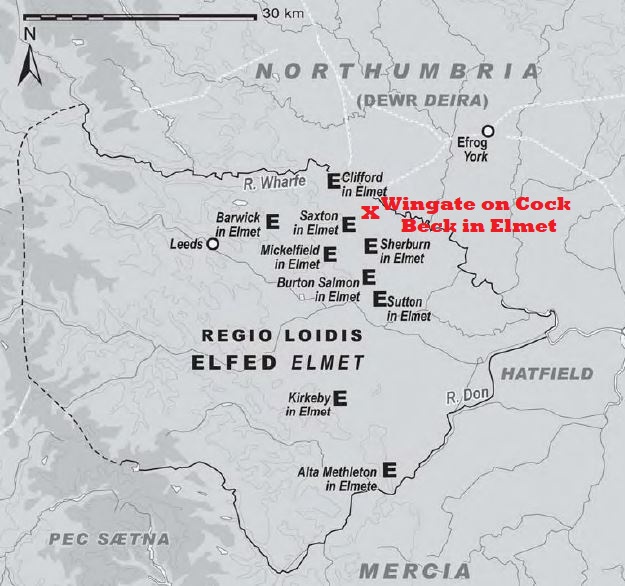
It was a British kingdom that abutted Saxon ones, but it was also a forest, according to Bede. It might have existed before the Romans came. Some many possibilities, but so little fact.Certainly it had its own rulers. However, we know of very few people from Elmet. Two of them were warriors mentioned in great the Welsh epic, Y Gododdon: Gwallog ap Leenog (ap meaning son of) and Madog Elfed. There was also a king of Elmet named Ceredig ap Gwallog. Bede mentions that after Gwallog’s “subsequent kings made a house for themselves in the district, which is called Loidis ” – the first written mention of the area that became Leeds, at least in a very general sense.

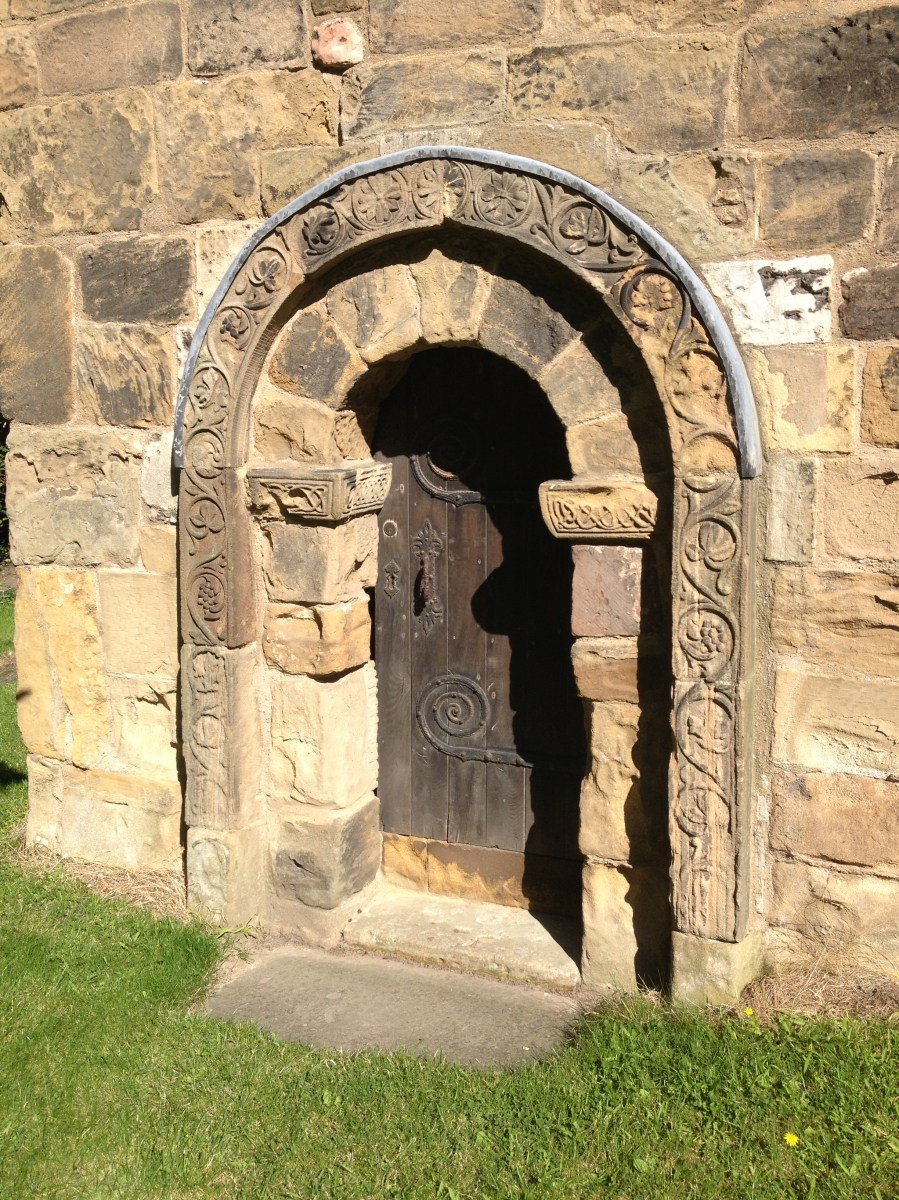
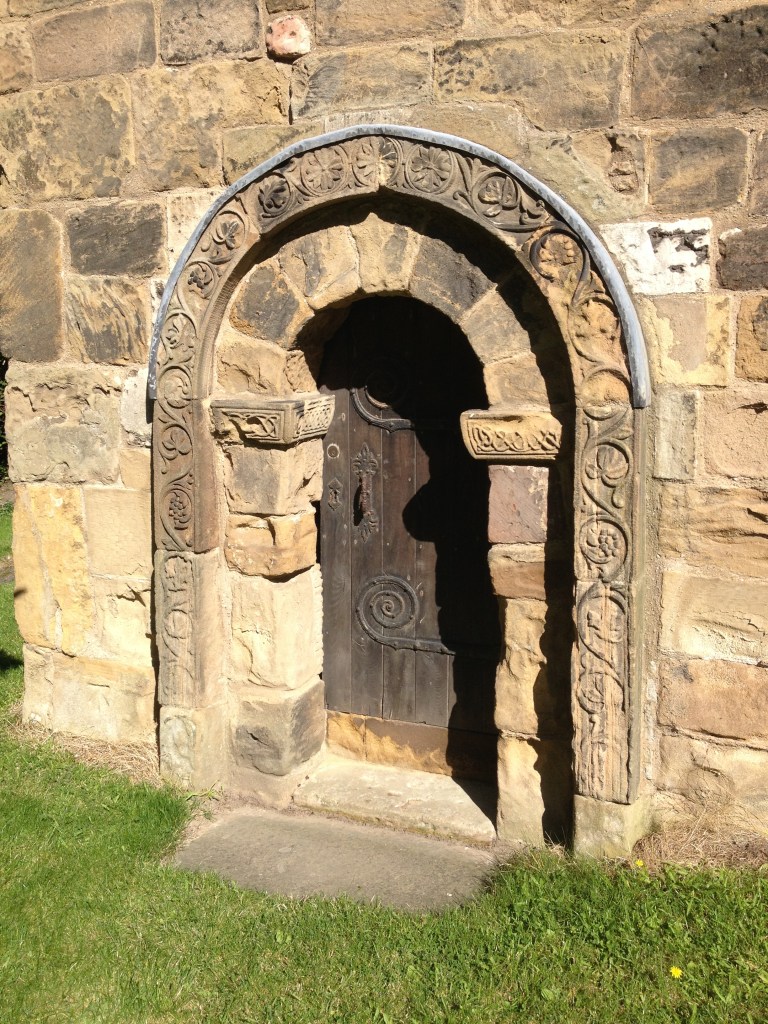
Bede also mentions “the monastery the lies in Elmet wood” and it’s possible that might be a reference to the ancient church at Ledsham. The south date, which leads into the west tower, dates from around 700 CE (making it the oldest building in West Yorkshire), and much of the original nave survives.
While there’s nothing to indicate Elmet’s origins, it seems virtually certain that it vanished somewhere after 616-17, thanks to Edwin of Northumbria, possibly by invitation, but it possibly by negotiation. Yet, as Bede shows, the Elmet name remained more than a century later.

It’s possible – but not substantiated – that it might have regained its independence after Edwin’s death and remained that way until Viking times, which might explain the names of the small towns.

Curiously, it received another mention in 1315 in a Florentine bill of sale for wool, where it’s curiously distinct from Leeds.

d’Elmetta (Elmet) 11 marks per sack

Di Ledesia (Leeds) 12½ marks per sack

di Tresche (Thirsk) 10½ marks per sack

de Vervicche (York) 10½ marks per sack.

I’m grateful to Lost Realms by Thomas Williams for some of the information here.

Some advertsing, I’m afraid. The holidays are coming, and books always make ideal gifts. If someone you like enjoys history and crime, why not buy them A Dark Steel Death, the most recent book in my Tom Harper series. They won’t be disappointed, I promise. Your local independent bookshop can order it or, you can find the cheapest price online here (with free UK shipping).

Thank you.
When Leeds Got Its Name

First of all, many thanks to those who came to the two panel events last week – nearly 100 of you in all. I hope you had a much fun as we did…

Ask the question “When was Leeds founded?” and every answer is going to be qualified with if and maybe and possibly.

It’s impossible to come up with a vague date, let along and exact one. But…if Bede’s Ecclesiastical History contains some truth, King Edwin built a church in Loidis in the early 600s – which was sacked a little later by Penda.

Now, Loidis could refer to a part of the British kingdom of Elmet, and Ledsham (part of the church there is ancient) and Ledston. But (a small word doing a lot of work), it’s believed that Loidis means ‘people who live by the river,’ which would be more likely to mean Leeds. If so, there would already have been some kind of settlement here, large enough to warrant a church.

It means, too, that Christianity had arrived, although the pagan Penda would interrupt that for a few years – he was defeated the battle of Winwaed, which might have been in Whinmoor, somewhere near to what’s now the big Arium council nursery in the 650s. You can still find a street or two named for him between Stanks and Whinmoor.

Again, we don’t know when Leeds first got a church. It was probably made of wood, and later rebuild, more solidly and lastingly, in stone. Nothing like the building we know today, or even the one the preceded it. It would have been far more modest in these Saxon times. No pews. Maybe a stone bench built into the west wall for those who couldn’t stand.

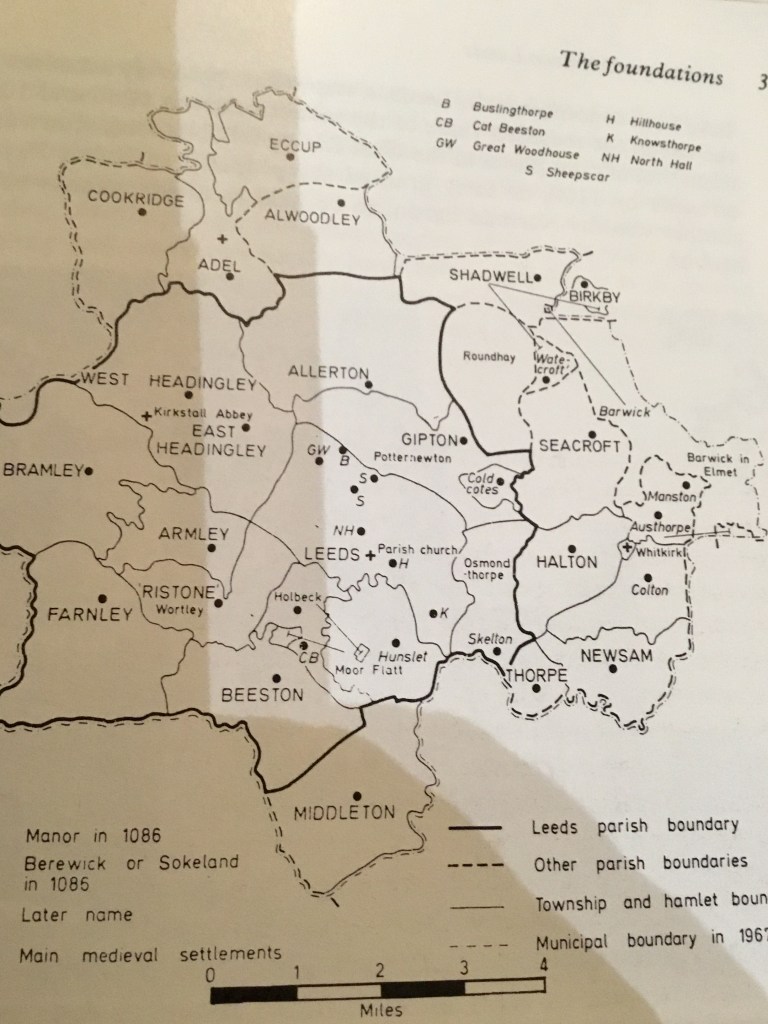
Leeds was also a parish, and it became a large and influential one, although it might not have begun quite so grandly. Certainly by Norman times it covered 32 square miles, taking in not only the village, but a host of surrounding communities.

We know about the Vikings arriving, in York from 866, if not earlier. Was there much pillaging in Leeds? Little evidence of it, and recent digging indicates they preferred East Yorkshire to the West Riding overall (no surprise, as the landscape is very reminiscent of Denmark). But they were here, they settled, intermarried.

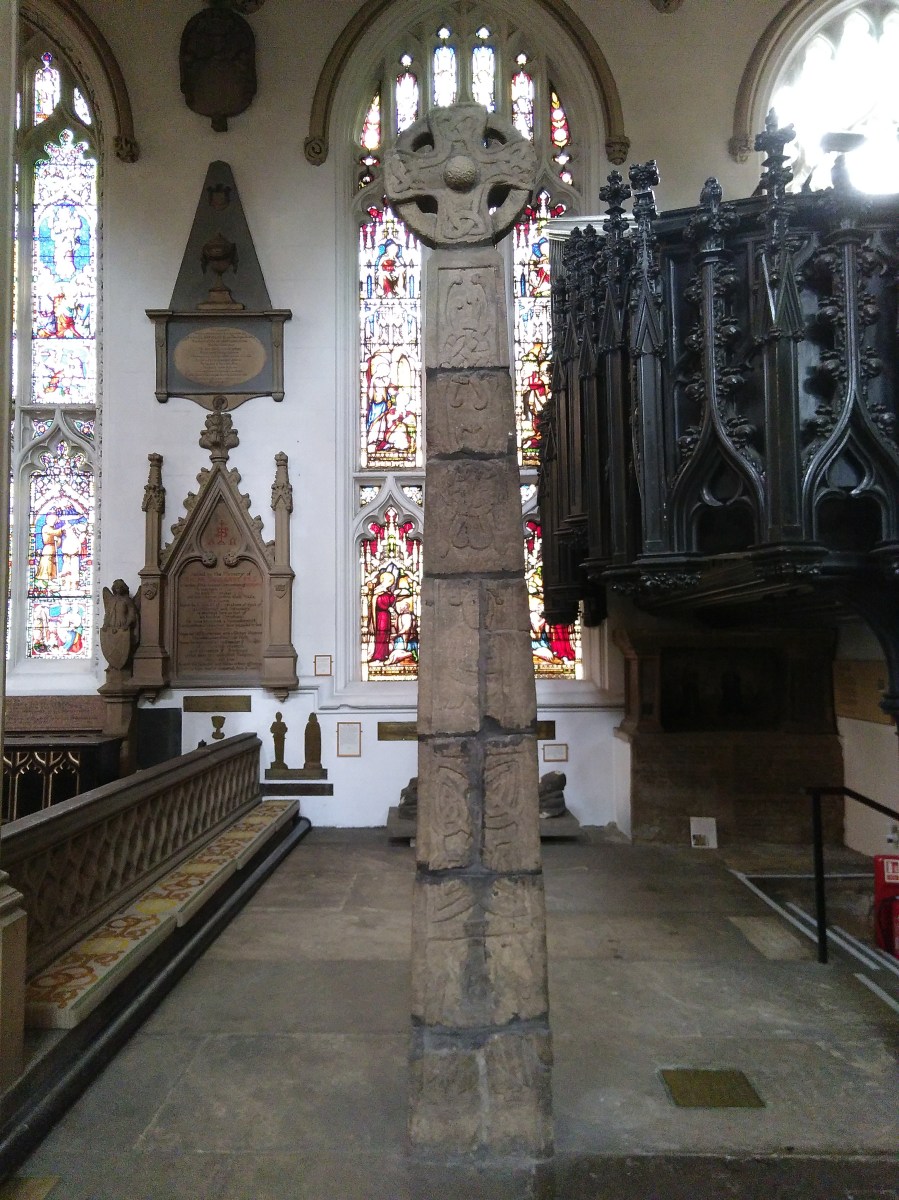
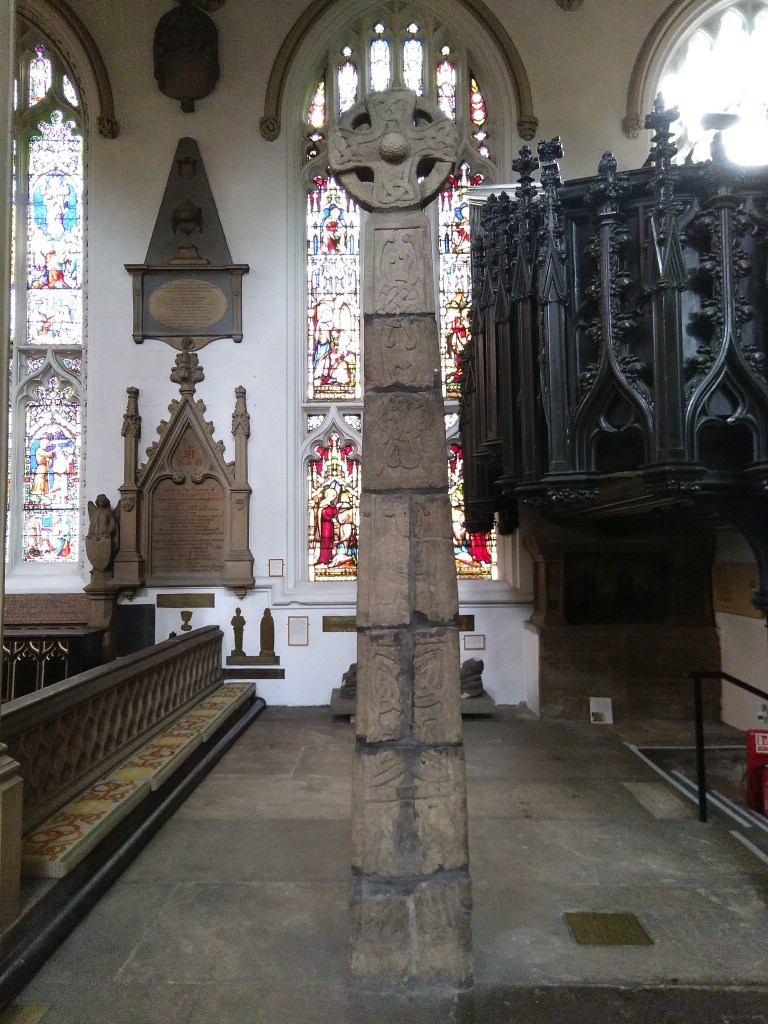
In the 10th century, Leeds stood on the edge of two kingdoms, a cross point, which elevated its status. There were also fives crosses standing outside the church. Not preaching crosses, because the time for those had passed. These were memorials to important people. They were carved and would have been covered in plaster and brightly painted; probably the only splash of colour in Leeds. Along with Christian imagery, there’s also a representation of Wayland the Smith from earlier times, a sign that old and newer religions could co-exist. What remained of the crosses was found in the call of the Parish Church when it was being torn down and rebuilt in 1838. Enough fragments remained to assemble a single cross, which now stands in the church.

Leeds might have hosted a saint in the 940s, by which time is was very much part of the Danelaw and under Viking control St Cathroe, or Cadroe, might have crossed from the kingdom of Cumbia to the kingdom of the Northmen here, where he was escorted to York to meet King Eric. Eric’s wife was supposedly Cathroe’s sister. However, Eric Bloodaxe was not the king in York at the time, and his wife was supposed to be Norwegian. On top of that, the crossing point is named as Loidam Civitatem, which evidently can be read as either Leeds or Carlisle.

While there are precious few artefacts from the Viking era, their presence here remains in some of the words we use every day, like beck, gate (street), kirk, and many more.

The legal administration was through the wapentake, more or less equivalent to the Saxon hundred. One was in Morley, the other in Headingley, called the skyrack, or shire oak. An ancient oak stood across from the pub of that name (outside the Original Oak) until it finally died in 1941.

After the Vikings, of course, came the Normans…and Loidis became Ledes (probably pronounced as two syllables, it would have sounded similar to today’s name for the place). By then, Leeds had a church, where it stands now, a tithe barn, mill, communal over, and somewhere between thirty and fort families living on the only street – Kirkgate.

I hope you’ll remember that my new book, A Dark Steel Death (set in 1917, not early Leeds) is out for you to buy or borrow from a library. Thank you.