Rogation Day Part 2

A number of you seemed to like the first part of Rogation Day, which I posted last week (if you missed it, catch up here). Here’s the second installment, and it appears to be turning into a serial. That’s both good and bad. I nered to keep it going and make sure there’s enough to keep you interested. But I’m also getting caught up in the tell of it and what might happen. No, honestly, I don’t know; I’m truly making it up as I go. But Elizabethan Leeds is a new era for me, so we’ll discover it together, shall we?

Meanwhile, on with Part 2…

            ‘Where should we take him, Gil?’ I was the inspector of the night watch; the decision and the investigation was mine.

            I thought for a moment. ‘The house of pleas,’ I said. Plenty of room to gather the witnesses and hear testimony and have a proper view of the corpse. ‘Everyone there and wait.’

            They made their way in twos and threes, reluctant to be a part of this. But this was murder, plain to everyone with eyes in their face.

            My mind was galloping. Men ended up in brawls, wounded in pain. That usually came after drinking. Straightforward crimes. This was going to be much harder.

     I strode out ahead of the others, back into Leeds along Mabgate, banging on Richard’s door once again before going in. I knew I’d find nothing, but I had to check.

            Tenche dead, Richard missing. I didn’t know of any connection between them, but there had to be something; I’d never believed in coincidence.

2

The body was laid out along the table and stripped, just a sheet for modesty. I’d sent for the coroner, Mr Bateson, to come and examine it, offer his judgement, and given a boy a farthing to gather the aldermen. I could hear voices outside as a crowd gathered, drawn by the horror of the news.

            ‘He was stabbed.’ Bateson’s words filled the expectant silence in the room. He was the apothecary, the only man in Leeds with any knowledge of medicine. ‘There, under his ribs.’ The man pointed it out for everyone to see before turning to me. ‘My fee?’
            God’s love. A lost life in front of him and all he could consider was a few pennies.

            ‘Send your bill,’ I told him. ‘You’ll be paid.’

            As soon as he’d gone, I raised my voice. ‘Any doubt this was murder?’ Nobody dissented.

            We needed to find the killer, and the reason. Tenche’s Catholicism, or his position as cloth searcher? Where was Richard? With each passing moment, my doubts grew.

Richard had never been in a fight, as peaceable a man as they came. A fine musician and a good carpenter; he’d completed his apprenticeship, never an argument with his master, and solid in his work. Our wives died within a year of each other, his Bertha in her childbed after a stillborn baby, my Lizzie taken by the sleeping sickness. Neither of us had remarried. We’d never discussed it, but I suspect our reasons were the same: we couldn’t face heartbreak again. Both of us were find alone, meeting two or three evenings a week to practice with the Waits or play for dances. A few drinks afterwards.

            Not a violent bone in his body. What had happened to him?

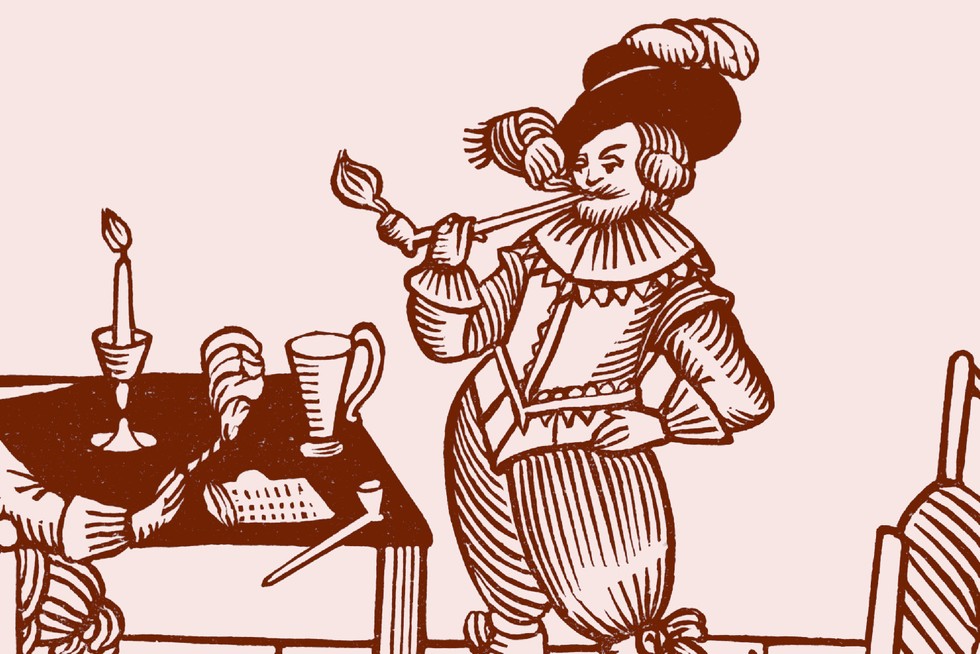
I noticed Alderman Sykes stood at the back of the hall, looking quizzically down at the floorboards, hat in his hand, the plumes fluttering as they caught the small breeze from the open window. He was well-dressed as ever, a black doublet, sleeves artfully slashed to display the blood red material beneath. Black hose and buckled shoes, a small white ruff around his neck. The starched pleats neatly ironed.

   I pulled off my cap as I approached him, bowing my head for a moment.

            ‘Good morrow to you, master.’

            ‘Hardly that with Tenche dead,’ he said.

            ‘It’s murder.’

            ‘I see.’         

‘We’ll need to tell his wife,’ I said.

            ‘I imagine she already knows,’ he replied. ‘Don’t you think the whole town will have heard by now, Gil Craven?’

            ‘Mrs Tenche might have information to guide us, sir.’

            ‘Possibly,’ he agreed after a few seconds’ consideration. ‘She’ll need to arrange the burial.’

            ‘You knew him well, didn’t you?’

            ‘I knew him,’ he said cautiously. ‘I wouldn’t say well.’

            In a town like Leeds, every face was familiar. With a little over three thousand souls, each day you saw the same folk day after day. Friendships, though, were different. I’d often seen Sykes and Tenche in the alehouses, heads together as they talked.

            ‘Do you think it had to do with his position?’ Sykes asked.

            ‘I don’t know, sir. That’s why I need to ask questions.’

            He nodded. Walter Tenche had been serving his year as cloth searcher. It was a position of honour among the merchants, voted by the others for his honesty and integrity. He examined the cloth offered for sale on Leeds Bridge on market days, every Tuesday and Saturday, making sure the quality of the worsted and northern dozens was high enough to be sold as Leeds cloth. We didn’t have guilds like York, so our merchants could sell more cheaply. The cloth searcher could refuse pieces and ensure the reputation of everything offered here was high. A dispute over that could well be a reason for murder.

            Sykes was a merchant. He’d been born to it. His father had made money in the wool trade and Charles Sykes has seen business expand. He’d built a stone loom house behind his home on Briggate, three apprentices working for him. A wealthy man with a heavy purse dangling from his belt, next to the sharp dagger in its sheath.

            He was very aware of his status in the town, but a good man for all that. Did he know about Tenche’s hidden Catholicism? Unless it was important, that was something I hoped to keep quiet; no need for it to taint him in death.

            ‘I’ll go and see his widow,’ Sykes said. I could see the calculation behind his eyes. He had three children, the oldest ten; his wife had died last year. Mrs Tenche had two young children of her own. Very soon she would need the protection and money of a husband.

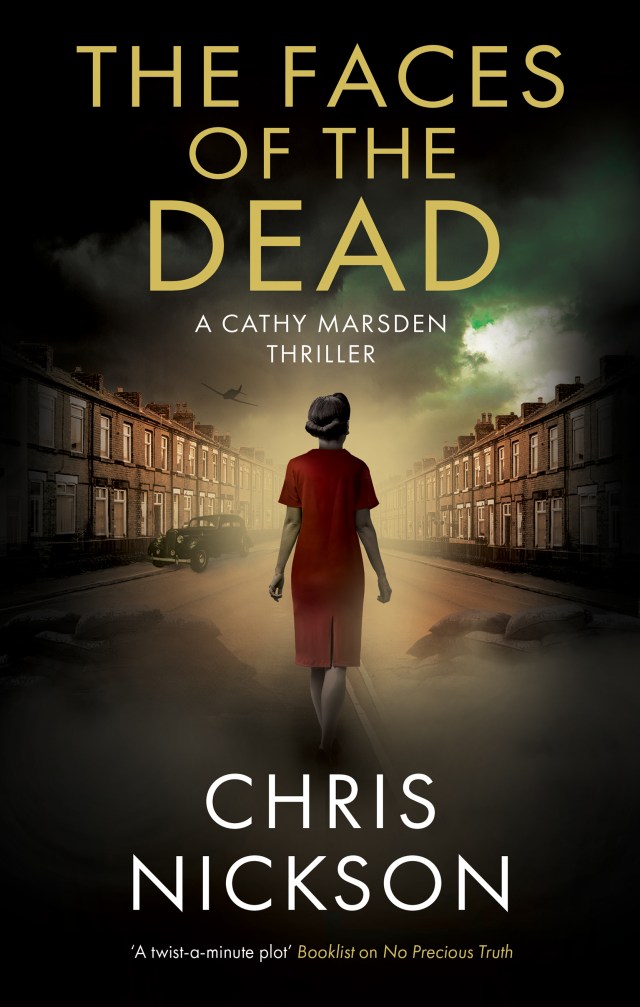
The third part will arrive in a week or two – if you want it. Meanwhile, both the Cathy Marsden WWII novels, No Precious Truth and The Faces Of The Dead are currently £1.99 on Kindle – the first is just 99p (free with Kindle Unlimited). That’s two books for around the price of a coffee. You’re not likely to find a better bargain this week. I truly hope you’ll but them – because they’re good. I sweated blood and tears over those books!
The Anchoress Of Chesterfield – A Taste

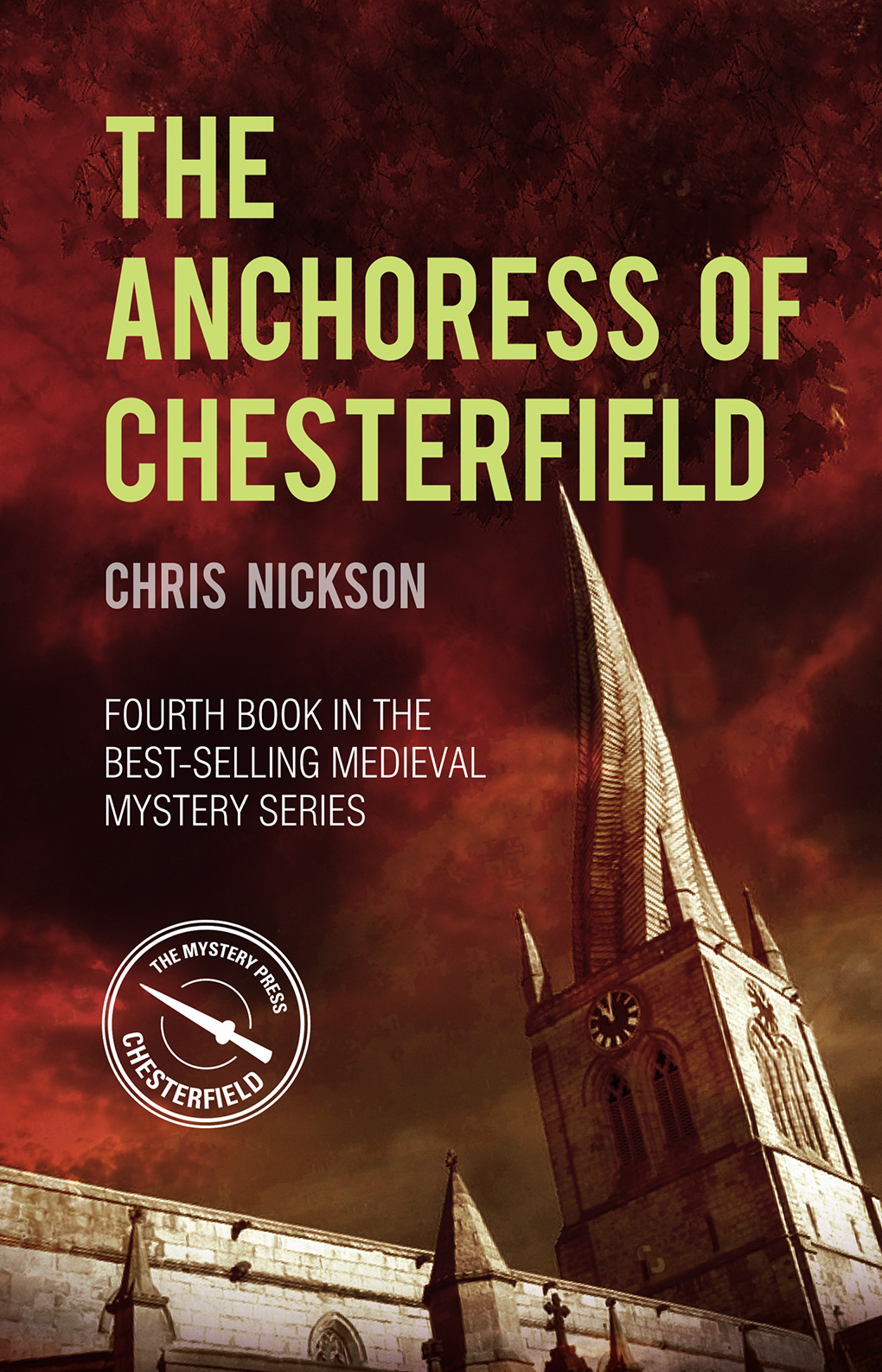
As most of you know, I write about Leeds. I bloody love Leeds. But I like NE Derbyshire too; I spent a few years living there, and I have a series set in medieval Chesterfield, featuring John the Carpenter. The fourth The Anchoress of Chesterfield, comes out June 1 (that’s the plan, anyway). Fancy a little bit of it? Oh, it’s available to order, and the ebook is cheap.

Chesterfield, September 1370


John felt the axe bite into the wood, deep enough for it to stay. He straightened up and stretched, then wiped the sweat from his face with an old piece of linen. Chopping the branches from a fallen tree was labour to make the muscles ache and moan in protest.

It had come down during the night, blocking the road that led north from Chesterfield to Sheffield. At first light the town bailiffs were out knocking on the doors, begging all the craftsmen and labourers in town for their help. Everyone with tools and a strong back. John the Carpenter had been one of the first, bringing his mute assistant, Alan. Soon a dozen men and more were working on the tree with axes and saws. It was an old, thick elm that had rotted at its core until the weight became too much and it had toppled.

Now the trunk lay in sections the height of a man, each one pushed to the side of the road. The only task remaining was to strip the branches, and they were almost done with that. John told Alan to fetch them ale from the jug a kindly goodwife had left. Only six men were still working. Themselves, three foresters who seemed locked into their labour, never joking or gossiping, and a farmhand, a sullen man sent along by his master who kept pausing to grumble.

The sun sat high in the sky. But it was September now, with none of the fierce heat that had burned his skin all summer and turned it the colour of tanned leather. A pleasant day, with the high clouds flitting and dancing above the fields.

At least he’d be paid for this, John thought. Fourpence, a full day’s wage. And there were one or two pieces of wood he might be able to scavenge and shape into things later, once business has ceased for the winter.

Truth be told, he was grateful for any money at all. It had been a meagre year. The only good thing was that the prayers of all in the town had been answered; no cases of plague in the heat of summer gave them all the hope that it might never return. He crossed himself at the thought.

For him, though, things had been hard. Two more joiners had moved to town and brought competition. Their work was rough and ready, they weren’t proper craftsmen; still, they were able to handle most jobs that had been his. Men who charged less than he did and took much of his business. Incomers. Silently, he laughed at himself.

John had been here for ten years now. He was married, he had three children. Much of the time he felt part of the fabric of Chesterfield. Still, to some who’d been born and raised here, he was as much an outsider as someone who’d arrived just the week before. Another decade and he still wouldn’t be a native to people like that.

He carefully pulled out his axe, wiped it with an oily rag and inspected the edge, running it along his thumb, before putting it back in the leather satchel. The tools he owned had once belonged to his father. They’d served the man well until he died in the Great Pestilence. God’s blood, that was more than twenty years ago now. A lifetime and more.

The hammer, the saw, the awl and everything else had kept John alive as he wandered from place to place, growing from a boy to a young man and learning to harness his natural feel for wood. Life on the roads had taken him to York; for several years he’d honed his craft there, constantly employed in the frenzy of church building until circumstances forced him to leave. Only after that had he ended up in Chesterfield.

This was home now. He was settled, he’d lived here longer than anywhere else. To anyone looking at his life, he was a success. He’d become a family man with all the responsibilities that brought. He had his business as a carpenter, he owned two houses, he employed one man. But he knew how readily appearances could deceive.

One of the properties, on Saltergate, had been in his wife Katherine’s family; she was the oldest child, she’d inherited it when her mother died. The other, around the corner on Knifesmithgate, had belonged to Martha, the old woman who was friend to them both. She’d willed him her house when she died two years before. By then John and his family were already living there, caring for the woman in her old age. Martha had stood godmother to two of their children and they’d named their younger daughter after her; her memory would live on in his family.

Both houses desperately needed work. They’d been ignored for too long. John had done what he could, but so much was beyond him. The roof at Martha’s old house leaked into the solar. It was going to need new slates before winter set in. If he left it for yet another year, the beams would begin to rot and it would be a much bigger, harder job. But a tiler would cost money he didn’t have in his coffer.

He rented out the Saltergate house. The amount it brought barely covered all the never-ending list of repairs.

The constant worry about money grew more pressing every month. It kept him awake long into the night and gnawed at his heart. No peace. The other day he’d seen his reflection in a pond, shocked at the way his hair was turning grey and the lines that furrowed his face.

This year it was coming to a head. He was going to have to make a choice. Unless something happened and a fortune tumbled into his lap, he’d have no choice but to sell one of the houses. And he had no faith in miracles. Not for a man like him.

He loved Katherine’s brother and sisters, but he was glad they were no longer part of the household. Fewer mouths to feed was a blessing when he had three children of his own. His brother-in-law Walter and his young bride were settled with her parents in Bolsover, while Katherine’s two sisters were in service on a farm near Holymoorside.

He sighed and began the walk back towards Chesterfield. It wasn’t far, no more than a few minutes away. The spire of the church soared high into the sky, visible for miles around, as clear and welcoming as any beacon.

He’d worked on that when he first arrived in the town. Only for a short time, though. After a few days John had found himself a suspect in a murder in the church tower, a stranger who needed to clear his name.

That had happened ten years ago. Where had the time gone? It happened when he first knew Katherine, before he’d become a husband and a father and all the things that had happened since. John felt the weight of his own history pressing down on his shoulders. What could he do except carry on? With God’s blessing, everything would be fine. He had to believe that. They’d all survive and prosper in His grace.

‘Who knows, maybe we’ll have work waiting for us in town,’ he told Alan, with the kind of hope he didn’t feel.

The lad was twelve now, as much a natural as a carpenter as John had been himself. He carried his own leather satchel of tools that banged against his back as he walked. He was growing into a tall young man with broad shoulders, his hands rough and thick with calluses from the work they did. Alan was old enough and certainly skilled enough to strike out on his own. But he was mute and he didn’t know how to write. His fingers were quick to make signs, but most people would never understand them. It was impossible for him to obtain work himself, and he needed to be with someone who wouldn’t take advantage of him. Six years before, the boy had started out as John’s apprentice and bit by bit the lad had learned everything he had to teach. Now he was… what could he call him, John wondered? An assistant? An equal? He clapped a hand down on the boy’s shoulder and watched the tiny flakes of wood rise from his battered tunic.

The road was dusty; they’d had no rain for over a fortnight. A few horses and carts passed them, and he could hear the sounds of the weekday market on the north side of the church as they climbed the hill. A town of stone and slate, of timber and limewash. Beautiful, in its own coarse way. Home.

Not too much more than a week and the annual fair would begin. It would be eight days of feasting, noise and entertainment, with all manner of goods for sale. Music and players, tumblers and jugglers. It would all begin with a service and blessing in church on the day of the exaltation of the Holy Cross. Already he could sense the excitement around town. Every year it was exactly the same. The children caught it first, dancing through the days in anticipation, then the fever started to affect the adults.

For a brief while, Chesterfield would feel like the most important, magical place in the kingdom. People came from all over for the fair. Not just the North, nor even England, but everywhere. John had met many from beyond the borders: Welshmen, Irishmen, even a Dane once, with his happy, sing-song accent; a German and a man from the lowlands of Holland. An entire world came to Chesterfield, bringing things beyond the locals’ imagination. Goods to buy, foods to taste. Minstrels and clowns to entertain. There would be merchants and goodwives shouting out their wares and displaying all the luxuries on offer. Everything from the ordinary to the exotic. His children were counting down the days. Foolishly, he’d promised Martha a length of ribbon from the fair. She’d remember, of course, but he had no idea how he’d be able to afford it for her. The worry of an empty scrip crowded his mind.

Before he went home he’d stop at the Guildhall and pick up his wage for today’s work. Four good pennies to spend on food. Katherine would be glad to see that. The garden behind their house had been fruitful this year, but the season was coming to an end and it didn’t offer them bread or milk or meat. Only the occasional hen that had grown too old to lay eggs.

He looked as Alan nudged him and pointed towards a man hurrying along with a forceful stride and a determined look in his eye. He was wearing a dark green woollen tunic bearing the coroner’s badge, he had a sword hanging from his belt, and he was coming directly towards them.

Pray God the man wasn’t seeking him. It couldn’t be good news if someone like that wanted him. Either something awful had happened, or the coroner wanted his help. Six years had passed since the last time that had happened. That was when de Harville was still alive and held the office of King’s Coroner. Katherine had always hated the idea of him working for the man. Three times it had happened, and he’d always undertaken the work reluctantly, but what choice did anyone have when a rich man in authority demanded his services? The last time he’d almost been killed. Enough, his wife insisted, and he’d been quick to agree.

Then de Harville died, and John was thankful that his successor, Sir Mark Strong, had chosen to go his own way. He had no desire to be tangled up in any of that again.

‘Are you John the Carpenter?’ the man asked as he came closer.

‘I am.’ He felt his heart sink.

‘The coroner would like you to attend him.’

‘Me?’ John asked. ‘Are you sure you have the right man? Why would he want me? I’ve never done any work for Coroner Strong.’

He knew the words were hopeless, but he had to say them, to try and ward all this off.

The man shrugged. He was well-muscled, with fair hair and a ruddy complexion, a pair of smiling blue eyes.

‘Nay, Master, I’m not the one to ask. I’m just the messenger. All I do is what I’m told, and my order was to come and fetch you. I don’t know what he wants. But I can tell you this: there’s a body at Calow and he’d like you to see it. You’re welcome to walk out with me if you choose.’

Calow? It was nothing more than a hamlet half a mile from the town. He could picture it in his mind: just three or four tumbledown little cottages and a tiny church with an anchoress’s cell. What could have happened out there to draw the coroner’s attention?

‘Is it a murder?’

The man shook his head. ‘Couldn’t tell you, Master. He gave me my order, that’s it.’

‘Who is it?’

‘I can’t say that, either. Coroner Strong will tell you himself, Master.’ His face flickered with impatience. ‘We should set off.’

anchoress comp 2 0993098