Free Book!

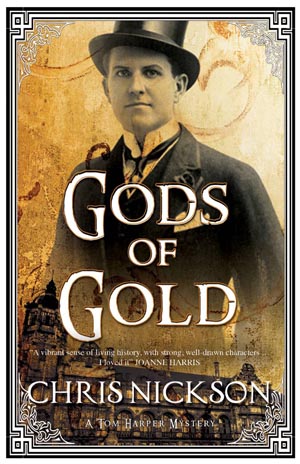
Want a free book? Of course you do. With Two Bronze Pennies now out I have a paperback copy of Gods of Gold, the first book in the Tom Harper series, to give away. Doesn’t matter where in the world you are, you can enter (not applicable to other planets).

All you have to do is tell me where in England Gods of Gold is set. You can reply by the contact on this site, Facebook private message, Tweet me in a direct message, any way you can get an answer to me. I’ll choose the winner of June 15. Good luck!

gog finalx

In Memory of the Leylands – it’s not always about the Great and the Good

Cities change. It’s their nature. They grow. The old comes down and the new rises up, taller, grander, glossier than ever. We hang on to bits of our history as slender reminders but we junk most of our past as if it was rubbish.

And fine, there’s much that should go. The slums are a prime example, those Brutalist office buildings (what were we thinking?), the tower blocks of flats that stand like abominations and threats to the idea of community. But, and it’s a big but, when we tear them all do, we lose sight of who we were and how we got here.

Several months ago I took a walk around Hunslet, Cross Green and on to Marsh Lane in Leeds, on the trail of my ancestors, addresses from census records. Some of the houses still exist – inner city, you’d call them now – but many more have vanished. Big swathes of Hunslet are now for business, not housing (factories and houses used to stand cheek by jowl in the 19th and early 20th century). The old places that remain are derelict, boarded up.

My upcoming book, Two Bronze Pennies, takes place largely in the Leylands, an area that no longer exists on any map of Leeds (much like the place known as the Bank, now Richmond Hill). It runs in a triangle from an area more or less north of Eastgate, bounded on one side by North Street (give or take), and on the other by Regent Street, meeting close to Sheepscar. It was a working-class area, and when Jewish immigrants arrived, this was where they settled, to the degree that it was almost a ghetto. Yiddish was the lingua franca there, the common European Jewish tongue that people of all nationalities used.

They came…and came…and came. In the early years of the 20th century, more than 10,000 of them were packed into the area. Prejudice meant they were safer together. Most worked in tailoring, in the sweatshops dotted around the Leylands, sewing for 12 or 15 hours a day, most of the garments for the big manufacturers who didn’t want to employ Jews in their factories. Male, female, young, old, everyone worked.

Those who acquired some money moved a little farther from the city centre, into Chapteltown – then very genteel and after that to Moortown, Roundhay, and Alwoodley. The relentless march of the middle classes. But human nature means that not everyone is a success. We don’t all make money.

At that time Leeds’ money was still based on manufacturing. We’d been one of the cradles of the Industrial Revolution, one of the great cities of Empire. But one war saw the decline of much of that, and a second was the nail in the coffin. Look at the skyline now and it’s dominated by office buildings, not chimneys. The houses in the Leylands were classified as slums – and indeed, they were – and finally all tumbled down. Those still living there moved out to new housing estates. Better living, less community.

And all that ground? You won’t find any houses in it. That memory has gone with the bricks. It’s small industry these days. The cries of children yelling in Yiddish on the street are a distant echo of memory. The Polish synagogue, the Great synagogue – they just exist in tales now.

These days it’s…anonymous. Of course, much of Leeds is becoming that way. More shiny shopping for the consumer-led economic recovery.

But if you didn’t know about it, you wouldn’t have a clue now that the Leyland ever existed. It’s been neatly erased from history by the planners, and with it so much of the city’s history, and the fact that the area gave sanctuary to people fleeing pogroms and seeking hope, a better life that many found.

It’s as if those people sitting and working out how our cities should look forgot that the biggest contribution to life isn’t made the those considered to be the great and the good. How can we know where we’re going if we choose to forget the path that brought us here?

You can read about Two Bronze Pennies here or read an extract here.

Two Bronze Pennies – A Short Extract

You know – don’t you? – that my second Tom Harper novel, Two Bronze Pennies, comes out in the UK at the end of April (August/September elsewhere). Much of it is set in the Leylands, that area just north of the city centre where most of the Jewish immigrants settled when they came to Leeds.

Just to whet your appetite, here’s the opening few pages. Tom, Annabelle, Billy Reed, the Victoria – a dead body and men speaking in Yiddish. Go on, you know you want to….

One

‘Have you heard a word I said, Tom Harper?’

‘Of course I have.’ He stirred and stretched in the chair beside the fireplace. ‘You were talking about visiting your sister.’

Annabelle’s face softened. ‘It’ll only be for an hour. We can go in the afternoon, after we’ve eaten.’

‘Of course,’ he told her with a smile. He was happy, finally at home and warm for the first time since morning.

He’d spent the day chasing around Leeds on the trail of a burglar, no closer to catching him than he’d been a month before. He’d gone from Burley to Hunslet, and never a sniff of the man. But it was better than being in uniform; half the constables had been on patrol in the outdoor market, cut by the December wind as they tried to nab the pickpockets and sneak thieves. It was still blowing out there, howling and rattling the window frames. As a police inspector, at least he could take hackney cabs and omnibuses and dodge the weather for a while.

Tomorrow he was off duty. Christmas Day. For the last five years he’d worked it. Not this time, though. Christmas 1890, the first together with his wife. He turned his head to look at her and the wedding ring that glinted in the light. Five months married. Annabelle Harper. The words still made him smile.

‘What?’ she asked.

He shook his head. ‘Nothing.’

He often glanced at her when she was busy, working in the kitchen or at her desk, going through the figures for her businesses. Sometimes he could scarcely believe she’d married him. Annabelle had grown up in the slums of the Bank, another daughter in a poor Irish family. She’d started work here in the Victoria public house and eventually married the landlord. Six years later, after he died, everyone advised her to sell. But she’d held on and kept the place, trusting her instincts, and she’d built it into a healthy business. Then she’d seen an opportunity and opened bakeries in Sheepscar and Meanwood that were doing well. Annabelle Harper was a rich woman. Not that anyone round here called her Mrs Harper. To them she’d always be Mrs Atkinson, the name she’d carried for so long.

Whatever they called her, she was his.

‘You look all in,’ she told him.

Harper gave a contented sigh. Where they lived, in the rooms over the pub, felt perfectly comfortable, curtains drawn against the winter night, the fire in the hearth and the soft hiss of the gas lights. He didn’t want to move.

‘I’m cosy,’ he said. ‘Come and give me a cuddle.’

‘A cuddle? You’re lucky I put your supper on the table.’

She stuck out her tongue, her gown swishing as she came and settled in his arms. He could hear the voices in the bar downstairs. Laughter and a snatch of song from the music halls.

‘Don’t worry,’ she told him. ‘I’ll send them on their way early tonight. They all have homes to go to. Then we can have some peace and quiet.’

But only for a few hours. Annabelle would be up before dawn, the way she always was, working next to the servants, stuffing the goose that was waiting in the kitchen, baking the bread and preparing the Christmas dinner. Dan the barman, the girls who worked for her, and God knew who else would join them at the table. They’d light candles on the tree, sing, laugh, exchange gifts and drink their way through the barrel of beer she’d set aside.

Then, after their bellies were full, the two of them would walk over to visit her sister, taking presents for Annabelle’s nieces and nephews. For one day, at least, he could forget all the crime in Leeds. Billy Reed, his sergeant, would cover the holiday. Then Harper would  return on Boxing Day, back to track down the damned burglar.

Annabelle stirred.

‘Did you hear that?’ she asked.

‘What?’

He gazed at her. He hadn’t heard a thing. Six years before, while he was still a constable, he’d taken a blow on the ear that left him partially deaf. The best the doctor could offer was that his hearing might return in time. But in the last few months, since autumn began, it had grown a little worse. Sometimes he missed entire sentences, not just words. His ear simply shut off for a few seconds. He’d never told anyone about the problem, scared that it would go on his record.

‘On the stairs.’

He listened. Still nothing. Then someone was knocking on the door. Before he could move, she rose swiftly to answer it.

‘It’s for you.’ Her voice was dark.

He recognized the young constable from Millgarth station. One of the new intake, his uniform carefully pressed, cap pulled down smartly on his head and face eager with excitement. Had he ever looked as green as that?

‘I’m off duty—’ he began.

‘I know, sir.’ The man blushed. ‘But Superintendent Kendall told me to come and fetch you. There’s been a murder.’

Harper turned helplessly to Annabelle. There’d be no visit to her sister for him tomorrow.

‘You go, Tom.’ She kissed him on the cheek. ‘Just come home as soon as you can.’

Two

The cold clawed his breath away. Stars shone brilliantly in a clear sky. He huddled deeper into his overcoat and pulled the muffler tight around his neck.

‘What’s your name?’ Harper asked as they started down the road.

‘Stone, sir. Constable Stone. Started three month back.’

‘And where are we going, Mr Stone?’

‘The Leylands, sir.’

Harper frowned. ‘Whereabouts?’

‘Trafalgar Street.’

He knew the area very well. He’d grown up no more than a stone’s throw from there, up on Noble Street. All of it poverty-scented by the stink of malt and hops from the Brunswick Brewery up the road. Back-to-back houses as far as the eye could see. A place where the pawnbrokers did roaring business each Monday as housewives took anything valuable to exchange for the cash to last until Friday payday.

In the last few years the area had changed. It had filled with Jewish immigrants; almost every house was packed with them, from Russia and Poland and countries whose names he didn’t know, while the English moved out and scattered across the city. Yiddish had become the language of the Leylands. Only the smell of the brewery and the lack of money remained the same.

‘Step out,’ he told the constable. ‘We’ll freeze to the bloody spot if we stand still.’

Harper led the way, through the memory of the streets where he used to run as a boy. The gas lamps threw little circles of light but he hardly needed them; he could have found his way in pitch blackness. The streets were empty, curtains closed tight. People would be huddled together in their beds, trying to keep warm.

As they turned the corner into Trafalgar Street he caught the murmur of voices. Suddenly lights burned in the houses and figures gathered on their doorsteps. Harper raised his eyes questioningly at Stone.

‘The outhouses, sir. About halfway down.’

The cobbles were icy; Harper’s boots slipped as he walked. Conversation ended as they passed, men and women looking at them with fearful, suspicious eyes. They were goys. Worse, they were authority.

They passed two blocks of four houses before Stone turned and moved between a pair of coppers, their faces ruddy and chilled, keeping back a small press of people. Someone had placed a sheet over the body. Harper knelt and pulled it back for a moment. A young man, strangely serene in death. Straggly dark hair, white shirt without a collar, dark suit and overcoat. The inspector ran his hands over the clothes, feeling the blood crusted where the man had been stabbed. Slowly, he counted the wounds. Four of them. All on the chest. The corpse had been carefully arranged, he noticed. The body was straight, the arms out to the sides, making the shape of a cross. Two bronze pennies covered the dead man’s eyes, the face of Queen Victoria looking out.

Harper stood again and noticed Billy Reed talking to one of the uniforms and scribbling in his notebook. The sergeant nodded as he saw him.

‘Do we know who he was?’

‘Not yet.’ Reed rubbed his hands together and blew on them for warmth. ‘Best as I can make out, that one found him an hour ago. But I don’t speak the lingo.’ He nodded towards a middle-aged man in a dark coat, a black hat that was too large almost covering his eyes. ‘He started shouting and the beat bobby came along. They called me out.’ He shrugged. ‘I told the super I could take care of it but he wanted you.’ His voice was a mixture of apology and resentment.

‘It doesn’t matter.’

It did, of course. He didn’t want to be out here with a corpse in the bitter night. He’d rather be at home with his wife, in bed and feeling the warmth of her skin. But Kendall had given his orders.

The man who’d found the body stood apart from the others, head bowed, muttering to himself. He scarcely glanced up as Harper approached, lips moving in undertone of words.

‘Do you know who the dead man is?’ he asked.

Er iz toyt.’ He’s dead.

‘English?’ the inspector asked hopefully, but the man just shook his head. He kept his gaze on the ground, too fearful to look directly at a policeman.

Velz is dayn nomen?’ The Yiddish made the man’s head jerk up. What’s your name?

‘Israel Liebermann, mayn ir,’ the man replied nervously. Sir. Growing up here it had been impossible not to absorb a little of the language. It floated in the shops and all around the boys that played in the road.

Ikh bin Inspector Harper.’

A hand tapped him on the shoulder and he turned quickly to see a pair of dark eyes staring at him.

‘What?’ He had the sense that the man had spoken; for that moment he hadn’t heard a word. He swallowed and the world came back into both ears.

‘I said it was a good try, Inspector Harper. But your accent needs work.’ The voice was warm, filled with kindness. He extended his hand and Harper took it.

‘I’m Rabbi Feldman.’

The man was dressed for the weather in a heavy overcoat that extended almost to his feet, thick boots, leather gloves and a hat pulled down to his ears. A wiry grey beard flowed down to his chest.

A gust of wind blew hard. Harper shivered, feeling the chill deep in his marrow.

‘If you think this is cold, you never had a winter in Odessa.’ The rabbi grinned, then his face grew serious. ‘Can I help at all?’

‘Someone’s been murdered. This gentleman found him.’

Feldman nodded then began a conversation in Yiddish with Liebermann. A pause, another question and a long answer.

He’d heard of the rabbi. Everyone had. Around the Leylands he was almost a hero. He was one of them; his family had taken the long march west, all the way to England, when the pogroms began. He understood their sorrows and their dreams. In his sixties now, walking with the help of a silver-topped stick, he’d been head of the Belgrave Street Synagogue for over ten years. He taught in the Hebrew school on Gower Street and met with councillors from the Town Hall. He was man of mitzvahs, good deeds. Portly and gentle, with quiet dignity, he was someone in the community, a man everybody respected.

‘He says he needed the outhouse just before ten – he’d looked at his watch in the house so he knew what time it was. He put on his coat and came down.’ Feldman smiled. ‘You understand, it’s cold in these places. You try to finish as soon as possible. When he was done he noticed the shape and went to look. That’s when he began to yell.’

‘Thank you,’ Harper said, although it was no more than they already knew.

‘Murder is a terrible business, Inspector.’ The man hesitated. ‘Is there anything else I can do?’

‘We still don’t know the name of the dead man.’

‘May I?’ Feldman gestured at the corpse. Harper nodded and one of the constables drew back the sheet again.

Mine Got.’ He drew in his breath sharply.

‘Do you know him?’

It was a few seconds before the rabbi answered, staring intently at the face on the ground. Slowly he took off the hat and tugged a hand through his ragged white hair.

‘Yes, Inspector,’ he said, and there was the sadness of lost years in his voice. ‘I know him. I know him very well. I gave him his bris and his bar mitzvah. He’s my sister’s son.’

His nephew. God, Harper thought, what a way to find out.

‘I’m sorry, sir. Truly.’

The man’s shoulders slumped.

‘He was seventeen.’ The rabbi shook his head in disbelief. ‘Just a boychik. He was going to be the one.’ Feldman tapped a finger against the side of his head. ‘He had the smarts, Inspector. His father, he was already training him to run the business.’

‘What was his name, sir? I need to know.’

‘Abraham. Abraham Levy.’ The rabbi rummaged in a trouser pocket, brought out a handkerchief and wiped his eyes. ‘Why?’ he asked quietly. ‘Why would someone kill anyone who was so young?’

And Two Bronze Pennies is now available to order ahead of its publication on April 30. Follow this link.

Behind the Gods of Gold

I’d always said I’d never write a Victorian crime novel. I was certain of it. With so many already out there, what was left to add?
But somehow, I reckoned without Leeds tapping me on the shoulder.
Walk through the city and the Victorian era doesn’t just echo. It roars. It’s a time you can literally reach out and touch. The city’s architectural jewels are its grand Victorian buildings – the Town Hall, the Corn Exchange, and the solid, powerful edifices put up by the banks and insurance companies. They were the bricks and mortar promises of solidity, propriety and prosperity. A reminder of when this was one of the industrial powerhouses of the British Empire. And at the other end of the scale, the back-to-back houses in places like Harehills and Kirkstall stand as brusque accusations of the poverty so rife back then.
A world away, yet still close enough to be a very real part of today. But I wasn’t interested.
Then Leeds gave me the tale of its Gas Strike.
By 1890, the workers had begun to organise. The unions had were gaining strength. And that year, with the Leeds Gas Strike, they showed their power. Their terms of work changed by the council, wages cut, jobs slashed, the gas workers had no choice but to walk out. ‘Replacement workers’ were drafted in from Manchester and London to stoke the furnaces and keep the gas flowing. But they didn’t know they’d have to face a mob thousands strong. In fact, they’d been recruited under false pretences, believing they’d be employed at a new works. As soon as they discovered the truth, most abandoned their posts. The lights were flickering. Factories were closing. Within three days the strikers had their victory. For austere times it was an glorious story: the workers won.
I was intrigued. This might be a tale worth telling.

Reading more about the strike led to Tom Maguire. He was a young labour activist in Leeds, still in his middle twenties in 1890, a believer who helped build the labour movement, and became one of the founders of the Independent Labour Party. More than that, he was a poet (it’s a line from one of his works that gives Gods of Gold its title) who died in poverty in 1895 – yet thousands reportedly lined the roads as his coffin was taken to the cemetery.
There was definitely something here. But it needed something more personal to tip the scales and make me renege on my no-Victorian promise.
A couple of years ago I wrote a short story that took its inspiration from Atkinson Grimshaw’s dark, evocative painting Reflections On The Aire: On Strike, Leeds 1879. It shows the river, almost empty of ships, and a woman standing alone on the bank, clutching a bundle. Annabelle Atkinson. That was what I called her. And even then I knew we had unfinished business. She was too powerful, too vibrant a character to ever be satisfied with a single, brief appearance.
But she bided her time. It was only when I was researching the Gas Strike that she came and sat beside me in a swish of velvet.
‘I know all about this, luv,’ she said with a smile. ‘I was there, remember? Do you want me to tell you about it?’
So Annabelle introduced me to her fiancé, Detective Inspector Tom Harper, and the other characters in her life. We strolled along the streets of Hunslet and the Leylands together, drank in the Victoria in Sheepscar, were jostled by the crowds on Briggate and window-shopped in the Grand Pygmalion on Boar Lane. We sang along with the music hall tunes they loved – “My Old Man,” “Sidney The One-Week Wonder,” “’Enerey The Eighth”.
After that, how could I walk away?
Especially when with them came the ghosts of my own family, of Isaac Nickson who brought his wife and children to Leeds from Malton in the 1820s, of his descendants – William, John William, Harold Ewart – and the stories they had to tell me.
I couldn’t refuse. I didn’t even have a choice any more.
‘Tom Harper pounded down Briggate, the hobnails from his boots scattering sparks behind him…’

Tomorrow: Gods of Gold

It’s been a long time coming, but tomorrow is the publication day for Gods of Gold (buy it, please!). Today, as the final teaser, how Tom Harper met Annabelle Atkinson:

She’d been collecting glasses in the Victoria down in Sheepscar, an old apron covering her dress and her sleeves rolled up, talking and laughing with the customers. He thought she must be a serving girl with a brass mouth. Then, as he sat and watched her over another pint, he noticed the rest of the staff defer to the woman. He was still there when she poured herself a glass of gin and sat down next to him.
‘I’m surprised those eyes of yours haven’t popped out on stalks yet,’ she told him. ‘You’ve been looking that hard you must have seen through to me garters.’ She leaned close enough for him to smell her perfume and whispered, ‘They’re blue, by the way.’
For the first time in years, Tom Harper blushed. She laughed.
‘Aye, I thought that’d shut you up. I’m Annabelle. Mrs Atkinson.’ She extended a hand and he shook it, feeling the calluses of hard work on her palms. But there was no ring on her finger. ‘He’s dead, love,’ she explained as she caught his glance. ‘Three year back. Left me this place.’
She’d started as a servant in the pub when she was fifteen, she said, after a spell in the mills. The landlord had taken a shine to her, and she’d liked him. One thing had led to another and they’d married. She was eighteen, he was fifty, already a widower once. After eight years together, he died.
‘Woke up and he were cold,’ she said, toying with the empty glass. ‘Heart gave out in the night, they said. And before you ask, I were happy with him. Everyone thought I’d sell up once he was gone but I couldn’t see the sense. We were making money. So I took it over. Not bad for a lass who grew up on the Bank, is it?’ She gave him a quick smile.
‘I’m impressed,’ he said.
‘So what brings a bobby in here?’ Annabelle asked bluntly. ‘Something I should worry about?’
‘How did you know?’
She gave him a withering look. ‘If I can’t spot a copper by now I might as well give up the keys to this place. You’re not in uniform. Off duty, are you?’
‘I’m a detective. Inspector.’
She pushed her lips together. ‘Right posh, eh? Got a name, Inspector?’
‘Tom. Tom Harper.’
He’d returned the next night, and the next, and soon they started walking out together. Shows at Thornton’s Music Hall and the Grand, walks up to Roundhay Park on a Sunday for the band concerts. Slowly, as the romance began to bloom, he learned more about her. She didn’t just own the pub, she also had a pair of bakeries, one just up Meanwood Road close to the chemical works and the foundry, the other on Skinner Lane for the trade from the building yards. She employed people to do the baking but in the early days she’d been up at four each morning to take care of everything herself.
Annabelle constantly surprised him. She loved an evening out at the halls, laughing at the comedians and singing along with the popular songs. But just a month before she’d dragged him out to the annual exhibition at Leeds Art Gallery.
By the time they’d arrived, catching the omnibus and walking along the Headrow, it was almost dusk.
‘Are you sure they’ll still be open?’ he asked.
‘Positive,’ she said and squeezed his hand. ‘Come on.’
It seemed a strange thing to him. How would they light the pictures? Candles? Lanterns? At the entrance she turned to him.
‘Just close your eyes,’ she said, a smile flickering across her lips. ‘That’s better.’ She guided him into the room at the top of the building. ‘You can open them again now.’
It was bright as day inside, although deep evening showed through the skylights.
‘What?’ he asked, startled and unsure what he was seeing.
‘Electric light,’ she explained. She gazed around, eyes wide. ‘Wonderful, eh?’ She’d taken her time, examining every painting, every piece of sculpture, stopping to glance up at the glowing bulbs. Like everything else there, she was transfixed by the light as much as the art. To him it seemed to beggar belief that anyone can do this. When they finally came out it was full night, the gas lamps soft along the street. ‘You see that, Tom? That’s the future, that is.’

Dickens, Chandler and Me

Heading swiftly towards the end of the year and I find myself reflecting on some of the things from the past twelve months. In writing, at least, two stand out – doing things I’d never imagined. In one case something I swore I’d never do.

A Victorian mystery? Why would I want to do that? After all, everyone and his brother (and sister) has written one. I’ve never been a fan of the Victorians. And yet…I have one coming out in April called Gods of Gold.

I blame Leeds history. I started reading about the Leeds Gas Strike of 1980, when the workers took on the council and won, and realised that people should know about this. And then I thought about a family story, one my father told me, about the landlady of the Victoria in Sheepscar (now no longer there). I’d featured her in a story before, after a fashion (and she’s in this Christmas story I wrote for Leeds Book Club this year). From there I started to dig deeper into 1980 Leeds and realised how fascinating it was. The start of organised working-class politics in this country. I wanted to write about that, too.

So all the old vows were washed away. I wanted to take people to that time, to feel the excitement, the poverty, the power and grandeur of a city hitting the peak of its power – and also into the underclass.

And then there’s the 1950s. I was born in that decade, close to the middle of it. But the more I read about it, the more I understood that I didn’t know. I’d assumed a great deal that was wrong. It began to intrigue me more and more.

I’ve always been a fan of good private detective stores – Chandler, Hammett, Ross MacDonald, etc. – and I’d enjoyed a TV show back in the ‘60s called Public Eye, about a rather down-at-heel British private detective. But there’d been little set in the 1950s about an enquiry agent, as they were known. Not in an English provincial town. That was a thought. One that blossomed.

I’m now revising that book, and I’ve discovered that I’ve ended up with ‘50s English provincial noir. Where will it go? That’s yet to be seen. But I guess I’ll find out. No title yet…

So it’s been a year of Dickens (okay, not really, he was long gone by 1890), Chandler and me. Funny how those things happen, isn’t it?

Yes, It’s Victorian (Part 2)

Last time I put up the beginning of a Victorian novel I’m working on. Here – hopefully for your pleasure – is a bit more. The last I’ll be putting online, because a) I’m still writing the book, and b) because I want some to publish it, which won’t happen if I give it all away here. So, please, let me know what you think:

CHAPTER THREE


In the end he was five minutes late, dashing along Boar Lane, past Holy Trinity Church to meet her in front of the Grand Pygmalion. Sergeant Tollman had wanted a quick word that stretched out to ten minutes, then a detective constable needed a piece of advice until he’d been forced to run the whole way.

            “I’m sorry,” he said, gasping for breath. She stood with her back to one of the grand glass windows, the shade od a wide hat hiding her expression.

            “I don’t know, it could mean the engagement’s off. I can’t have a man who’s never on time.” He looked up quickly. But Annabelle Atkinson was smiling, her eyes playful. “You’re going to have to do better than this, Tom Harper.”

            “I…” he began, and she laughed.

            “Oh give over, you daft ha’porth. It took me six months to get you to propose. I’m used to you being late, I’m not doing to drop you now.” She leaned forward and kissed his cheek. “If you want to make yourself useful you can carry these.”

            “Six packages?” Harper asked. “What have you been doing, buying half of Leeds?”

            “Just things a girl needs when she’s going to be wed. I could have waited for you before I started shopping, if you’d rather.”

            “No,” he replied hastily. “It’s fine.” He’d been in the Pygmalion when it opened. Four floors of draperies, parasols and sailor suits, and more assistants than he could shake a stick at. Nothing to interest him at all.

            “Come on, then, we’d better get a move on. It’s Saturday and I said I’d help out tonight. We’ll be packed and I want a bite of something first.” She waited until he had all the packages and set off along the street, her arm through his.

            He saw men glancing at her. She had that kind of face. Not beautiful, no Jenny Lind or Lily Langtry, but she possessed a quality that drew the eyes. The first time he’d seen her he’d been like that himself, staring for a second before turning away, then looking again and again until she’d stopped in front of him and boldly asked if he liked what he saw.

            She’d been collecting glasses in the Victoria down in Sheepscar, an old apron covering her dress and her sleeves rolled up. At first he thought she must be a serving girl with a brass mouth. Then, as he sat and watched her over another pint, he noticed the rest of the staff defer to the woman. He’d still been there when she poured herself a glass of gin and sat down next to him.

            “I’m surprised those eyes of yours haven’t popped out on stalks yet,” she told him. “You’ve been looking that hard you must have seen through to me garters.” She leaned close enough for him to smell her perfume and whispered. “They’re blue, by the way.”

            For the first time in years, Tom Harper blushed. She laughed.

            “Aye, I thought that’d shut you up. I’m Annabelle. Mrs. Atkinson.” She extended a hand and he shook it, feeling the calluses of hard work on her palms. But no ring. “He’s dead, love,” she explained. “Three year back. Left me this place.”

            She’d started as a servant when she was fifteen, after a spell in the mills. The landlord had taken a shine to her, and she’d liked him. One thing had led to another and they’d married. She’d been eighteen, he was fifty. After eight years together, he’d died.

            “Woke up and he were cold,” she said, toying with the empty glass. “Heart gave out in the night, they said. And before you ask, I were happy with him. Everyone thought I’d sell up once he was gone but I couldn’t see the sense. We were making money. So I took it over. Not bad for a lass who grew up on the Bank, is it?” She gave him a quick smile.

            “I’m impressed,” he said.

            “So what brings a bobby in here?” Annabelle asked bluntly. “Something I should worry about?”

            “How did you know?”

            She gave him a withering look.

            “If I can’t spot a policeman by now I might as well give up the keys. You’re not in uniform. Off duty, are you?”

            “I’m a detective. Inspector.”

            “That’s posh. Got a name?”

            “Tom. Tom Harper.”

            He’d come back the next night, then the next, and soon they’d started walking out together. Shows at Swan’s and the Grand, walks up to Roundhay Park on a Sunday for the band concerts. Slowly, as the romance began to bloom, he’d learned more about her. She didn’t just own the pub, she also had a pair of bakeries, one just up Meanwood Road near the chemical works and the foundry, the other on Skinner Lane for the trade from the building yards. Now she employed people to do all the baking but in the early days she’d been up at four every morning to take care of everything herself.


“You’re off with the fairies again,” she said, nudging against him.

            “Just thinking.”

            “You’re always thinking.” She smiled and shook her head. “Be careful, you’ll wear out your brain.”

            They were strolling out along North Street, through the Leylands, the sun pleasant. Omnibuses passed them with the click of hooves and the rhythmic turn of the wheels, a few empty carts heading back to the stables, but the area was quiet. There’d be little noise before sunset, he thought. All the Jews would be at home for the Sabbath. He’d grown up less than a stone’s throw away, over on Noble Street, all sharp cobbles and grimy brick back-to-backs, like every other road he’d known; nothing noble about it at all. Back then there’d been no more than a handful of Jewish families around, curiosities all of them with strange names like Cohen and Zermansky. The woman all had dark, fearful eyes and the men wore their full beards long, coming out with torrents of words in a language he didn’t understand. Twenty years on and the Leylands was full of them, working every hour God sent, sewing clothes in their sweatshops. He’d be willing to bet there was more Yiddish spoken round here these days than English.

            “What do you want to do tomorrow, Tom?” Annabelle asked.

            He shrugged; he hadn’t even given the next day a thought, although it was the only one they could spend together.

            “The Park?” he suggested.

            “Aye, if it stays like this.”

            “I’m off Monday, too. Until the evening.” He hesitated. “After that I might not be around for a few days.”

            “The gas?”

            “Yes.”

            “You just look after yourself. I’m not dragging a corpse to the register office come August.”

            “I’ll be fine, don’t you worry.”

            “Anyone hurts you they’ll have to deal with me,” she warned and he believed her. If that didn’t make him safe, nothing would.


He was back in his lodgings by ten and in bed by half past. In the morning he’d write to his sisters and tell them he was getting married. Then there’d be the visits as they swooped in from Bramley, Otley and Chapel Allerton to inspect the bride. But he’d worry about that when it happened.

            The banging woke him from a dream that vanished like smoke as he opened his eyes. He struggled into his dressing gown and opened the door. Mrs. Gibson, his landlady, wide-eyed and shocked at the disturbance, stood here, a policeman with a long face  behind her.

            “I let him in, Mr. Harper. He says he’s a policeman.”

            “He is, Mrs, Gibson. Don’t worry.” What else would he be, Harper thought irritably, wandering round in uniform in the middle of the night?

            She scurried away. He waited until he heard her door close and said,

            “What is it?”

            “You wanted to know about Col Parkinson, sir.”

            “Has he tried to flit?”

            “No,” the constable answered slowly. “He’s dead.”

Yes, it’s Victorian

I always said I’d never write anything set in Victorian times. More fool me; I should know better than to use the word never. But that was before I started reading more about the Leeds Gas Strike of 1890. It’s one of those rare occasions when the strikers prevailed and that alone is enough to make it inspirational. And then, long taken with a picture by Leeds artist Atkinson Grimshaw, a story named Annabelle Atkinson and Mr. Grimshaw appeared from nowhere. I liked Annaballe; she installed herself in my head and wouldn’t go away. Then I began seeing a man running down Victorian Briggate, with its horse-drawn trams and Hansom cabs. And a new tale began nagging at me. This is the beginning of it – I’ve only completed 16,000 words so far, but all you’re getting is a snippet. What I’d like is your opinion, please…

ONE


Tom Harper pounded down Briggate, the hobnails from his boots scattering sparks behind him. He pushed between people, not even hearing their complaints as he ran on, eyes fixed on the man he was pursuing.

            “Police!” he yelled. “Stop him!”

            They didn’t, of course they didn’t, but at least they parted for him. At Duncan Street he slid between a cart and a tram that was turning the corner. His foot slipped on a pile of horse dung and he drew in his breath sharply. Then the sole gripped again.

            Harper ducked in front of a Hansom cab, steadying himself with a hand on the horse’s neck, feeling its breath hot against his ear for a second, then plunged on. He was fast but the man in front was even faster, stretching the distance between them.

            His lungs were burning. Without thinking, he glanced across at the clock on the Ball-Dyson building. Half past eleven. He forced his feet down harder, arms pumping like a harrier.

            As they reached the bridge the man leapt into the road, weaving between the traffic. Harper followed him, squeezing sideways between a pair of omnibuses, seeing the passengers stare at him in astonishment. Then he was free again, rushing past the row of small shops and watching the man disappear round the corner onto Dock Street.

            By the time he arrived the street was empty. He stood, panting heavily, unable to believe his eyes. The man had vanished. Nothing, not even the sound of footsteps. To his left, a cluster of warehouses ran down to the river. Across the road the chimneys of the paper mill belched its stink into the air. Where had the bugger gone?


He’d had been up at Hope Brothers, barely listening as the manager described a shoplifter, his mouth frowning prissily as he talked. Outside, the shop boy was lowering the awning against the May sun.

            He scribbled a word or two in his notebook. It should be the beat copper doing this, he thought. He was a Detective Inspector; he should be doing something worthwhile. But one of the Hopes lived next door to the new Chief Constable. A word or two and the Superintendent had sent him down here with an apologetic shrug of his shoulders.

            Then Harper heard the shout and dashed out eagerly, the bell tinkling as he threw the door wide. Further up Briggate a man was gesturing and yelled,

            “He stole my wallet!”

            That was all he needed. Inspector Harper began to run.


He tipped the hat back and wiped the sweat off his forehead. Where was the sod? He could be hiding just a few yards away or off beyond a wall and clear away in Hunslet by now. One thing was certain, he wasn’t going to find him. Harper straightened his jacket and turned around. What a bloody waste of a morning.

            He paused on the bridge, lighting a Woodbine and looking down at the river. Barges stood three deep against the wharves, men moving quickly and surely along the gangplanks, their backs bent under heavy loads. It was a hard way to earn a day’s pay, but what wasn’t?

            On either side of the Aire the factories were busy, smoke rising to cloud the sun. A trace of deep blue floated on the water from the indigo works upstream, bright against the dull grey. The bloated corpse of a dead dog sailed past it, carried by the current. He watched it until it passed from sight.

            Briggate was busy with Saturday couples, in from the suburbs and parading in their best. The men were shaved so close their cheeks looked pink and prosperous, their wives showing off their bright summer dresses, freshly laundered by a servant at home in Headingley or Roundhay or wherever they lived.

            He wasn’t in a mood to see any more smug faces. Instead he cut through Queen’s Court, where washing was strung out between the crumbling old houses to dry, hopeful of a glint of sunlight. A barefoot boy threw a ball against the wall, concentrating furiously on catching it. The ball slipped from his hand and rolled towards Harper. He picked it up and tossed it back, the boy grinning as he pulled it out of the air.

            He cut through the ginnels, someone singing a song beyond a door, and came out by the Corn Exchange., strode quickly across the market with a wave and a wink to the girls working behind the stall at Mr. Marks’ Penny Bazaar and across to Millgarth police station.

            “Had a productive morning, sir?” the desk sergeant smirked. For a moment he was tempted to reply, then shut his mouth. Whatever he said, George Tollman would have heard it scores of times before. The man had stood behind that counter since God was a lad. He’d been there twelve years earlier when Harper had nervously reported for his first day as a young constable and he’d likely remained until they carried him out in a coffin. Instead Harper just shook his head and pushed his way through to the office. He tossed his hat onto the desk and leaned back in his chair, closing his eyes for a moment.

            “Bad morning?”

            “One of those when you wonder why you even bother.”

            He glanced up at the man leaning against the wall. Billy Reed had been promoted to Detective Sergeant six months before. In his early forties, he’d joined the force after ten years in the West Yorkshire Regiment. When he’d started out in plain clothes he still thought like a soldier, obeying every order without question or hesitation. Harper had pushed and prodded at him until he’d learnt to think for himself. The black dog still nudged the man at times, leaving him, his temper like quicksilver, but Reed seemed cheerier than he’d once been. He’d even gone out to Hepworth’s and bought a new suit to replace the old, fraying jacket and trousers he’d worn so often.

            “Never mind,” Reed told him, “it’ll be busy soon enough now the gas workers are on strike.”

            “They didn’t have much choice, did they?” Harper observed angrily. “The council sacked half the stokers at the gasworks and said they were going to pay the rest less and take one of their holidays. For God’s sake, Bill, how would you like that?”

            “You’d better not say that when the chief’s; you’ll give him an apoplexy. By the way, one of the constables was in here earlier asking for you.”

            “Who?”

            “Ash.”

            That was interesting. Ash covered the beat that had once been his, the area between the Head Row and Boar Lane, west from Briggate over to Lands Lane. It was the old, poor yards and courts, the part of Leeds that had barely changed in a century or more, where folk counted themselves rich if they had threepence left come payday. It had been his for six years, until he’d become a detective. He’d known the faces there, the people, all the crime and the promises that end up as nothing. He’d carried men home to their wives on a Saturday night after they’d drunk away their money, tended wounds, and laid a sheet over the old who’d died of hunger.

            Ash was still new, just a year as an officer, but he seemed conscientious enough. If he had something it might be worth hearing. He stood and picked up his hat.

            “I’ll go and find him.”

            Reed leaned close, his eyes twinkling. “I hear congratulations are in order, too.”

            Harper laughed. There was never much chance of it remaining a secret for long.


TWO


He found Ash outside the Theatre Royal, gently moving on a match girl. Once he’d watched her go reluctantly down the street, the constable turned to him. He was tall, a good hand’s breath over six feet, the cap making him taller still. His uniform was crisp and pressed, buttons shining and pressed, just as the regulations ordered, hair gleaming with pomade, the moustache neatly clipped.

            “You were looking for me?” Harper said.

            “Yes, sir.” He glanced around. “Maybe we’d better walk a while. Just in case the sergeant comes around.” He led the way up the street before ducking into a court, his wide shoulders brushing against the sides of the opening. The few people outside their doors melted away at the sight of the police.

            “What is it?” He was curious now, wondering why Ash needed to talk out of sight of prying eyes.

            The man chewed his lip for a moment before answering, his face dark and serious in the shadow.

            “It might be summat or nowt, really, but I thought I’d better pass it on. Do you remember Col Parkinson?”

            Harper nodded. Parkinson had never done a day’s work more than he was forced to do, always some little scheme going on that usually paid out to nothing. A thin, ferrety face, most of his teeth gone, those left in shades of black and brown. His wife was almost as bad as him; the only good thing he could say about Betty Parkinson was that she doted on their daughter. Martha must be about eight now, he guessed. Soon enough she’d be done with school and out working if Col had anything to say about it.

            “What’s he done now? It shouldn’t be anything you need me for.”

            “It’s not him, sir.” Ash hesitated. “Well, not quite. It’s that little lass of his. She’s not been around for a week. He says she’s gone to stay with his sister in Halifax.”

            “Does he have a sister there?” He couldn’t recall.

            “The neighbours say that the first time he mentioned her is after the girl was gone.”

            “What about Betty? What did she tell you?”

            “She’s in Armley jail, sir. Three months for receiving. Not out until the end of July.”

            Harper snorted. It was hardly a surprise. If one of them wasn’t in jail usually the other was. “You want me to talk to him?”

            Ash nodded. “He’s sticking to his tale but there’s summat in there I just don’t believe. And I don’t want anything happening to Martha. She’s a grand little girl, always happy. You wouldn’t credit it with parents like hers. I just didn’t want everyone knowing.”

            “I’ll go and have a word. Where does he drink these days?”

            “At home with a jug unless he has a bob or two. That’s the other thing, sir. He seems to have a little money.”

            Harper jerked his head up.

            “What are you trying to tell me?”

            “I don’t know, sir.” Ash frowned. “I honestly don’t know.”


Around here he didn’t even need to think of the way. He’d walked it every day for so long that he knew every twist and turn, each ginnel and gap. At one time he’d could have said how many lived behind each door, what they did and whether he needed to watch them. Many would be strangers now but there would still be plenty of faces he’d recognise.

            He slipped through to Fidelity Yard. The place was even worse than he remembered it, cobbles broken, half the flagstones pulled up, the windows of the cottages so grimy they could barely let through any light. A dog barked as he passed one of the houses. A sign in a window advertised Smiley’s Barber Shop, a dirty red and white pole hanging at an angle. But the chair inside was empty and the barber gone. He smiled. Johnny Smiley would be out at the Rose and Crown, supping what money he’d earned during the morning.

            Harper stopped outside the black door, paint peeling away from the wood in long strips. This wasn’t a place where the houses needed numbers; no one back here received letters. He brought his fist down hard, knocking long and loud then rattling the door handle.

            “You can stop now. He’s not there.”

            The woman’s voice made him turn.

            “You know where he is, Mrs.Dempsey?”

            She blinked twice until she placed him, arms folded across her broad chest. Virginia Dempsey was sixteen stone if she weighed an ounce and not much more than five feet tall. If anything, she was bigger than ever.

            “Well, if it in’t Mr. Harper. Looking reet flash these days, you are, Constable.”

            “You’d better get it right, Ginny. It’s Inspector Harper now. And the suit’s one of Mr. Barran’s specials, five bob discount to a bobby. Nowt flash about it, love. Do you know where I can find Col?”

            “Got business with him do you?” she asked suspiciously.

            “What do you think? He’s not on my social list.”

            She sniffed.

            “Happen you’ll find him at the Leopard Hotel. Spends a lot of time there these last few days, what with his missus in Armley and Martha up in Halifax.”

            “Halifax?” he asked as if he’d heard nothing about it. “What’s she doing up there?”

            “Gone to stay with his sister.”

            “I didn’t even know Col had a sister.”

            “Oh aye.” She lowered her voice. “That’s what he says, leastways. I’ve never seen her meself.”

            “Martha was just a nipper when I saw her last.”

            “I bet she’d still know you, Mr. Harper. Dun’t forget anything, that lass. Sharp as owt and twice as bright. Betty even had a picture took of her when they were flush. Up on their wall, it is.”

            He nodded slowly.

            “Up at the Leopard, you said?”

            “Reet enough.” Her laugh came out like a cackle. “Don’t know who he’s been robbing but he’s not been short lately. But mebbe you’d know more about that.”

            He smiled.

            “Aye, maybe I would, Ginny.” Let her think that for now. If he needed more he could always come back.


Hotel was a grand word for it. He wouldn’t have stayed there for love nor money. He passed by the archway leading through to the cobbled yard and pushed open the door to the saloon bar. The wood was ancient and dark, the white ceiling long stained shades of brown and yellow by smoke.

            A few men were drinking, sitting at tables in the cramped room, some glancing up as he entered. They all had beaten-down faces, the tired look of the weary and the worn. Harper spotted Parkinson in the corner, his head drooping, an empty glass of gin in front of him.

            He sat down noisily, dragging the chair over the flagstone floor. Parkinson raised his eyes, squinting at him questioningly.

            “I know you, don’t I?” His gaze was blurry, the words faintly slurred. Not drunk yet, Harper decided, but he’d taken the first few steps on the road. The man would still be able to think. And lie.

            “Aye, you do, Col.” He knew the man was barely older than him but he already looked old and faded, cheeks sunk where so many teeth had been pulled, the hair thinned away to nothing on his scalp. “It’s Inspector Harper. Constable Harper as was.”

            Parkinson nodded his slow understanding as Harper stared around the bar, not surprised to see it had quietly emptied. It always happened. Some of those would have known him, the rest would have smelled him for a rozzer.

            “You been staying out of trouble?” he asked.

            “Course I have,” the man answered.

            “I hear your Betty’s in Armley again. What do they do, keep a cell for her up there?”

            “Not her fault,” Parkinson told him. The Inspector almost chuckled. If he had a penny for everyone time someone had said that, he’d be a rich man. It was never their fault.

            “And how’s Martha? She was no more than a bairn when I saw her last.”

            “A good lass,” Col said, nodding his head for emphasis. “A very good lass.” He patted the pockets of his tattered old jacket. “Do you have a cigarette?”

            Harper pulled out the packet of Woodbines. Parkinson’s gaze slowly followed his movements. He handed one to the man and lit it.

            “Martha,” he prompted.

            “She’s with me sister.”

            “I didn’t know you had one, Col. I never heard you talk about her.”

            “In Halifax.”

            “Oh aye? How long’s Martha up there for?”

            “Till…” He hesitated. “Till my Betty’s out. Better that way.”

            She should have been at school but he doubted Parkinson would worry about something like that.

            “Better for you, you mean. If she’s not here you don’t have to look after her. So what’s your sister’s name, Col?” Harper asked idly.

            For a few seconds Harper didn’t answer.

            “Sarah,” he said finally. “She’s married, got little ‘uns of her own, too.” He took a deep draw on the cigarette.

            “Where does she live in Halifax, then?”

            “I don’t remember”

            “You don’t, Col? Your own kin? You sent Martha up there and don’t even know where she’s going?”

            “I put her on the train. Sarah was meeting her at the station.”

            “How would she know what train? Good at guessing is she, this sister of yours?”

            “I sent her a letter.”

            Harper laughed.

            “Come on, Col. You can’t write and you don’t know where she lives. How are you going to send her a letter?”

            “I had her address at home, on a piece of paper up on the mantel. And my Martha writes a reet good hand. I had her do it.”

            “How long’s she been gone?”

            “A week.” Parkinson shrugged. “Day or two longe, mebbe. I don’t know.” He started to rise. “I need to be going.”

            Harper clamped his had tight around the man’s wrist.

            “Not yet, Col,” he said quietly. “Not when we’re having a good little natter.”

            Parkinson sat down again, shoulders slumping.

            “What Betty think about all this?”

            “I’ve not told her yet. I will.”

            Ash had been right, Harper thought. There was something going on here.

            “I think you’d best give me your sister’s address. Just so I can get in touch and make sure everything’s all right.”

            Parkinson shook his head. “In’t got it, do I? I threw it out after we’d sent the letter. Don’t need bits of paper cluttering up the place.”  Harper kept hold of the man’s arm, fingers digging hard into the flesh. Parkinson’s eyes were starting to water, his look almost pleading.

            “I’m off to Armley on Monday to see Betty, so you’d better be telling me the truth.” He squeezed a little harder, feeling the man flinch. “You understand?”

            “Yes.” He let go. Parkinson cradled his wrist, rubbing it lightly, his look a mix of wounded pride and anger.

            “You’ve got money for a drink, too,” Harper noted. “That’s not like you.”

            “I won it. A bet on the rugby.”

            “Frist time for everything, eh, Col?” He waited a heartbeat. “If you have something to tell me, find me at the station.” Harper stood slowly then bent down, his mouth close to the man’s ear. “I hope you haven’t been lying to me, Col. If anything’s happened to Martha I’ll make you wish you were dead.”


Parkinson was hiding something, that was obvious. But as he strolled back to Millgarth in the sunshine he couldn’t imagine what. He could see Col sending the girl somewhere so he didn’t have to look after her, but the tale of a sister was all lies. The big question was why; what was he hiding?

            As soon as he entered the station he could hear the buzz of talk all around and the dark undercurrent of complaints. Something had happened. In the office he looked at Reed.

            “The Superintendent wants you,” he said, glancing up from a report.

            “What is it?”

            “All leave cancelled from Monday.”

            “The gasworks?”

“What else would it be?”

            He knocked on the door and Superintendent Kendall waved him in.

            “Sit down, Tom,” he said. Kendall was in his fifties, grey hair cut short. When Harper became a detective Kendall was already an inspector; he’d the young man in hand and passed on what he’d learnt. Now he was in charge of A Division, a solid policeman, utterly honest and loyal to the force. The only thing he lacked was imagination. “When did you get back?”

            “About two minutes ago.”

            “Long enough to have heard, I suppose.” He picked his pipe out of the ashtray, tamped down the tobacco with a nicotine-stained fingertip and struck a match. “There was trouble at the Wortley works last night.”

            “Trouble?”

            “Nothing bad. Not yet, anyway. That’s going to start on Monday. They’re bringing in the replacement workers then.”

            “The blacklegs, you mean, sir,” Harper said coldly.

            Kendall ignored the words. “It’s our job to keep everyone safe. We’re not playing at politics with this, Tom. All we’re going to make sure no one breaks the law.”

            “And if they do?”

            “We arrest them. Whoever they are.”

            Harper nodded.

            “The train with the replacements is coming on Monday night. And I expect you to keep that quiet,” Kendall said pointedly. “They’re bringing them into the Midland goods station so they can just march the men over to the Meadow Lane works.”

            It made sense, he thought. The gasworks was just across the road, no more than a hundred yards away.

            “What do you want me to do, sir?”

            “I want you down there when they arrive.”

            “In uniform?” He hoped not; he’d been grateful to leave the blue suit behind. He had no wish to wear it again.

            Kendall shook his head.

            “You and Reed will stay in plain clothes. There’ll be a crowd wait. Bound to be. Mingle with them. You know what to do if there’s a problem.”

            “Yes, sir.”

            The Superintendent sighed.

            “It’s going to be an ugly business, Tom. Probably violent.”

            “Probably?” He could feel himself start to bristle.“It’s certain to be. The gas committee’s getting rid of men just to save a few pennies. Of course they’re angry.”

            “I know where your sympathies lie,” Kendall said. “You’ve never made a secret of them. But I’m relying on you to do your job properly.”

            “I will, sir.”

            “After Monday night you’ll be on duty until all this is over. I’ll have some camp beds set up.” He hesitated. “You’ve been a bit of a dark horse.”

            “Sir?”

            “A little bid tells me you’re engaged.”

            Harper smiled. He hadn’t allowed himself to think about Annabelle during the day; he’d wanted to concentrate on the job.

            “I proposed last night.”

            “Well, you’d best tell her she won’t be seeing you for a few days.” Kendall’s face relaxed into a smile. “Getting married might be the best thing to happen to you, Tom. It steadies a man. I’ve been married almost thirty years now and I’ve never regretted a day.” He grinned. “Well, not many of them, anyway.”

            “Thank you, sir.”

            “Are you working on anything special at the moment?”

            Harper thought about Martha Parkinson.

            “Something odd. I’m not sure what it is yet.”

            “You’ll need to put it aside until all this is over.”

            “Yes, sir.”

            “No need to report before Monday evening. I won’t need you before then.”

            “Thank you, sir.”

            Back in the office he pulled the watch from his waistcoat pocket. Half past four. Plenty of time yet. Reed had gone, his desk neat, the small piles of paper carefully squared off, the pens lined up. That’s what happens when you hire a military man, he thought. Everything in order.

            He looked over at his own desk. Documents everywhere, scrawled notes, a nib that had dripped ink on some paper. But then he’d never had army discipline. He’d left school at nine to work at Brunswick’s brewery. Twelve hours a day of rolling barrels around had given him muscle, and he’d spent his free hours reading, borrowing everything he could from the library. Novels, politics, history, he’d roared through them all. He’d laboured at his writing until he had a fair, legible hand. Then, the day he turned nineteen, he’d applied to join the force, certain they wouldn’t turn him down.

            He found Ash in the changing room, sitting on a bench, painstakingly updating his notebook.

            “You were right about Col. Something’s going on there.”

            “Any idea what it is, sir?”

            “Not yet,” Harper said with a quick shake of his head. “But I want people keeping an eye on him in case he tries to do a flit.”

            “And if he does?”

            “Bring him in.”

            The constable nodded, then said,

            “Sounds like this strike’s going to keep us busy for a few days.”

            “Aye. Just make sure you don’t end up with your head broken.”

            Ash laughed. “Cast iron skull, that’s what me ma always says. More likely they’ll be the ones who are hurting.”