When The Plague Came To Leeds

In March 1645, during the Civil War, Leeds was under the control of a Roundhead garrison when plague broke out. It started in the poor areas, along Vicar Lane and the Calls. The first victim was a young girl, Alice Musgrave. But any hopes that it might disappear soon vanished. Plague raged in Leeds until the end of the year, killing more than 1,300 people, at least one-quarter of the population. Plague cabins were built on Quarry Hill to isolate victims, but it didn’t help…

LITTLE ALICE MUSGRAVE – 1645

Little Alice Musgrave, lying in her bed,
Little Alice Musgrave with plague in her head,
All the prayers for Alice that all the preachers said,
Little Alice Musgrave, buried and dead.

The children sang it for years afterwards, long after most people had forgotten who Alice had even been. At first I’d chase them away and cuff at their heads, yelling through my tears, shouting at them to shut up. But it didn’t help. They’d keep on singing and every word cut deeper and deeper until my heart until I couldn’t cry out any more.
Last week I heard it again. A pair of girls, neither of them more than six, were using it as a rhyme for skipping ropes. The good Lord alone knows where they’d learned it. Alice has been dead these twenty years now. Maybe they’d heard their mother idly singing a memory one day.
I was walking along Call Lane with my granddaughter, her hand tight in mine, and the words just made me stop, frozen as winter. I thought my heart might never beat again.
“What is it, Grandmama?” Emily asked. “Why are you crying like that?”
I had to draw in my breath slowly before I could answer her.
“It’s nothing, child,” I told her. “Just a memory that flew past.” I tried to make my voice light but it was filled with the weight of all the tears I’d cried. “Come on, let’s get ourselves home. Mama will be wondering where we are.” I clutched her hand tighter and we hurried away.

It wouldn’t go away. In the darkness, when I lay alone on the sheet and straw, it came back, singing and taunting. It was as if God wasn’t going to give me the peace of forgetting, as if He’d uncovered all the jagged edges of memory again.
The Roundheads had come again the year before, so loud that we cowered in the house and prayed they wouldn’t come in and kill us. But Leeds had been buffeted like a feather in the wind, from King to Parliament and back again, more dead each time.
But these troops stayed. It felt like a year of mud, when every colour was brown or black and the rains just came and came. The men put up notices for everything – church attendance, how we had to behave, what we could wear. They forbade us from celebrating the birth of our Lord in the old way. That was sinful, they said.
We’d been poor before, desperate for every penny and every bite. But now they took all our joy, too. Snow fell to bring in the new year, only the pikemen with their shining leather boots and glittering weapons allowed on the streets after dark.
We tried to make ourselves into mice, scurrying and unnoticed lest the cat see us and pounce. Sometimes they’d come and drag one of the menfolk away with their accusations of supporting the king. If he ever came home again it was as someone broken and quiet.
I feared for my husband. He’d been a clerk to lawyer Bolton before the attorney had fled. Now his grand house on Briggate was a ruin, a burned-out gap in the street and there was a fine waiting against his name. I kept thinking they’d arrived one day and take Roger off.
He had no work. No one needed a man with his letters. The law was whatever the soldiers said, not something to be argued in a courtroom or written into books. And the cloth trade had dwindled so far that even some of the merchants went hungry. Once it would have been a marvel to see a grand man begging his bread. Now it happened every day.
We had three girls to feed, Alice, Hannah and Anne. They often went hungry, but we fed them before we took anything to eat. When Hannah woke in the night, moaning with pain, at first I thought it was nothing more than an empty belly.
“Hush, love,” I whispered. “Just go back to sleep now.”
But she didn’t stop.
“It hurts, mama.”
I knelt by the bed she shared with her sisters, just a sheet over old straw. Her skin was so hot I thought it could burn my fingers and her shift was soaked with her sweat. I bathed her face with cold water and stroked her damp hair, softly singing every lullaby I could remember. And I prayed. The first of so many prayers to rise from Leeds that year, but God blocked His ear to them all.
By morning she was cold, shaking and shivering with it. Nothing I did could help. I sent Roger to bring the wise woman who lived on Kirkgate. She looked, poking my beautiful little girl with her fingers so that she gave a scream like Christ’s agony.
Outside, where a bitter wind came out of the west, the woman put her arms on my shoulders and looked at me with wise, ancient eyes.
“She has the pestilence,” she said softly.
I opened my mouth. I wanted to say no, to shout, to cry, but nothing came. All I could think was why was He judging her like this? What had she done? She was only eleven, she had no sins to her name.
“I’ll bring something in a little while,” the woman continued. “It’ll help her rest and ease the pain a little.” Then she was gone and I was out there, alone as the cold whipped around me.
The word passed quickly, as if the wind had carried it around the town. The soldiers’ doctor arrived in his neat, clean uniform to examine her then shake his head. A pair of troopers were placed outside our door to keep folk away. We were kept inside. Roger tried to amuse Hannah and Anne, to distract them, while I tended to Alice. The wise woman delivered her little bottle, something clear and sweet-smelling inside, and it worked. My beautiful girl slept. Little Alice Musgrave with plague in her head. But it was on her body, the lumps growing so quickly under her arms and between her legs, the stink growing stronger with every hour, as if death was consuming her inch by inch.
The army left food outside our door, kindling and blankets. For the first time in a year we could have lived like human beings if we’d wanted. But who could have an appetite with this. I tried to keep Alice warm when the cold racked her, hugging her close to give her my heat. Weariness took me deep into my bones but I couldn’t sleep. I only had hours left with my daughter and I couldn’t let any moment of them slip away.
They held a service in St. John’s to pray for her, I heard later. For her soul and her salvation. What good is that when the Lord has turned away, I wanted to shout? But I never said a word.
After a day she’d moved beyond speech, only able to make noise like a baby, each one full of pain and fright. Her swellings turned black, the change coming in the blink of an eye. I kept hold of her hand, letting her know that we all loved her. All I wanted now was for her suffering to end.
Alice lasted until the shank of the day. She wasn’t fighting, not even aware, just waiting. Then she gulped in a breath and it was over. I sat, still clutching her fingers and felt life leave her.

They took her body away quickly, the first to go into a plague pit. No coffin, no more than a winding sheet and a covering of quicklime. They wouldn’t let us go to watch her being placed in the earth. All we were allowed were the four walls of our room and a heaven full of sorrow in our hearts.
Two mornings later it was Roger who began to sweat and by dinner Hannah was ill. I tended to them as best I could, moving like a ghost from one to the other as Anne became a silent, frightened child in the corner, too scared to move in case death caught her.
I hadn’t had time to grieve for my Alice when the others fell ill. All I could do was exist, snatch rest when I could, lying next to a body with the stench of decay, waking to another scream or a moan.
At least he took them quickly, less than a day each. And then it was just Anne and I, waiting and wondering how long before it came for us, too.
But it never did. After a week I walked outside. People talked and went about their business, trying to pretend nothing had happened, as if Alice and Roger and Hannah hadn’t died. Yet I could see the terror in their eyes and the way they shunned me, as if I carried the pestilence like a shadow around me. Then I heard the rhyme for the first time, a group of children playing down the road, throwing a ball from one to the other. Little Alice Musgrave, lying in her bed. I ran towards them screaming and saw them scatter in surprise. My arm caught one boy and I started to hit him over and over as the tears tumbled down my cheeks.
Spring came, sunny, bright and fertile to mock us all. I knew what it meant. With the warm weather the plague would remain with us all. While others held their Bibles close, I prayed it would take me and Anne, that it would lift the weight in our hearts. Each week there’d be fewer faces I knew on the streets, but death kept denying me.

The soldiers left in the end. I’d lost track of how long they stayed; sometimes it seemed as if they’d always been there. Now we have a king again in London, or so they say. It makes little difference to our life in Leeds.
The houses that were destroyed have been rebuilt. Maybe they’re even grander than they were before, I can’t remember. My Anne is married with a little girl of her own. She had one before but Alice died when she was no more than a month old. I tried to tell her it was a fated name, but she wouldn’t listen to me.
I play with Emily, take her to the market and down to the river where men sell the fish they catch. I live with them, accompany them to church on a Sunday, but all I pray for now is to forget.

The Oldest Building in West Yorkshire

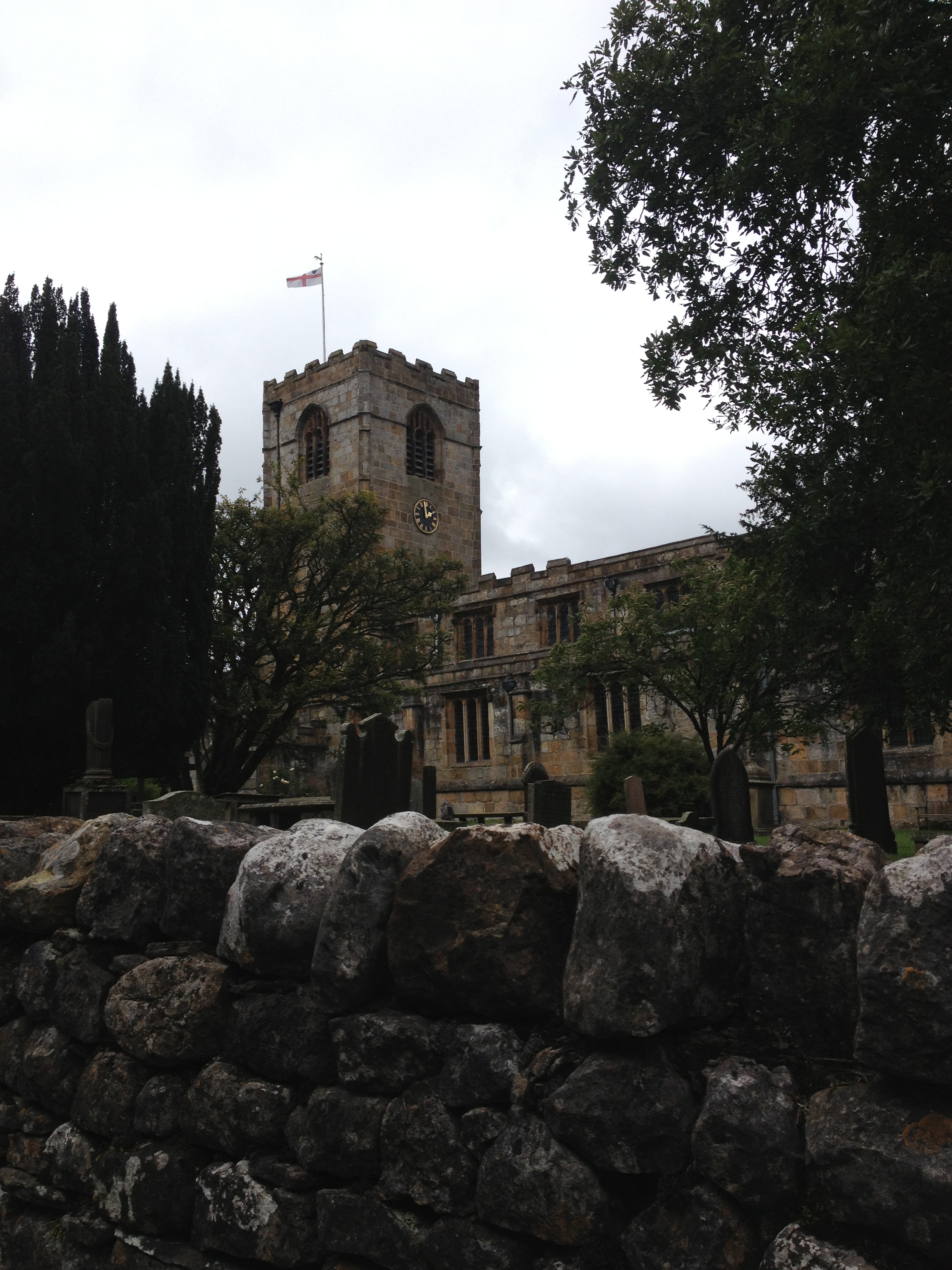
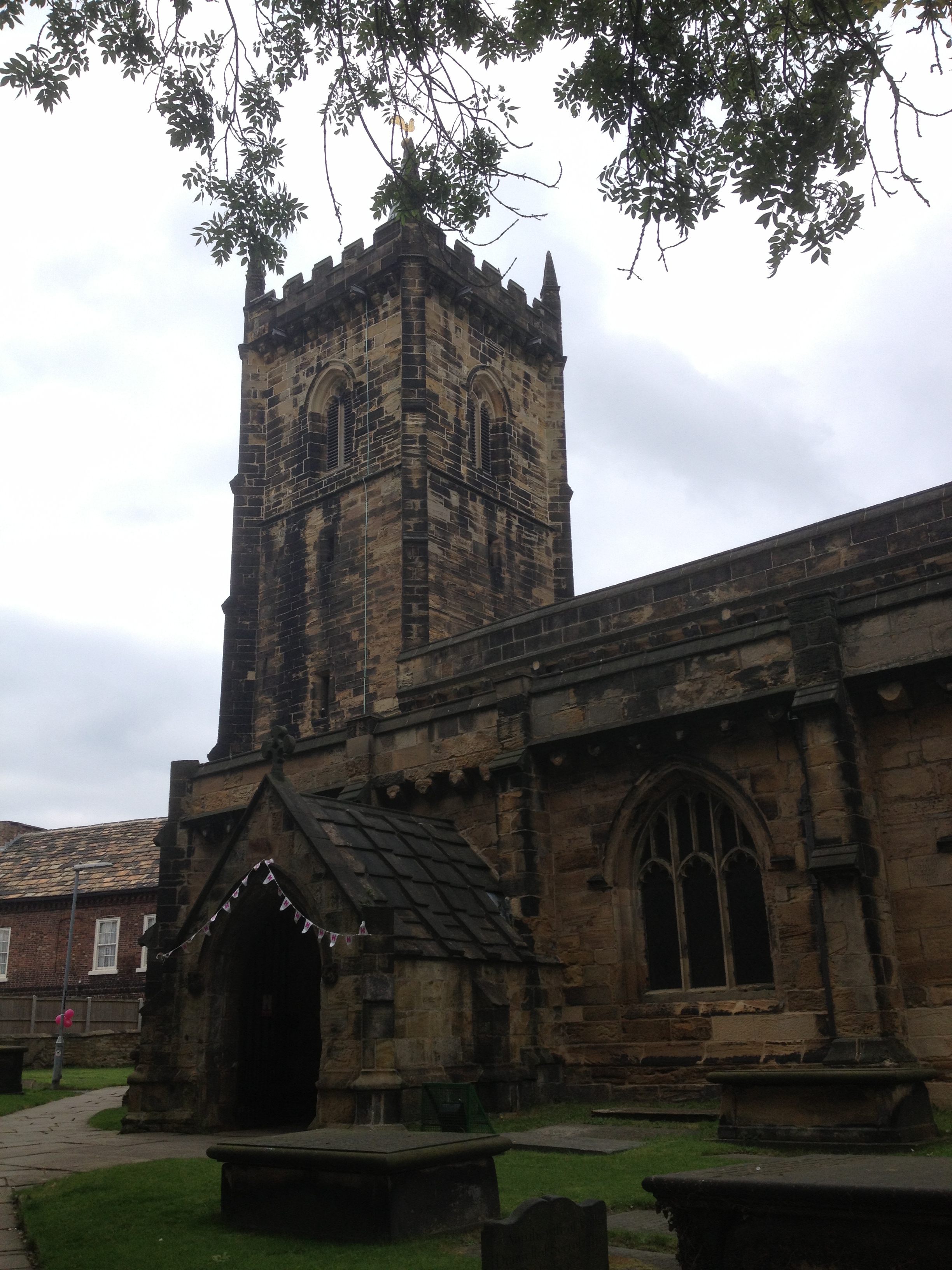
A few days ago I happened to read something in passing about the oldest building in West Yorkshire. It’s a church, of course, dating back to someone in the 700s CE, and it looked as if a fair bit of the original building survived.

It’s in Ledsham, about 10 miles east of Leeds, and a little north of Castleford. The name, according to Wikipedia, derives from ham, the Saxon word for home or farm. The conjecture, though, is that Led is an early reference to Leeds. Curious, as in the same period, Bede referred to Loidis, and later it became Ledes; there’s no other apparent reference to Led in relation to Leeds that I know of. It’s even more intriguing as there are two other villages close by, Ledston and the wonderfully-named Ledston Luck. Regardless of name, All Saints church still deserved a visit, and it was certainly worth the time.

IMG_0783

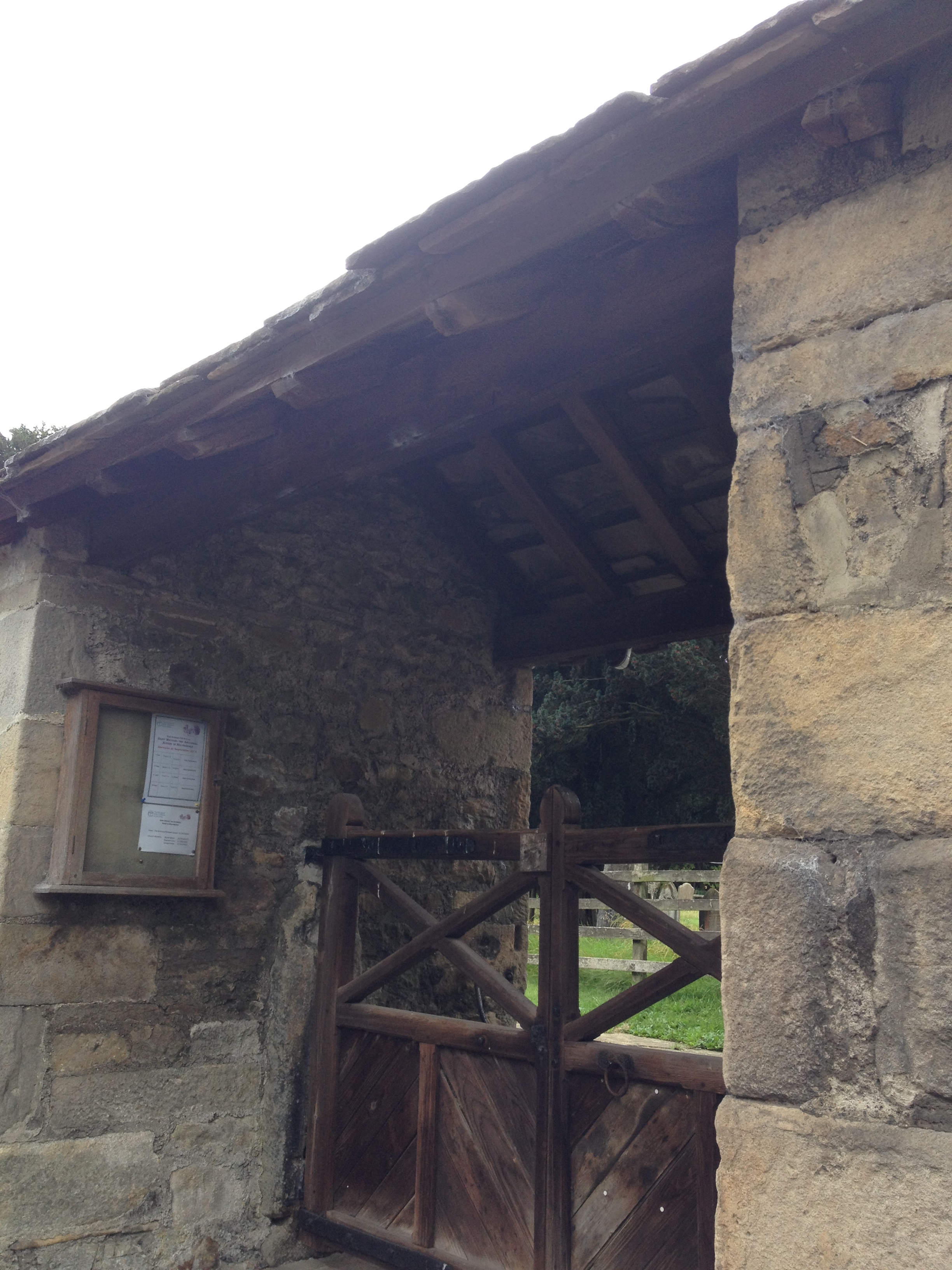
This is the original entrance, at the base of the tower at the west end. The decoration, sadly, is 19th century. But the original tower had two storeys (there’s a small blocked-in window higher up, as well as other blocked-in Saxon windows along thesSouth wall.

IMG_0773

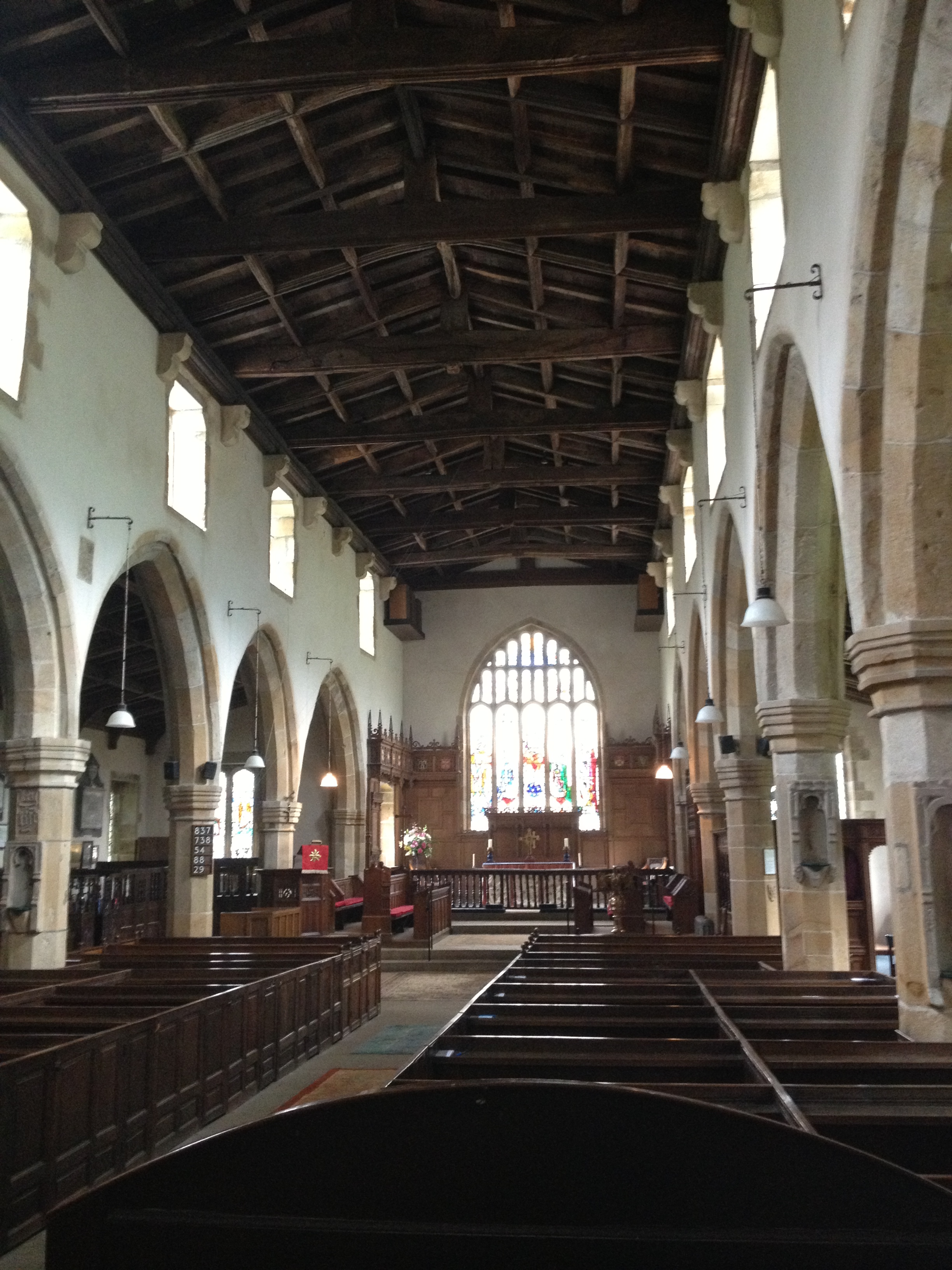
It’s quite easy to make out the original nave, although the church was added to in Norman times – they increased the height of the tower, for example) and again in the 13th and 15 the centuries, adding a north aisle, replacing the chancel, putting in larger windows, and transforming the original porticus into what’s now the porch.

IMG_0777

IMG_0775

The final restoration came in 1871, and was quite tasteful. A couple of things that didn’t come out in the pictures, though, are the fragments of an old cross built into the north aisle wall and an ancient stone used in the tower arch with a Roman carving of a cleaver in it.

IMG_0786

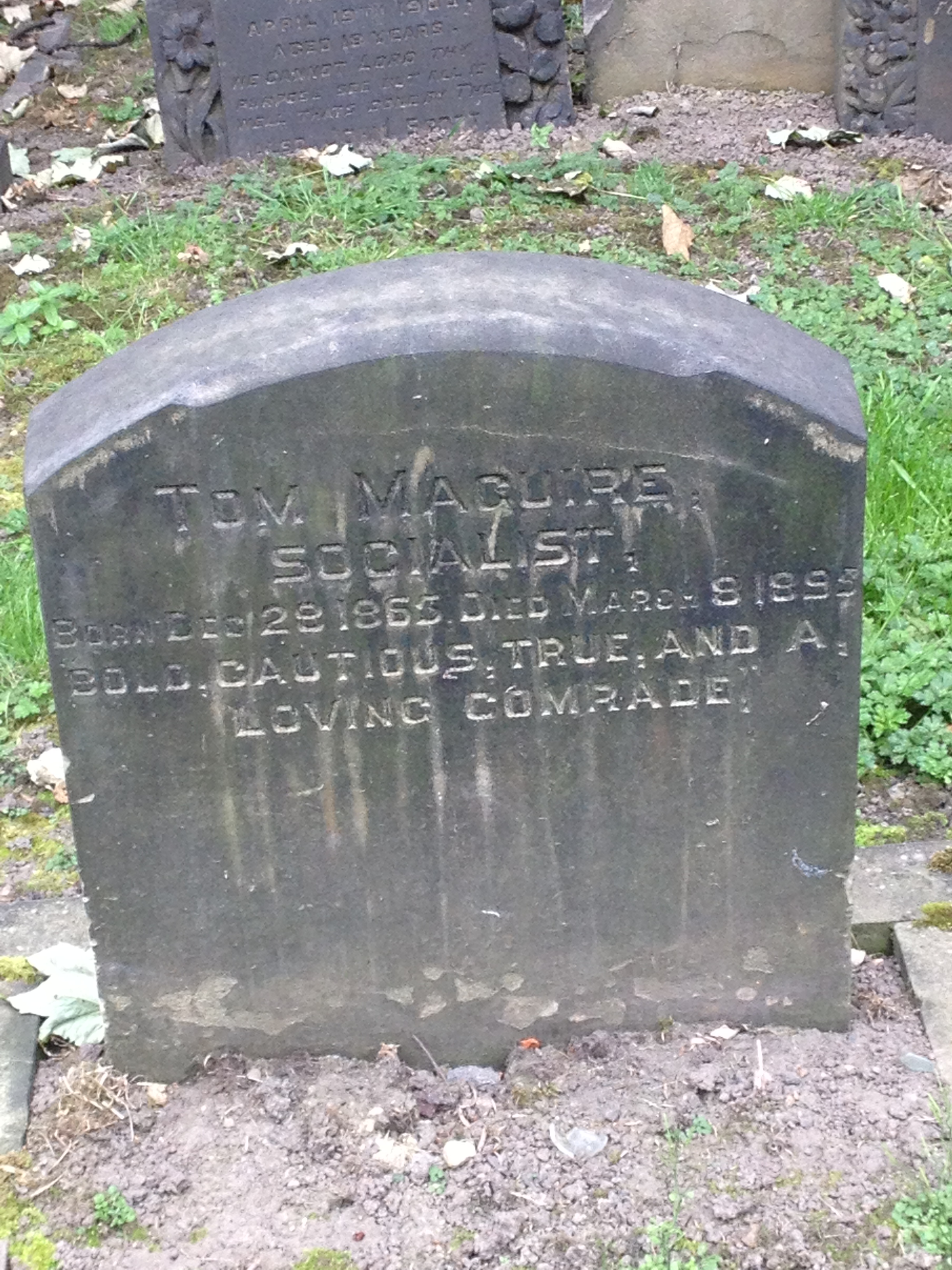
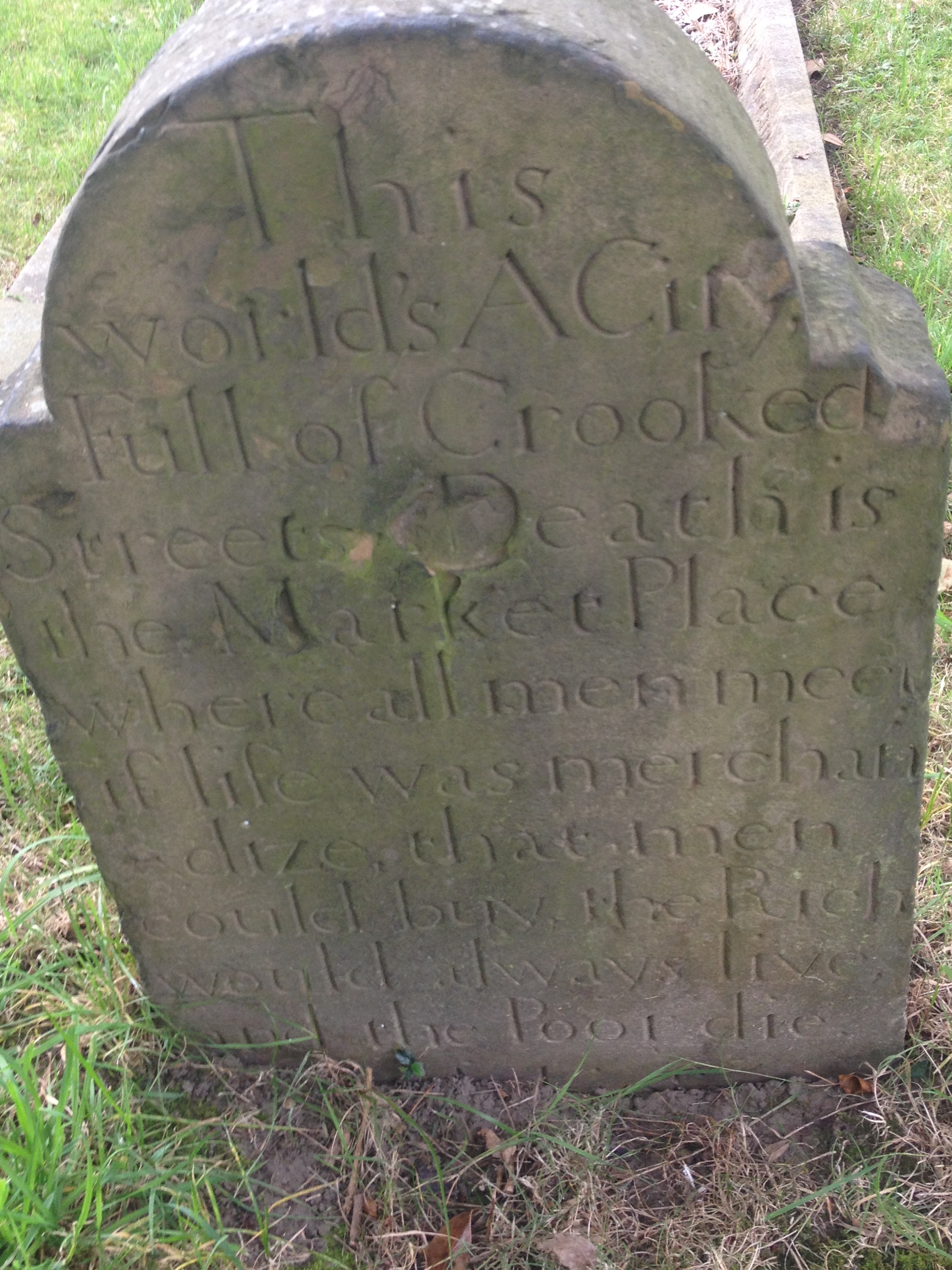
It’s a place well worth a visit, and there’s more to see in the graveyard. Hard to be certain, but this looks to be from 1665. If so, it’s worn remarkably well. No guarantees on this, though.

IMG_0785

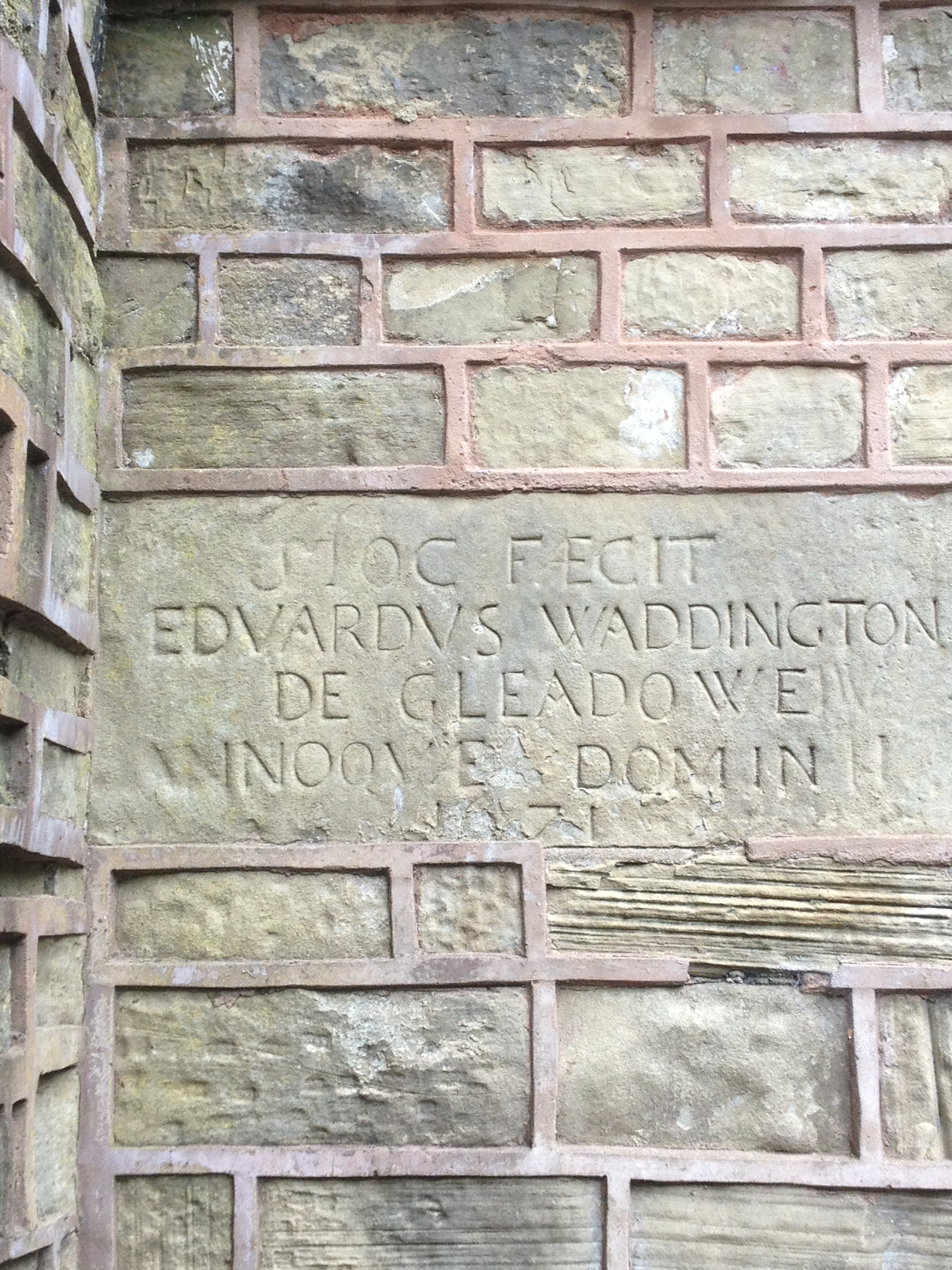
And there’s even the mason’s name at the bottom.

IMG_0793

The church would be enough. But behind it stands a row of 11 stone cottages, dating from 1610. They were built for workers in the orphanage built by Lady Elizabeth Hastings (which also still stands, now Hastings Hall). The cottages are well-tended, and these days let to older residents of the area.

IMG_0787

IMG_0788

Down past the hall is the old school house for Ledsham, about the same vintage as the hall and cottages, with the bell in the small tower above the roof.

IMG_0791

Didn’t stop at the local pub for lunch, at least not on this visit, but it’s called the Chequers, and has existed on the same spot since at least 1540.

A Walk With My Ancestors

Yesterday I took a walk with my family. To anyone who saw me, I was on my own, but my family was there – the ghosts of my father, my grandparents and great-parents. By the end even my great-great-great grandfather had joined us. They were showing me where they’d lived as I walked through Leeds, from Hunslet over into Cross Green and back down through what used to be called the Bank (properly Richmond Hill) and down to Marsh Lane.
It was a way to connect the threads, but far more, my chance to thank people I’d known and those who were dead long before I was born. They gave me Leeds. They set themselves here, coming down from New Malton back in the 1820s and they stayed.

It’s not a great dynasty. No mayors or distinguished citizens. Just people who got by, probably by the skin of their teeth. But a couple of the places where they lived are still standing. To walk up to these house, to have the voice whispering in my ear: ‘Do you see that room up there? That where me and me brothers all slept. It was freezing at night when we had to go down to the privy’ or ‘It were right there. You should have seen it, lad. A proud place was the Royal.’

Garton Street. East Park Road.
IMG_0765

IMG_0766

The small fragment that’s the only remnant of Sussex St.

IMG_0767

The Allied Brewery that fills acres where the Royal Inn (where my maternal great-grandfather was the landlord) once stood on South Accommodation Road. St. Saviour, still there, still in use, where some of my relatives were married.

IMG_0769

And the space on Marsh Lane that was once, long ago, Garland Fold. By the time Isaac Nickson – the first of my family to live in Leeds, bringing his wife and children with him, to work as a butcher – lived there (where the 1841 census places him) the ‘fold’ (once a place for keeping sheep) was slums, one of the worst part of Leeds, where the police were afraid to walk on their own and where, after a heavy rain, the roads were ankle deep in mud and slime used to run down the walls of the cellars where the poor lived.

IMG_0770

And, by some synchronicity, or some guiding hand, or whatever, very close to where I had the home of my character Richard Nottingham, back in the 1730s. A kind of full circle, from my real family to what became my fictional family of sorts.

Completing the circle? I don’t know. But I am certain that this family walk was exactly that. We were never more than 15 minutes’ walk from the centre of Leeds, but it was a journey that managed to take in many lifetimes. It told me stories. It gave me a little more of my own history. I hope I haven’t exorcised them. I want them with me until I become just like them, my invisible family in Leeds.

Tomorrow: Gods of Gold

It’s been a long time coming, but tomorrow is the publication day for Gods of Gold (buy it, please!). Today, as the final teaser, how Tom Harper met Annabelle Atkinson:

She’d been collecting glasses in the Victoria down in Sheepscar, an old apron covering her dress and her sleeves rolled up, talking and laughing with the customers. He thought she must be a serving girl with a brass mouth. Then, as he sat and watched her over another pint, he noticed the rest of the staff defer to the woman. He was still there when she poured herself a glass of gin and sat down next to him.
‘I’m surprised those eyes of yours haven’t popped out on stalks yet,’ she told him. ‘You’ve been looking that hard you must have seen through to me garters.’ She leaned close enough for him to smell her perfume and whispered, ‘They’re blue, by the way.’
For the first time in years, Tom Harper blushed. She laughed.
‘Aye, I thought that’d shut you up. I’m Annabelle. Mrs Atkinson.’ She extended a hand and he shook it, feeling the calluses of hard work on her palms. But there was no ring on her finger. ‘He’s dead, love,’ she explained as she caught his glance. ‘Three year back. Left me this place.’
She’d started as a servant in the pub when she was fifteen, she said, after a spell in the mills. The landlord had taken a shine to her, and she’d liked him. One thing had led to another and they’d married. She was eighteen, he was fifty, already a widower once. After eight years together, he died.
‘Woke up and he were cold,’ she said, toying with the empty glass. ‘Heart gave out in the night, they said. And before you ask, I were happy with him. Everyone thought I’d sell up once he was gone but I couldn’t see the sense. We were making money. So I took it over. Not bad for a lass who grew up on the Bank, is it?’ She gave him a quick smile.
‘I’m impressed,’ he said.
‘So what brings a bobby in here?’ Annabelle asked bluntly. ‘Something I should worry about?’
‘How did you know?’
She gave him a withering look. ‘If I can’t spot a copper by now I might as well give up the keys to this place. You’re not in uniform. Off duty, are you?’
‘I’m a detective. Inspector.’
She pushed her lips together. ‘Right posh, eh? Got a name, Inspector?’
‘Tom. Tom Harper.’
He’d returned the next night, and the next, and soon they started walking out together. Shows at Thornton’s Music Hall and the Grand, walks up to Roundhay Park on a Sunday for the band concerts. Slowly, as the romance began to bloom, he learned more about her. She didn’t just own the pub, she also had a pair of bakeries, one just up Meanwood Road close to the chemical works and the foundry, the other on Skinner Lane for the trade from the building yards. She employed people to do the baking but in the early days she’d been up at four each morning to take care of everything herself.
Annabelle constantly surprised him. She loved an evening out at the halls, laughing at the comedians and singing along with the popular songs. But just a month before she’d dragged him out to the annual exhibition at Leeds Art Gallery.
By the time they’d arrived, catching the omnibus and walking along the Headrow, it was almost dusk.
‘Are you sure they’ll still be open?’ he asked.
‘Positive,’ she said and squeezed his hand. ‘Come on.’
It seemed a strange thing to him. How would they light the pictures? Candles? Lanterns? At the entrance she turned to him.
‘Just close your eyes,’ she said, a smile flickering across her lips. ‘That’s better.’ She guided him into the room at the top of the building. ‘You can open them again now.’
It was bright as day inside, although deep evening showed through the skylights.
‘What?’ he asked, startled and unsure what he was seeing.
‘Electric light,’ she explained. She gazed around, eyes wide. ‘Wonderful, eh?’ She’d taken her time, examining every painting, every piece of sculpture, stopping to glance up at the glowing bulbs. Like everything else there, she was transfixed by the light as much as the art. To him it seemed to beggar belief that anyone can do this. When they finally came out it was full night, the gas lamps soft along the street. ‘You see that, Tom? That’s the future, that is.’

Two Days to Gods of Gold…

and here’s how Tom Harper became a copper.

gog finalx

He’d wanted to be a policeman as long as he could remember. When he was a nipper, no more than a toddler, he’d often follow Constable Hardwick, the beat bobby, down their street in the Leylands, just north of the city centre, imitating the man’s waddling walk and nods at the women gathered on their doorsteps. To him, the decision to join the force was made there and then. He didn’t need to think about it again. But that certainty shattered when he was nine. Suddenly his schooldays had ended, like every other boy and girl he knew. His father found him work at Brunswick’s brewery, rolling barrels, full and empty, twelve hours a day and Saturday mornings, his pay going straight to his mam. Each evening he’d trudge home, so tired he could barely stay awake for supper. It took two years for his ambition to rekindle. He’d been sent on an errand that took him past Millgarth police station, and saw two bobbies escorting a prisoner in handcuffs. The desire all came back then, stronger than ever, the thought that he could do something more than use his muscles for the rest of his life. He joined the public library, wary at first in case they wouldn’t let someone like him borrow books. From there he spent his free hours reading; novels, politics, history, he’d roared through them all. Books took him away and showed him the world beyond the end of the road. The only pity was that he didn’t have time for books any longer. He’d laboured at his penmanship, practising over and over until he could manage a fair, legible hand. Then, the day he turned nineteen, he’d applied to join the force, certain they wouldn’t turn him down.
They’d accepted him. The proudest day of his life had been putting on the blue uniform and adjusting the cap. His mother had lived to see it, surprised and happy that he’d managed it. His father had taken him to the public house, put a drink in his hand and shouted a toast – ‘My son, the rozzer.’
He’d been proud then; he’d loved walking the beat, each part of the job. He learned every day. But he was happier still when he was finally able to move into plain clothes. That was real policing, he’d concluded. He’d done well, too, climbing from detective constable to sergeant and then to inspector before he was thirty.

A Glimpse of Annabelle

Annabelle Atkinson is one of the main characters in Gods of Gold. The fiancee of Detective Inspector Tom Harper, she’s a successful woman, owning the Victoria public house and a pair of bakeries. But she had a life before they ever met. Here’s a moment in her past:

She stared at the mirror. The light flickered in the gas mantle, reflecting on the jet buttons of her dress. In black, head to toe. Even the lace and the petticoats and the new button boots that pinched her feet.
Annabelle picked up the funeral hat off the back of the chair and arranged it on her head, spreading the veil in front of her face. Her hand was raised, ready to pin it all in place, when she tore it off and sent the hat spinning across the room.
She turned to the photograph on the mantelpiece. A shiny silver frame. Herself, younger, happy on her wedding day, arm in arm with her husband. Mr. and Mrs. Atkinson.
‘You sod,’ she said quietly. ‘You bloody sod.’
They’d all be waiting downstairs in the pub. Will’s sister and her children, Dan the barman, the two servants, and all the neighbours and friends from round Sheepscar. The hearse was outside, the horses with the ebony plumes.
She breathed deeply, gathered up the hat and set it in place again, hearing the footsteps on the stairs, then the tentative knock on the door.
‘Annabelle, are you ready, luv?’ Bessie, her sister-in-law. ‘Only it’s time.’
A last glance in the mirror and at the picture.
‘Yes,’ Annabelle Atkinson said. ‘I’m coming.’

When Family and Fiction Collide

To begin, apologies for a long post. But as you read, I think you’ll understand the necessity.
The other night I delved back, hunting my ancestors. I’d done it a few years ago, but most of the information had vanished – probably in a box somewhere in the garage. Still, with nothing on television, and some time to kill, it seemed like fun to trace that line through history.
Somewhere in the first 40 years of the 19th century, Isaac Nickson arrived in Leeds. He’d been born in 1792 in Malton, North Yorkshire, and married Jane Caulter on June 2, 1813. He brought a pair of sons along with him, Isaac and George. According to the 1841 census (the first one undertaken), Isaac Nickson Sr. was living in Garland Fold, just by Timble Bridge. His 16 year-old-son William was with him and a 15-year-old daughter, Mary. By this time, Isaac Jr and George shared a house on Gower Street in the Leylands. Isaac was 25, George 20. Hey made their living as painters – for which, read Jack of all trades – and both were married.
George had wed Mary Caroline Hewson on April 22, 1839, in Leeds Parish Church. She was born in 1821 and would live until 1897. He’d die on December 30, 1866.
By 1851 they’d moved to the bottom of Meanwood Road, in Sheepscar. George was still listed as a painter and paper hanger, and by now they had three children, John William, who was nine, Jane, aged five, and Hannah, three (in 1861 Isaac and his wife were on Wade Street, more or less where the Merrion Centre now stands, with his wife. No children mentioned).
Skip forward to the 1871 census. A Caroline M. Nickson is listed at 200 North Street in Holbeck. She’s the head of the house, which chimes with George dying a few years before. However, she’s also a painter a decorator, with a cryptic (7 men and boys) after the job. She took over the firm? Maybe. Living with her are her sons, John William and Robert, as well as daughters Caroline (12) and another son, Richard (9).
The 1861 census shows a William Nickson, old Isaac’s son a painter just like his older brothers, ahe 36 living on Elm Street, in the Bank area of Leeds with his wife Charlotte and his daughter Martha (they don’t show up on the 1851 census). He’s 36, The three of them are still address a decade later.  By now Martha is 15 and listed as a flax screwer.
In 1881 they’re still at 13, Elm St. Martha isn’t mentioned, but there’s a son call John William, born in 1864 and making a living as a repairer and heeler of boots. There’s also Mary Rushworth. She’s five and listed as granddaughter. Martha’s child – she married Benjamin Rushworth on Christmas Day, 1873.
John William would marry Elizabeth Mona (or Marie) Nickson. In 1901 he was 37 and still a boot repairer, living on Ellerby Road, near East End Park. The couple had five children, Willie (16) a grocer’s assistant, Nellie (15), Maud (14) – both girls listed as tailoresses – John William, Jr (4) and Harold Ewart, then 9.

10 years later and they’d barely moved 200 yards. Still living in the Bank, on East Park Rd. John William, Sr. is still a painter. Willie is still a grocer’s assistant. John William, Jr. is a clothier ticket, and Harold Ewart is a miller – he worked in a flour mill.
But by 1914, Harold was living on Garton Road and was a tailor’s cutter. It was still just a stone’s throw from his parents. He’d obviously been courting, because on June 1, he marries Elizabeth Laycock, the daughter of a publican oat 103, South Accommodation Rd in Hunslet. It’s a Baptist ceremony.
It’s also a necessary one, because five months later, on November 2, my father, Raymond Ewart would be born. She was in the family way at the ceremony. My father grew up in Hunslet. Still close to the Bank area, but on the south side of the river, and a definite step up. The family must have moved there, a definite step up from where Harold had been.
So why am I telling you all this? Perhaps because a strange feeling began to creep over me as I researched. My fiction and my family were colliding.
In my new book Gods of Gold, the main character, Tom Harper, grows up in the Leylands, not even two minutes away from Gower Street, where Isaac and George Nickson lived for a while. His fiancée, Annabelle, grew up on the Bank, round the corner from John William Nickson and his brood; they might well have known each other. And she’d go on to run the Victoria, at the bottom of Roundhay Road in Sheepscar. When George Nickson lived on Meanwood Road, it would almost have been his local, albeit before Annabelle’s time.
They were all working-class people. Poor. I doubt a single one of them owned the roof over their heads. They probably all struggled from day to day.
Suddenly I began to wonder if those ancestors of mine, and their relations, hadn’t been tugging at my sleeve when I was writing the book. ‘No, have him born there.’ ‘She should come from there.’ ‘Have a scene set there, I’ll tell you what it looked like.’ Or perhaps it’s some atavistic memory.
There’s even link of sorts to Richard Nottingham. At the first census, old Isaac Nickson was living in Garland Fold, by Timble Bridge. That’s yards from where I sited Richard’s house.
I don’t know. But it’s strange, and even a little creepy. It tells me that my roots run deep here. Sometime I’ll dig deeper into those 19th century ancestors. I’m just not sure I’m ready for it yet…

gog finalx

To Whet Your Appetite

My new book, Gods of Gold, is published in the UK on August 28th. Yes, I’d like you to buy it, of course I would, don’t silly. To give you a little inducement, here’s a taster, a teaser, the opening. It’s set in 1890, against the backdrop of the Leeds Gas Strike, and features Detective Inspector Tom Harper of Leeds Police.

Tom Harper pounded down Briggate, the hobnails from his boots scattering sparks behind him. He pushed between people, not even hearing their complaints as he ran on, eyes fixed on the man he was pursuing, leaping over a small dog that tried to snap at his ankles.

‘Police!’ he yelled. ‘Stop him!’

They didn’t, of course they didn’t, but at least they parted to let him through. At Duncan Street, under the Yorkshire Relish sign, he slid between a cart and a tram that was turning the corner. His foot slipped on a pile of horse dung and he drew in his breath sharply, the moment hanging. Then the sole gripped and he was running again.

Harper ducked in front of a hackney carriage, steadying himself with a hand on the horse’s neck. He felt its breath hot against his cheek for a second, then plunged on. He was fast but the man in front was even faster, stretching the distance between them.

His lungs were burning. Without even thinking, he glanced across at the clock on the Ball-Dyson building. Half past eleven. He forced his feet down harder, arms pumping like a harrier.

As they reached Leeds Bridge the man leapt into the road, weaving between the traffic. Harper followed him, squeezing sideways between a pair of omnibuses, seeing the passengers stare down at him in astonishment through the window. Then he was free again, rushing past the row of small shops and watching the man disappear round the corner on to Dock Street.

By the time he arrived the street was empty. He stood, panting heavily, holding on to the gas lamp on the corner, unable to believe his eyes. The man had simply vanished. There was nothing, not even the sound of footsteps. Off to his left, a cluster of warehouses ran down to the river. Across the road the chimneys of the paper mill belched their stink into the air. Where had the bugger gone?


Harper had been up at Hope Brothers on Briggate, barely listening as the manager described a shoplifter. The man’s mouth frowned prissily as he talked and rearranged a display of bonnets on a table. Outside, the shop boy was lowering the canvas awning against the June sun.

Harper scribbled a word or two in his notebook. It should be the beat bobby doing this, he thought. He was a detective inspector; his time was more valuable than this. But one of the Hopes lived next door to the new chief constable. A word or two and the superintendent had sent him down here with an apologetic shrug of his shoulders.

Then Harper heard the shout. He dashed out eagerly, the bell tinkling gently as he threw the door wide. Further up the street a man gestured and yelled, ‘He stole my wallet!’

That was all he needed. Inspector Harper began to run.


He tipped the hat back and wiped the sweat off his forehead. The air was sultry, hot with the start of summer. Where was the sod? He could be hiding just a few yards away or already off beyond a wall and clear away in Hunslet. One thing was certain: Harper wasn’t going to find him. He straightened his jacket and turned around. What a bloody waste of a morning.

He’d wanted to be a policeman as long as he could remember. When he was a nipper, no more than a toddler, he’d often follow Constable Hardwick, the beat bobby, down their street in the Leylands, just north of the city centre, imitating the man’s waddling walk and nods at the women gathered on their doorsteps. To him, the decision to join the force was made there and then. He didn’t need to think about it again. But that certainty shattered when he was nine. Suddenly his schooldays had ended, like every other boy and girl he knew. His father found him work at Brunswick’s brewery, rolling barrels, full and empty, twelve hours a day and Saturday mornings, his pay going straight to his mam. Each evening he’d trudge home, so tired he could barely stay awake for supper. It took two years for his ambition to rekindle. He’d been sent on an errand that took him past Millgarth police station, and saw two bobbies escorting a prisoner in handcuffs. The desire all came back then, stronger than ever, the thought that he could do something more than use his muscles for the rest of his life. He joined the public library, wary at first in case they wouldn’t let someone like him borrow books. From there he spent his free hours reading; novels, politics, history, he’d roared through them all. Books took him away and showed him the world beyond the end of the road. The only pity was that he didn’t have time for books any longer. He’d laboured at his penmanship, practising over and over until he could manage a fair, legible hand. Then, the day he turned nineteen, he’d applied to join the force, certain they wouldn’t turn him down.

They’d accepted him. The proudest day of his life had been putting on the blue uniform and adjusting the cap. His mother had lived to see it, surprised and happy that he’d managed it. His father had taken him to the public house, put a drink in his hand and shouted a toast – ‘My son, the rozzer.’

He’d been proud then; he’d loved walking the beat, each part of the job. He learned every day. But he was happier still when he was finally able to move into plain clothes. That was real policing, he’d concluded. He’d done well, too, climbing from detective constable to sergeant and then to inspector before he was thirty.

And now he was chasing bloody pickpockets down Briggate. He might as well be back in uniform.

gog finalx