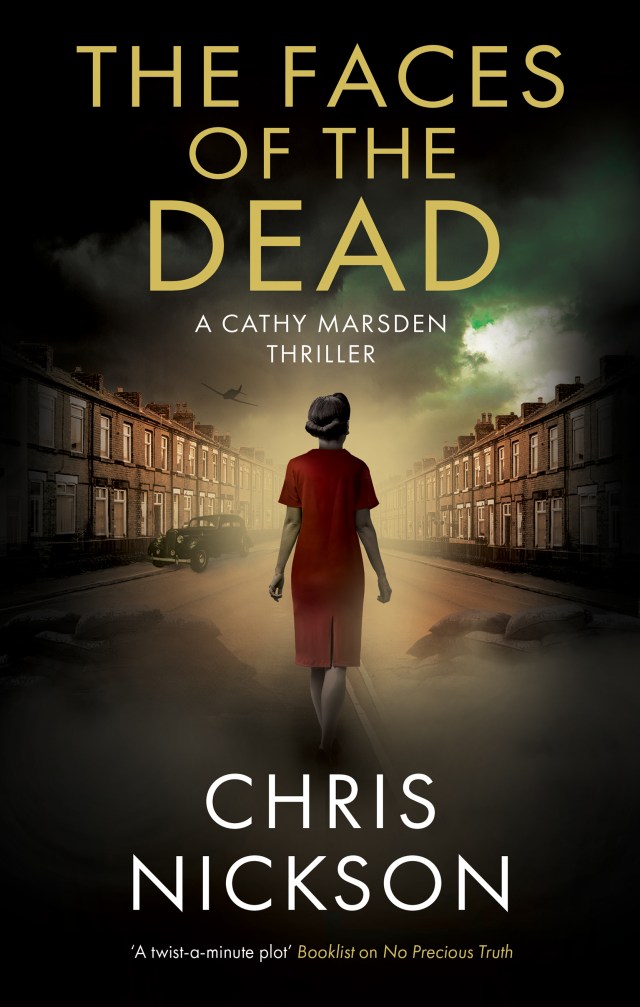
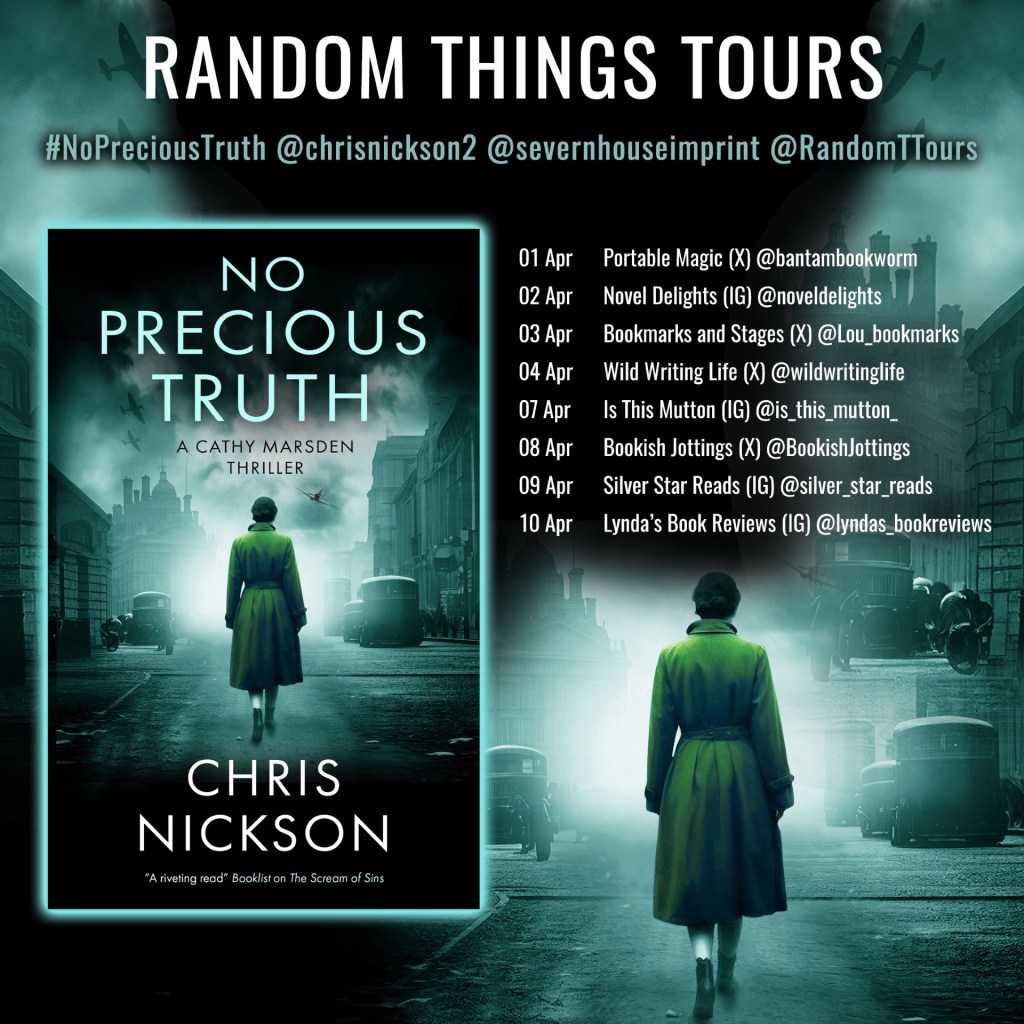
When RJ Verity contacted me, I was gratified to discover someone else writing about the Leeds of 80 years ago. Her take is very different to mine – no crime. Instead, her novel, Poole of Light, revolves around the cinema of the 1930s and 40s, one my father knew well, as manager of the Shaftesbury and the ABC for a few years after WWII.
She proposed a guest blog post, and I readily agreed. She’s written a good book, and her world dovetails well with Cathy Marsden. Maybe she met some of those characters – who can tell?
The Cinema Manager’s Granddaughter
Guest post by RJ Verity, author of Poole of Light
When Chris Nickson and I first made contact, we quickly discovered we were circling some of the same territory – not just the Leeds of the 1930s and 40s, but something more specific. His father had managed cinemas in the city. My grandfather had too: the Pictodrome and the Palace Picture Hall (shown below), both in Armley.
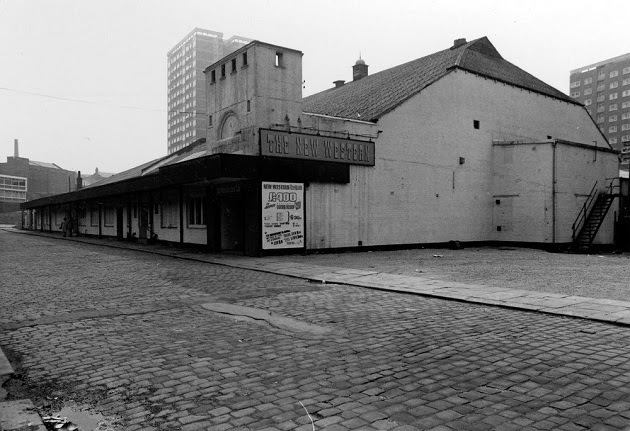
It is, as Chris put it, a small world.
My own connection is not incidental to my novel. It is, in many ways, the reason my novel exists. My grandfather had chauffeured for a large household in Leeds before becoming a cinema manager. My grandmother worked as a housekeeper in the same house. My father was a teenage projectionist and – through ability and the particular luck of timing – won a grammar school place at Roundhay before training as a doctor. One generation to the next, each one a little further from where it had started.
What struck me was how much depended not on privilege or connection, but on small chances seized at the right moment.
That fragility is at the heart of my debut novel, Poole of Light. The book starts in 1913, in a mining town in County Durham. My protagonist, Jem Poole, is ten years old – he has no money and no obvious future except working down the pit. One day he steals a glimpse through a curtain and sees a moving picture for the first time, and that moment of wonder brings him to the heart of the British cinema industry.
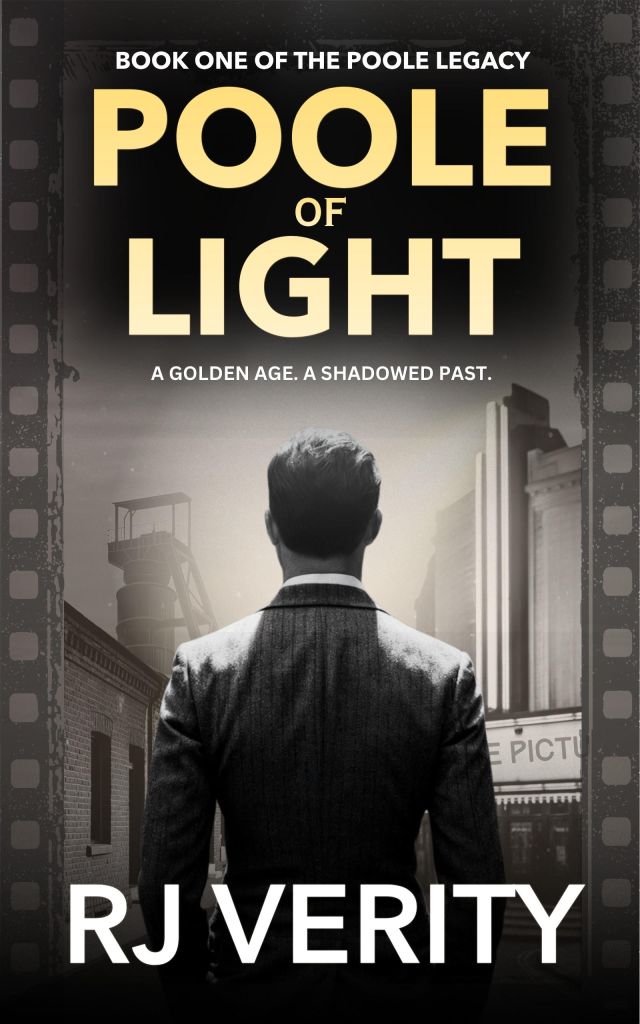
Leeds becomes central to his story. It is where he moves to as a boy, builds his life, and where tensions between ambition and identity play out across the decades. I came to Leeds not as a Loiner – I grew up in nearby Wakefield – but as a little girl who visited her grandparents in Roundhay often enough to know its streets. I understood later that those streets had shaped the people who shaped me.
The cinemas mattered. Not just as places of entertainment, but as institutions with a particular role in working-class life. They were warm and inviting during dark winter evenings. They offered glamour to people whose daily lives offered very little. A cinema manager in Armley in the 30s and 40s was not a grand figure – but he was a custodian of something that genuinely mattered to his community.
I find that writing historical fiction has a circular effect on my life. I know something about my past – stories half-told at family dinners – and am drawn to it. Then I research, I create characters, and somehow those characters reveal something more about my own history. And since releasing Poole of Light last September, I’ve been overwhelmed by the people who have reached out – wanting to talk about their own memories of Leeds, and what it meant to them.
Perhaps that is what historical fiction does best – it gives people permission to remember. Chris and I write about Leeds from different angles, but we are both, in our own way, still holding something of it. When I discovered that cinemas ran in both our families, it felt less like a coincidence and more like a confirmation that the past has a way of finding the people who are looking for it.
Poole of Light is available on Amazon now. You can buy it here. Poole of Honour, the second novel in The Poole Legacy trilogy, publishes on 15 September 2026.
And, while we’re in the 1940s, the second Cathy Marsden book, The Faces Of The Dead, is just £1.99 on Kindle, or free if you have Kindle Unlimited.