Gipton Well And A Dark Steel Death

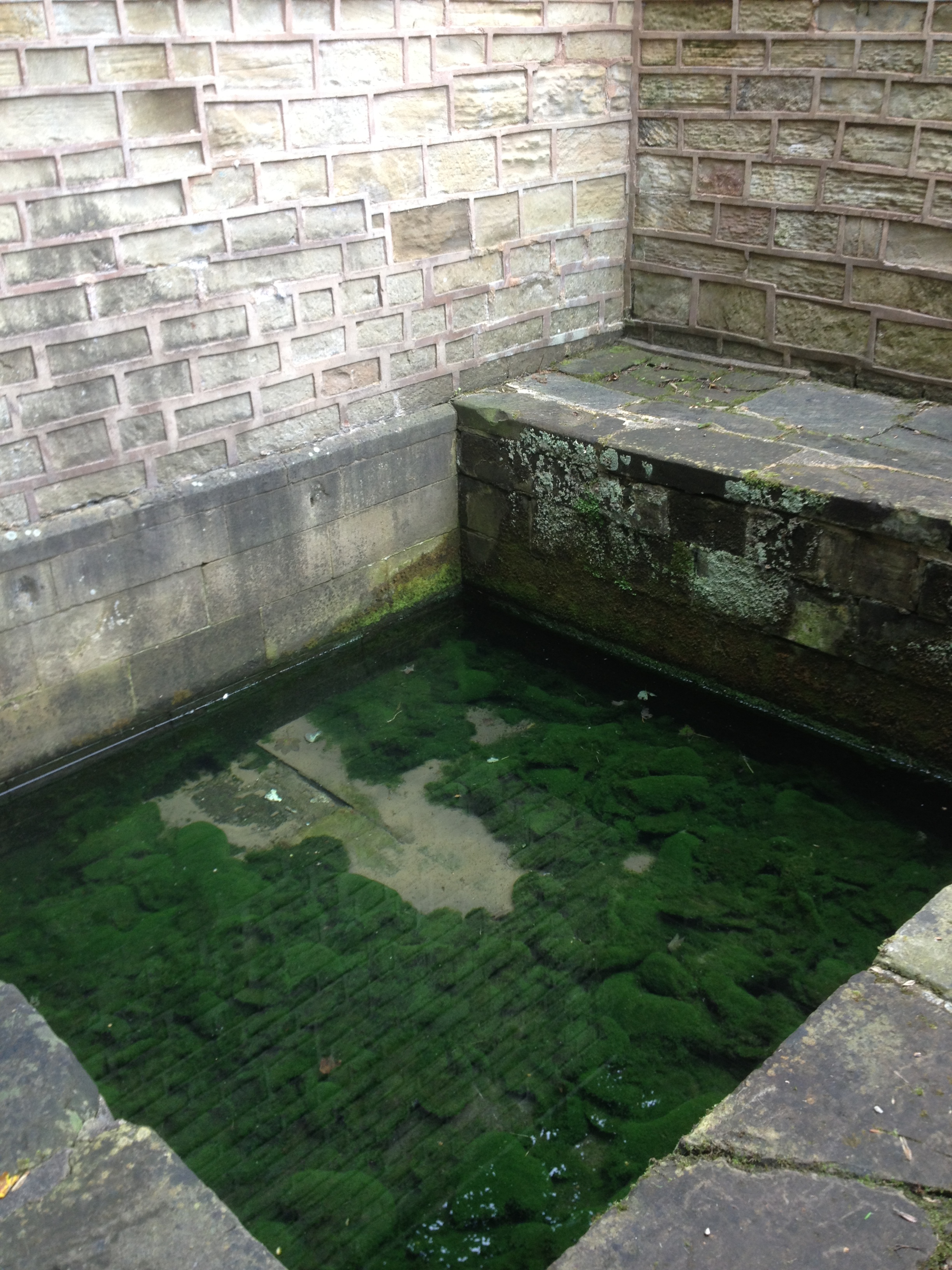
There’s a small place that plays an important role in A Dark Steel Death. Gipton Well, or Gipton Spa Bath House  or Gipton Well and Waddington Bath, to offer the full titles, has its part in the book, although I’m not about to give you any spoilers on exactly what.

It’s one of about 26 wells or spas that once existed around Leeds (including the wonderfully-named Slavering Baby Well in Adel), but are mostly covered over or long forgotten, except in some local names, like Sugarwell in Meanwood).

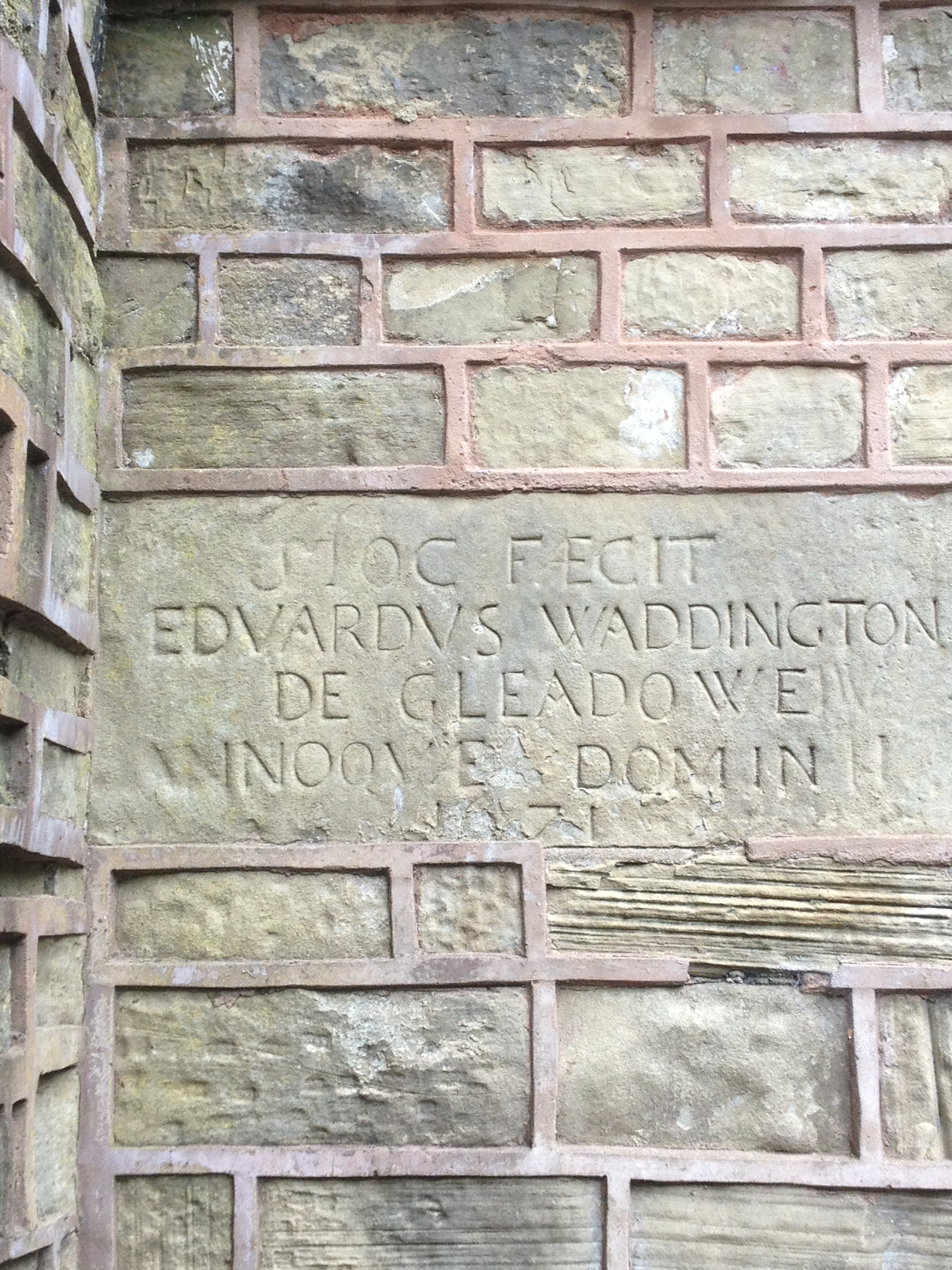
It was originally built in 1671 by Edward Waddington. His grandfather, Alderman John Thwaites, owned Gledhow Hall, and the well was in the estate; on private property, in other words.
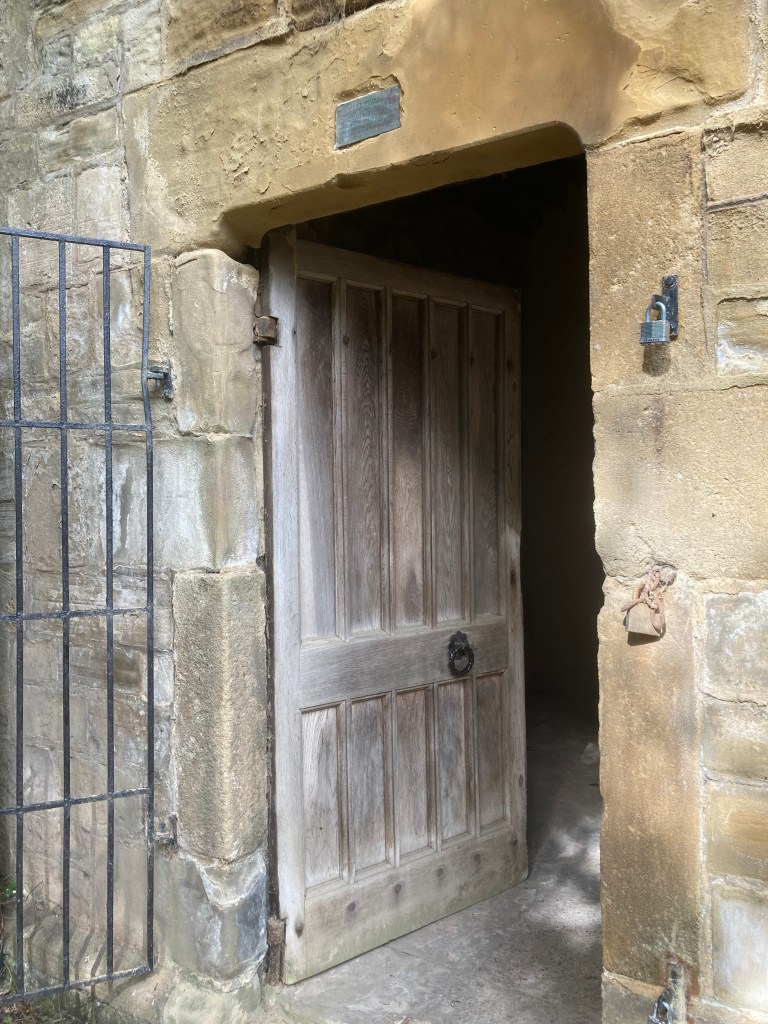
Like so many spas, the water which entered the bath house supposedly had healing properties supposedly head healing properties. Leeds historian Ralph Thoresby brought his son Richard there, attempting to cure him of rheumatism, and that involved sitting in the stone-built cold water bath. Lord Irwin was also a regular visitor.
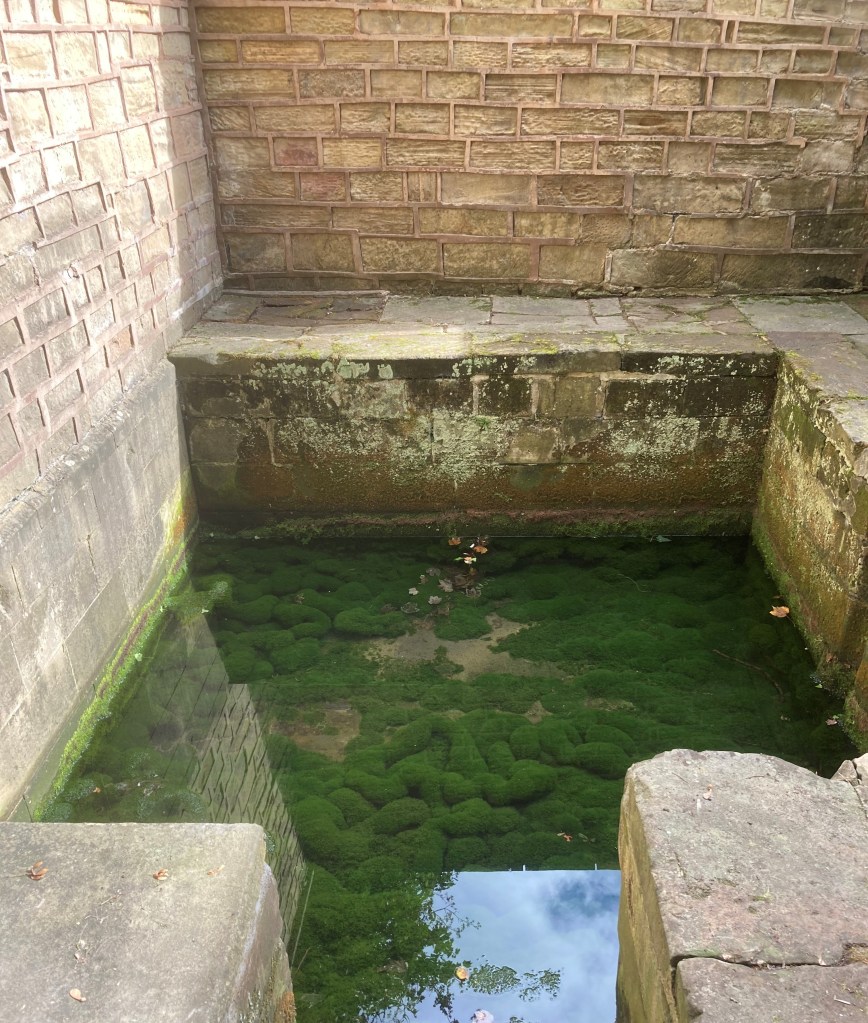
Next to it was a room with a fire for undressing and warming up after a dip in the plunge pool, with a separate spring with water that could be drunk.

Thoresby referred to the place in his Ducatus Leodiensis, where he states the room with its fire is used “to sweat the patient after bathing”.

Edward Parsons also commended the place in his History of Leeds in 1834, and as late as 1881, Kelly’s Directory noted it was still in use, although now it’s “by people who live in the neighbourhood.”

Shortly after it had fallen into disuse and disrepair, to the extent that when the Honourable Hilda Kitson bought Well House Farm (again, the association with the well), which included the spa, she offered £200 to the Council to keep up the spa. The city bought the spa and the land around it in 1926, just after Gledhow Valley Road had opened a few yards away.

While the building has been there for a long, long time, no one seems sure when the walls around the pool were built; certainly much later. I’ve included them in the book purely for plot reasons.

The Friends of Gledhow Valley Woods (an excellent organisation who also provided much of the historical information from their website. Take a look at it here) have doner a great deal of work on the place, and now it’s surrounded by a metal fence to stop vandalism. However, it was open on Sunday as part of Heritage Open Days, and I was able to go inside and take some photos.

Tom Harper’s spectre didn’t fill the place. But after seeing the pictures you’ll be able to be there with him. And I’m sure you will read the book. Hopefully buy it, too, to make sure the final one in the series in published. Thank you.

A Little Bit Of History For The Soul

It’s a time to look forward to: Heritage Days. The weekend when so many older buildings are open, free of charge, to the public. Many of them aren’t even on show for the rest of the year. And Leeds is definitely blessed with them – 83 this time around. It’s impossible to see every one over a single weekend, of course.
This time around it began with a tour of Beckett Street cemetery. Far more interesting than it sounds, one of the oldest municipal cemeteries in Britain (the oldest is in Hunslet, also in Leeds), which contains the fascinating subscription graves (or guinea graves, as they’re known). For a guinea, the dead could be commemorated on a gravestone, rather than be buried nameless. The downside is that there will be five or six bodies in the grace, and more on the other side of the stone. Even in death, they’re as crowded and packed together as they were in life.
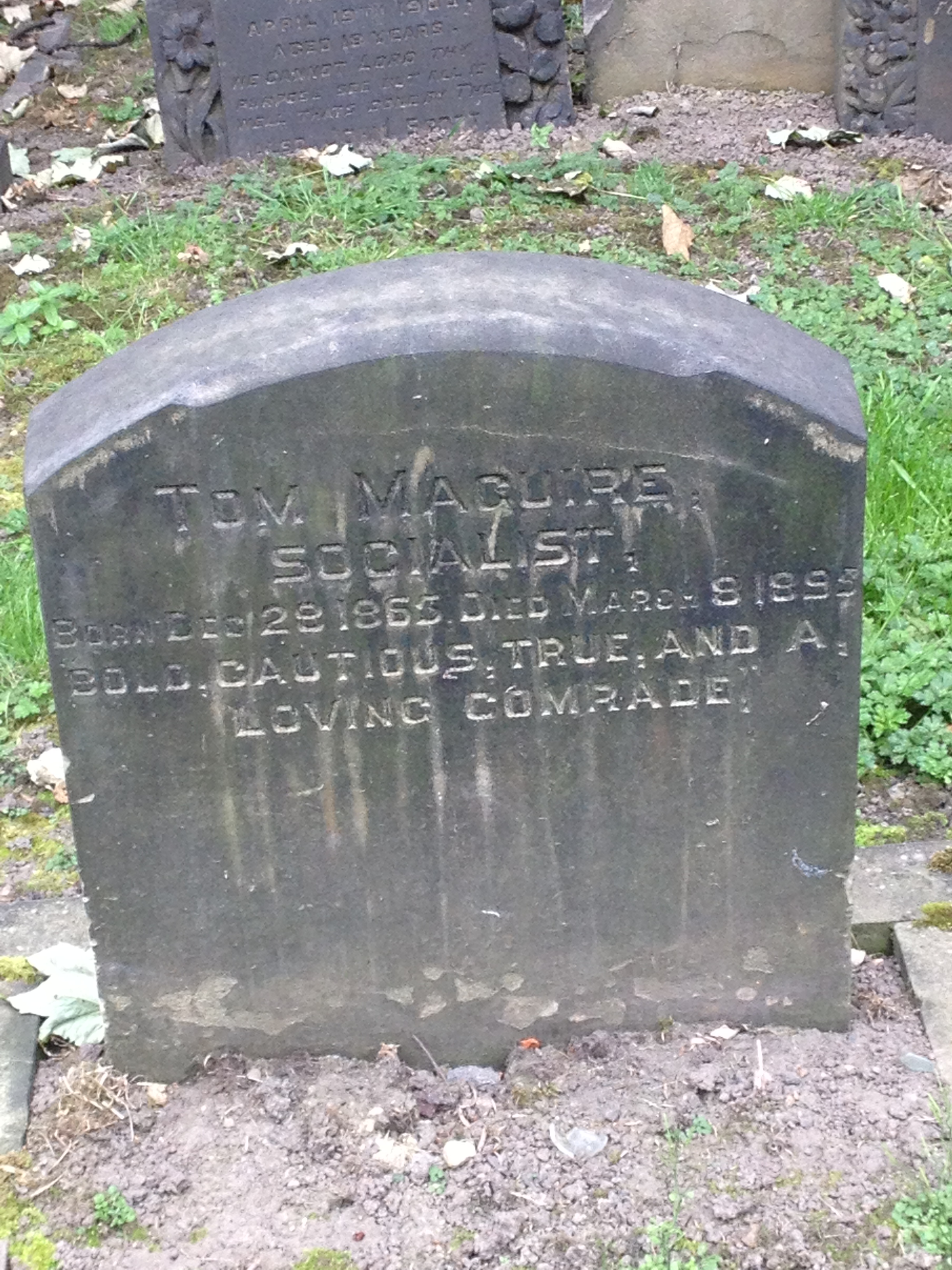
But the place does have the grave of Tom Maguire, who features as a minor character in Gods of Gold, and who, in life, was one of the founders of the Independent Labour Party in 1893. A great man.

photo (13)

Sunday was Gipton Well, about half a mile from where I grew up. It’s a place to take the waters, just small, but once only one of many spas dotted around Leeds. Built in 1671, it’s fed by a small spring, and the privileged few who used it would wade or sit in the water, removing clothes in the outer room, which also had a fireplace, before plunging into the cold pool. The place has resonance for me, as the climax of The Constant Lovers takes place there. Going inside for the first time in many years, it was just as I remembered it – but in better, cared-for shape.

IMG_0826

IMG_0824

IMG_0822

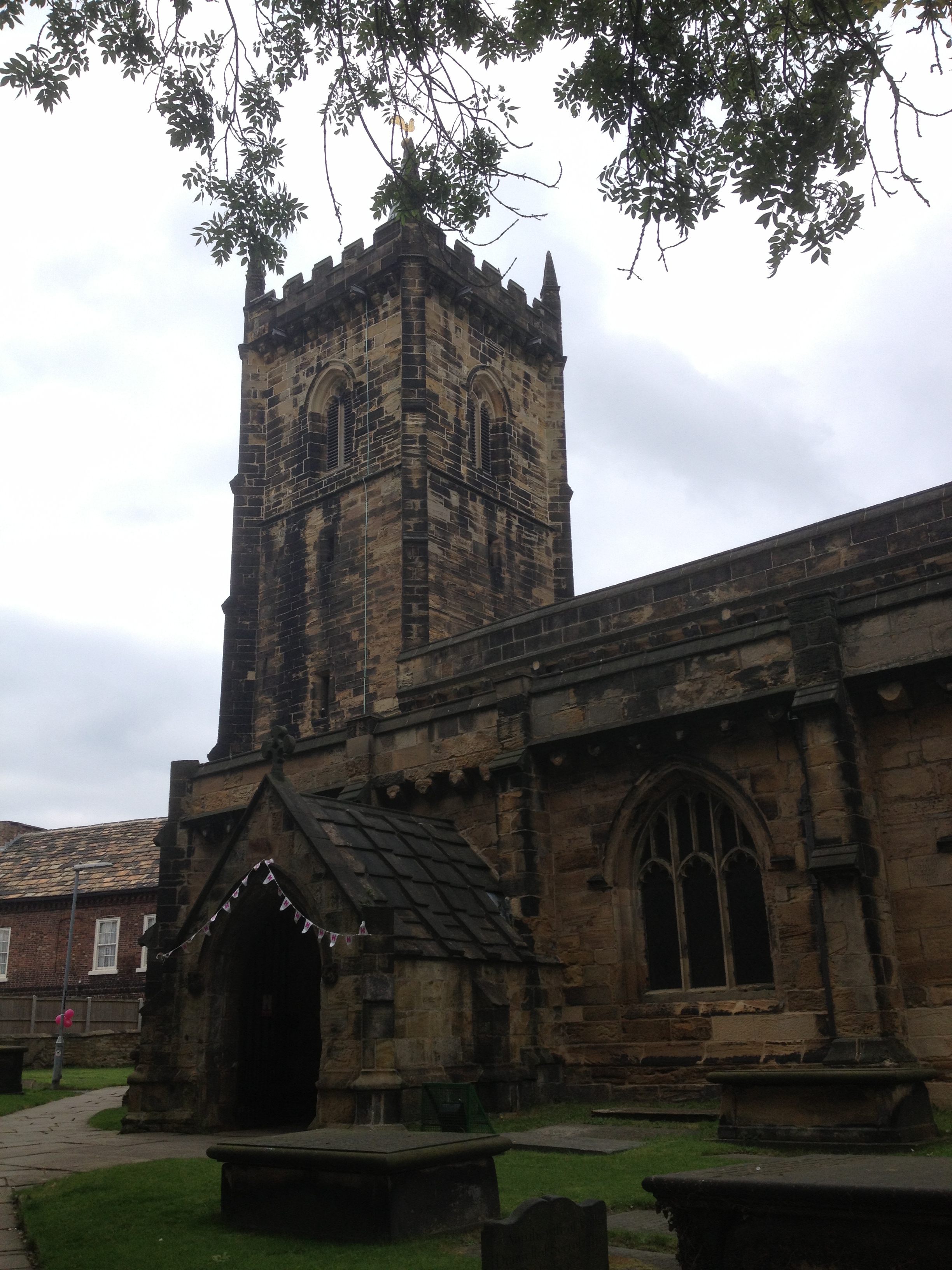
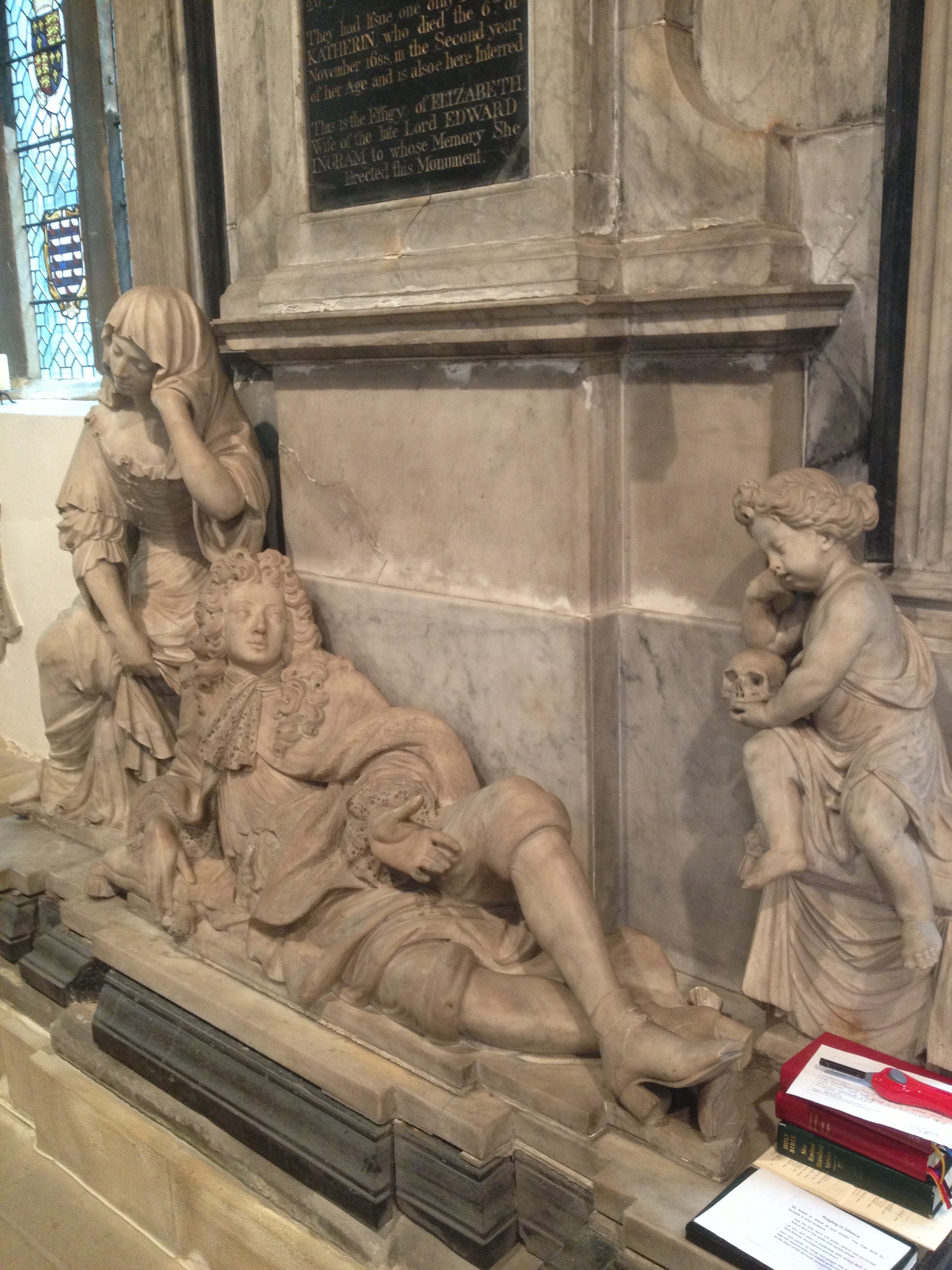
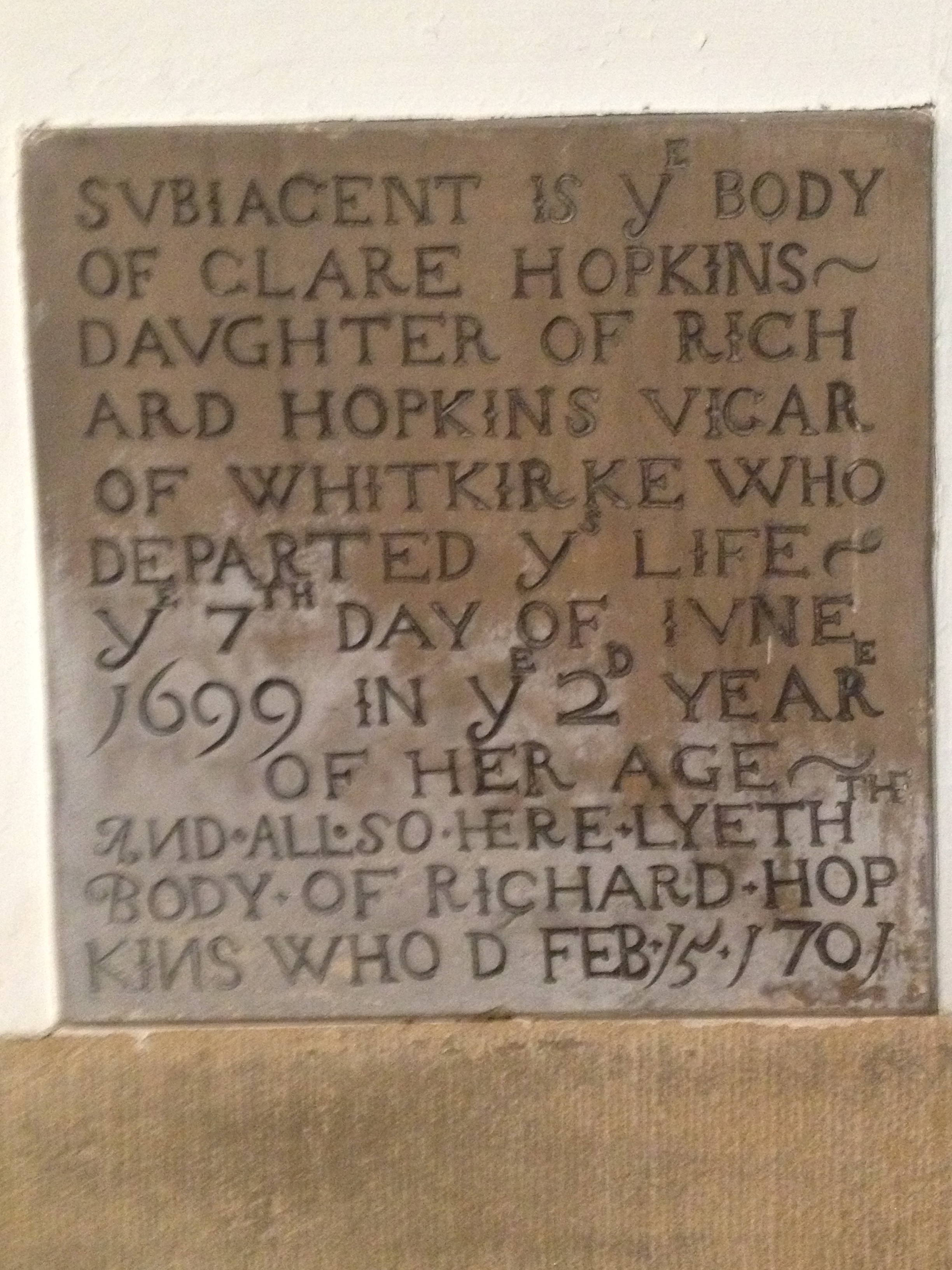
And then, Whitkirk Church, which dates from the 15th century, with a tower completed by 1440, and a continuous line of priests since 1185, although there was a church mentioned in the Domesday Book. Originally a Knights Templar church (it’s close to Temple Newsman, which was owned by the Templars, and there are two small houses close by with Templar crosses), it’s been renovated a couple of times, but still retains a beautiful medieval simplicity – although some of the memorials are very elaborate for as small church.

IMG_0840

IMG_0832

IMG_0829

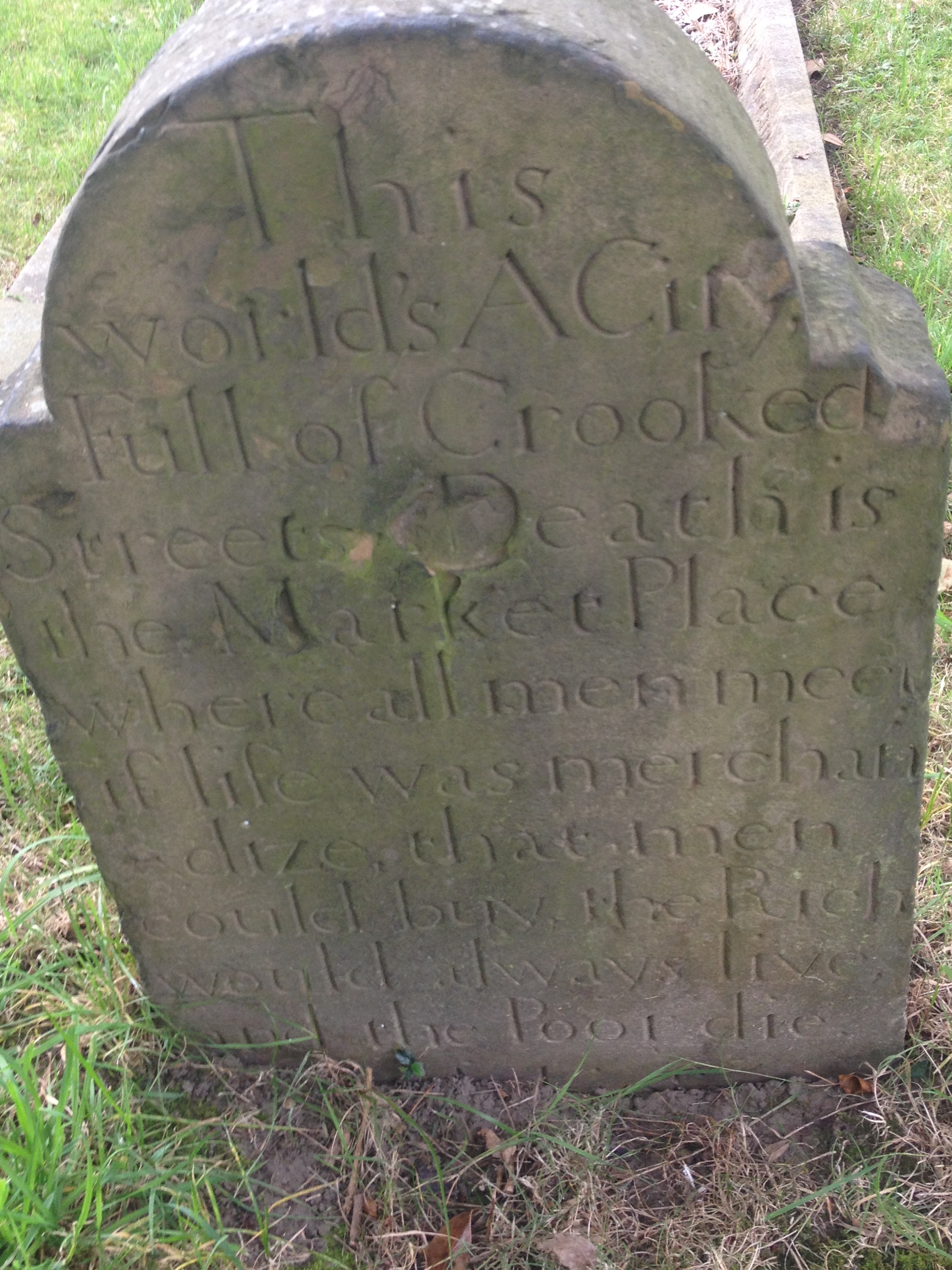
The graveyard also has this wonderful headstone. A very modern sentiment. No names or date on it, just these words.

IMG_0842

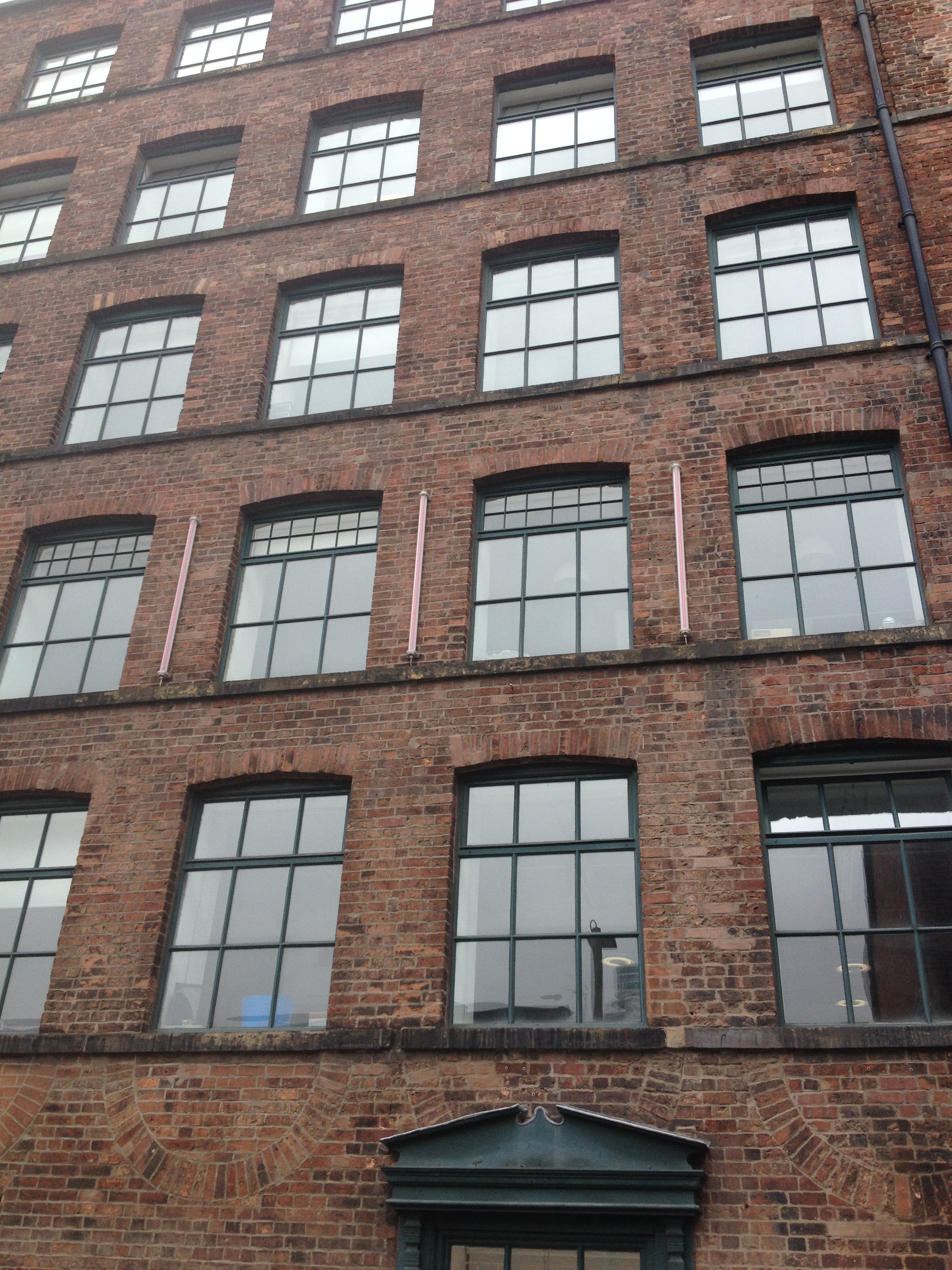
The highlight of 2014’s Heritage Days, though, was a chance to tour Templeworks in Holbeck. The area was one of the Victorian industrial powerhouses of Leeds, although manufacturing is long since a thing of the past.
When it opened it 1841, Temple Mill (as it was then) was very modern. It was the brainchild of John Marshall, who’d run Marshall’s Mill next door since the 1790s.

IMG_0813

The frontage of Temple Mill is a replica of the Temple of Horus at Edfu in Egypt.

IMG_0814

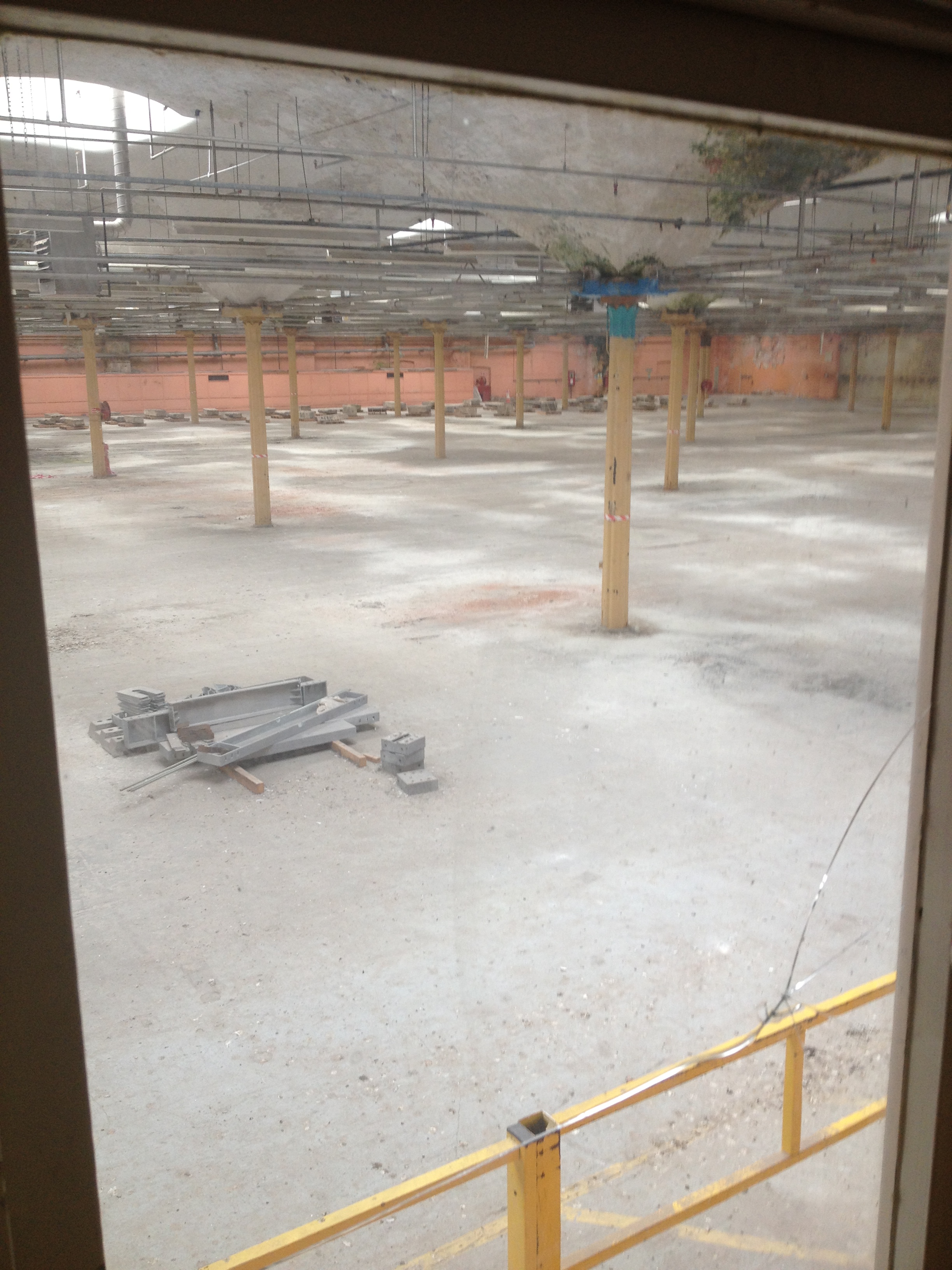
Behind that, though, it was thoroughly modern. The mill itself was the largest room in the world, with 17 exits in case of fire.

IMG_0815

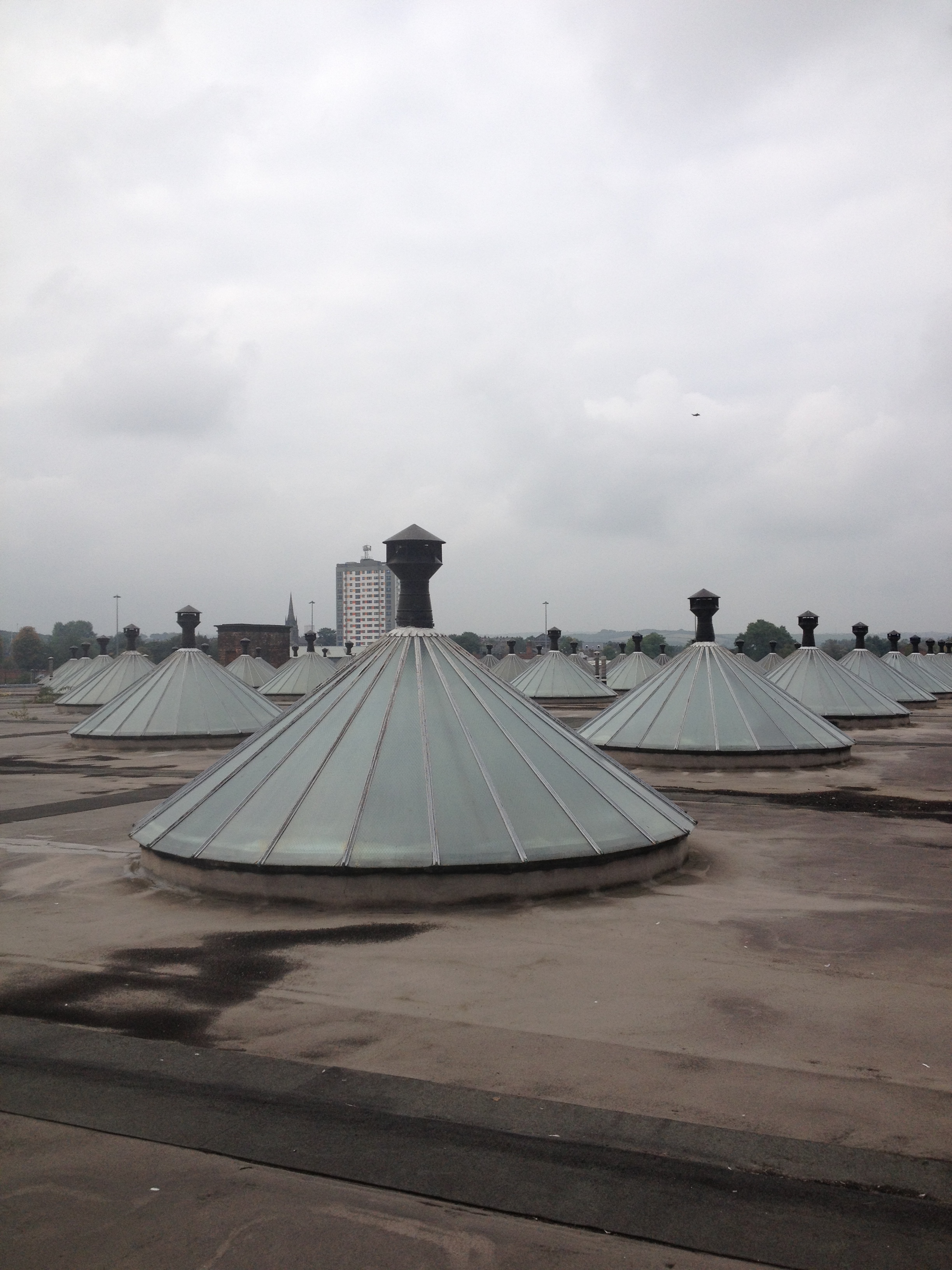
Used for spinning flax, it ran without electricity, powered by steam, generated in the cellar, while the light came from a forest of skylights on the roof that look like something from a science fiction film; they must have seemed completely alien at the time.

IMG_0817

IMG_0816

To provide the heat and humidity needed for spinning flax, all the iron pillars holding up the ceiling in the mill were hollowed, allowing water to trickle down naturally. The moisture level was increase by turfing the roof and having sheep crop the grass there (they were transported up and down in the world’s first hydraulic lift).
Marshall was a hard master, but also enlightened to a degree. He ran a crèche for the women who worked at the mill and there was schooling for the young workers until they were 12.
The building was in continuous use into the 21st century, last as a catalogue headquarters for Kay’s. These days, though, as Templeworks, it’s an artist’s co-op that survives without funding. Much of the income is generated from TV companies filming there, but it also hosts theatre and music events.
That reinvention is wonderful, but typical of what’s going on across Holbeck. The factories have gone, but these days it’s the digital hub of Leeds – and what is digital except the industry of the 21st century?
But some of the history is left behind in the fabric. Like these wonderful chimneys still standing at Tower Works, both of them based on old Italian church towers. Like Temple Mill, they’re a reminder that there could even be romance in industry.

IMG_0812