The Right Note. Or Phrase.

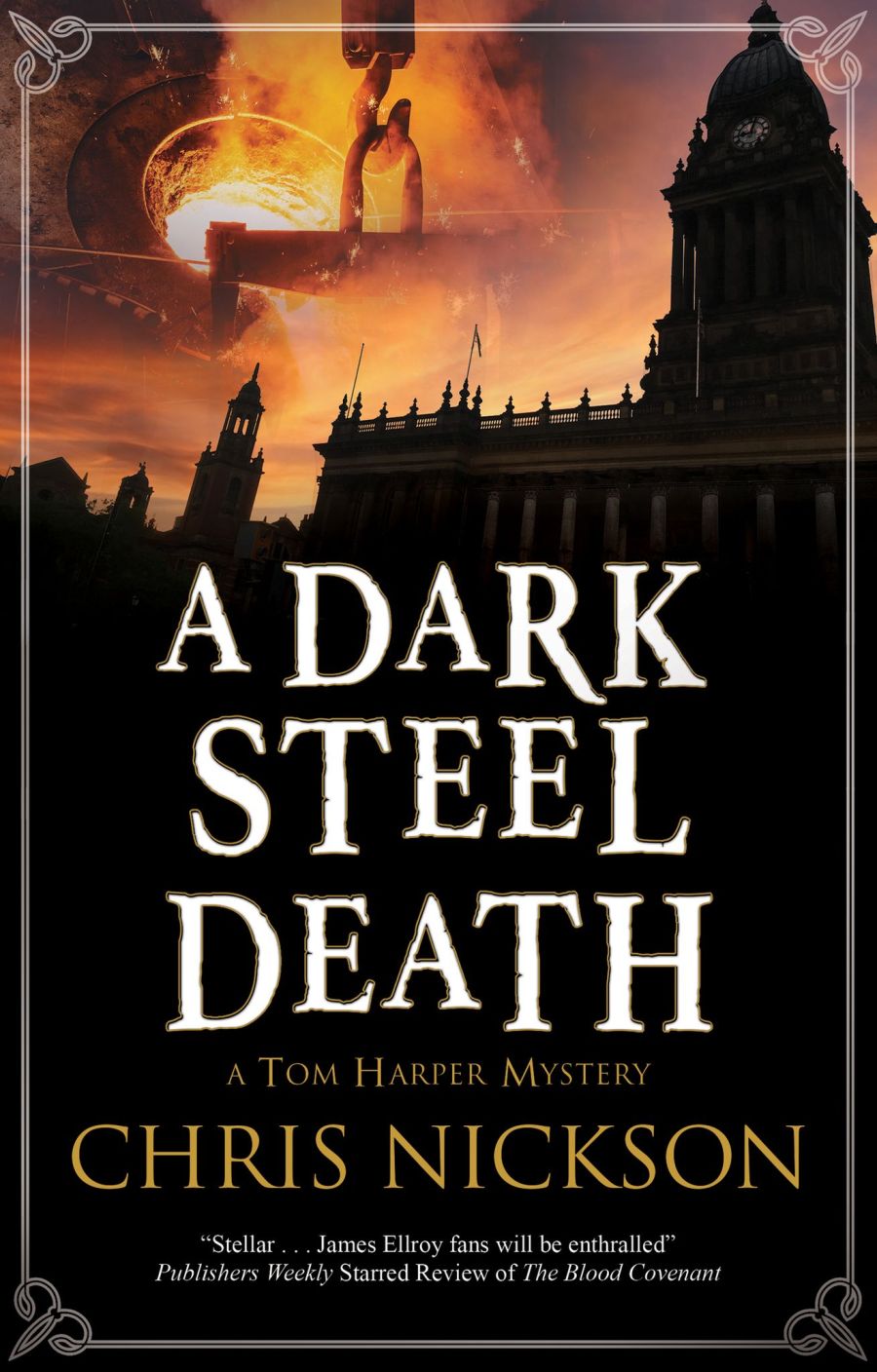
Sorry, but to start off with an aside, A Dark Steel Death is published very soon and I hope you’ll buy it or reserve a copy from your library. I’ve made another video trailer to try and convince you.

Now, on to the main feature…

When I was much younger, I looked up to musicians who could play at blistering speed. Ten Years After on Going Home? Give it to me. The flash of Keith Emerson? Oh yes – saw him live a few times, in fact. But, as I’ve grown older, I’ve learned that so much bluster often covers up the fact that technique can mean saying nothing.

Growing older, I’ve come to realise it’s the right not, and the proper silence that are more eloquent. The quietness of Bill Evans, the two notes from the late Peter Green in Fleetwood Mac that conveyed a world of hurt. The oblique, startling keyboard move of Thelonious Monk. The way Robert Wyatt allows the air into his songs.

It’s much the same with writers. I’ve come across those who overwrite, maybe caught up in language. No doubt it’s good; the critics seems to think so. But we’re all different. It wearies me, the same way that listening to an overbusy guitar solo tires my senses. The same way notes and silence serve a piece of music, not the other way round, then words and spaces are there to serve the story.

There are many kinds of writing of course, just as there are many types of music. My tastes are my own, I’m not trying to impose them on anyone.  I keep trying to hack away the excess in my work and allow the story and the characters to shine through. They’re what matters. If a reader doesn’t actually notice the writing, then I’ve probably succeeded.

Musings on Monk

My other job – well, one of them, anyway – is as a music journalist. It’s something I’ve done for the last 20 years and helps me combine my two great passions, music and writing. Over that time, inevitably, my tastes have changed and broadened. From listening mostly to what might generally be termed rock, I’ve moved towards world and folk music, both quite broad churches. But you can add in some classical, mostly sacred choral music, and a smidgen of jazz. Today is a jazz day. More specifically, it’s a Thelonious Monk day. Monk on his own, just letting his mind and fingers wander around tunes.


As a pianist he’s unique. All too often his playing sounds on the edge, as if it might fall into complete dissonance. That’s especially true at the start of a tune, when he seems to be feeling his way into a piece, some chords played delicacy, others hammered, with notes and harmonies that shouldn’t fit but somehow do. And he sounds as if he’d be just as happy with a barrelhouse piano as a full-size Steinway grand. Whether on standards or his own compositions, he’s instantly recognisable, always throwing in a surprise, be it a beautiful, lyrical run or a change that offers a lurch, a shift in rhythm. In its own way it’s very meditative music. The meditations are Monk’s. He loses himself in his own vision of the music, and that vision is unlike anyone else’s. To this day, the better part of 60 years since he appeared on the jazz scene, there hasn’t been another like him.


He may well have had mental problems and a drug habit, as some have claimed. I don’t know and it doesn’t matter to me. I only know him through his music, and it seems that when he sat at the piano, his particular genius emerged through his fingertips. He played solely for himself. He was lucky in that people liked it, even if many didn’t understand it. With bebop in the ascendant, he happened to be in the right place at the right time. To hear him perform April In Paris, one of those glorious standards, is to see someone open up the petals of a flower and arrange them anew.


As a music journalist, to return to his work is a way to cleanse and open the mind again. As a novelist he can be an inspiration. He didn’t attempt to play to the crowds. He didn’t soften things, he didn’t round off the corners just because it would be easier to the ear. He was true to himself. I was to be the writing equivalent of Monk when I grow up. If I ever develop the courage.