World building is a phrase you’ll often hear in regard to writing. Every author does it, no matter the genre. It’s not simply in fantasy or science fiction, but in all novels, even those set in today’s world. The characters, their relationships, families, where they live. Step by step, the words on the page flesh them out.
I certainly do it. But I’m attempting to also create an alternative history of Leeds.
What is that? It’s something built on the slenderest of reality. Let me explain…
My first series, set in the 1730s, featured a man named Richard Nottingham, the Constable of Leeds. That role would be more honorary than anything, taking part in pageantry while the night watch did the real policing. Richard was a real person, and the town’s constable then; there’s a reference to him parading up Briggate with the great and the good of Leeds. I made him into a proto copper, investigating crimes, living on Marsh Lane crossing Timble Beck each day to the gaol at the top of Kirkgate(the real Richard lived in Kirkgate, then Briggate.
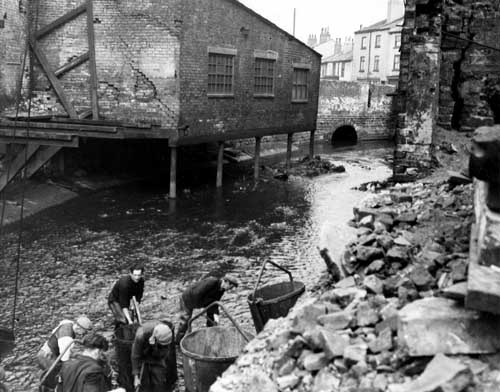
He’s a man with a wife and family and a love-hate relationship with a criminal named Amos Worthy, whose house stood where Swinegate bends. Set in the 1820s, the Simon Westow novels feature a thief-taker, again in the era before a police force. He lives in a house on Swinegate, at the bend of the road, and his twin boys are called Richard and Amos, names he discovered on gravestones outside the Parish Church just before the babies were due to be baptised.
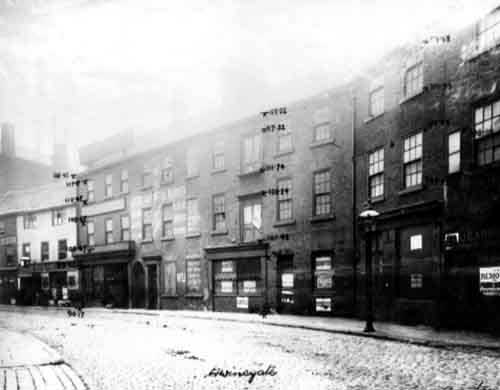
Next January you’ll be meeting Virginia Cooper and her husband Rob; he’s an Inspector of detectives with Leeds Police in 1862. A tip from a friendly lawyer named Amos Westow leads him to a house for rent at the back of Green Dragon Yard. The owner, Jane Truscott, who inherited it from her companion, Mrs Shields, is moving to live with a friend in the country. If you’ve read the Simon Westow books, you’ll certainly remember Jane, a very deadly young woman, older now. Her friend Sally, who also worked as a thief-taker, had long wanted to live on a farm…the thread stretches further. But it’s far from done. Rob Cooper is mentor to a young constable named Kendall, who shows plenty of promise.
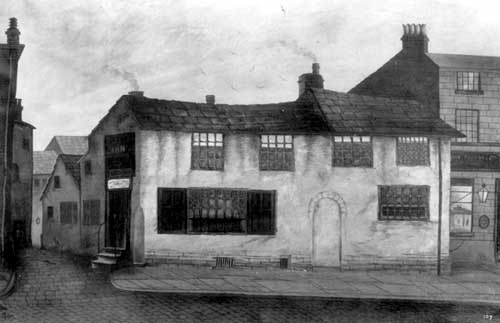
By the time of Tom Harper, in the 1890s, Kendall is a superintendent, in charge of Millgarth police station, a position Harper will assume on his rise to chief constable. Tom and his wife Annabelle have a daughter named Mary, a suffragette who’s also a canny businesswoman, opening a typing agency and school on Albion Place.
Tom is commemorated at Millgarth, his picture framed on the wall. Woman Police Sergeant sees it when she’s there as part of the Special Investigation Branch in 1941
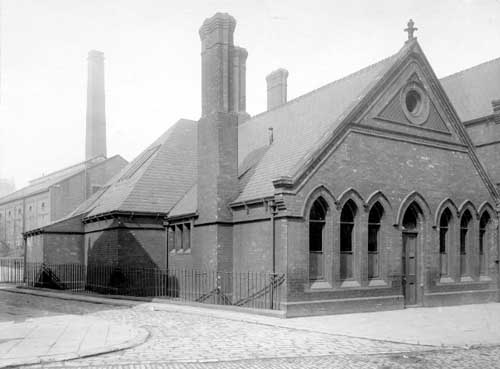
Eventually Mary Harper will become a Leeds city councillor, and as you’ll see in July 2027, she’ll use the services of Cathy after the war, when Cathy, no longer part of the police, runs an enquiry agency.
So far, that’s as far as the thread runs, from the 1730s to the 1940s, a little over 200 years. Leeds as it might have been. Or maybe as it really was and the rest of us are a dream. You decide.
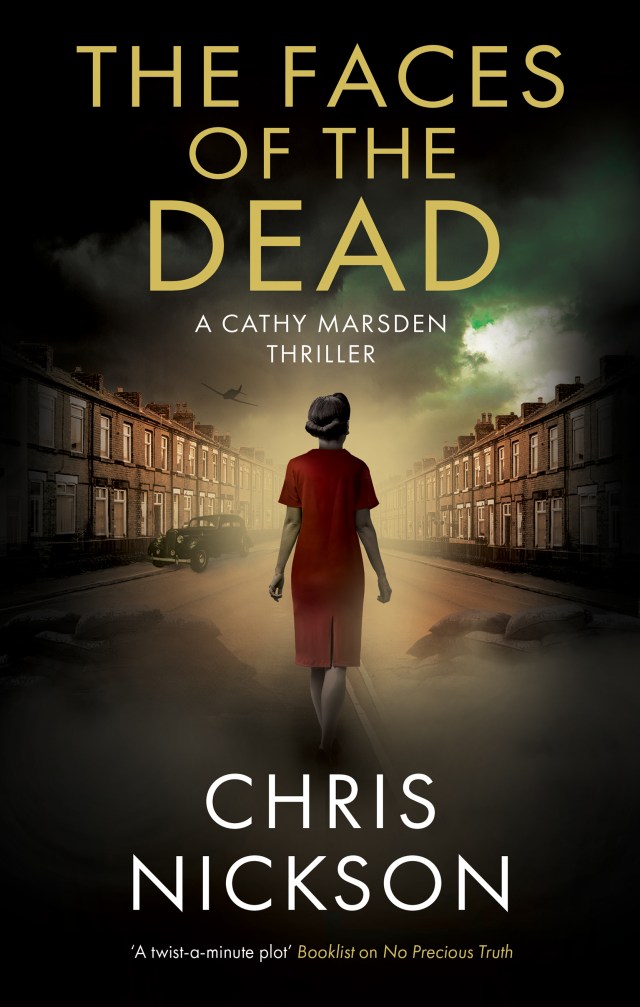
Mentioning Cathy Marsden, you can buy the ebook version of the newst novel, The Faces Of The Dead, for 99p (99c in the US), while No Precious Truth is available for Kindle at the £1.99 or $3.99 in the US (free for Kindle Unlimited).