A Brand New Annabelle Harper Christmas Tale

It’s just over a week until Christmas 2025, and the spirit moved me to write a new Annabelle Harper Christmas story. Yes, it’s unashamedly sentimental, but this is the time of year for that. I hope you like seeing Annabelle again, and enjoy her outing.

Leeds, December 1905

‘Give over,’ Annabelle Harper said. ‘The brewery knows better than that.’

‘That’s what the drayman told me when he delivered the beer this morning,’ Dan the barman told her. ‘Swore up and down it was gospel. They’ve got some kind of problem, so they’ll be limited in how many barrels they can let us have between now and early January.’

‘Right,’ she replied. Right.’ Her face was set. She ran the Victoria public house at the bottom of Roundhay Road. To be told just a week before Christmas that she wouldn’t have her proper order when the place was going to be full every night was the last thing she needed.

A glance through the window showed the rain outside was easing. At least that was something; she wouldn’t end up soaked on her way to the brewery. Skirt just short enough not to brush against the pavement. A coat, hat, sturdy button boots and an umbrella and she set of down Sheepscar Street to the brewery. It wasn’t far, just enough distance to work up a temper. Annabelle was a good customer, sold a lot of their beer and expected better treatment, especially at this time of year.

She was so wrapped up, planning what she was going to say, she almost passed the woman hunched in the doorway with a baby against her chest and another little one huddled against her.

‘Can you spare a penny or two, please, missus?’ She had a cracked voice, pleading, face chapped red by the chill in the air.

Annabelle squatted by her; a single glance was enough to tell her everything.

‘How long have you been sleeping out here?’

‘Last night was the second night.’ The woman turned her head away as if she was ashamed.

‘What happened?’

‘Me husband took off with his fancy piece,’ she replied in a mix of sorrow and anger. ‘Without his wage, I couldn’t pay the rent.’ A helpless shrug. ‘The landlord put us.’

Those children needed to be indoors, somewhere away from the cold. Warmer clothes, too, and some hot food in their bellies. The woman…she was downtrodden, as if all her hope had fled with he husband.

‘Do you have any family?’

‘No, missus, not any more. My mam and dad died, and me brother went off with the army and got hisself killed by the Boers down in South Africa. A penny of two would help if you can spare it, missus. I can get them something.’

The young girl at the woman’s side was silent, wide eyes staring up at her. Annabelle knew she could send them up to the workhouse. She was a Poor Law Guardian; they’d find a place on her say-so. But she knew what would happen. The girl would be separated from her mother. No, that wasn’t the solution.

She dug into her bag and took out a notebook and pencil to write a few lines. She ripped out the page and put it in the woman’s icy fingers.

‘Do you know North Street?’ It was close, no more than five minutes’ walk away.

‘Yes, missus. Course’ Her eyes narrowed, suddenly suspicious. ‘Why?’

‘You go to the address on there and talk to Mrs Wainwright. She’ll fix the three of you up with a room. Full board, too.’

‘But I don’t have any money.’

‘All taken care of for the next three months,’ Annabelle told her with a smile. She produced two one-pound notes. ‘Take those and get some clothes for the kiddies. For youself, too, you must be perished.’

‘I can’t-’ she protested.

‘Yes, you can. You’d have taken a couple of pennies. This isn’t much different.’

‘But I-’ The woman stopped to wipe away the tears. ‘You’re an angel, missus.’

Annabelle laughed. ‘More like a devil if you knew me. Now, you get yourself over to Mrs Wainwright and warm up.’

‘Thank you. God bless you, missus.’

‘Don’t,’ Annabelle told her. ‘Have yourselves a good Christmas.’

She strode off, drawing her shoulders back, ready to do battle at the brewery. As she walked, she noticed the gaggle of men standing around a metal bin, burning scraps of wood to keep themselves warm and the women outside the pawnbroker’s shop with its three gold balls, clutching clothes and sheets to pledge to keep their families fed during the week. Plenty of poverty in Sheepscar.

She had money. The pub was a little goldmine and her husband was a Detective Chief Superintendent with Leeds City police, making a decent amount. But she couldn’t help everyone. That was why she’d run to be elected as a Guardian, to try and help the poor who were always so vilified.

Not enough, though. It was never enough.

She made a few detours after reading the Riot Act to the owner of the brewery, leaving him red-faced and full of apologies, making promises that she’d receive her proper order.

            Howard Winthrop ran a chemical plant over near Skinner Lane. The place stank like the devil’s cauldron, Annabelle thought as she wrinkled her nose. But the man had a good heart and plenty of brass.

            She only stayed long enough to invite him to a meeting at the Victoria that evening. The same at Hope Foundry on Mabgate, where she felt overwhelmed by the noise of the machines. She was back behind the bar for the dinner rushing, before popping out to the Prince Arthur just up the road, round to the Pointers, no more than a few yards from her door, then the Roscoe up Chapeltown Road, and finally the vicarage at St Cuthbert’s church.

            Eight o’clock and they were all in the living quarters over the pub, chattering until she called the group to order with a spoon tapping across her glass of gin.

            ‘Thank you for coming at such short notice.’ She looked around the faces, making sure she had their attention. ‘I saw something this morning that almost broke my heart. A mother and her two bairns out on the street. We’re supposed to be the richest country in the world and things like that happen all the time.’ She waited for the objections to flower, then continued. ‘I know we can’t change it all. Not us, sitting here.’ That kept them silent ‘But maybe we can make sure some of them are warm and fed on Christmas Day. Presents for the little ones, too. Look at us here, we’ve all got plenty. More than we need.’ She smiled at them. ‘Money’s not going to do us any good when we’re six feet under, is it? What do you think?’

            ‘What do you have in mind?’ Winthrop asked as he helped himself to more whisky from the bottle on the table.

            ‘We all chip in and put on something bang-up.’ Annabelle nodded to the vicar from St Cuthbert’s. ‘I thought we could have it in your church hall.’

            ‘I imagine we could,’ he agreed after a moment. ‘Not on Christmas Day, though.’ He looked thoughtful. ‘Some of the churchwomen’s guild might be able to help.’

            ‘If they can’t, we’ll take care of it themselves.’ She drew a piece of paper from the pocket of her dress. ‘I’ve put together some ideas. See what you think.’

*

‘Thirty,’ said Reverend Winterson with a contented smile. ‘I’d call that a very fair turnout, wouldn’t you, Mrs Harper?’

            ‘Do you think so?’ Annabelle replied doubtfully. ‘There are two or three times that number who could have used the food and the warmth.’ She glanced through the open door to the kitchen where her husband Tom was covered by an apron, arms deep in the sink as he washed the plates, while their daughter Mary dried them. Helping without a complaint, not even a moan.

            ‘Maybe so, but…’ His voice tailed away as if he wasn’t sure what to say. ‘Thirty is still better than one. We made a difference.’

            ‘To a few.’ She’d hoped for a huge turnout. Free food, presents for the children. Surely there were plenty who wanted that. The church had put up posters had all across Sheepscar, up into Harehills and Burmantofts, down through the Leylands. All very earnest and serious. Full of religion. Very worthy, with a promise of prayers and hymns to celebrate the birth of the Lord. The kind of Godly folderol guaranteed to put people off when what they wanted was pleasure, an hour or two of relief from life’s grimness.

            ‘Some people have an unfortunate, prideful attitude to receiving charity,’ the vicar said with a sigh.

            ‘I suppose they do,’ she said thoughtfully. ‘There’s plenty left over. What are you going to do with it?’

            ‘Distribute it to the needy,’ he answered.

            She smiled. ‘Isn’t that what we’ve just being doing?’ she asked kindly. ‘Look, it’s two days until Christmas. Can you arrange to get it all to the Victoria tomorrow?’

            He raised his eyebrows in astonishment. ‘I imagine I can. Why?’

            She grinned. ‘Stop by for your Christmas dinner and you’ll see.’

*

Word of mouth. No time for anything more: a Christmas party at the Victoria. No airs or graces, no mention of needy or charity. Everybody invited to have a good time. And it was in a pub, more familiar and welcoming than a church to many round here. On Christmas Eve she’d bribed her regulars with free drinks to help give the place a thorough clean and hang up colourful paper chains. Jingling John had arrived with a few holly boughs to hang. By evening the public bar looked festive. She didn’t ask where the scrawny Christmas tree in the corner had come from; sometimes it was prudent not to know.

            Christmas morning, she was up early, making sure everything would be ready. The Victoria wouldn’t be open for paying business today. Annabelle had time to eat breakfast and spend half an hour on gifts. Book and notebooks for Mary, and she looked over the moon to receive them, dashing across the room to hug her parents.

            The girl had embroidered handkerchiefs for each of her parents. Decent work, done with love and duty, but the girl would never make a seamstress, her mother thought. Just as well that she had her sights set on other things. Learning to use one of the new typewriters and starting a secretarial agency. One of the modern jobs. She was clever and ambitious; maybe she’d make a success of it.

            Tom had surprised her the smart set of gold earrings she’d had her eye on for months. She’d never said anything, but he’d been a good, observant policeman. It was nigh on impossible to buy for him; in the end she’d scrambled around, settling on a fancy paisley silk scarf from the Grand Pygmalion.

            On the dot of noon, she unlocked the door. Fires had been burning in the hearths for a couple of hours, every room warm and comfortable. Food on the tables. Nothing hot, but ample to fill plenty of bellies. She just had to hope they’d come.

*

Half an hour and the Victoria was full. Someone was thumping out Nellie Dean on the piano, the big song of the year at the music halls, and voices were singing along, some beautiful and soaring, most hopelessly out of tune. Many of them smiling at her and raising their glasses in a toast.

            Annabelle looked around the happy faces and felt a surge of gratitude.

            A proper Christmas party. There, almost hidden in the corner, eating a mince pie, the woman she’d seen on Sheepscar Street. The one who’d inspired all this. Baby suckling with contentment at her breast, the older daughter playing with a rag doll.

            She felt Tom come up behind her and put his arms around her waist.

            ‘They’re enjoying themselves,’ he murmured in her ear.

            ‘So am I,’ she told him with a happy grin. ‘So am I.’

Remember, if you like this, there are 11 novels featuring Tom and Annabelle Harper. There are also two of mine that came out during the year and make great gifts for yourself or people you like. I’d be grateful…what you decide, have a lovely time and a happy and healthy 2026.

Jingling James – An Annabelle Harper Xmas Tale

Actually, not quite Annabelle Harper. Still Annabelle Atkinson, a recent widow after her husband Harry died and left her the Victoria. But you’ll see for yourself.

Here were are, Christmas Eve, and this is the last of the Christmas stories dug out from the past. I hope you’ve enjoyed them. Thank you for reading, and for reading/buying/tolerating my books and posts. Happy holidays – what ever you celebrate – to you and those who hold dear. May 2025 be kind to us all and see us in good health.

Thank you again.

Leeds, December 1887

Annabelle Atkinson didn’t want Christmas to arrive this year. She didn’t feel any of the joy or the goodwill this December. It was barely three months since her husband Harry had died; the earth had barely settled on his grave.

They’d had a few good years before the heart attack took him. Now she had to look after the Victoria public house as well as the two bakeries she’d opened. On her own, sometimes she felt like she was drowning.

On Christmas Eve, once the last customer had gone, she intended to bolt the door, closed the curtains, and keep the world away until Boxing Day. She’d never been one to wallow in sadness; if you had a problem you took care of it and carried on. But these last few weeks…she’d been slowly sinking and she knew it. She felt like one of the jugglers in the halls, trying to keep all the plates spinning in the air. Too many of them.

‘Come on,’ she said to Willie Hailsham, taking the empty pint pot from his hand. ‘You’ve had enough. Get yourself off home so your wife can remember what you look like.’

The same with Harelip Harmon, Donald the Steel Man, and Jingling James, always moving the coins around in his pocket. They’d stay drinking all night if anyone would keep serving them.

‘Don’t you have homes to go to?’

It was the nightly routine, almost a comedy act after so long. They drained their glasses, said their goodnights and then the bar was empty. She locked the door, drew down the bolts and let out a long sigh. Glasses to wash, woodwork and brass to polish.

Better get started, she thought. The work’s not going to do itself.

Up a little after three to supervise the baking in the kitchen at the other end of the yard. The last day before Christmas, orders to fill, plenty of demand; the shops would be little goldmines today. And the Victoria would be packed from the time the factories closed.

Gossiping with the girls as they all worked together, mixing, kneading, baking, the smell of fresh loaves filling the air and making her hungry. Back in the rooms over the pub she made breakfast.

This was what hurt most: the silence. There used to be so much laughter here when Harry was alive. It seemed like there was always something to set them off. Now just being here was oppressive, all the weight of ghosts around her.

Dan the barman and Ellen the barmaid were already working hard with polish when she went downstairs. Sleeves rolled up and plenty of elbow grease, they’d be done soon enough. Nothing for her to do here. The dray from the brewery was due at ten, but Dan could take care of that.

Annabelle put on her cape and picked up her purse. Go into town and have a poke around the shops. An hour or two away might perk her up. But there was no magic in December this year. The pavements were full of people jostling around, weighed down by packages and bags. She felt removed from it all. The displays in the windows of the Grand Pygmalion didn’t make her want to part with her money. She was low, she knew it; a lovely gown or a good hat could usually tempt her. Today, though, there was nothing. No cheer.

Even a stop at the cocoa house for something warm to drink and a slice of cake didn’t help her mood. She trailed back out along North Street, through the Leylands and past the little park, back along to Sheepscar.

Soon enough the Victoria was busy, and it would stay that way until she called time. She took her place behind the bar, smiling, flirting the way she always had, and for a few minutes at least she could forget why she hurt inside.

‘Give over,’ she told one man who insisted he’d be a good husband. ‘I’d wear you out in one night, then I’d have to send you home to your missus.’ It brought laughter. As she walked around, collecting glasses, she brushed hands away, giving the culprits a look. It was all part of running a pub. A game; if you played it well, you were successful.  And she had the knack.

Annabelle promised old Jonas free beer for the evening if he played the piano in the corner, and soon half the customers were singing along the favourites from the music hall. It gave her a chance to breathe and Dan could look at the barrels.

By eleven she’d had enough. The pub was still busy, the till was overflowing. But all the noise made her head ache. She needed some peace and quiet for a while. She wanted the place empty.

‘Come on.’ She rang the old school bell she kept under the bar, next to the cudgel for sorting out the unruly. ‘Time for you lot to see your families. They probably don’t believe you exist.’

Slowly, the crowd thinned. Another five minutes and it was down to the usual four still standing and supping. Donald the Steel Man, Willie Hailsham, Jingling James, and Harelip Harmon.

‘That’s enough,’ she told them. Her voice sounded weary. She knew it and she didn’t care. They were regulars, they’d probably been coming in here since they were old enough to peer over the bar. ‘Let’s call it a night, gentlemen, please.’

James slipped off to the privy while she was ushering the others out, wishing them merry Christmas and accepting beery kisses and hugs until they’d gone and she turned the key in the lock.

Then James was there, looking bashfully down at his boots. He was a gentle soul, a widower with grown children. Fifty, perhaps, his hair full white, jammed under his cap.

‘Are you seeing your family tomorrow?’ she asked.

‘Not this year.’ He gave a small shrug. ‘They all have their plans. It’s different now, everyone’s so busy. What about you?’

‘A quiet day. Maybe it’s better that way.’

‘When my Alice died I carried on, same as I always had. The bairns were grown and gone but I still had to work and put a roof over my head.’

‘I know,’ she agreed. The everyday tasks that carried on like a machine. Without thinking, he jingled the coins in his pocket.

‘Then her birthday came around. We never made a fuss when she was alive, well, who could afford to? First we had the little ‘uns, then it didn’t seem to matter so much.’

‘We were the same,’ Annabelle said. ‘No kids, but Harry’s birthday or mine, there was still the pub to run.’

‘Any road, the year she died, on her birthday it suddenly hit me how alone I was. Not just then, but for the rest of my days. Because no one could replace Alice. I had all them years in front of me.’

‘What did you do?’ she asked.

‘I sat there at the table and made myself remember all the good things. How she looked when she smiled, how she sounded when she laughed. The way she were pretty as a picture when we got wed. I said it all like she were sitting there and I was talking to her.’

‘Did it help?’

‘It did. I can tell you’re feeling that way. I can see it in your eyes. I just thought it might help.’ He gave her a smile and bussed her cheek.

‘You said you’re not going anywhere tomorrow?’ Annabelle said.

‘That’s right.’

‘Come round for your tea. It won’t be anything special, mind.’

‘Are you sure?’

‘Yes,’ she said with a smile. ‘I’ll probably sick of my own company by then anyway.’

Maybe making an effort would help. Even a small one.

She locked the door behind him, hearing the jingling of his coins as he walked down the street.

Family – An Annabelle Harper Christmas Story

Leeds, December 1889

It was still dark when she finished the baking, and bitter outside the kitchen. She washed the flour from her hands, walked through the yard and unlocked gate that led to Roundhay Road. The draymen would arrive soon enough, the sharp sound of hooves as the horses stopped outside the Victoria. She peeked out into the street. The air was winter-heavy and wet with soot.

            It was early but there were already men out walking, on their way to jobs in the boot factories and tanneries, the mills and breweries. The gas lamps offered a faint glow. She turned and caught the silhouette of someone crouched on the doorstep of the pub.

            Someone small. A boy.

            “Waiting for something, luv?” Annabelle Atkinson asked as she crossed her arms. “We’ll not be open for two hours yet.”

            “I’m just sitting,” the lad answered. She could hear the cold in his voice. As she came closer, she was that his face was grubby and he was only wearing a thin shirt and a pair of ragged trousers that left his calves bare, his shoes were held together with pieces of string. He wasn’t local, she was certain of that. Annabelle knew everyone around Sheepscar, each man, woman and child. “No law agin it, is there?” he asked.

            “Not if you want to stay there,” she told him. “Warmer inside, though. The oven’s going. Cup of tea. Maybe even breakfast if you’re not too cheeky.”

            He was torn, it was plain on his face. The boy was thin as a stick and didn’t look as if he’d had a full meal in days. She didn’t say anything more, deliberately turning away to stare back up the road towards the endless streets of back-to-back houses and factories. December. It would be a good while yet before it was light. As light as it ever became when the air was filled with fog and smoke.

            When she looked again he was there, standing close, expectant and wary.

            “You’re not having me on, missus?”

            “No, luv, in you go.” She watched him run through the yard and into the kitchen. By the time she entered he was already standing by the oven, hands outstretched, soaking in the heat. She didn’t have any bairns of her own. Her husband had been older, then he’d died and she’d taken over running the pub. However it had happened, she’d never caught. Now she was courting again, a man called Tom Harper, a copper of all things, a detective inspector, set to wed next year if she could ever persuade him to pop the question.

            She cut two doorsteps of bread, buttered them thickly and placed them on the table in front of him. Before he could grab one she took hold of his tiny wrist and said,

            “You’re not eating with those filthy paws. Get them under the tap. Your face, too. We’re not short on soap.”

            He returned, skin scrubbed and glowing, grabbing the food before she could say anything more. Annabelle brewed tea, one cup for herself, another for him, milky, with plenty of sugar.

            “What’s your name?” she asked.

            “Henry, missus,” he answered with his mouth full.

            “You can call me Annabelle. Where are you from? I’ve not seen you around before.”

            “Me and me da just moved here two day back. We was living in Morley, then me mam and me sister got ill and died and me da started drinking and lost his job so we had to leave.” The words arrived in a rush. “He thought we might do better up here.”

            She smiled softly. The lad couldn’t be more than eight. But what had happened to him was no more than had happened in so many families.

            “We’d best get you home then, Henry. Your da’ll be worried. Get some food in you and I’ll walk you back.”

            “He din’t wake up yesterday, missus.” He said the words flatly.

            “What do you mean, pet?”

            “He’d had a few drinks the night before so I thought he were asleep. I knew he’d belt me if I tried to wake him up, so I left. When I got back the door were locked and he din’t answer. I don’t know anyone round here so I din’t know where to go.”

            “Right,” she said after a minute. “You tell me where you live, Henry and I’ll go and see your Da.” Emma the barmaid came into the kitchen, raising her eyebrows at the sight of the child. “Can you make him something hot?” Annabelle asked. “Bacon and eggs, whatever we’ve got. Poor little sod’s perishing. And see he gets a bath after. I’m off to see his Da.”

            “Are you posh, missus?” Henry asked, looking at the servant in awe.

            “No, luv,” Annabelle laughed. “I’m not.”

Armenia Grove ended in a big stone wall at the back of the dyeworks. A little further along, Gipton beck ran along past the school, down to the mill pond. Number six was the same as its neighbours, all blackened brick and rotting woodwork, the front door opening as the turned the handle. Henry and his father had the upstairs room at the front, the boy had told her. Locked, just he’d said. She knocked but there was no reply.

            Back on the street, Annabelle caught a glimpse of Bert Hardwick and shouted him over before he could duck out of sight.

            “There’s a door I need opening,” she said.

            He gave her a sheepish glance. “I don’t do that kind of thing no more. I’m over at the brick works now. It’s steady, like.”

            She shook her head. “I don’t want to take owt. Just work the lock for me.”

            It only took him a few seconds, working with the tip of his pocket knife. Before she could enter, he’d vanished, boots hammering down the stairs. Men, she thought. All bloody useless.

            Rags covered the window, blocking out the first light. But she could still see the shape on the floor, huddled under a threadbare blanket. Annabelle spoke his name but he didn’t stir. She reached out to touch his cheek then recoiled with a gasp as soon as her fingers felt his cold skin.

            Quietly, she left the house.

Dan the barman was emptying the spittoons and polishing the tables. She asked him to find the beat bobby and take him to the house on Armenia Grove.

            “He’ll know what to do.”

            She brightened her expression and walked through to the kitchen. Henry was sitting in front of the oven, wearing nothing more than a large towel. Emma had stoked up the fire and washed his clothes; they were strung up on the wooden rack, steaming as they dried.

            “You look better all cleaned up,” she told him. “Right handsome.”

            “Did you find my Da, missus?”

            “I did.” She stood by the chair and took hold of his hand. “What’s his Christian name?”

            “Edward,” the boy answered. “But everyone calls him Ted.” Worry flashed across his eyes. “Why, missus?”

            She gazed at him for a moment.

            “I don’t know how to tell you, Henry, so I’ll just do it straight. Your father’s dead. It looks like he passed away in his sleep. I’m sorry.”

            His grip tightened.

            “But…” he began, then the words failed him. He began to cry and she cradled him close, rocking him softly until the tears turned to slow hiccoughs.

“Tom, you’ve got to help him.”

            He’d arrived after work, close to eight on a dreary evening, exhausted and dirty. He’d ended up chasing a pickpocket out to Marsh Lane, finally bringing him down in the mud that passed for road there. She’d kept a plate warm in the oven for him, the way she always did, hoping he’d visit on the way back to his lodgings.

            “Where is he now?” Inspector Harper asked.

            “Fast asleep, poor little perisher.” She smoothed the silk gown and with a satisfied sigh, let down her hair so it fanned over her shoulders. The mutter of voices came from the bar downstairs. “He’s all cried out. I finally got him to tell me that his mother’s sister lives in Morley. She’s Temperance, so after his ma died, she wouldn’t have anything to do with his father because he was a drinker. What do you think? Maybe she’d take him in.”

            “Maybe. What’s her name?”

            “Molly Wild.”

            “I can get in touch with the station down there. Someone will let her know. I can’t promise. What about the father?”

            “Burial tomorrow up at Beckett Street.”

            He shook his head. “You’re paying?”

            “Guinea grace,” she told him. “Come on, Tom. He needs to be able to remember his da, doesn’t he?’

            “Yes,” he answered slowly. “I suppose so.”

            “It’s only money. I have the brass for that.”

Two days passed before the woman arrived. Annabelle had set Henry to work, washing glasses and helping with small tasks in the kitchen. He was an eager little worker, humming as he did whatever he was told. Only when the memories caught up with him would his face crumple and the tears begin. She fed him well and tucked him into the spare bed every night, watching from the doorway until he was asleep.

            “There’s a woman outside wanting to talk to you,” Sad Andrew told her as he entered the Victoria. It was a little after ten in the morning, the fog thick as twilight.

            “Tell her to come in, then,” she said. “I’m right here.”

            “She says she won’t come into a public house.” He mimicked a prim voice and Annabelle sighed, drying her raw hands on an old cloth before pulling a shawl around her shoulders and pasting a smile on her face.

            A horse and cart stood at the curb, driven by a man with hunched shoulders and a defeated expression. The woman had climbed down, glancing at the pub with a critical eye. Her bonnet was black, her gown a plain charcoal grey, button boots peeking from the hem.

            “You must be Mrs.Wild.”

            “I am,” she replied with a sniff.

            “I’m Mrs. Atkinson.” The woman’s gaze moved to Annabelle’s hand, no ring on the third finger. “I’m a widow.”

            “I see.” Her tone was disapproving. “The police came,” she said as if it was the most humiliating thing that could have happened. “They said Henry’s here and that his father’s dead.”

            “That’s right. Do you want to see him?”

            The woman stepped back as if she’d been slapped.

            “I would never set foot on licensed premises.”

            “Then I’m glad not everyone’s like you,” Annabelle said, smiling to take the sting from her words. “I’d be out of business in a week.”

            “Was it the drink that killed my sister’s husband?”

            “I don’t know, luv. All I did was take the boy in and see that his father was buried. But now you’re here, I’m sure Henry will be glad to have a home with you.”

            “We already have five children.”

            “Then you’ll hardly notice another.” She tried to make her voice light.

            “We have good, God-fearing children.”

            “You’ll love Henry. He’s a wonderful little lad.” She paused for a heartbeat. “He’s your own flesh and blood. Your sister’s boy.”

            “I don’t know.”

            “Tell me something,” Annabelle said. “You strike me as someone who likes to live by the Bible.”

            “Of course we do.” Mrs. Wild lifted her head.

            “Then what does it say in there about looking after those in need?”

            “Don’t you go quoting that to me!” the woman bristled. “I’ll not have that from someone who runs a place like this.”

            “What about someone who took your nephew in when he had nowhere else to go and arranged his father’s burial?” It didn’t matter who the woman was or what Annabelle needed from her. No one was going to speak to her that way. “Or doesn’t that count because I own a pub?”

            The man on the cart turned.

            “Just bring the lad out, missus.” He glared at his wife. “Don’t worry, we’ll look after him proper, won’t we, Molly? Like you said, he’s family.”

She stood on the doorstep of the Victoria, watching them drive away until they vanished into the fog. Henry had clung to her, not wanting to leave, crying once again as his aunt looked on, hawk-faced.

            But it was for the best, she told herself. They were family.

Guinea Graves And The Victoria Public House

What was a guinea grave? They’re mentioned a time of two in the Tom Harper books. Take a little trip with me to Beckett Street cemetery and I’ll tell you. It’s one of those things that manages to be uplifting and heartbreaking at the same time.

Guinea graves

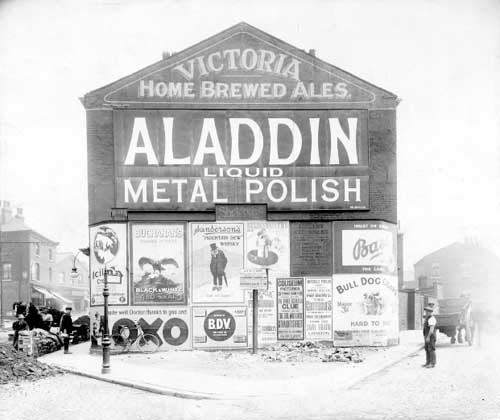
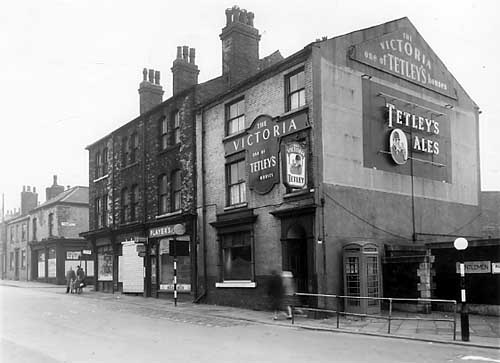
And here’s a little bonus for you, as I was out doing some filming. Come and see what was once the Victoria public house at the bottom of Roundhay Road, where Tom and Annabelle used to live.

The Victoria, 8 Roundhay Road.

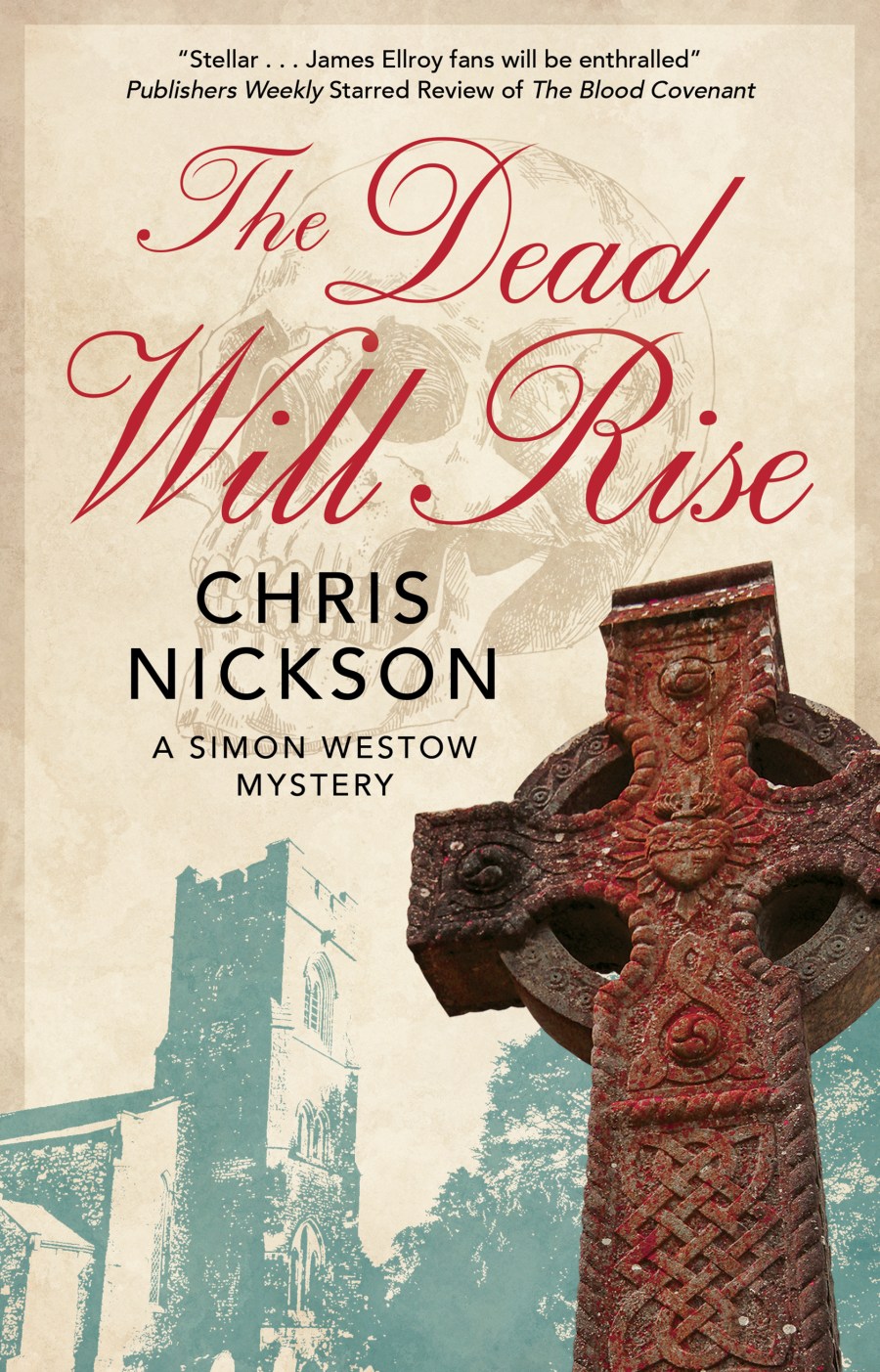
Please remember, The Deal Will Rise is published everywhere next week, and I’d be very, very grateful if you’d order a copy. However, if you’re in the UK, don’t order the hardback from Amazon – Kindle is fine – becasue they’ve screwed up and are currently charing far more than the list price. UK is fine.

So Who Is Annabelle Harper?

Annabelle Harper has really stepped into the limelight with The Tin God. It’s interesting that many reviewers and readers have seen it as her book, rather than a Tom Harper crime novel.

She’s been there all through the series of course. But for those who don’t know about her past, a little piece of fiction to very quickly tell her story…

Leeds, 1898

Annabelle Harper dusted the mantelpiece. By rights it needed doing every day, but she didn’t have the time. Running the Victoria public house downstairs, her work as a Poor Law Guardian and having a six-year-old daughter took up every waking hour. And with her husband being a Detective Superintendent, there was no knowing when he’d be at home.

victoria1

Leeds. It got everywhere. Soot and grit on the windowsills, in the carpets, in the air…it was a losing battle to keep anything clean. Hang out the washing and it was covered in smuts by the time you took it in.

That was the price for prosperity, people said. Maybe they were right. But there was precious little wealth in Sheepscar, just people doing their best to survive, and plenty going under. Yet folk believed the lies, and the ones who told them grew richer.

She picked up the photograph in the silver frame, wiped it carefully, then held it at arm’s length and studied it. How long since she’d really looked at those faces. There she was, carefully posed, back straight as she sat in the chair, wearing the first expensive gown she’d ever owned, her face so young and serious. Standing behind her, one hand resting on her shoulder, Harry Atkinson, her first husband. Much older, the usual twinkle in his eye hidden as he stared seriously at the camera. Thirteen years he’d been gone now. She still thought about him, but only from time to time these days; he seemed like someone from another life. Well, he was, she told herself with a smile, he was. But a good life. Without him, she’d never have had all this. She’d never have met Tom Harper and never have had Mary. You never knew, she thought. You never knew what life was going to do.

Odd flashes of those times ran through her mind. Harry and his wife Elizabeth taking her on as a servant. Elizabeth dying of cancer, vanish right in front of them, inch by inch. The strange courtship she had with Harry, the quick honeymoon in Scarborough, the first time she’d ever seen the sea. The way he taught her how to run a business and how she surprised herself by having a knack for it.

Harry was older, he had a good thirty years older, a man who look at life with his eyes wide open. He’d prepared her for when he’d be gone. And then it happened. Quietly, in his sleep. As soon as Annabelle woke, she knew the life had gone from him. She reached over and stroked his cheek.

‘Oh, you,’ she said as she started to cry. ‘Oh, you.’

The only thing she remembered with absolute clarity preparing for the funeral. The casket was already in the hearse. She just had a few minutes alone up here with his ghost.

Staring at the mirror. The way the light flickered in the gas mantle, reflecting in the jet buttons of her dress. In black, from head to toe. Even the lace and the petticoats and the new leather boots that pinched her feet.

She’d picked the funeral hat off the back of the chair and arranged it on her head, spreading the veil in front of her face. Her hand was raised, ready to pin it all in place, when she tore it off and sent the hat spinning across the room.

She turned to the photograph on the mantelpiece. A shiny silver frame. Herself, sitting with her husband’s hand on her shoulder. Mr. and Mrs. Atkinson.

‘You sod,’ she said quietly. ‘You bloody sod.’

No hand to steady her now.

They’d all be waiting downstairs in the pub. Harry’s sister and her children, Dan the barman, the two servants, and all the neighbours and friends from round Sheepscar. The hearse was outside, the horses with their sober ebony plumes.

She breathed deeply, gathered up the hat and set it in place again, hearing the footsteps on the stairs, then the tentative knock on the door.

‘Annabelle, are you ready, luv?’ Bessie, her sister-in-law. ‘Only it’s time.’

A last glance in the mirror and at the picture.

‘Yes,’ Annabelle Atkinson said. ‘I’m coming.’


A final swipe with the duster and she put the picture back on the mantelpiece, adjusting the angle once, twice, a third time until it seemed just right. She took a deep breath. Then she heard the small footsteps on the stairs and her daughter was shouting at the top of her lungs.

‘Mam, can you give me a hand?’

She shook her head, putting all the past behind her again.

‘Yes,’ Annabelle Harper said. ‘I’m coming.’

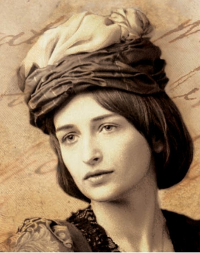
annabellefrom book_3

The Tin God is out now in the UK, and on July 1 elsewhere. I hope you’ll buy it – and please, leave a review somewhere. It all helps.

Thank you.