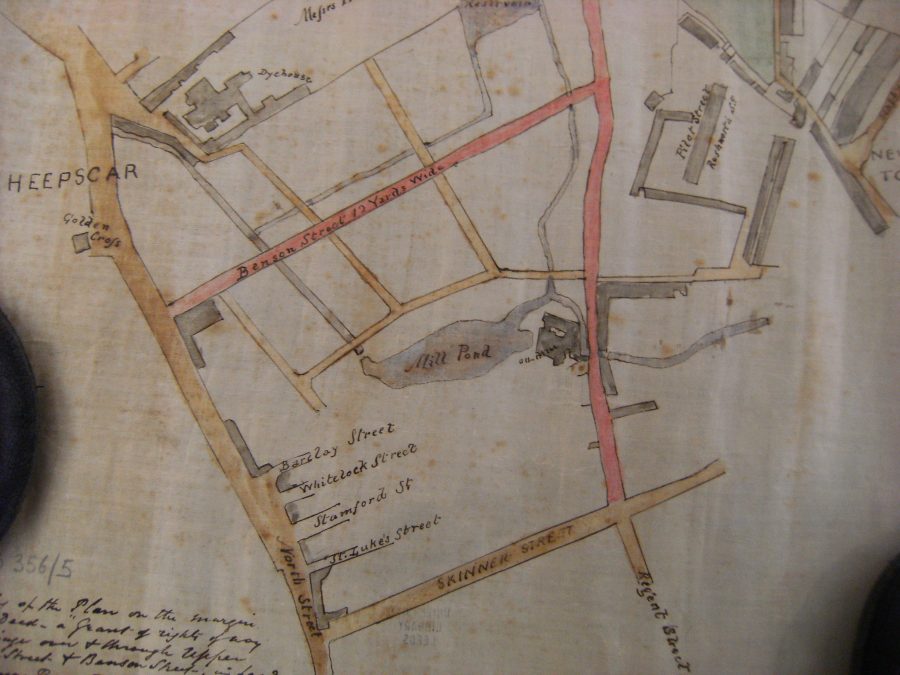
Sheepscar Beck, said Ralph Thoresby, the first historian of Leeds, “is the nameless water, that Mr William Harrison, in his description of Britain, (published in the reign of Queen Elizabeth), mentions as running into the Aire, on the north side of Leeds, from Wettlewood (as it is misprinted for Weetwood), This beck proceeds from a small spring up on the moor, a little above Adel, and yet had some time ago [previous to1714], eight mills upon it, in its four miles’ course. The first is that of Adel near unto which is the Roman camp, and the vestigial of the town lately discovered; and the last before its conjunction with the Aire is this at Sheepscar, which above eighty years ago [before 1714] was employed for the grinding of red wood, and making rape oil, then first known in these parts. It was converted into a corn mill in the late times, but upon the Restoration, when the king’s mills recovered their ancient soke, it dwindled into a paper mill, not for imperial, but for that coarse paper called “emporetica”, useful only for chapmen to wrap wares in. It was afterwards made a rape mill again, as it now stands.”
It’s worth pointing out that Thoresby made an unsuccessful investment in the Sheepscar rape oil mill and lost quite a chunk of his capital.
Sheepscar Beck is actually one of two streams that meet near the bottom of the area (along the way it’s also known as Meanwood Beck on its trail across the area from its proper origin on Ilkley Moor). It comes in the from northwest, while Gipton Beck arrives from the north. It’s most clearly illustrated on the most ancient map of Leeds, created for a court case in the 1570s, where Gipton Beck is mysteriously called Newton Beck (the new New Town for part of the area didn’t appear until later).
Together, they become Lady Beck, or Timble Beck, going down Mabgate, then through Leeds (Timble Bridge, covered over more than a century ago, crossed the water at the bottom of Kirkgate) to reach the River Aire close to Crown Point Bridge.
Sheepscar Beck on the left, meets Gipton Beck
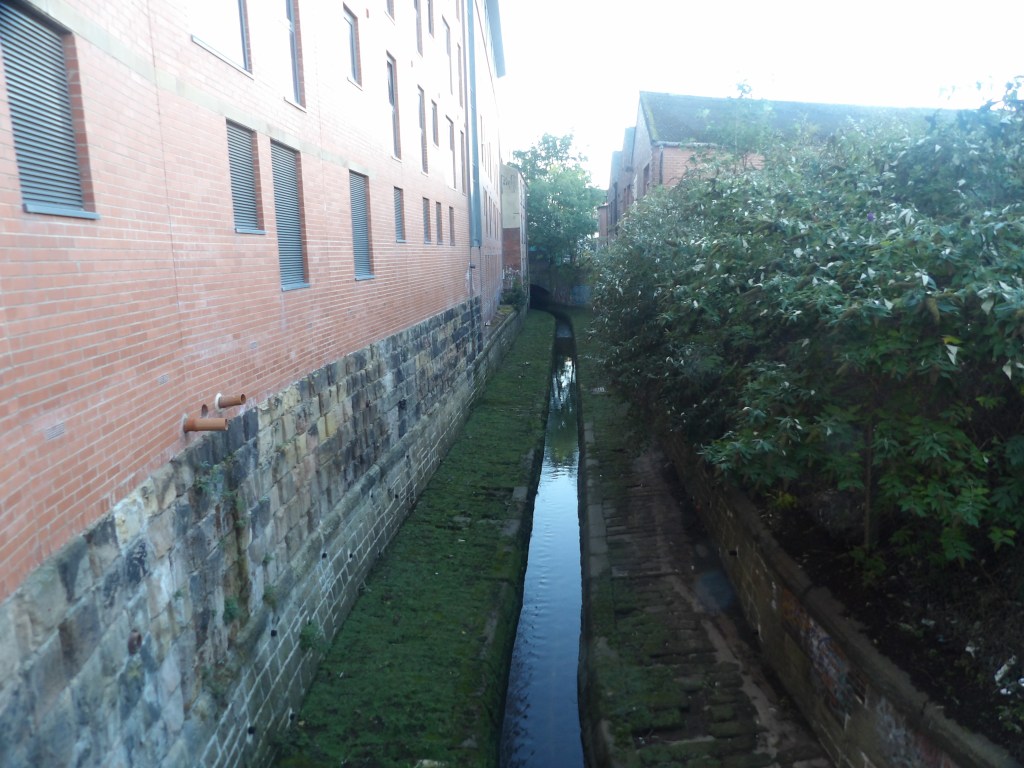
Early on it ran as free as if had been in the country, but as Leeds expanded, the beck was culverted and largely covered over. However, you can still see a few traces at the bottom of Sheepscar, where the two streams meet and the mill pond would have been, just below Bristol Street.
It’s also easy to track here and there along Mabgate – a bridge crosses it on Hope Street – before one final glimpse as it vanishes underground, not too far from the Eastgate roundabout.
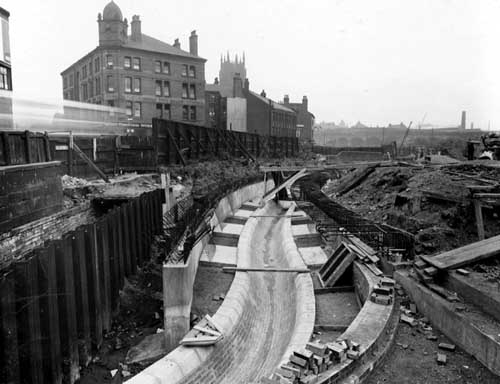
Going underground
The culverting and covering of Timble Beck was a massive undertaking, as this picture shows.
Where Timble Bridge once stood.
By several names, beck and bridge have featured in any number of my books. It was a totem throughout the Richard Nottingham series, and has played a large role in the Simon Westow books. For the most part, Leeds hasn’t been kind to its own history, treating it as something in the way instead of worth saving.
But the beck, or what few bits you can still see, is history right under your feet. It’s powered mills, it’s flowed through the history of this place. These days it’s greatly diminished, but the role it played in helping Leeds develop, especially Leeds industry, is huge.
Lady Beck/Timble Beck
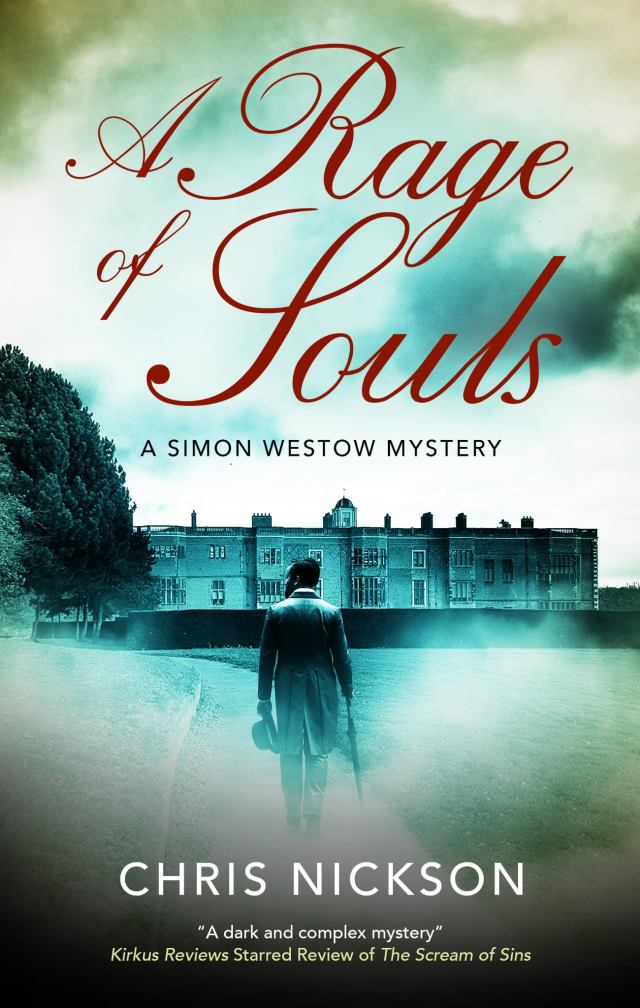
Since you’ve read this far, can I put in a quick plug for my upcoming book, A Rage Of Souls, which will be published October 7. It’s the eighth and final Simon Westow, every bit as dark and explosive as you could wish. Please ask your library to buy a copy, and you can pre-order it for yourself right here. Thank you and keep Leedsing. If that’s’ not a word, it should be.
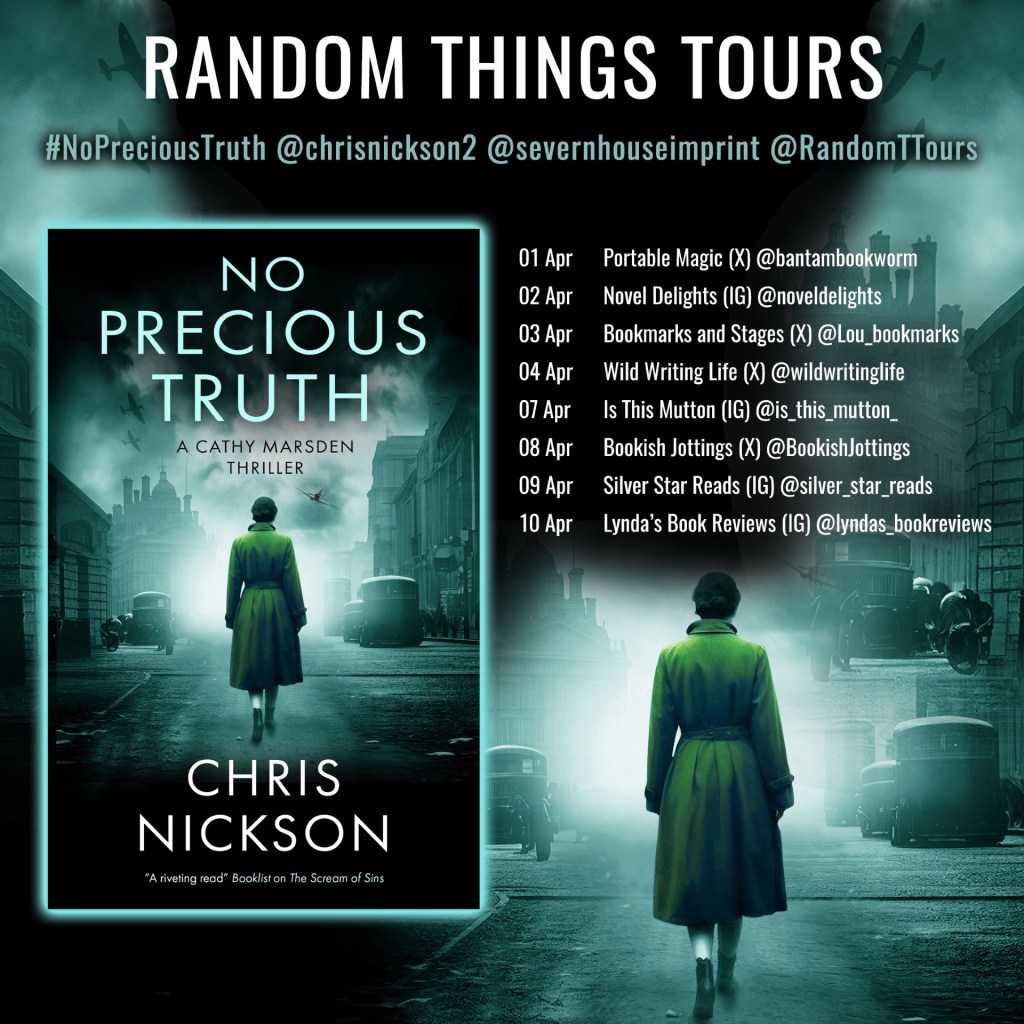
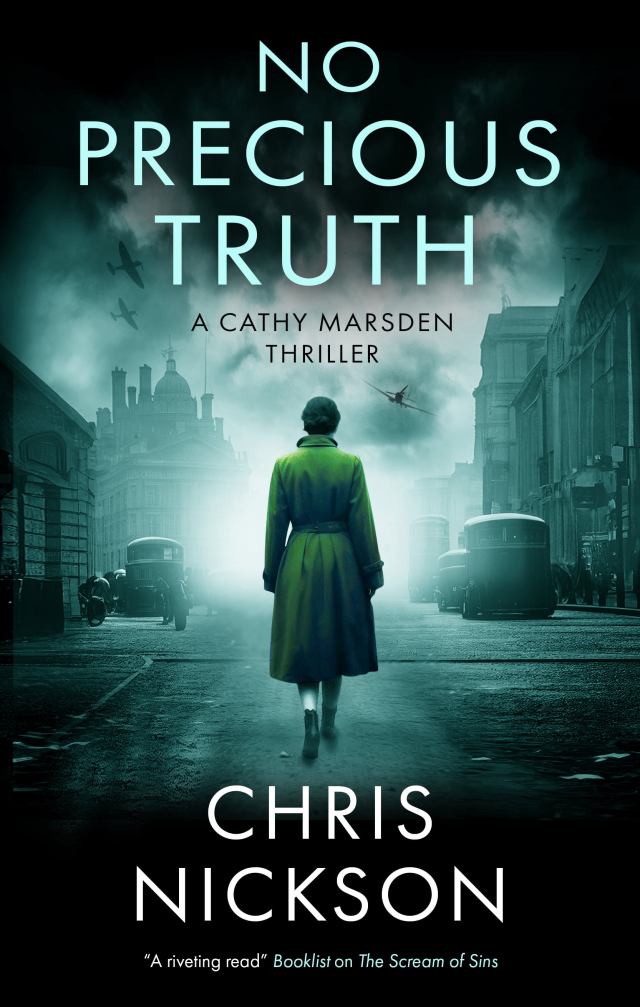
Just a week until No Precious Truth is published (April 1, and I hope that’s not an omen!). It’s seemed so distant for so long, and now it’s barrelling down on me at a rate of knots.
Things are in place. I have a new review from Booklist that says the book has a “likable heroine, a twist-a-minute plot, and heart-wrenching details about the effects of war make this a good choice for fans of historical wartime mysteries.”
I’ll definitely take that. Meanwhile out of the blue, the Promoting Crime Fiction website has declared an as “Unsung Hero Of Crime Fiction.” I’m flattered, but I don’t feel very heroic. Read it here.
The blog tour begins on publication days. Eight stops, eight different reviews, all posted online (mostly Instagram, I believe). Keep your eyes peeled for them.
I’ve taken out ads, putting my money where my mouth is because I believe in this book.
There’s going to be a launch. It’s on Thursday, April 17th, from 6-7 pm. It’s going to be held at Kirkstall Forge, which features in the book. They’ll have some photos and artefacts from the war. I’ll be bringing replica documents from the war, as well as newspapers. Truman Books will be there to see you copies of the book.
And there will be a special cake.
You’re invited. If you’re close, come along. Plenty of parking, or the Forge has its own little railways station, just five minutes on the train from Leeds.
If you really can’t wait until then to read No Precious Truth, why not buy it from your local indie bookshop, or Speedy Hen has the cheapest price for the hardback, with free UK postage. Go here and get it.
First of all, a happy 2025. May it bring you healthy and happiness and a sense of calm.
But…new year, new series?
It’s true, I’ve dropped hints and more on here about it. With No Precious Truth (out April 1) I’m shifting to the Second World War and Leeds in 1941.
To begin, I should say I wrote an entire unpublished novel with Cathy that detailed her start with the Special Investigation Branch. And I discovered that she, the era and the situation would not leave me alone. She demanded I write more. The last time that happened was with Annabelle Harper, so draw your own conclusions.
Cathy Marsden was born and raised in Leeds, growing up on Quarry Hill until the family was rehoused to the brand-new Gipton estate in 1934. The city and its people is in her blood – more than she realises at first. Her father receives a pension, lungs ruined by mustard gas at Arras in World War 1. Cathy is a policewoman, a sergeant. She’d been in charge of six female police constables and reporting to a female inspector – at least until September 1940, when she was seconded to the Special Investigation Branch, which had opened a small Leeds office in the summer. The idea was she’d show the five men in the squad around the city. The SIB was made up of former police detectives who’d joined the army or been in the reserve, only to end up in the military police, and then SIB. They have army ranks, are supposed to carry sidearms, and work out of a small office in the Ministry of Works office on Briggate.
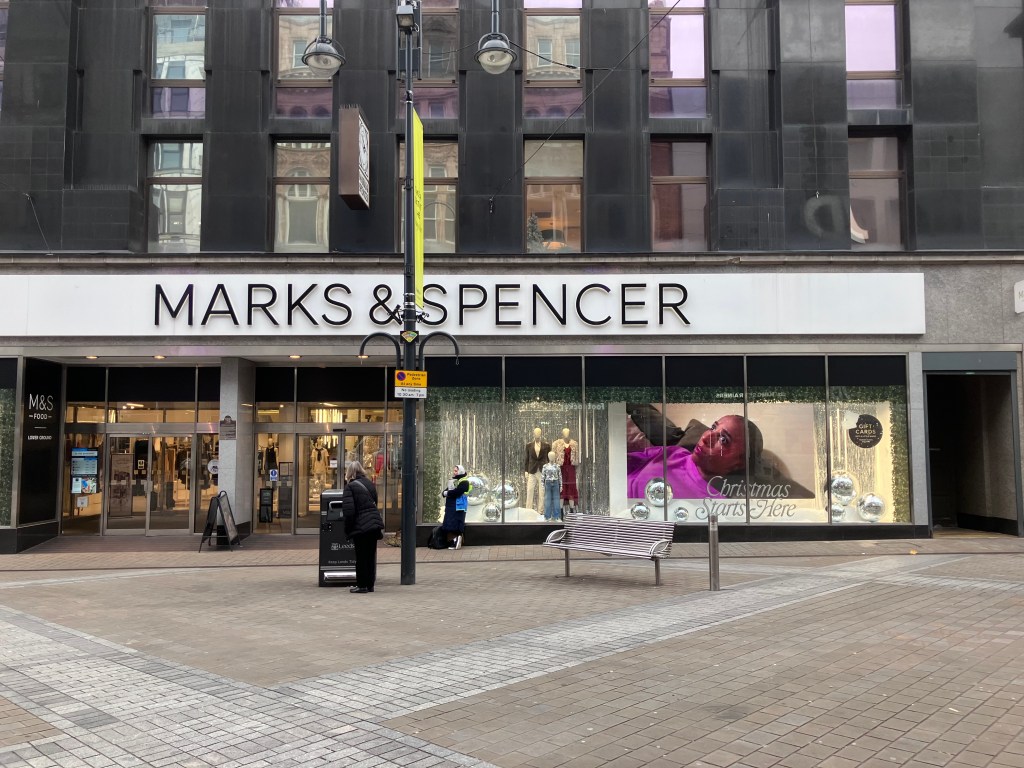
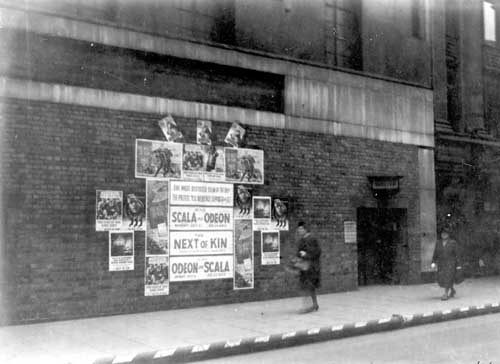
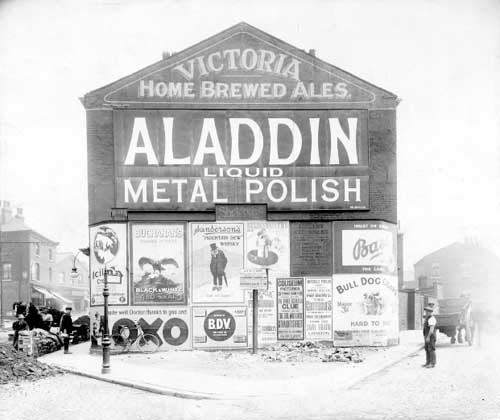
Where was that? Does this look familiar?
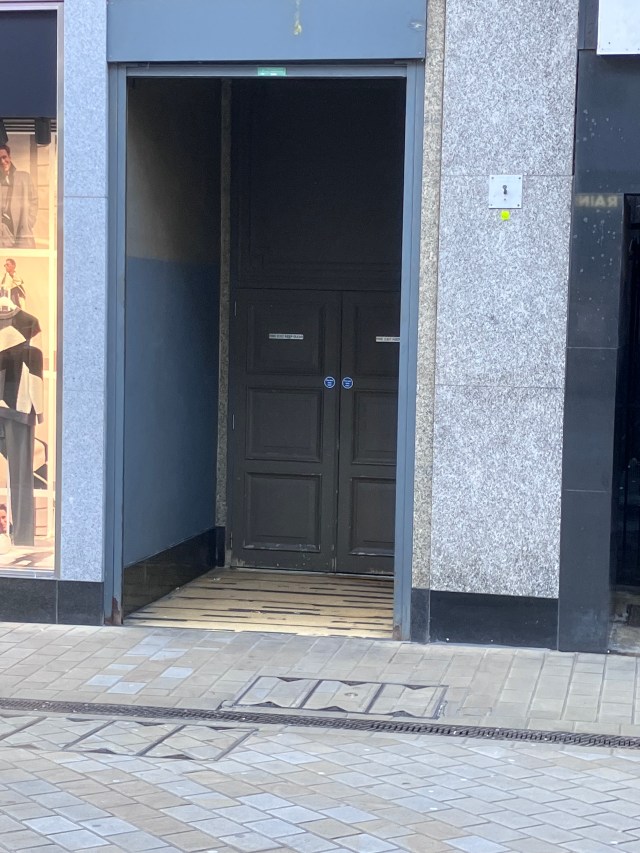
Now take a look at this. It was supposed to be the flagship Marks & Spencer store, but it was requisition by the government for the ministry.
Entrance right here.
The secondment was meant to last three weeks. In that time Cathy proved to be vital to the squad. Working in plain clothes, with her local knowledge, her skills have chance to blossom and the period is extended until she’s there for the duration.
But there’s one other thing she does. Every Friday evening, from 6-10, she’s a firewatcher at the top of Matthias Robinson’s department store, just up Briggate (it became Debenhams, and just reopened as Flannels).
There have been air raids, but Leeds has escaped the horrors inflicted on other British cities – so far. But how long can that last?
Meanwhile, Cathy and the men in SIB are going to have a very big problem. The first inkling is the return of her brother, who moved to London as soon as he could and is, he’s told the family, a civil servant…well, read for yourselves.
From the corner of her eye, Cathy caught sight of someone else entering the room. Her eyes widened in disbelief. He wasn’t anyone she’d ever expected to see in this place. She folded her arms and glared at him.
‘What the hell are you doing here?
Daniel Marsden was five years older than her, the clever boy who won the scholarship to grammar school. The one who passed everything without seeming to do a stroke of work while she studied deep into the night, struggling with her lessons and failing half her exams.
He was the boy people noticed. They remembered him, asked after him, always full of praise, with Cathy a poor second. When Dan landed a Civil Service job and moved down to London, she’d said nothing, but deep inside she’d been glad to see the back of him. After so many years she had the chance to move out of her brother’s shadow. Even now, his Christmas visits each year felt like more than enough time together, watching everyone gather round him. She’d been quietly relieved when he’d said there was too much going on at the ministry last December to be able to come.
Now he was standing in the office where she worked. He smiled.
‘I like the way you’ve had your hair done. It suits you.’
Cathy felt herself bristle. At twenty-six, she’d spent four years as a woman police constable, then two more as a sergeant, before her secondment to SIB and a move into plain clothes. She’d had to fight for respect every step of the way. It had been the same when she started here. She’d needed to work hard to make the squad accept her. To understand that a woman could do this job. Cathy wasn’t going to let her brother dismiss all that with a flippant comment. Just the sight of him here, where she’d built a place for herself, made the excitement and pride at finding Dobson wither away.
‘I’m so very glad you approve.’
Dan shifted his glance away.
‘He’s been sent,’ Faulkner told her. ‘We’re working with him.’
She turned, fire in her eyes. Like the other men in SIB, Adam Faulkner had been a police detective before the war. He’d been in London, a member of the Flying Squad. They were famous, the best Scotland Yard had; everybody in the country had heard of them. He’d joined the army, eager to defend his country, only to find himself shuffled into the military police. Recruited for the Special Investigation Branch when it was formed the year before, last July he’d been posted to Leeds to set up this new squad. A sergeant, like her, but his was an army rank. A good, fair boss.
‘Sent?’ Cathy asked. ‘What do you mean, sent?’
Faulkner closed his eyes for a second. ‘Your brother is with the Security Service,’ he said.
I hope you’re intrigued by a female character front and centre in a Leeds WWII thriller. If you’re registered there with my publisher, No Precious Truth will soon be available to read on NetGalley, in exchange for an honest review. If you’re not registered and fancy it, drop me a line and I’ll arrange it.
Or you could pre-order it, of course. Amazon has the Kindle edition of No Precious Truth pretty cheap in the UK and US. UK version here. In the UK, the cheapest hardback price is here. The cover’s pretty great, too.
And of course, the Kindle version of the latest Simon Westow book, Them Without Pain, is pretty decently priced in the UK. Find it here. The hardback is just over a tenner, too.
One final thing: Cathy arrives with her own soundtrack. Find the playlist here, but be prepared to dance and jitterbug.
Actually, not quite Annabelle Harper. Still Annabelle Atkinson, a recent widow after her husband Harry died and left her the Victoria. But you’ll see for yourself.
Here were are, Christmas Eve, and this is the last of the Christmas stories dug out from the past. I hope you’ve enjoyed them. Thank you for reading, and for reading/buying/tolerating my books and posts. Happy holidays – what ever you celebrate – to you and those who hold dear. May 2025 be kind to us all and see us in good health.
Thank you again.
Leeds, December 1887
Annabelle Atkinson didn’t want Christmas to arrive this year. She didn’t feel any of the joy or the goodwill this December. It was barely three months since her husband Harry had died; the earth had barely settled on his grave.
They’d had a few good years before the heart attack took him. Now she had to look after the Victoria public house as well as the two bakeries she’d opened. On her own, sometimes she felt like she was drowning.
On Christmas Eve, once the last customer had gone, she intended to bolt the door, closed the curtains, and keep the world away until Boxing Day. She’d never been one to wallow in sadness; if you had a problem you took care of it and carried on. But these last few weeks…she’d been slowly sinking and she knew it. She felt like one of the jugglers in the halls, trying to keep all the plates spinning in the air. Too many of them.
‘Come on,’ she said to Willie Hailsham, taking the empty pint pot from his hand. ‘You’ve had enough. Get yourself off home so your wife can remember what you look like.’
The same with Harelip Harmon, Donald the Steel Man, and Jingling James, always moving the coins around in his pocket. They’d stay drinking all night if anyone would keep serving them.
‘Don’t you have homes to go to?’
It was the nightly routine, almost a comedy act after so long. They drained their glasses, said their goodnights and then the bar was empty. She locked the door, drew down the bolts and let out a long sigh. Glasses to wash, woodwork and brass to polish.
Better get started, she thought. The work’s not going to do itself.
Up a little after three to supervise the baking in the kitchen at the other end of the yard. The last day before Christmas, orders to fill, plenty of demand; the shops would be little goldmines today. And the Victoria would be packed from the time the factories closed.
Gossiping with the girls as they all worked together, mixing, kneading, baking, the smell of fresh loaves filling the air and making her hungry. Back in the rooms over the pub she made breakfast.
This was what hurt most: the silence. There used to be so much laughter here when Harry was alive. It seemed like there was always something to set them off. Now just being here was oppressive, all the weight of ghosts around her.
Dan the barman and Ellen the barmaid were already working hard with polish when she went downstairs. Sleeves rolled up and plenty of elbow grease, they’d be done soon enough. Nothing for her to do here. The dray from the brewery was due at ten, but Dan could take care of that.
Annabelle put on her cape and picked up her purse. Go into town and have a poke around the shops. An hour or two away might perk her up. But there was no magic in December this year. The pavements were full of people jostling around, weighed down by packages and bags. She felt removed from it all. The displays in the windows of the Grand Pygmalion didn’t make her want to part with her money. She was low, she knew it; a lovely gown or a good hat could usually tempt her. Today, though, there was nothing. No cheer.
Even a stop at the cocoa house for something warm to drink and a slice of cake didn’t help her mood. She trailed back out along North Street, through the Leylands and past the little park, back along to Sheepscar.
Soon enough the Victoria was busy, and it would stay that way until she called time. She took her place behind the bar, smiling, flirting the way she always had, and for a few minutes at least she could forget why she hurt inside.
‘Give over,’ she told one man who insisted he’d be a good husband. ‘I’d wear you out in one night, then I’d have to send you home to your missus.’ It brought laughter. As she walked around, collecting glasses, she brushed hands away, giving the culprits a look. It was all part of running a pub. A game; if you played it well, you were successful. And she had the knack.
Annabelle promised old Jonas free beer for the evening if he played the piano in the corner, and soon half the customers were singing along the favourites from the music hall. It gave her a chance to breathe and Dan could look at the barrels.
By eleven she’d had enough. The pub was still busy, the till was overflowing. But all the noise made her head ache. She needed some peace and quiet for a while. She wanted the place empty.
‘Come on.’ She rang the old school bell she kept under the bar, next to the cudgel for sorting out the unruly. ‘Time for you lot to see your families. They probably don’t believe you exist.’
Slowly, the crowd thinned. Another five minutes and it was down to the usual four still standing and supping. Donald the Steel Man, Willie Hailsham, Jingling James, and Harelip Harmon.
‘That’s enough,’ she told them. Her voice sounded weary. She knew it and she didn’t care. They were regulars, they’d probably been coming in here since they were old enough to peer over the bar. ‘Let’s call it a night, gentlemen, please.’
James slipped off to the privy while she was ushering the others out, wishing them merry Christmas and accepting beery kisses and hugs until they’d gone and she turned the key in the lock.
Then James was there, looking bashfully down at his boots. He was a gentle soul, a widower with grown children. Fifty, perhaps, his hair full white, jammed under his cap.
‘Are you seeing your family tomorrow?’ she asked.
‘Not this year.’ He gave a small shrug. ‘They all have their plans. It’s different now, everyone’s so busy. What about you?’
‘A quiet day. Maybe it’s better that way.’
‘When my Alice died I carried on, same as I always had. The bairns were grown and gone but I still had to work and put a roof over my head.’
‘I know,’ she agreed. The everyday tasks that carried on like a machine. Without thinking, he jingled the coins in his pocket.
‘Then her birthday came around. We never made a fuss when she was alive, well, who could afford to? First we had the little ‘uns, then it didn’t seem to matter so much.’
‘We were the same,’ Annabelle said. ‘No kids, but Harry’s birthday or mine, there was still the pub to run.’
‘Any road, the year she died, on her birthday it suddenly hit me how alone I was. Not just then, but for the rest of my days. Because no one could replace Alice. I had all them years in front of me.’
‘What did you do?’ she asked.
‘I sat there at the table and made myself remember all the good things. How she looked when she smiled, how she sounded when she laughed. The way she were pretty as a picture when we got wed. I said it all like she were sitting there and I was talking to her.’
‘Did it help?’
‘It did. I can tell you’re feeling that way. I can see it in your eyes. I just thought it might help.’ He gave her a smile and bussed her cheek.
‘You said you’re not going anywhere tomorrow?’ Annabelle said.
‘That’s right.’
‘Come round for your tea. It won’t be anything special, mind.’
‘Are you sure?’
‘Yes,’ she said with a smile. ‘I’ll probably sick of my own company by then anyway.’
Maybe making an effort would help. Even a small one.
She locked the door behind him, hearing the jingling of his coins as he walked down the street.
This is the second (and last) of the Richard Nottingham stories I’m posting in the run up to Christmas. It harks back to much earlier in the series, about the time of Cold Cruel Winter, in one of the characters. Although it’s set in summer, after Nottingham, os no longer Constable of Leeds, the ideals seem right for this time of year.
Leeds, August 1736
Two years. It always surprised him. It should be longer, he thought. It felt longer. Time past, time passing. But not so quickly now, as if someone had slowed the hands of the clock. A chance to keep memory close. To hold on to ghosts.
Richard Nottingham stirred. The dog days of summer, brilliant light through the cracks in the shutters. He’d woken before first light, just lying in bed and letting his thoughts wander. He heard his daughter Emily leave to go and teach at her school. Then Rob Lister, her man, now the deputy constable in Leeds, had gone with his clank of keys and the solid tread of his boots across the boards. Lucy the servant moved around downstairs, opening the door to the garden and tossing the crumbs for the birds.
Life went on.
He poured water in the ewer and washed, then dressed in old breeches and thin woollen stockings.
The road was dusty and rutted, the hot air tight in his lungs. Sun flickering through the leaves onto the water of Sheepscar Beck. He crossed Timble Bridge and walked along Kirkgate to the Parish Church, then over the path he knew so well.
Two years, eight months, and thirteen days since she’d been murdered.
He went to visit his wife, to talk to her, the way he did every single day, thinking of nothing in particular. Just a few minutes of conversation, a chance to hear her voice in his head, to try and make amends once more, although he already knew she forgave him.
And then he saw it. The pieces smashed and scattered across the grass.
For a moment he couldn’t move. It had to be a dream. Then he was on his knees, scrabbling around all the pieces, the fragments, and piecing them together on her grave until her name was Mary Nottingham once more. Beloved. Died 1733. Beside it, the memorial to their daughter Rose was intact.
Why? Why would anyone do that? He looked around and saw that a few others had been damaged. But he didn’t care about them. Only this one.
‘You must have heard them.’
Jeb looked after the ground, sleeping in a small shed at the back of the burying ground. He was tall, like a long streak of water, a man in his fifties, back bent, straggly hair grey and thin.
‘I din’t,’ the man insisted. ‘I told you.’
He stank of ale, eyes rheumy.
‘For God’s sake, Jeb, someone took a hammer to that stone,’ Nottingham said in disgust. ‘And you were so drunk you never stirred.’
His mind was raging as he strode away to the jail. The smells in the building were so familiar. But there was another man behind the desk where he once sat. Simon Kirkstall. The new constable.
‘Visiting old glories?’ The man had a politician’s face, smooth and shiny, the periwig clean and powdered, his long waistcoat colourful in sharp reds and yellows.
Prissy. Exact. That was how Rob had described his boss. Fractious, a know-nothing who knew everything. Nottingham had listened and commiserated, glad to be gone from the job. He’d chosen to walk away from being Constable of Leeds and never regretted his decision. The corporation had given him the house and a small pension, enough for the little he desired.
‘I’m here to report a crime, Mr. Kirkstall.’
The constable picked up a quill, dipped it in the ink and waited.
‘What’s happened?’
‘Someone’s been destroying gravestones at the church.’
Kirkstall put the pen down again.
‘I see.’
‘My wife’s was one of them.’
The man chewed his lip.
‘I’m sorry to hear that. But…’ He gave a helpless shrug. ‘You know how it is. Too few men and too much crime. A murder, robberies, a young man missing for a week. I’ll make sure they ask around and try to find something. But that’s all I can promise for now.’
Nottingham stood for a moment, staring at the man and seething.
‘I see. I’ll bid you good day, then.’
He wandered. Down to the bridge, watching carts and carriages lumber along in the heat. Past the tenting fields with all the cloth hung to dry and shrink, through the rubble of the old manor house and around, back to Lands Lane.
Sadness, anger, emptiness.
Why?
Up on the Headrow, as he walked by Garraway’s Coffee House, a sharp tap on the glass made him turn.
Tom Finer sat at the table, his hand resting against the window.
‘You look like a man with the world on his shoulders,’ he said as Nottingham settled on the bench across from him. ‘Would a dish of tea help? Coffee?’
‘Not today.’
Nor any other day; he’d never developed the taste for them. Ale was fine for him.
After almost twenty years away, older and claiming to have left his crooked past in the capital, Finer had returned to Leeds. Nottingham had still just been a constable’s man when he first knew him. Finer had a finger in everything, but nothing was ever proven against him before he vanished one night.
He seemed smaller than the last time they’d met, as if he was slowly withering away with age. In spite of the warmth Finer was well wrapped-up in a heavy coat, with thick breeches and socks.
‘You must have been to the churchyard.’
Nottingham looked up sharply.
‘Why? What do you know?’
‘Not much more than you. I heard talk first thing so I went down there. I’m sorry.’
‘Do you have any idea who…?
Finer shook his head.
‘If I did, I’d tell you.’ He paused. ‘But did you notice which ones they were?’
‘My wife’s. Why? Who else?’
Finer was silent a few moments, chewing on his lower lip.
‘Go back and look again,’ he suggested. ‘Look outside your own pain.’
‘Why?’ Nottingham asked. ‘What is it?’
Finer stared at him.
‘You’ll see.’
He stood by Mary’s grave, resting his hand on the broken stone, and let his gaze move around. He understood what Finer had been trying to tell him. If he’d been thinking he’d have noticed straight away.
One was the memorial to Amos Worthy, the man who’d kept Leeds crime in his fist until the cancer rotted him and pulled him into the ground. Someone he’d hated and liked in equal measure.
The other was the stone for John Sedgwick, Nottingham’s deputy, beaten and killed in his duties.
Messages for him. From the past.
He gathered the remains, puzzling them whole again on the grass.
Why? Why would someone come crawling out of history now? He was no one these days. No longer the constable, not a man of note. Nobody.
Nottingham walked the courts and yards, asking his questions. He had no position any more but folk remembered. But all his talking brought nothing. No one knew, no one had an answer. Not even a hint. The closest he came was at the White Swan, when the landlord said someone had been asking for him.
‘Who?’
‘He wasn’t much more than a lad.’ The man shrugged. ‘No one I knew. Looked like a Gypsy, if you ask me. Left his lass and bairns standing in the doorway.’
Strange, he thought. Were the two things connected?
Morning became dinnertime. He pestered men as they ate. Nothing. Over the bridge and south of the river, into the streets that led off the London Road. No Joe Buck to ask these days. He’d left Leeds, searching for something more, the black servant Henry gone with him.
The town he’d known for so long was changing.
The church bell rang four as he walked back up Marsh Lane. Head down, lost in his thoughts as the dust rose from his footsteps. He’d go out again later, round the inns and the beershops. Someone knew and he’d find out.
‘I heard about it.’ Lucy the servant eyed him. ‘Who did it, have you found out yet?’
He slumped into the chair and shook his head.
‘I will, though.’
‘There was someone here looking for you earlier. Came at dinnertime.’
Nottingham cocked his head.
‘Just a lad. Not much older than me. Had a lass and little ‘uns with him.’
‘What was his name?’
‘Didn’t tell me, just that he’d come back later.’
‘Did he look like a Gypsy?’
Lucy thought.
‘Aye, happen he did. Who is he?’
‘I don’t know.’ Very strange indeed. He gave the girl a strained smile. ‘We’ll find out if he comes back.’
Emily returned home in a fury. She’d been to the churchyard and seen it for herself. Nottingham listened to her, seeing so much of Mary in her face.
‘Why would they do that to mama?’ she asked.
‘To hurt me.’ It was the only answer. Some sweet destruction to shatter his past. Before she could say more, there was a knock on the door. Maybe one mystery would be solved, at least.
Yes, he was young, dark hair hanging straight to his shoulders. Ragged clothes, a bright hoop in his ear. But tall, bulky, already a man from the look on his face. Someone half-familiar, a face he believed he almost knew. A man with a smile on his lips.
‘Hello, boss. How are you?’
With those words, it flooded back. All Nottingham could do was stop and stare. Joshua Forester, the young cutpurse he’d taken on five years before. His girl had died, the lad had been beaten and he’d chosen to go off with a band of Gypsies. But he looked well from it.
‘Come in, lad, come in. Your family, too.’
Soon they were seated around the table. Lucy brought bread and cheese and small beer, standing by the door to catch this glimpse into Nottingham’s past.
‘I don’t remember your wife’s name,’ Josh said and reddened.
‘Mary. She’s dead.’
‘Boss, I’m sorry.’
‘I should tell you that John Sedgwick’s in the ground, too. Someone killed him.’ The boy always had high regard for Nottingham’s deputy constable. Old days, probably best forgotten. ‘And you, what have you been up to?’ He smiled at the children. ‘I can see some of the results.’
‘That’s Frances,’ he said, indicating the girl. The name of his girl who’d died. ‘And the boy’s called John. My wife, Nancy. She’s part of the Petulengro clan. I work with them. I’m a horse dealer now.’ He lifted his hands to show the thick calluses on his palms and fingers. ‘We’re camped on Woodhouse Moor for a few days, on our way down to Buckinghamshire. While we were here I wanted to see you.’
‘And you’re very welcome’
It did make his heart soar to see someone doing so well, the new life amongst all the death and the senseless destruction. They talked for almost an hour until Josh gathered together his wife and family. At the door he saw them off just as Rob Lister was returning. Emily’s man and the deputy constable of Leeds.
‘Company?’ he asked.
‘Someone who worked for me a while ago. Passing through Leeds.’
Lister glanced at the family walking towards Timble Bridge.
‘They look like Gypsies.’
‘They are. And you and I have something to discuss.’
‘Aye,’ Lister agreed. ‘We do.’
The night was balmy. It wasn’t hard to keep watch over the graveyard, and he wouldn’t trust Jeb to stay awake and sober. Nottingham never slept much any more. He sat in the church porch, letting the darkness wrap around him. He listened to the soft snuffling of animals in the dark, the last sounds of humans fading, then felt the embrace of the hours.
A few times he stood and walked around, as silent as possible.
But no one came. No more damage.
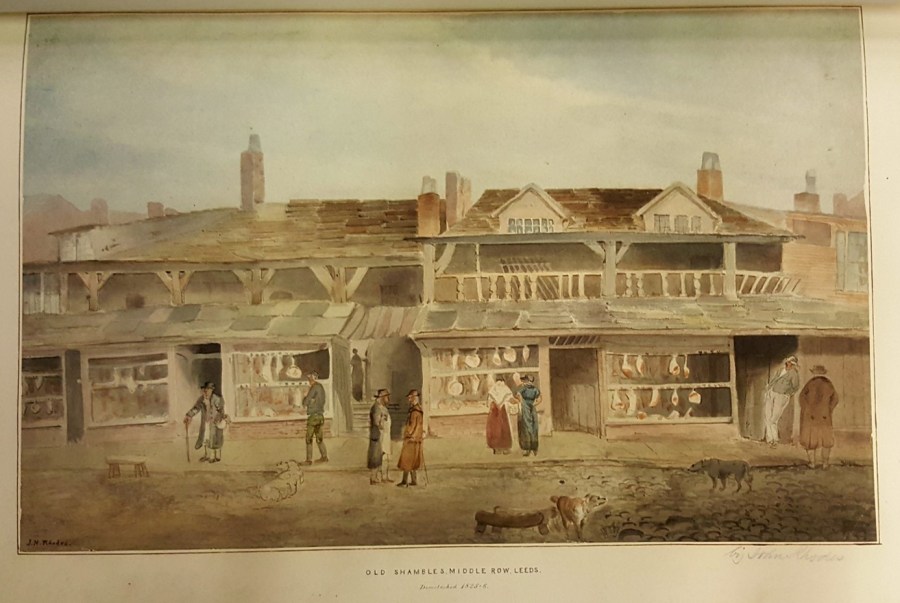
With first light, he ambled up Kirkgate, smelling the cooking fires the servants had lit in the grand houses. Briggate was beginning to come to life, the butchers in the Shambles under the Moot Hall opening their shutters for early customers. He passed without a word, fading into the background.
Tom Finer was up with the lark, already in Garraway’s, reading the London newspapers and enjoying his coffee.
‘You look like a man who’s spent a restless night,’ he said with a smile.
‘I have.’ He settled back on the bench. ‘How did you know?’
Finer raised a thick eyebrow. ‘Know what?’
‘About the gravestones.’
‘A little bird told me.’
Nottingham wrapped his fingers around the old man’s wrist. It was bony and brittle in his grip, as if it might snap all too easily. He stared into Finer’s eyes.
‘Which little bird?’ When the man didn’t answer, he squeezed. ‘That was my wife’s gravestone.’
‘A young man I pay to gather gossip.’ Finer tried to look unaffected, but his mouth was stretched and the skin was tight over the bones of his face.
‘A name?’
‘You wouldn’t know him.’
Probably not, now he was no longer constable. But Rob Lister might. ‘A name,’ Nottingham repeated.
‘I know the lad,’ Lister said as they ate dinner in the White Swan. Stew for him, bread and cheese for Nottingham and mugs of ale on the table in front of them both. ‘I’ll find him this afternoon.’
Rob had grown into a thoughtful young man. Hard when the job demanded, but compassionate, too, and utterly in love with Nottingham’s daughter, Emily. Seeing them together, the tenderness and humour between them, he was always reminded of the way Mary approved of the match: ‘They’re perfect for each other, Richard. Like two halves finding each other.’
Nottingham would go home this afternoon and rest, ready to be out again tonight. What kind of man harmed gravestones like that? And why those three? What grudge, what anger could move someone like that? All through the night, as the stars moved through the sky, he’d tried to come up with names and found nothing that fitted.
Who?
He’d been wearier than he imagined, sleeping into the evening only to wake disoriented and with aching limbs.
Downstairs he sat with Rob as he ate. A young man’s hearty appetite after a long day of work.
‘He’ll meet you at eight on Timble Bridge.’
‘Does he know who did it?’ Nottingham asked.
‘He wouldn’t say.’
‘He’ll tell me.’ He’d make damned sure of it.
‘Watch out for him. He’s a little weasel. He’ll try to rob you if he can.’
‘But will he tell me the truth?’
Lister considered the question for a moment. ‘If you don’t leave him any other choice. Take your knife.’
First, the graveyard. Still full light, the evening warm enough to sweat as he worked, picking up all the fragments. He’d cleaned up Mary’s headstone yesterday. Now he tidied Amos’s and John’s. He’d almost finished when he felt someone kneel beside him and looked across.
Josh Forester, with a sad smile on his face and a colourful scarf knotted at his neck.
‘I went to your house, boss,’ he said. ‘Your lass’s man reckoned as you’d be here. Says you visit all the time.’
‘Every day. It’s all I have left of her.’
‘I understand.’ He ran hard fingertips over the carving in the stone. ‘I don’t know who’d do this, but I’ll tell you something I’ve learned. It’s probably not worth much, but a headstone doesn’t mean anything.’
‘I know.’ Nottingham’s voice was hushed.
‘Frances, she went in a pauper’s grave. No markings. You remember that, boss.’ He tapped the side of his head. ‘But she’s still here. They’re alive as long as someone remembers. This…it’s just trappings, isn’t it?’
‘Maybe it is.’ He pushed himself upright, feeling the creak in his knees. ‘But it means something to me. I have to meet someone. It won’t take long. If you wait, we can go for a drink.’
Josh smiled. Bright white teeth. Young teeth. ‘Aye, I’d like that. I’ll be right here, boss.’
He stood on Timble Bridge, hearing Sheepscar Beck burble and flow under his feet. It had been a dry summer and the water was low. The sound was pleasing, musical and rich. It filled his heart. But he was ready as he heard footsteps approaching.
A boy? He didn’t know why he was so surprised. The lad looked to be ten or eleven, with suspicious eyes that darted around, dark, matted hair, and dirt ingrained into his skin.
‘Don’t worry, I’m not going to hurt you,’ Nottingham said.
It was like coaxing a feral animal. Like the wary boy he’d been himself at that age, living for three years on the streets, surviving by wit and cunning and ruthlessness.
He placed two pennies on the ground and moved away.
‘I only have one question – who’s been damaging the graves?’
‘I’d never seen her before.’
‘Her?’ The word shook him. He couldn’t believe it. It was impossible to imagine any woman doing that. He took a deep breath. ‘Tell me about her.’
‘I couldn’t see much. It were dark and she had a shawl over her hair. And a hammer in her hand. I wun’t going to get too close to that.’
‘Where were you?’
‘Sleeping. There’s a dip in the graveyard near High Court. I were in there and heard her.’
‘Is there anything you remember?’
‘She meant it,’ the boy said. ‘Not just for the sake of doing it. Like she hated those people. She knew which ones she wanted.’
‘I daresay she did.’
‘And she weren’t young. You could see that. She moved slow, like it hurt her.’
‘You’re an observant young man.’
The boy shrugged and scooped the money from the ground.
‘Wait,’ Nottingham told him and brought out his purse. The boy darted for it, knife out to cut the strings. But Nottingham turned away, grabbing him by the hair and pushing him down to his knees. ‘Don’t. You’re too slow. I was stopping this long before anyone even dreamed of you. I was going to give you tuppence more.’
‘I’m sorry, mister.’
‘Maybe you are.’ He pushed the boy away, took out the coins and threw them on the dirt before walking away towards Leeds.
‘A woman?’ Josh Forester frowned, cupped the mug of ale and drank. ‘That seems odd.’
They were sitting in the White Swan, a welter of conversation all around their heads. It felt strange to be here with Josh. His memories of the lad were of someone so young, so full of pain. And here he was, grown, filled-out. A man with a life that suited him.
‘It surprised me, too,’ Nottingham admitted. ‘But why not? Women can hurt, too.’
‘Do you think she’ll be back?’
‘I don’t know.’ He leaned back. The woman had done her damage. Why would she need to return?
‘And you’ve no idea who it is, boss?’
‘None at all.’ He gave a weary smile. ‘I’ll be out there again tonight. Maybe she’ll decide she hasn’t had enough yet. Who can tell?’
Josh smiled. ‘Do you fancy some company?’
He stared at the young man. ‘Are you sure?’
‘Yes. We’re going south tomorrow, this will be the last chance.’ He took another drink. ‘You changed my life, boss. I’d like to spend more time with you.’
It was a companionable silence. A warm, dry night, with just enough moon to throw light across the graveyard. They settled in the church porch and waited. The last drunks rolled and sang their way home. The nightjars called and turned silent.
A snuffle of animals in the distance. A badger, a fox.
He found himself starting to doze, chin settling on his chest, then quickly sitting upright, stretching his neck and looking round sheepishly at Josh.
It must have happened again. He was aware of the touch on his shoulder, then warm breath and words whispered into his ear.
‘Footsteps, boss. In the churchyard.’
Silently, he stood, ready, feeling the other man stir behind him. But he waited. Impossible to tell yet who it might be. A couple seeking out a private place. Someone with no better place to sleep.
Time seemed to stretch. He breathed slowly, listening for the faintest sound. Then it came: the tapping on steel on stone.
Nottingham pressed himself against the church wall, turning his head, waiting to hear it again, to know where the woman was in the graveyard. Josh had already disappeared, moving like a ghost through the night.
It was unmistakeable. Mary’s headstone once again. Without thinking, he started to run, feeling every stride in his knees. He needed to get there before too much damage was done.
He knew every inch of this ground, moving sure-footed without even needing to look.
But he wasn’t fast enough.
Josh had beaten him to the spot, big hands clamped around a pair of thin arms, stopping her from struggling.
‘She’s not going to cause a problem, boss.’
‘Keep her still. I want to see her face.’
Nottingham pulled the shawl away. A small, faded woman with stringy grey hair. A thin mouth, most of the teeth missing. Eyes filled with hate. She drew back her lips and spat at him. But there was no power. It dribbled down her chin.
He didn’t recognise her. Nothing about her.
‘Who-’ he began, but her rusted voice cut through his question.
‘Abraham Wyatt.’
The years turned away and he groped for her name. Caroline. Something like that.
‘Charlotte.’ The word seemed to come of its own accord and he saw her cold grin.
‘Now you remember, don’t you? You killed him, you and Worthy and that other man.’
They had, and the man had needed to die for all he’d done. Back then he’d let her go, though, never expecting to see her again.
‘Why? Why try and demolish my wife’s headstone?’ He didn’t understand that. But the answer was simple.
‘Because you don’t have one, and I’ve watched you come here and spend time with her.’ Her eyes glistened. ‘I knew this would hurt you.’
She understood too much, he thought. Nottingham tried to picture her as she’d been when he last saw her, but the image refused to come into his mind. All he could see was the woman as she was now, living on the past and her anger. She’d loved Wyatt; that had never been in doubt. She’d remained devoted to him through all the years he’d been exiled, transported to the Indies.
‘What do you want to do with her, boss?’ Josh’s question interrupted his thoughts.
‘Take her to the jail.’
She fought, pulled against him and dragged her feet. But the young man was bigger, stronger, used to wild beasts. A few minutes and the night man had her in a cell.
‘What’s the charge?’ he asked.
Nottingham didn’t know.
‘Ask Mr. Lister in the morning.’ Rob could think of something.
Outside, the night was still, heavy with the scent of flowers.
‘Thank you,’ Nottingham said.
Josh smiled and shook his head.
‘The least I could do, boss. I told you, I owe you a lot.’
‘On your way tomorrow?’
‘We pack up first thing.’ He raised his head and studied the sky. ‘In an hour or two. Then south.’
‘When you come through here again…’
‘I’ll stop, boss. I promise. You look after yourself.’
‘You, too. And that family of yours.’
They shook hands. Nottingham stood and watched as Josh strode up Briggate, out towards the Gypsy camp on Woodhouse Moor. Finally he turned and began to walk back to Marsh Lane.
A headstone could be replaced. But the woman could never destroy his memories. Josh was right. Mary was remembered.
If you fancy something else to read over the holidays and you’re in the UK, Amazon has both the ebook and hardback of my latest novel, set in the 1820s, for under £12. I’d be grateful if you treated yourself or someone else. Just follow this link.
For those who don’t know my Richard Nottingham books, he really was the Constable of Leeds during the period the series covers. It was probably a ceremonial role, not so much the proto-copper I made him. A good man, straight as an arrow. this might be an old story, but I haven’t sat down with him in a while. His Leeds was almost 300 years ago, but if you know Simon Westow or Tom Harper, you’ll recognise the streets
The frost lay heavy on the grass and the branches as he walked towards Timble Bridge, his breath blooming wide in the air. The dirt was hard under his boots and the air bitter against his face. Richard Nottingham pulled the greatcoat more tightly around his body and walked up Kirkgate.
It was still dark, dawn no more than a line of pale sky on the eastern horizon. In some houses the servants were already up and labouring, plumes of smoke rising from a few chimneys. At the jail he checked the cells, seeing a drunk who’d been pulled from the street and a pair brought in by the night men for fighting at an alehouse. Another quiet night.
He pushed the poker into the banked fire and added more of the good Middleton coal kept in an old scuttle nearby. As warmth filled the room he removed the coat and settled to work. So far the winter had been gentle, he thought, but it was still only December. Come January and February, once the bitter weather arrived, the poor would freeze and die.
It was the same every year, he thought sadly. He’d been Constable of the City of Leeds long enough to know that all too well. When the cold bit it was always those without money who paid the price.
Down on Briggate the weavers would be setting up their trestles for the cloth market. They’d been laying out the lengths ready for the merchants, then eating their Brigg End Shot breakfast of hot beef and beer in the taverns, keeping a wary eye on their goods. He’d go down there before the bell rang to show the start of trading, walking around to watch for cutpurses and pickpockets, hearing the business of Leeds carried out in low whispers, thousands of pounds changing hands quietly in an hour.
He fed a little more coal onto the fire and straightened as the door swung open, bringing in a blast of cold.
“Morning, boss,” said John Sedgwick, edging closer and holding his hands out as if he was trying to scoop up the heat. He’d been the deputy constable for little more a year, still eager and hardworking, a lanky, pale lad with pock marks fading on his cheeks.
“Looks like you had an easy time of it,” the Constable said.
“Aye, not too bad,” he agreed, pouring himself a mug of ale. “You know what it’s like. As soon as the nights turn chilly they stay by their hearths.”
“You wait. It’s Saturday, they’ll all be out drinking come evening,” Nottingham warned him. “You’ll have your hands full then.” He shook his head. “Get yourself home, John. Have some sleep.”
The deputy downed the ale and wiped the back of his hand across his mouth. “I’ll be glad to see my bed, right enough. I might warm up for a few hours.”
Alone, Nottingham wrote his daily report for the mayor, nothing more than a few lines. He delivered it to the Moot Hall, the imposing building that stood hard in the middle of Briggate. The city was run from there, from rooms with polished furnishings and deep Turkey carpets that hushed the dealings and the sound of coins being counted. He gave the paper to a sleepy clerk and made his way down the street just as the Parish Church bell rang the half hour to signal the start of the cloth trading.
The merchants were out in their expensive clothes, the thick coats of good cloth, hose shining white as a sinless day and shoes with glittering silver buckles. They were moving around the stalls, making their bargains and settling them with a swift handshake before moving on to the next purchase. He saw Alderman Thompson softly berating a clothier, his face red, trying to beat the man down in price in his usual bullying manner.
The alderman glanced around, noticed him and glared. There was bad blood between them and Thompson was loath to forget it, a man who kept grudges in his mind like a ledger. But the man had been a fool, trying to cheat a whore of the few pennies that would have been food and shelter for her. The girl had complained and the Constable had confronted the man in front of his friends, shaming him, forcing the money from his pocket and passing it on to the lass.
He knew what he’d risked, the enmity of a man who was powerful on the Corporation. But the girl had earned her payment and deserved it; the man could afford it easily enough.
The Constable walked up and down the road, alert for quick movements, but there was nothing. He settled by the bridge, leaning on the parapet and looking at the rushing black water of the Aire. How many bodies had they pulled out of the river this year? Twenty, perhaps? Enough to lose count, certainly. Those who couldn’t cope any more with life and had found refuge in the current, the ones who’d drunk too much and fallen in, unable to get out again. There was always death, always hopelessness.
He shook his head and started to make his way back to the jail. Atkinson was striding out, thirty yards ahead of him. A girl running headlong down the street crashed into the man, and he batted her away idly with his arm, sending her tumbling before uttering a loud curse moving on.
The girl picked herself up and began to walk. As she passed, Nottingham took her by the arm.
“You shouldn’t have done that,” he told her, his grip tight.
“Done what?” she asked, the fright in her eyes as she raised her eyes to him and tried to pull away. She was young, no more than thirteen, thin as March sunlight, cheeks sunken from hunger, wearing an old, faded dress and shoes where the upper was coming away from the soles. Her flesh was cold under his touch.
“You know exactly what you did. You cut his purse.”
“I didn’t,” she protested and began to struggle.
“Do you know who I am?” he asked gently. She shook her head, her mouth a tight, scared line. “I’m the Constable. I think you’d better come along with me.” She tried to wriggle away, but his hand was firm on her. After a few moments she gave up, hanging her head and shuffling beside him.
The jail was warm, the fire burning bright and loud. He sat her down then held out his hand for the purse. Reluctantly, she brought it from a pocket in her dress and gave it to him.
“What’s your name?” he asked.
“Elizabeth, sir.” Now, with the cells so close she could see them, she was shivering in spite of the heat. “What’s going to happen to me?”
“Nothing just yet,” he assured her. “But I can’t make you any promises, Elizabeth. Where do you live?”
“Nowhere, sir.” He looked at him. “Me and my man and my sisters, we sleep where we can.” It was a familiar tale, one he’d heard so many times before, one he’d lived himself when he was young.
“How many of you?”
“Five, sir.”
He nodded at the purse. “How long have you been doing that? And give me an honest answer,” he warned.
“Two month, sir. But I’ve only managed to take three,” the girl pleaded.
He sat back, pushing the fringe off his forehead then rubbing his chin. “When did you last eat?”
“Thursday.”
“How old are your sisters?”
“Nine, seven and six, sir.”
“What happened to you father?”
“He died, sir. A horse kicked him in the summer.” He could see the beginning of tears in her eyes.
“What was his name?” Nottingham wondered.
“William Marsden, sir. He worked at the stables.”
He remembered the name and the incident. The man was a farrier, experienced and good at his trade. He’d been about to put fresh shoes on a horse when it kicked him in the head. He’d died instantly. “Doesn’t your mam work?”
“She has a bad leg, sir, she can’t walk proper.”
“And what about you? You’re old enough.”
“I’ve tried to find work, sir, but no one has anything.” The girl raised her chin defiantly. “I have, sir, honest.”
He stared at her face, all the guile vanished from it now, leaving a terrified girl who knew she could be sentenced to hang for what she’d done. He hesitated for a long moment, then said, “When you leave here, go next door to the White Swan. Talk to Michael and tell him the Constable sent you. He needs a girl to help there. It won’t pay much, but it’s better than nothing.”
Her eyes widened in astonishment and happiness as she understood he was letting her go. “Thank you, sir. Thank you. Do you really mean it, sir?”
He nodded, weighing the purse in his hand. It was heavy enough. Atkinson hadn’t come hurrying to report the theft. With a small movement he tossed it to her. As she caught it, her mouth widened into a silent O.
“Rent a room for all of you and buy some food. Now go.”
He stood at the window, watching her in the street, looking back in disbelief before she vanished into the inn. Off to the west the clouds were heavy and pale as pearls. If they came in there’d be snow later.
We’re into December and the end of the year is coming up fast.
Why don’t we close it out with a competition to win a copy of the latest book of mine, Them Without Pain – unfortunately, postage costs mean it’s UK only.
All you have to do it tell me who had the hidden workshop discovered in the book. Simply reply with your answer and an email address. I’ll select the winner on Thursday, December 12 and it should hopefully arrive in time for holiday reading.
Bonus points if you can tell me why Leeds is such a great city.
Meanwhile, be well, peaceful and happy. Thank you for reading this and my novels. Even if you don’t win, remember that books make great gifts. And they mean even more if they come from independent bookshops.
This is a wonderful review to receive. Booklist, a publication that’s influential with librarians (and bookseller) in the US, praised the Simon Westow series as “a real find for historical-mystery fans.” That’s sumptuous enough paise, but the reviewer concludes: “Brimming with Nickson’s trademark period details, memorable characters, and realistic portrayal of life in nineteenth-century England—but also filled with frightening twists, bloody violence, suspense, and danger—this may just be Nickson’s best Simon Westow book yet.”
Best Simon Westow yet? I’ll gladly take that! A reader who’s read it – maybe through NetGalley where it’s available, hint hint – also thought it was the best yet.
Maybe I’m doing something right. Well, there has to be a first time.
If you’re not on NetGalley, you can pre-order the book, which comes out September 3, or ask your library to order in a copy. Believe me, it would all be gratefully received.
If I may, one final request. If you’d care to leave a review somewhere, that would be wonderful.
It’s about 16 years since I wrote my first published novel, The Broken Token – it took a while to find someone willing to put it out. But for some reason, I’ve remembered that I created a set of rules for myself back then. I’d read plenty of crime novels and I was tired of the loner, heavy drinking detective, and so much that went along with it.
My main character would be married. Most are. Since then, only one of my protagonists hasn’t been married on quickly on the way there. I wasn’t trying to be different, simply to reflect life. And most have had happy marriages, with or without children.
I decided that anyone could die. Again, it was simply life. People die at all ages, for all manner of reasons. Within the business of enforcing the law, there’s always a greater chance of violence. I kept that rule throughout the Richard Nottingham series (and one death brought quite a few variations on “you bastard”). I ditched it for the Tom Harper books, because conditions and life expectancy had improved in a century and a half, although things do happen, like Billy Reed’s heart attack. And the main characters have stayed alive (so far) in the Simon Westow series. I’ll say nothing else about that.
The characters have lives outside their work. We all do, and they’re often more important than anything else. They round out the people, make them human and three-dimensional. Know that and you know them and you’re even more willing to follow them.
The reader has to feel they’ve walked through the place, and experienced that time. All the sighs and smalls and noise. It needs to be alive to be convincing. It’s one reason that most of my books are set in Leeds. It’s the place I feel, that I know through the soles of my shoes. I can sense the different periods of history, like seeing through different layers of time. I can touch them, taste them. All I do is write down that move in my head, including the descriptions of the where and when.
History is important, but it’s more the local than national effect. As we grow into the 20th century, that changes, but as a rule of thumb it’s true. People cared about what affected them directly. How they lived, conditions of houses, money in their pocket. A writer needs to know their history. But to be convincing, it needs to be worn lightly. Woven into the fabric of the story so it falls gently on a reader’s shoulders. No information dumps.
Create people that readers care about. Even the second character need three dimensions. Cardboard doesn’t work.
I still try to live by all of those. But – and it’s a very big but – there also has to be a good, powerful story that will engage people. That’s at the heart of it all.
I try, but it’s only you, the readers, who can say if I succeed.
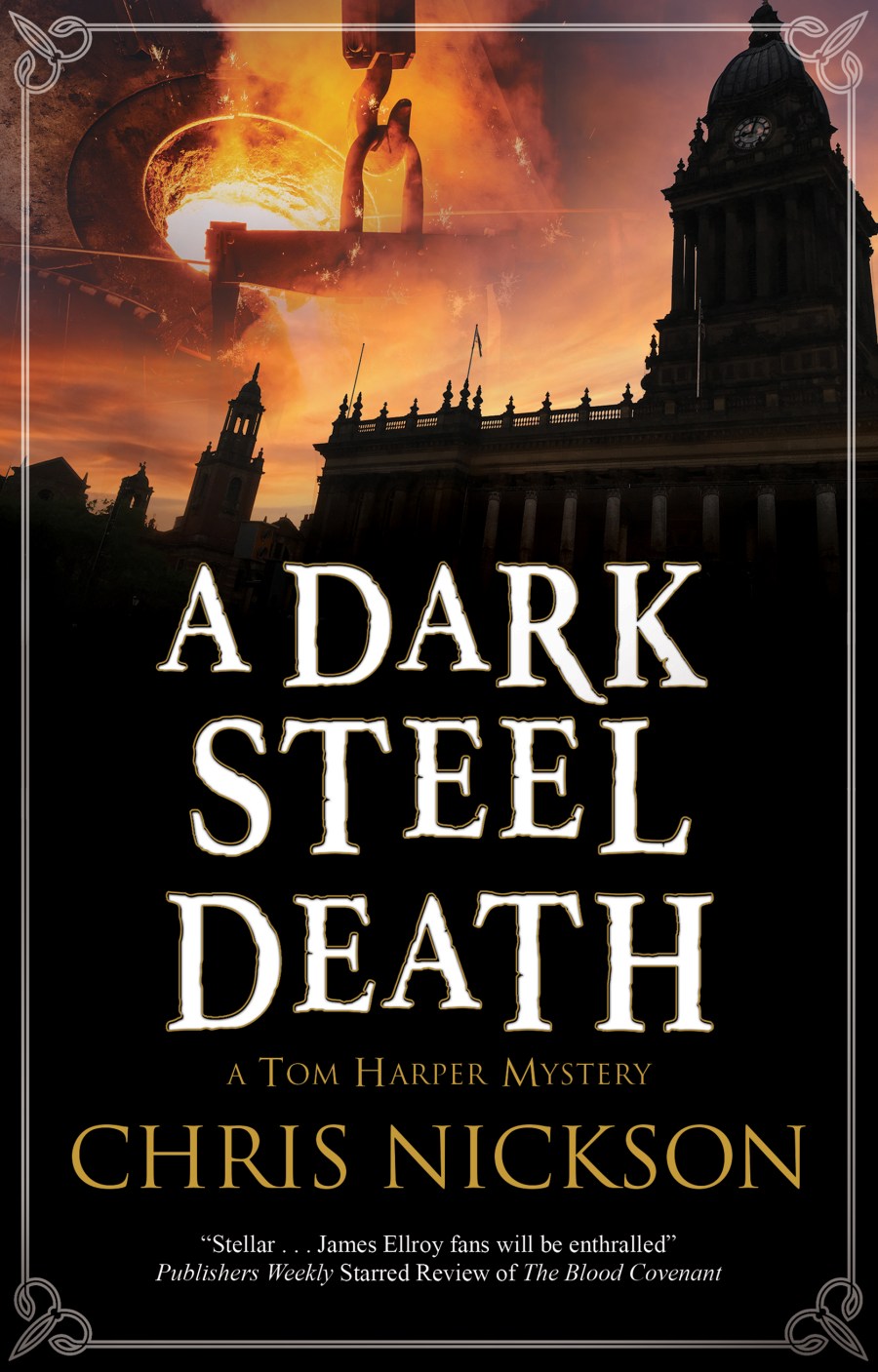
To finish, please indulge me while I ask a favour. My most recent novel, The Blood Covenant, has had the types of reviews a writer can only dream about. The one coming in September, which isn’t far away now, is very good, the 10th Tom Harper novel. Yes, I’d love for you to buy them. Ideally from an independent bookshop, but outlets like Speedy Hen and the Hive in the UK have excellent prices and free postage. Like everyone, though, I know we’re all squeezed and books are a luxury. If you can’t afford it, please order from your local library. If they don’t have it, they will get it in. If every library system in the UK, US, Canada, Australia and NZ ordered copies of both, it would be handsome sales figures. And it would be on the shelves for everyone to read.
Even if you can afford, please consider the library request – that way it’s there for others.
Thank you.
If you have some time to spare – quite a bit of time – I was interviewed for the Working House podcast. You can listen here.
A copy of the audio version of Dark Briggate Blues, wonderfully read by Paul Tyreman. This is the mp3 version, so all eight hours fit on a single disc.
Well, you wonder, how can I get this wondrous thing?
It’s simple. Just write a comment under this blog saying in which decade Dark Briggate Blues is set. I’ll select a winner from the correct answers on April 16.














 Chris Nickson