The Very First Annabelle Harper Story

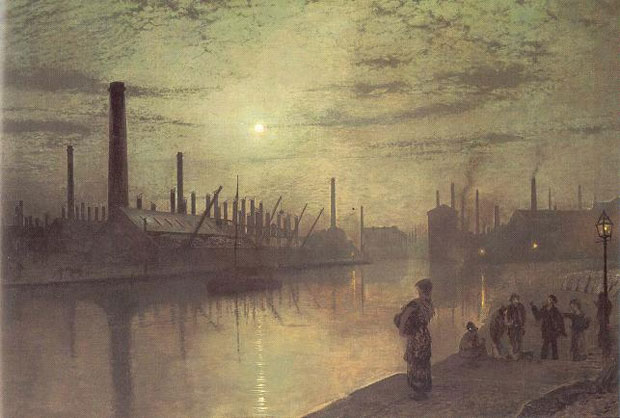
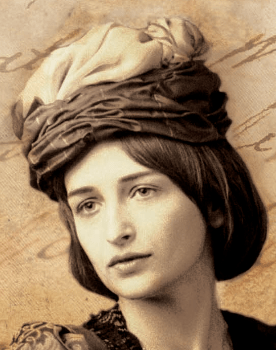
This is where Annabelle’s story began, long before she became Annabelle Harper. Here she is, a secondary character in a story about the Leeds artist Atkinson Grimshaw and a painting of his that I love (and which is now back here). She was young, naïve, hopeful. But insistent. After this, she wouldn’t leave me alone, and insisted I tell more about the life that came well after this. Her life with Tom Harper.

She became the heart of that series, and I’m so glad she came and sat with me. I’ve changed a few details in this to line up with what would happen later, but it’s essentially the piece I wrote years ago.

More Annabelle stories to come between now and Christmas, but for now, enjoy the beginning.

On both sides of the river rows of factory chimneys stood straight and tall and silent, bricks blackened to the colour of night. Smoke was only rising from a few today, but the smell of soot was everywhere, on the breath and on the clothes. It was the shank of a December afternoon and the gas lamps were lit, dusk beginning to gather in the shadows.  Quiet with all the men on strike,

He stood and looked at the water. Where barges should be crowded against the warehouses like puppies around a teat there was nothing. Just a single boat moored in the middle of the Aire, no sails set, its masts spindly and bare as a prison hulk.

He coughed a little, took the handkerchief from his pocket and spat delicately into it.

This was the time of year when it always began, when men and women found their lungs tender, when the foul air caught and clemmed in the chest and the odour from the gasworks cut through everything so that even the bitter winter snow tasted of it.

What sun there was hung low in the west, half-hidden by clouds. A few more minutes and he’d be finished, then walk home to Knostrop, leave the stink and stench of Leeds for trees and grass and the sweet smell of fresher air. First, though, he needed to complete the sketch, to capture these moments.

Tomorrow he’d start in the studio, finding the mood that overwhelmed him now, Leeds in the still of the warehousemen’s strike, no lading, no voices shouting, no press of people and trade along the river.

“What are you doing?”

He turned. He hadn’t heard her come along the towpath. But there she was, peering over his shoulder at the lines on the pad, the shadings and simple strokes that were his shorthand.

“Drawing?”

“Sketching,” he answered with a smile as he slipped the charcoal into his jacket pocket.

“Aye, that in’t bad,” she told him with approval, reaching out a finger with the nail bitten short and rimmed with dirt. “I like that,” she said, pointing at the way he’d highlight the buildings as they vanished towards the bridge, hinting at the cuts and alleys and what lay beyond.

“Thank you.”

He studied her properly, a young woman in an old dress whose pattern had faded, then hem damp and discoloured where she’d walked across the wet grass. She wore her small, tattered hat pinned into her hair.

She was no more than twenty, he judged. But her eyes were clear and full of mischief. She hefted a bundle in front of her like a shield. At first he wondered if she was a ragpicker, done for the day; then he noticed how she cradled the bundle close and realised it was what little she owned in the world.

“What’s your name?” he asked.

“Anabelle, sir,” she replied with the faintest of smiles. “Me mam said she wanted summat nice around her. She’s dead now. All the dust down at Black Dog Mill killed her.”

“I’m sorry,” he said, watching the water and the sky again. In a minute the clouds would part, leaving a late glimpse of sun, pale as lemon, reflect off the river. Perhaps the last sun of the year, except for a few days when the sun would sparkle on the snow around his home. He groped for the charcoal again, holding his breath for the moment, ready to work quickly.

“My name’s Grimshaw,” he said, squinting and distracted by the light, committing it to memory. ‘Atkinson Grimshaw. It’s my middle name,” said quietly, “bit I prefer it to my Christian name.”

“Why’s that, then?”

Very quickly he fumbled in his pocket, drawing out coloured pencils and adding to the sketch, the gentle shine on the river, the colour of a fading sun mingling with the browns and greens of the dirty water, smudging with the edge of his hand, thinking, putting it all away in his memory for tomorrow when he’d sit in the studio with his paints.

“It suits me better,” he answered her finally, squinting at his work, then at the scene before adding some more touches.

“That’ll do it,” she said slowly, as he was about to add more umber to the water. “That’s it.” There was awe in her voice, as if she couldn’t believe nature could be captured that way. “It looks alive.”

“This is just preparation,” he explained. “I’ll paint it soon.”

“That what you are, then? An artist?”

“I am.”

He was a successful one, too. Whatever he put on canvas sold, almost before it had dried. For the last nineteen years it had been his living, since he broke away from the tedium of being a railway clerk, the job he thought might crush his heart. With no training and only the support of his wife, he’d known that painting could make his soul sing. These days he was a wealthy man, one who’d made art pay. Now, in 1879, they knew him all around the country.

“You must make a bob or two.”

“I get by.”

“You’ve got them good clothes and you talk posh.”

He chuckled. “I grew up in Wortley. Not as posh as you’d think. My father worked on the railways. What about you, Annabelle? Where do you live?”
“Me Da’s up on the Bank.”

He knew them, squalid back-to-backs with no grass or green, no good air, and the children ragged as tinkers’ brats.

“I’m don’t live there now. I don’t live anywhere. I had a job as a maid in one of them big houses out past Headingley.”

“Had?” He eyed her sharply.

“The son of the owner thought he had rights. I didn’t, so they turned me away. Me da won’t want me if I’m not if I’m not bringing in a wage.”

“What are you going to do?”

She shrugged. “I’ll go and see what he says, I suppose. Find something. There’s work for them as is willing to graft. At least when they turned me out they paid what they owed. I’ll not go short for a while.”

He looked down at the sketch. It caught everything well, and it would be a good painting, one to bring in a good ten pounds or more. But it was a landscape unpeopled.

“Annabelle, can you do something for me?”

“What?” she asked warily, too familiar with the ways of men.

“Just stand about ten yards down the path, that’s all.”

“Why?”

He tapped the drawing with a fingernail.

“I want to put you in this, that’s all?”

“Me?” She laughed. “Go on, you don’t want me in that.”

“I do. Please.”

She shook her head.

“You’re daft, you are.” But she still moved along the path, looking back over her shoulder. “Here?”

“Yes. Look out over the river. That’s it. Stay there.”

He was deft, seeing how she held the bundle, her bare arms, the hem of the dress high enough to show bare ankles, and a sense of longing in the way she held herself.

“I’m done,” he told her after a minute and she came back to him.

“That’s me?” she asked.

“It is.”

“Do I really look like that?”

“That’s how I see you,” he said with a smile. She kept staring at the paper.

“You’ll put that in your painting?”

“With more detail, yes.”

“Like what?”

“The pattern of the dress, things like that.”

Self-consciously she smoothed down the old material, her face suddenly proud, looking younger and less careworn. He dug into his trouser pocket, pulling out two guineas. Far too much, but she’d never know.

“This is for you.”

“What?” she asked in disbelief. “All this?”

“I’m an artist. I pay my models.”

“But I didn’t do owt. I just stood over there,” she protested.

“I sketched you, and you’ll be in the painting. That makes you my model. Here, take it.”

Almost guiltily she plucked the money from his hand, tucking it away in the pocket of her dress.

“Thank you, sir,” she said quietly. “You’ve made my day, you have.”

“As you’ve made mine, Annabelle.” He closed the sketch pad and put away the pencils and charcoal, then tipped his hat to her before walking away.

“So what is your name, then?” she asked.

“Atkinson Grimshaw.” He handed her his card. “I wish you and your baby well.”

“Me in a painting. There’s no one as’ll believe that.” She began to laugh, letting it rise into a full-throated roar, and he smiled with her.

If you’d like to know how it all continues, there are 11 books in the Tom Harper series. Pick up the tale with Gods of Gold. (the Kindle version is dead cheap here). For some of what happened in between, here’s a video, her life before she and Tom were married.

https://www.youtube.com/watch?v=gEk0ovW9dsA

About That Big Event

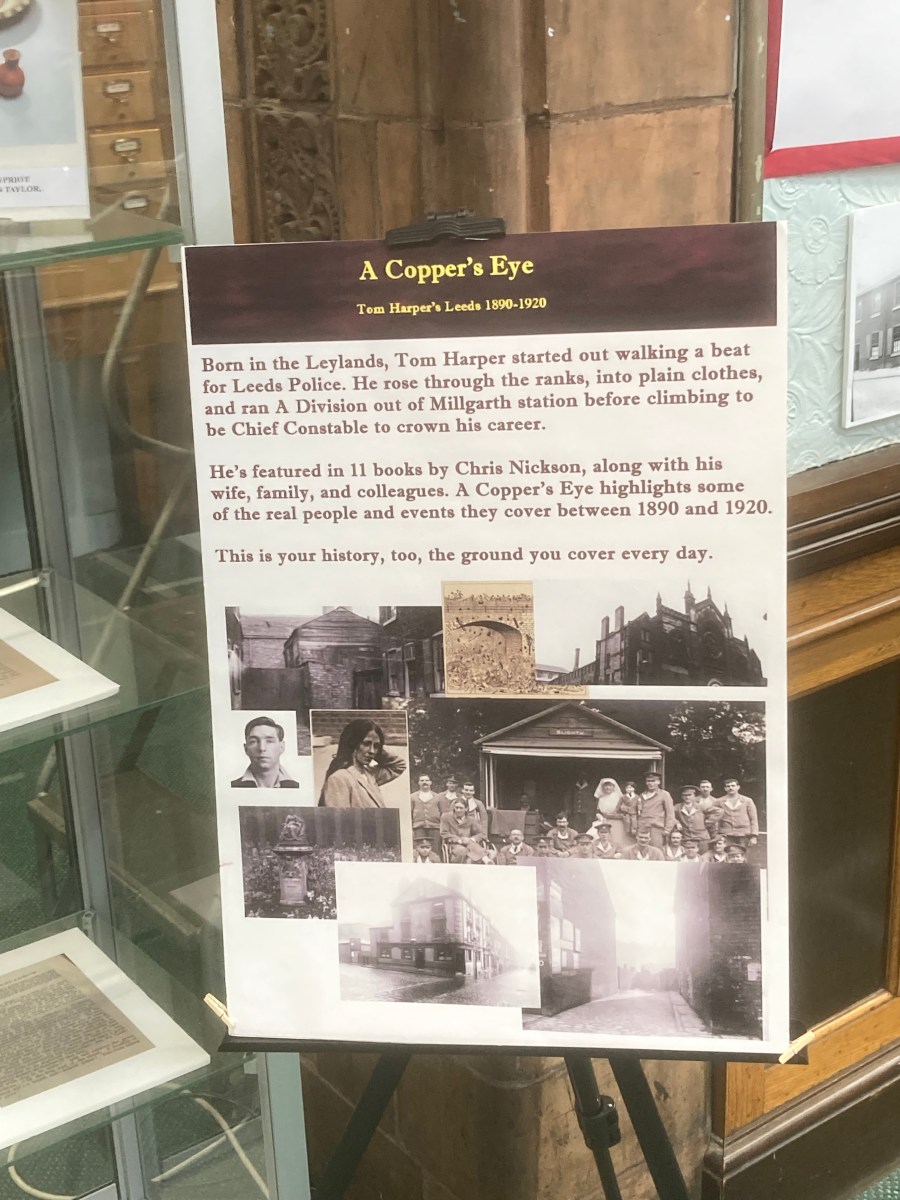
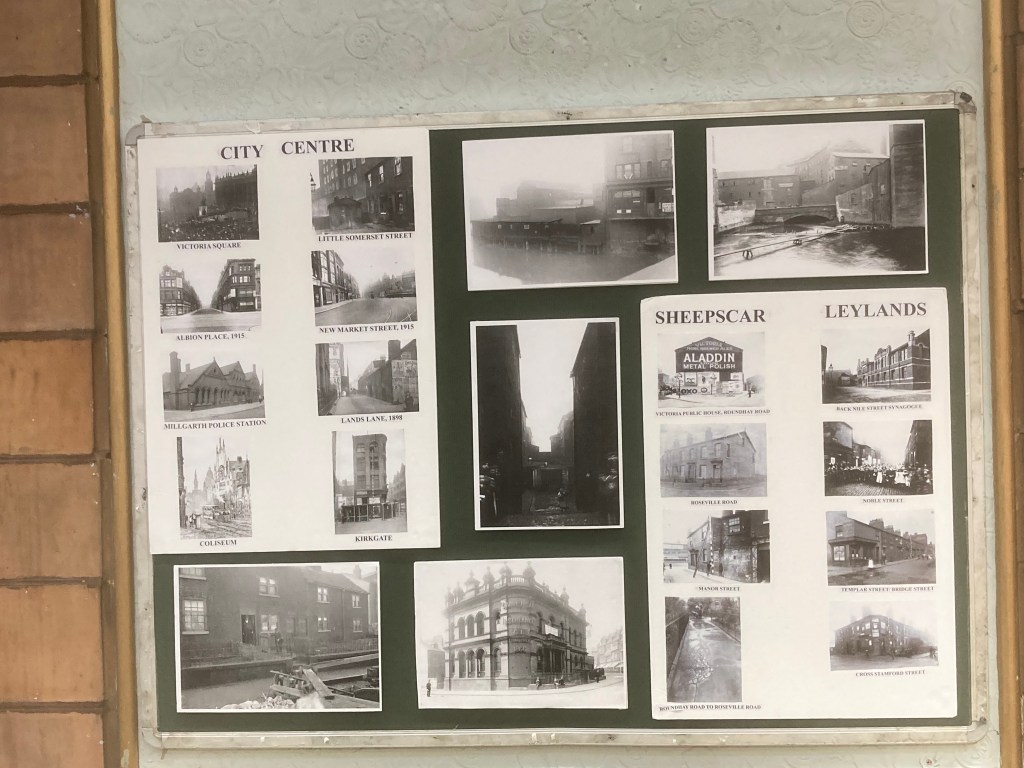
Well, it happened. Last week my exhibition A Copper’s Eye: Tom Harper’s Leeds 1890-1920 opened at Leeds Libraries. Then Monday night saw the event to go with it. Was it a big deal? Yes, it really was, the culmination of the biggest thing I’ve done in my life.

A celebration of Tom and Annabelle Harper, yes, as the series them ended with the publication of Rusted Souls (the Morning Star termed the series “a testament to historical crime fiction”). But it also celebrated a slice of Leeds history, the period covedred in the books, with some of the real events who were in the books.

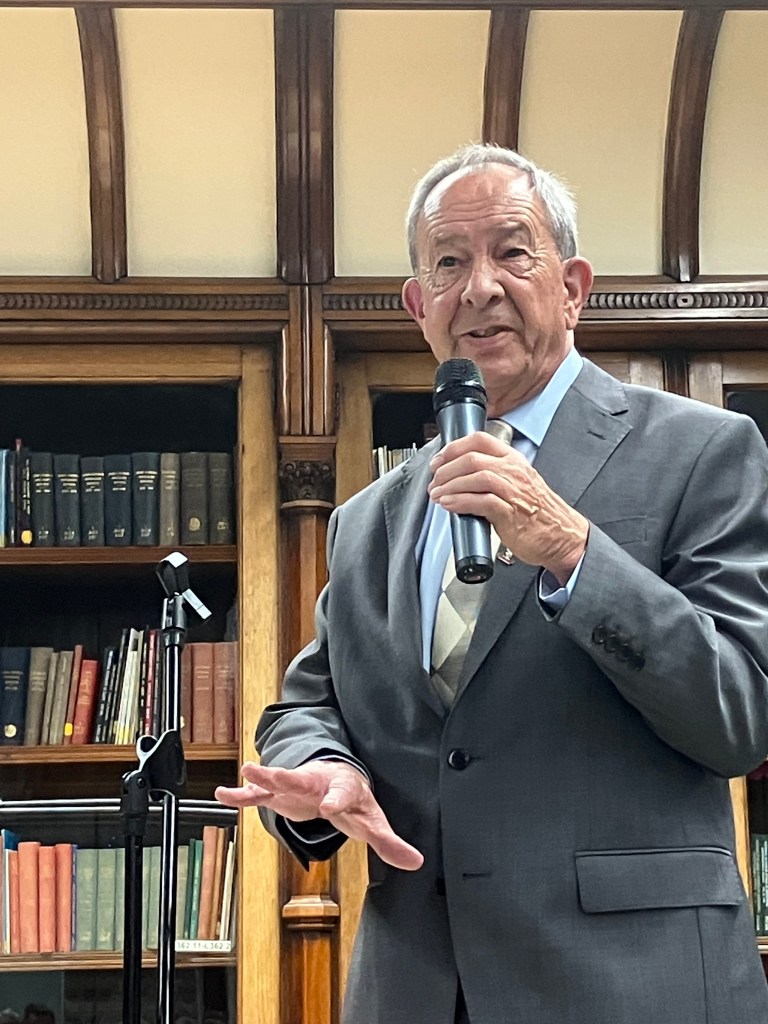
I astonished everyone by turning up in a suit and tie, the first time most had ever seen me dressed up, and not even directly from a court appearance. I talked, but there were also mirco lectures from suffrage historian Vine Pemberton Joss, on the 1894 Local Government Act and the 1908 Suffragette Riot. Dr. Anna Reeve explained how ancient Cypriot poterry ended up in The Iron Water (fitting, as she told me about it in the first place).

The great political figure Tom Maguire was represented, with one of his poems set to music and performed by industrial ballad singer Jennifer Reid. You can listen to it here.

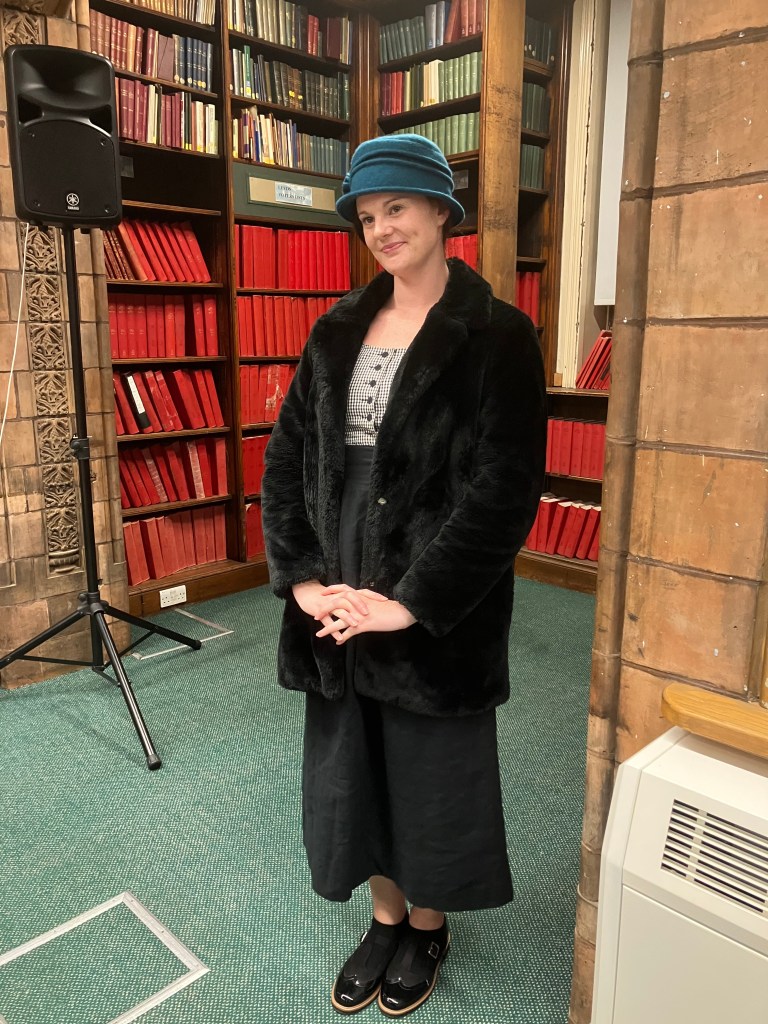
And the Harpers? Daughter Mary was there in the flesh (played by Amy McCann. Annabelle couldn’t make it, but we did have a recording of a speech she gave when campaigning to become a Poor Law Guardian in 1897. Hear her right here.

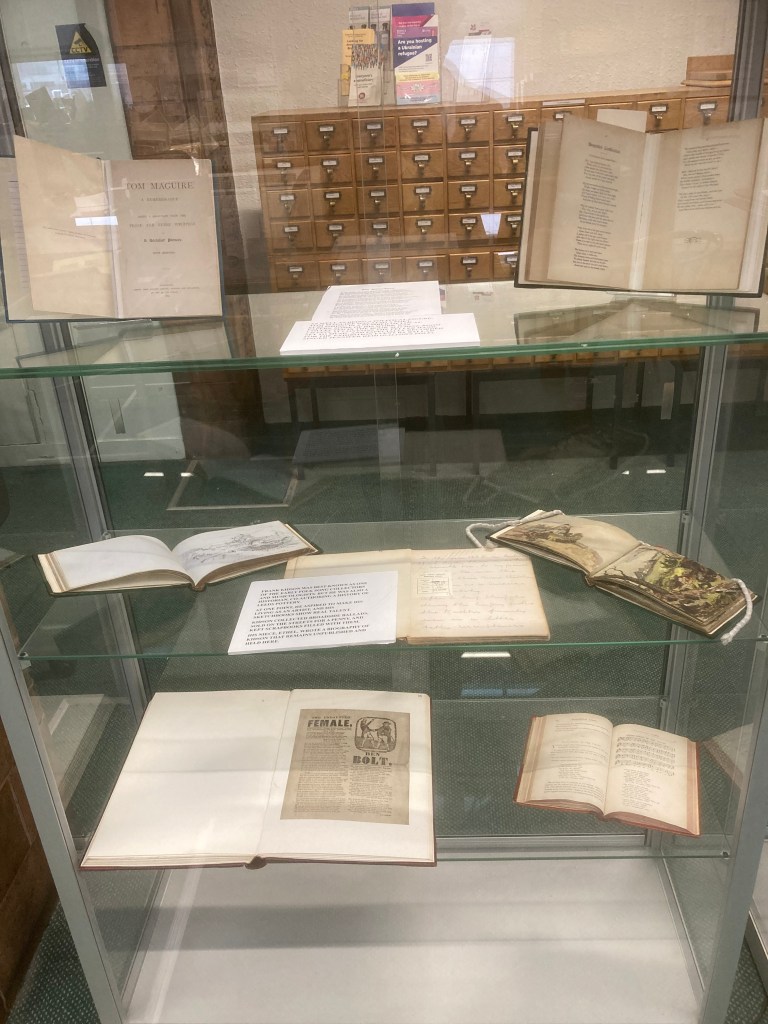
The librarians were oncredible, putting out some wonderful artefacts and helping things to go far more smoothly than they should with no run-through or rehearsal.

People seemed to like it. About 50 showed up on a rainy Monday night, and the Lord Mayor told me she’s a fan of the books.

I was drained when the adrenaline finally left my system. But I was happy. I think I’ve written Tom and Annabelle into the fabric of Leeds history, and that’s the best tribute I can pay them. They were Leeds.

Meanwhile, here’s a gallery of some of the sights and sounds from Monday night for those who couldn’t attend. And remember, you can still but Rusted Souls.

A Book, A Launch, And An Exhibition

Just over a week until Rusted Souls is officially published. But what’s in a date? People are already buying it and reading it and I feel honoured by the effect Tom and Annabelle have on people: “There were times when I held my breath and yes, times when I cried. An outstanding ending chapter to an outstanding saga. You create characters that not only become “family” to you but who become very real people to your readers as well.”

That feels like one of the best tributes possible.

Now I have to hope all of you feel the same when you read it. Please, buy it if you can. If you can’t, ask your public library to order in a copy. It means a lot to me to have people read this one.

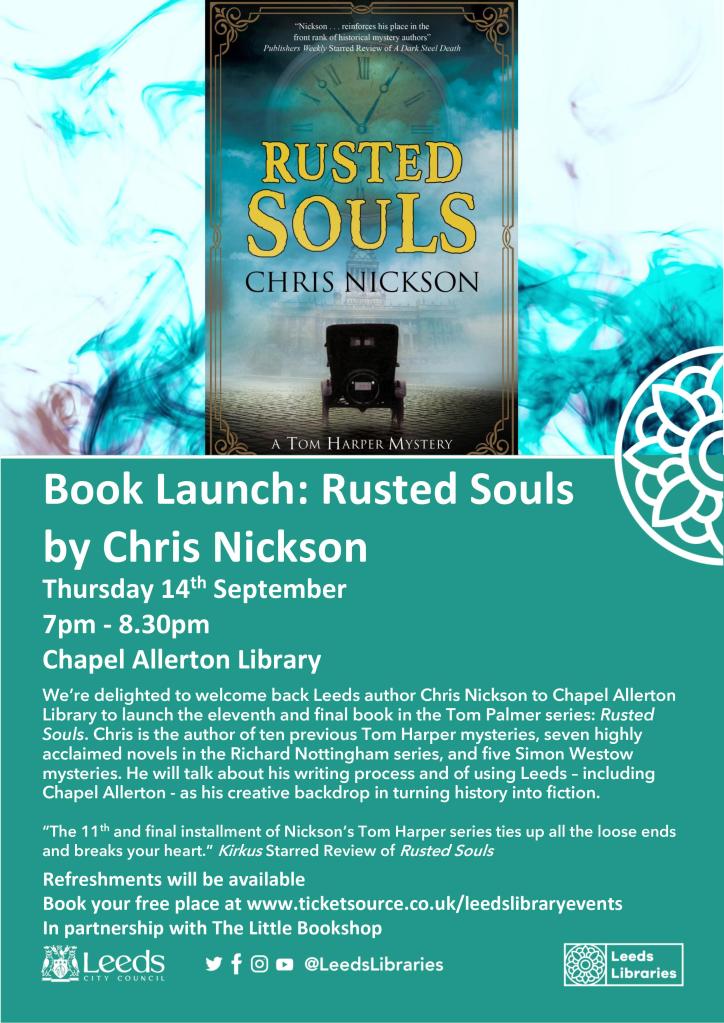
If you can, then come to the book launch at Chapel Allerton library in Leeds. It’s Thursday, September 14. Free, and even some wine, but do book a place – the link is in the pic. Places are minited, the library is small.

Rusted Souls, indeed, the entire eleven books of the Tom Harper series, are the basis for the exhibition A Copper’s Eye: Tom Harper’s Leeds, 1890-1920, which is less than a month away now. I think – hope – I’m on top of things. And I’m still organising the event on October 2, going through everything on show, and with some special guests.

Again, it’s free, but book you’re place right here. Hand on my heart, they’re going quickly (17 in less than a week with no announcement).

Meanwhile, I’m also working through the publisher’s edit for the next Simon Westow, out next spring. No rest for the wicked, indeed.

The Week Of Wonders

It’s been quite a week – well, a week and a half, really. Today I’m just going to stop and catch my breath, because I feel I’ve been going full tilt.

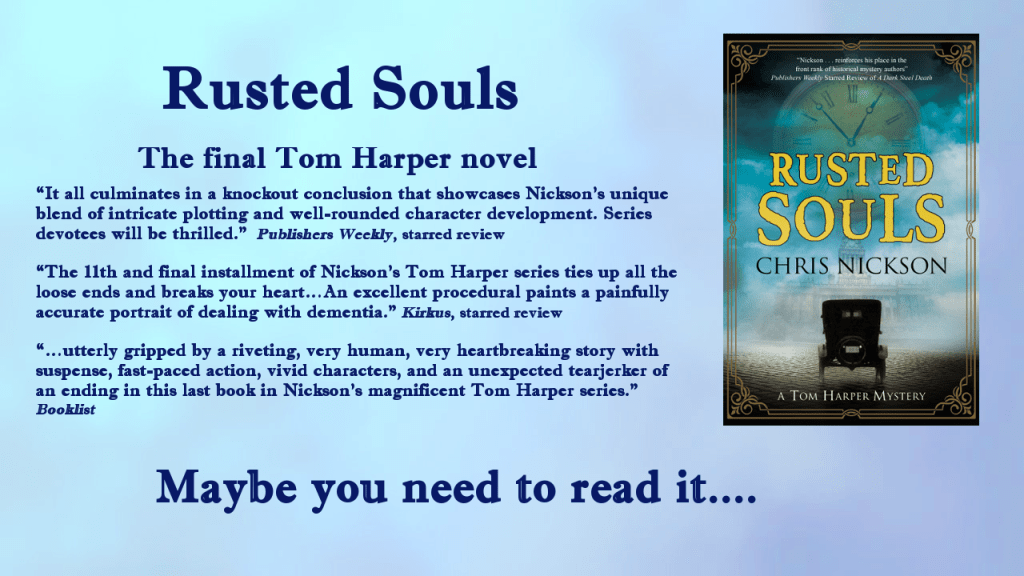
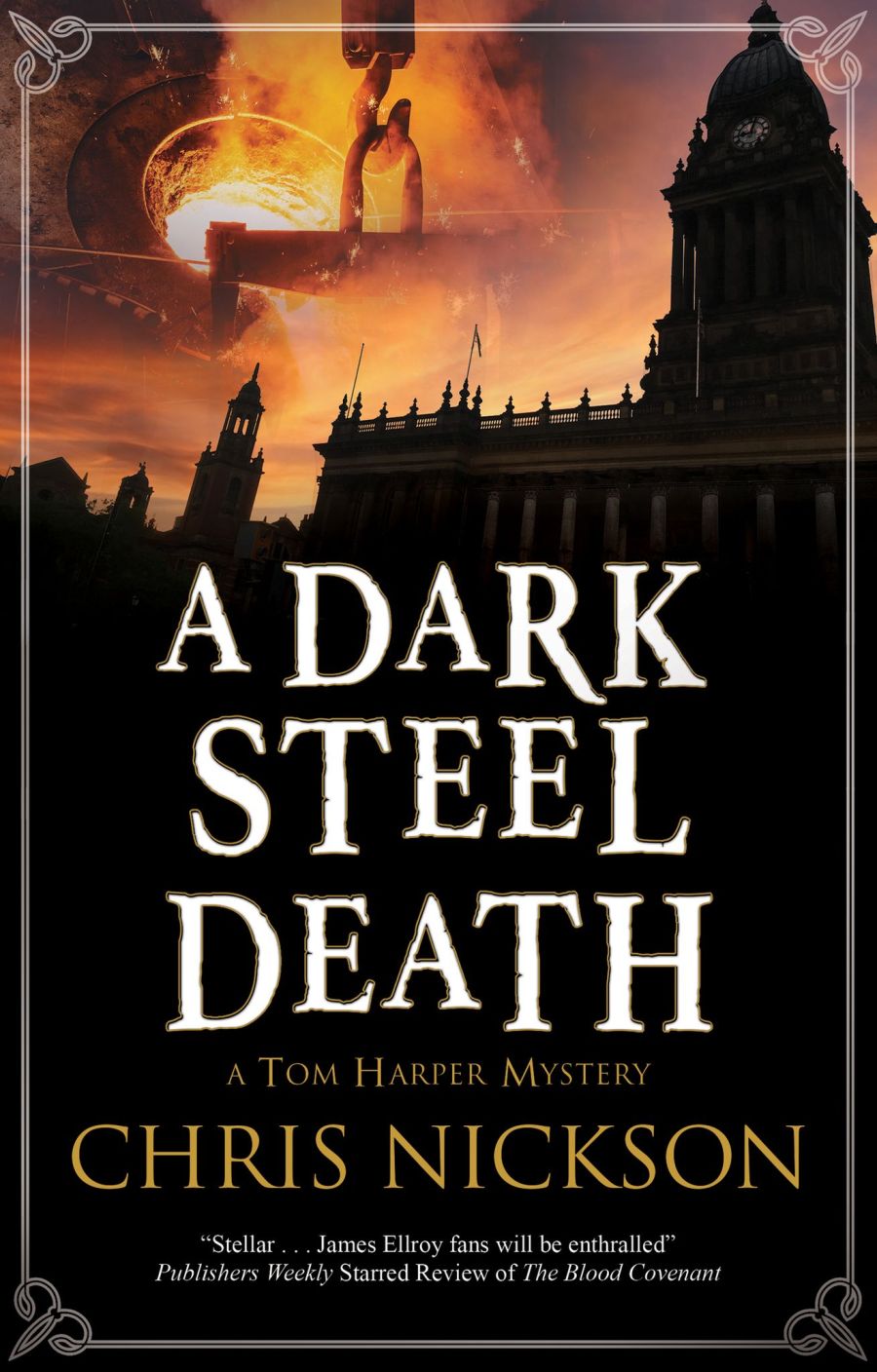
It all began with my publisher sending me the review for Rusted Souls from Publishers Weekly, one of the big US literary trades. A good review in the trades can certainly boost sales. So I’d been waiting nervous, even though the book isn’t out until September 5. And…it was a starred review. What I’d been dreaming and crossing my fingers to have.

“It all culminates in a knockout conclusion that showcases Nickson’s unique blend of intricate plotting and well-rounded character development.”

Wow.

Then a meeting with Leeds Libraries to finalize details for the exhibition A Copper’s Eye: Tom Harper’s Leeds, 1890-1920. It’s going to run in the Family History Library at Leeds Central Library from September 25 to October 7, with photos from the Leodis archive, artefacts and more to illustrate the real incidents and people from the books. The event will have a few guests to spotlight items, plus a recorded song by Jennifer Reid (Gallows Pole), who’s set a poem by Leeds socialist politician Tom Maguire to music.

Then another review from the US trades, Kirkus Reviews. I was overwhelmed when they gave it a starred review, sating “The 11th and final installment of Nickson’s Tom Harper series ties up all the loose ends and breaks your heart…an excellent procedural paints a painfully accurate portrait of dealing with dementia.”

I was floating – I’m sure you can imagine.

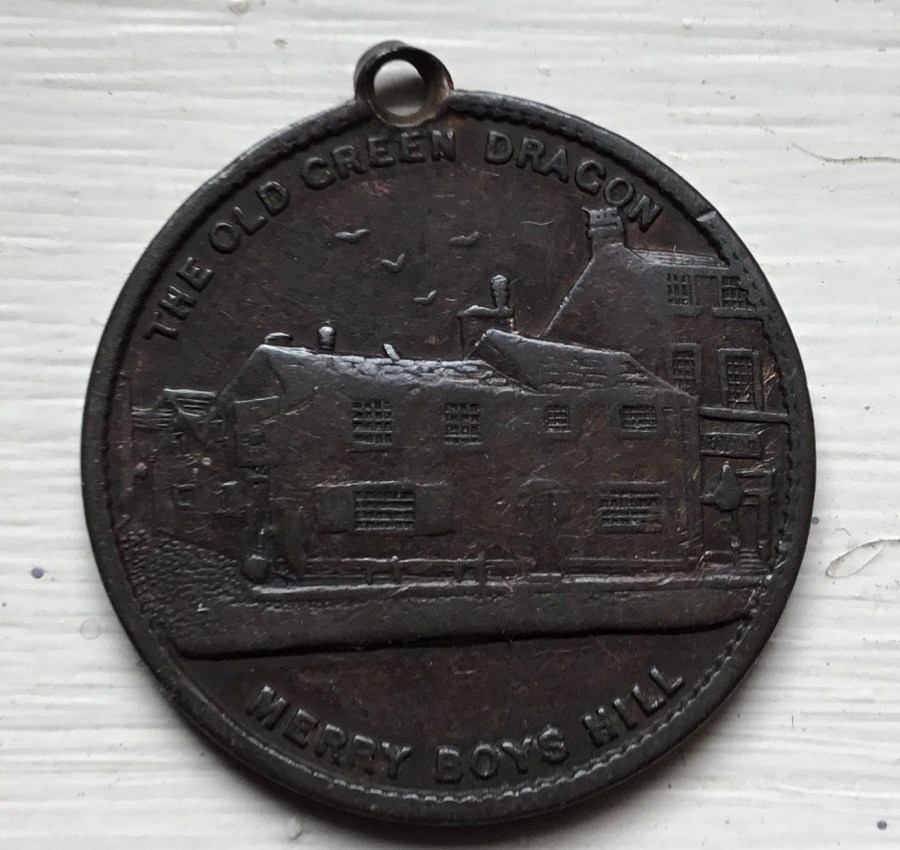
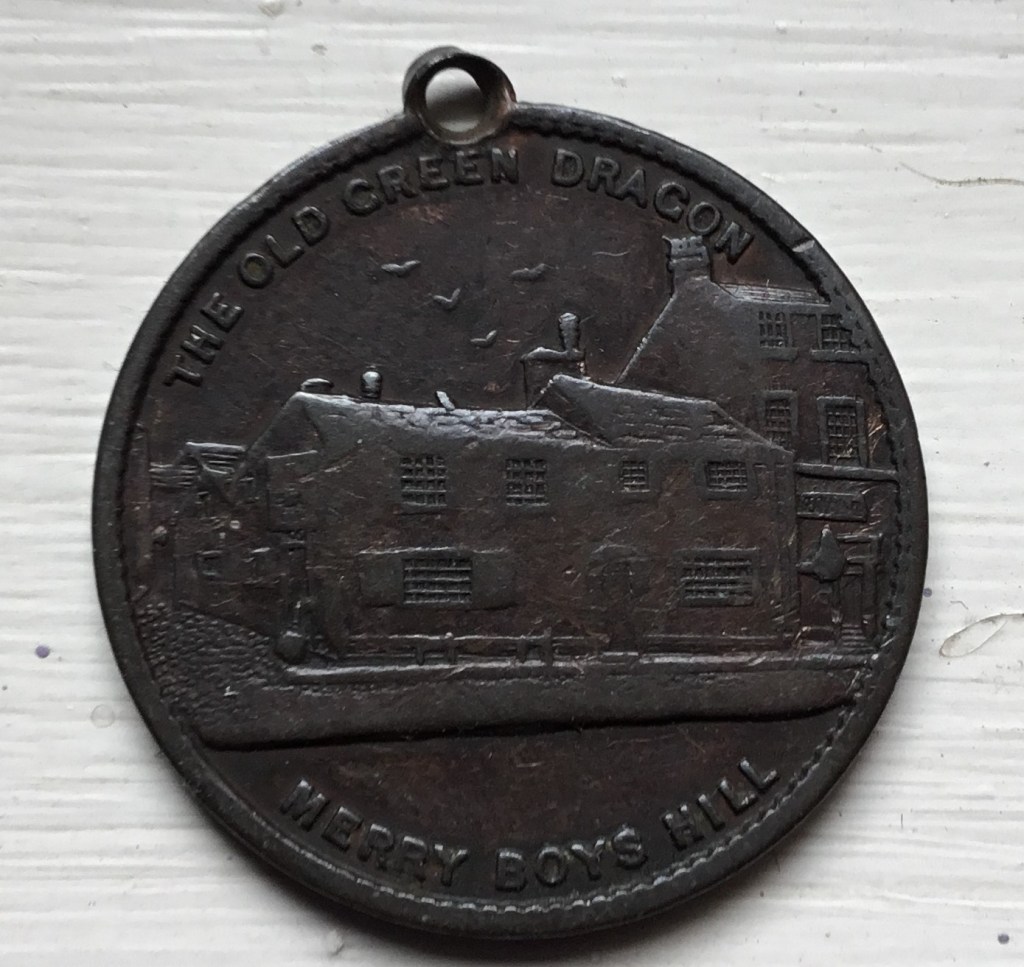
Then, on eBay, I discovered a token for the Green Dragon Inn, in Leeds. In the Simon Westow novels, Jane lives in a cottage with Mrs Shields located behind Green Dragon Yard. What could I do? I bought it.

The real highlight came last Friday. I’d discovered online that a former English teacher of mine would be visiting my old school, and an old classmate happened to have his email. The teacher is someone I’ve long wanted to thank, because he was the first to encourage my writing. I emailed, and he remembered me. Not only that, he told me that way back then, he’d sent some of my poems to a New Writing programme on Radio Leeds, although nothing ever happened.

By the time we briefly met on Friday at the school, he was halfway through the second of my books that he’d read, and I gave him two more. And finally I had a chance to say thank you to a teacher who helped change my life.

Finally, yesterday I was interviewed for a piece about Rusted Souls, the Tom Harper series and the exhibition for an article to appear in a few weeks in the Yorkshire Post. Details to follow…

You can pre-order Rusted Souls in hardback – here is the cheapest price, with free UK postage. If you haven’t started the series yet, the first two books, Gods of Gold and Two Bronze Pennies, are under £3 on Kindle in the UK.

The Story Behind Rusted Souls

Let me tell you a story. After all, it’s what I do.

It’s about Rusted Souls, the final Tom Harper book which will appear in a little under three months.

Actually, it’s about the writing of it. What you’ll see in the bookshops and libraries is a long way from how the book originally began. This was the opening of the first version:

The meeting was nearly over when Miss Sharp rushed into the room, her face anxious. Harper stopped talking and nodded as she whispered in his good ear. Barely a moment and she was gone again, leaving him scowling. The door closed behind her with a soft click. The room was quiet, the heads of each police division in Leeds waiting expectantly.

‘The jury’s just delivered its verdict.’ He paused and drew in a breath. ‘You won’t like it. Not guilty.’

He had the superintendents together, the way he did every Monday morning. Now they all began to speak at once, a clamour of voices that twisted together in outrage and fury. Twelve good people and true had decided that there wasn’t enough evidence to convict Harry Ryder of the attempted murder of Constable Albert Hardisty. For Christ’s sake, he thought: the policeman had been shot twice in the back; he’d never be fit enough to return to work. Ryder had been discovered with the pistol in his hand. Yet somehow the jury had found him not guilty.

I wrote the whole book, right down to the ending, then set it aside in September 2021, a long time ago now. I’d intended to let it marinate for a month, then come back and revise it. But a month passed, then another, and still I didn’t touch it.

It took a little while, but I came to realise that Tom Harper needed something better for the end of his career. All that remains of that early attempt is the title, and I’d settled on that long, long ago.

Tom had been a member of Leeds City Police for 40 years. He’d risen from constable to chief constable, a remarkable thing for a man who grew up in the poor streets of the Leylands. His wife was…well, no spoilers.

He deserved to leave with dignity, head held high. Tom Harper deserved his elegy, and that early attempt wasn’t it. It wasn’t a bad book; just not the one he deserved. I knew that everything had to be different. Like this:

Thompson’s secretary waved him through.

‘Close the door,’ the alderman told him. ‘Take a seat.’

‘You wanted to see me?’

Thompson didn’t reply, just gave a nod. Normally he was bluff, loud, rolling over everything in his path like one of the tanks the army had used in the war. Nothing stopped him. He was a big man, florid and hearty, with a large belly and quick, roaring laugh. But today he was hesitant, his body hunched in on itself.

‘Can you keep your mouth shut?’

‘I always have,’ Harper replied. ‘You ought to know that.’

Thompson fixed him with a glare. ‘Then make sure it stays that way.’

‘Why? What’s happened?’ Nothing good, that much was certain.

The alderman took a few breaths before he could bring himself to answer. ‘I’m being blackmailed.’

Whatever Harper expected, it hadn’t been that. Thompson had always seemed too shrewd to leave himself open to anything like blackmail. The kind who planned five or ten moves ahead and always made certain to cover himself. A man who left nothing to chance.

Humiliation showed on his face.

‘We can arrest them, take them to court,’ Harper said. ‘It’s a crime—’

‘No.’ The word came out harshly. ‘No,’ Thompson repeated more softly. ‘Nothing public.’

‘Then it’s going to be difficult. You must realize that.’

‘Of course I bloody do.’ Fire flickered across his face. ‘Why do you think I’ve come to you?’

And so it starts…At heart an elegy, tempered with sorrow and grief rather than fired by anger. An elegy not just for Tom, but also Annabelle, and Mary. And, perhaps, for Leeds, as it begins to recover from the Great War and the Spanish flu.

I hope you like it. For reviewers and bloggers, Rusted Souls is now available on NetGalley. You can, of course, pre-order from your local independent bookshop, or the cheapest price online is here (with free UK postage). I know many can’t afford books, but your library will order a copy for you.

However it reaches you, I honestly hope you like it and how it all turns out. They all deserve grace.

Finding The Leaden Heart – Two Bronze Pennies

When I started out, I had a plan of sorts for the Tom Harper books, a series arc, if you like. Of course, like all good books, they’ve long since ignored that and developed their own scheme that looks further into the future than I’d ever imagined when it all began.

But in 2015, when Two Bronze Pennies appeared, it was still sticking close to the idea.

I definitely wanted to write about the Jews in Leeds. They’ve been such a powerful, vital force, although in 1890, most of those here were poor and powerless, crammed and squeezed into the Leylands, just north of the city centre.

I did that, and I hope I did it well. There are some references to the legend of the Golem (at one point I wanted to call the book The Golem of Leeds, but my publisher said no. A wise move, in retrospect).

It’s a novel of changes. The influx of immigrants to Leeds, the prejudice against them that still echoes in today’s Islamophobia. The change, the rift that occurs between Tom and his sergeant, Billy Reed.

And there’s another story in there, too, that of Louis Le Prince, the man who arguably invented the moving picture. He lived in Leeds, developed those early movies here, and vanished without trace on a visit home to France.

Le Prince’s first film, taken in his father-in-law’s garden in 1888

Traffic Crossing Leeds Bridge, shot by Louis Le Prince in 1888

Even today, more than a century on from those times, no one knows what happened to him. But a mystery like that was too good not to use in a book about Leeds at the time. Sometimes life makes your decisions for you.

I wanted to capitalise on the wonderful reviews that Gods of Gold had received. I had plans for the launch people. Big plans. Something that could involve people from all over the world.

Live streaming was still new and unusual then. Hard to believe, I know, when it was only five years ago, but that’s the case. I signed up to use a particular platform. I was going to talk, answer questions people typed, and my friend Shonaleigh, a storyteller and drut’syla, was going to tell a Jewish story (please go and see her if you ever have the chance; she’ll transport you).

For whatever reason, when the time came, I wasn’t able to connect to the platform. It was all a bit of a bust. I felt foolish, that I’d let everyone down and disappointed them. My big plans had crumbled, defeated by technology. I did the only thing I could – hurriedly made this video the next day and posted it (apologies for the sound quality). The beard has long since gone, you’ll be pleased to know.

The reviewers liked the book (thankfully). And with two books, Tom Harper was on his way. From swearing I’d never write Victorian crime, I was up to my neck in it. But the characters didn’t intend to keep to the plans I’d made for them…

two-bronze-4

How Do I Rate My Books?

As you hopefully know, I have a new book coming out next week (it called The Hanging Psalm, in case you weren’t aware). Take a big breath time, it’s the start of a new series, and my publisher has just accepted the follow-up, which will be appearing in a year’s time (I know, it’s hard to think that far in advance).

When something like that happens, though, I tend to look at those titles on my bookshelf with my name on them and have a think about them. It’s very rare for me to go back and re-read any. Certainly not for pleasure; I might have forgotten the details of the plots, but not the months of work that went into each one. If you’re a writer, by the time you’ve written something, revised it, gone through the publisher’s edits and then the proofs, you’re pretty much sick of seeing it.

But I have a surprising number of books out there. Quite often it astonishes me, makes me wonder just how that happened. And it makes me wonder what I think of them in retrospect. So, it’s time for an honest assessment.


I started out with the Richard Nottingham books. The Broken Token took several years to see the light of day. It was finished in 2006 and finally appeared four years later. In my memory, it’s curiously poetic, as is most of the series, a style that seemed to fit the character and the times – Leeds in the 1730s, for those who don’t know. Cold Cruel Winter was named one of the Mysteries of the Year by Library Journal, something that floored me. It’s a book that came from a single fact – the trial transcripts of executed men were sometimes bound in their skin. What crime writer wouldn’t relish doing something with that? And it was where I began to explore the grey area between right and wrong. The third book, The Constant Lovers, has its points, but taking Richard out of Leeds, even if it’s just into the surrounding villages, was probably a misstep. It diffused the focus. Leeds, tight and dense, is his milieu, and he’s been back in there ever since. The standout in the series for me, though, will always be At the Dying of the Year. It was the hardest to write, the one that cut deepest into me and left me depressed for a while afterwards. But the emotions are very raw and real on every page. Even thinking about it now, I can still feel them. Returning to Richard after a few years with Free from All Danger felt like a homecoming of sorts. I’d originally intended eight books in the series. That was number seven, but it left him at the end with some share of happiness, and God knows he deserves that.

I do have a soft spot for the pair of novels featuring Lottie Armstrong (Modern Crimes and The Year of the Gun). She’s so vibrant and alive, both as a young woman and in her forties. It’s impossible not to like her. The problem is that I painted myself into a corner; it’s impossible to ever bring her back, although she seems quite happy to leave things as they are. In different ways, I’m hugely proud of them both, and particularly of Lottie. I still feel she might pop in for a cup of tea and a natter.

The Dan Markham books (Dark Briggate Blues and The New Eastgate Swing) book came after re-reading Chandler once again and wondering what a private detective novel set in the North of England would be like. I found my answers. The original is the better book, harder and more real, and it spawned a play, to my astonishment. The second certainly isn’t bad, but it doesn’t quite catch the pizazz of the first.

Then there are the anomalies – a three-book series set in medieval Chesterfield. The first came as a literal flash on inspiration, the others were harder work, and the difference shows. I lived down by there for a few years, I like the town itself and I think that shows. There’s also a pair of books set in Seattle in the 1980s and ‘90s that hardly anyone knows about – they’re only available on ebook and audiobook. But I spent twenty years in that city, a big chunk of my life, and I loved it. I was involved in music as a journalist (still am, to a small degree), and the novels, still crime, are part of that passion. You know what? I still really believe in them. They’re pretty accurate snapshots of a time and place, and the scenes that developed in the town – the way music itself was a village in a booming city.

The Dead on Leave, with Leeds in the 1930s of the Depression, was a book born out of anger at the politics around and how they seem to be a rehash of that period. It’s a one-off, it has to be, but I do like it a lot – more time might change my view, but honestly, I hope not.

And that brings me to Tom and Annabelle Harper. I’m not quite sure why, but I feel that they’re maybe my biggest achievement to date. That’s a surprise to me, given that I swore I’d never write a book set in Victorian times. Yet, in some ways they feel like the most satisfying. More complex, yet even more character-driven. And I think someone like Annabelle is the biggest gift anyone can be given. She’s not the focus of the novels, but she walks right off the page, into life. I didn’t create here – she was there, waiting for me. And what feel like the best books in the series are the ones that involve her more, in an organic way: Skin Like Silver and The Tin God. Not every book works as well as I’d hoped; in Two Bronze Pennies I don’t think I achieved what I set out to do. My ambition was greater than my skill. But maybe I’m getting there. The next book in the series, The Leaden Heart, takes place in 1899, the close of a century, and I feel I’m starting to do all my characters real justice. I’m currently working on one set in 1908, so the 20th century is already here, and I still want to take them to the end of World War I, a natural closing point for the series. I feel that I’m creating not only good crime novels, and I strive to make each one quite different, but also a portrait of a family in changing times – and also a more complete picture of Leeds.

And that’s always been the subtext, although it took me a long time to realise it. Leeds is the constant, the character always in the background, changing its shape and its character a little in each era. And I’m trying to portray that, to take the readers there, on its streets, with their smells and noises. I’m hoping to have a novel set in every decade from 1890s-1950s (maybe even the ‘60s, if inspiration arrives), to show how the place changed.

In a way, the nearest I’ve come to running after the character that is Leeds and its essence is a collection of short stories, Leeds, the Biography, even if I didn’t realise it at the time. It’s based on anecdotes, snippets of history, and folk tales, and runs from 360 CE to 1963. For the most part, they’re light tales. But one has resonance – Little Alice Musgrove. That still stands as a good story (you can probably find it online)

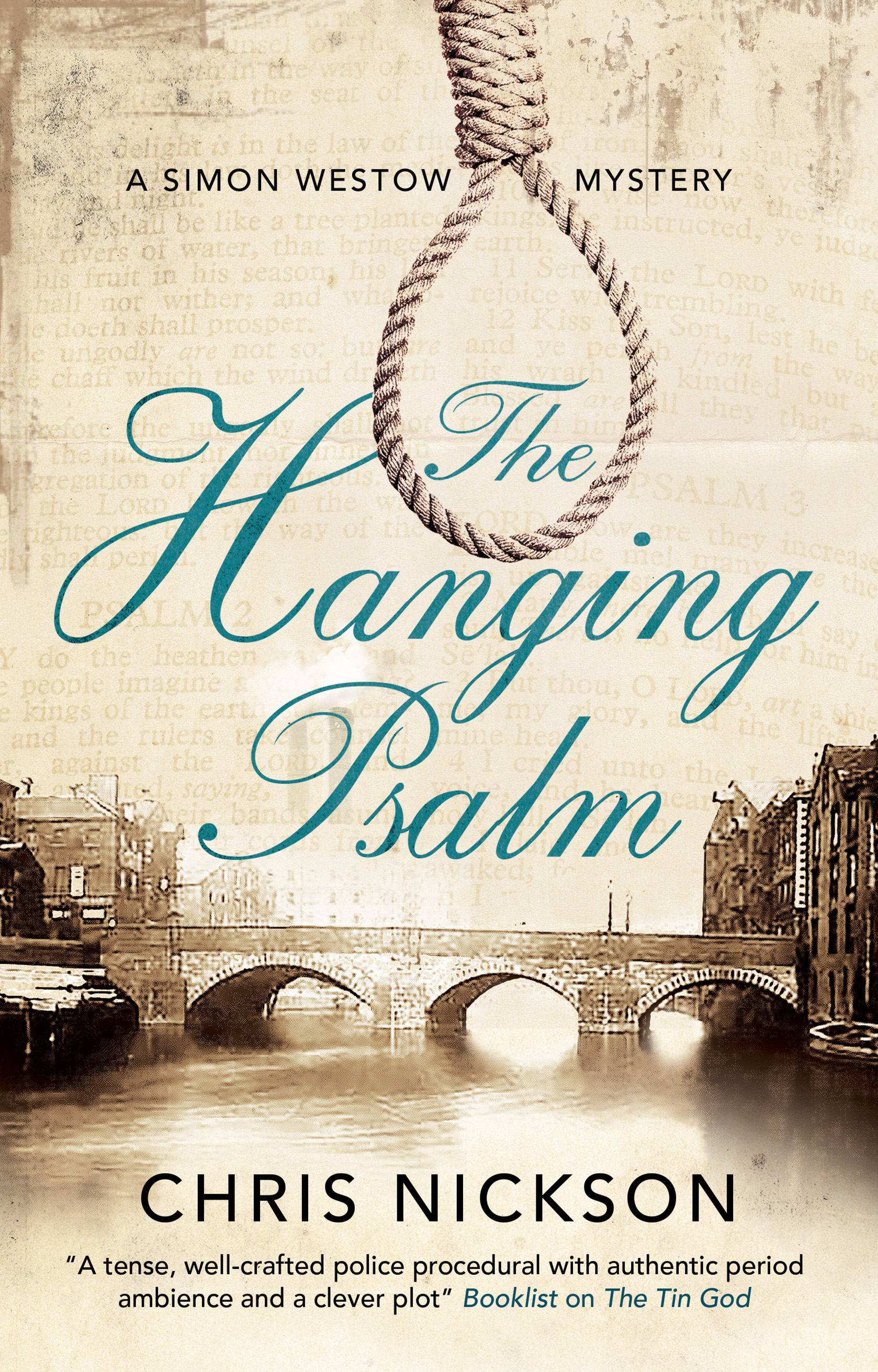
But with The Hanging Psalm, out next week, I’m going back to an unexplored place, Leeds in the 1820s, when the Industrial Revolution was still quite new. The Regency, although there’s very little gentility to it; better to describe it as Regency Noir. The book is still too fresh for me to asses it fairly. But I do know how electric it felt to write. So I’m hopeful it will stand the test of time in my mind…and in the meantime, I hope you’ll buy it (definitely buy it if you can!) or borrow it from the library and enjoy it.

Hanging Psalm revised

Looking Ahead For Tom And Annabelle Harper?

It’s ironic, really. I always swore I’d never write a crime novel set in Victorian times. There era was overdone, with Conan Doyle, Wilkie Collins – even Dickens – and all who’ve followed in their footsteps. And now I have six of them out there, plus a seventh just completed.

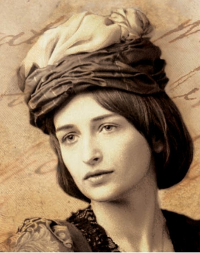
annabellefrom book_3

It still makes me shake my head. Especially the reviews that have come in so far for The Tin God. I’ve created something that people seem to love…

Actually, it all began with a painting by Atkinson Grimshaw, the Leeds artist. A woman standing by the canal, holding a bundle. The water is almost empty because of a strike, the smoky skyline of Leeds tries to peer through behind her. She’s alone, just staring.

Aire_1997579i

She was Annabelle. That’s how she came into my life. It simply grew from there. A short story at first. Then, after reading about the Leeds Gas Strike of 1890, a novel. An event where the strikers won in three days, even as the Council Gas Committee imported strikebreakers? I had to commemorate that.

So Annabelle came back. She told me all about it and introduced me to her husband, Detective Inspector Tom Harper and his assistant, Sergeant Billy Reed. Out of that arrived Gods of Gold.

cc8bc6e68505bae687a048f7bd818a80

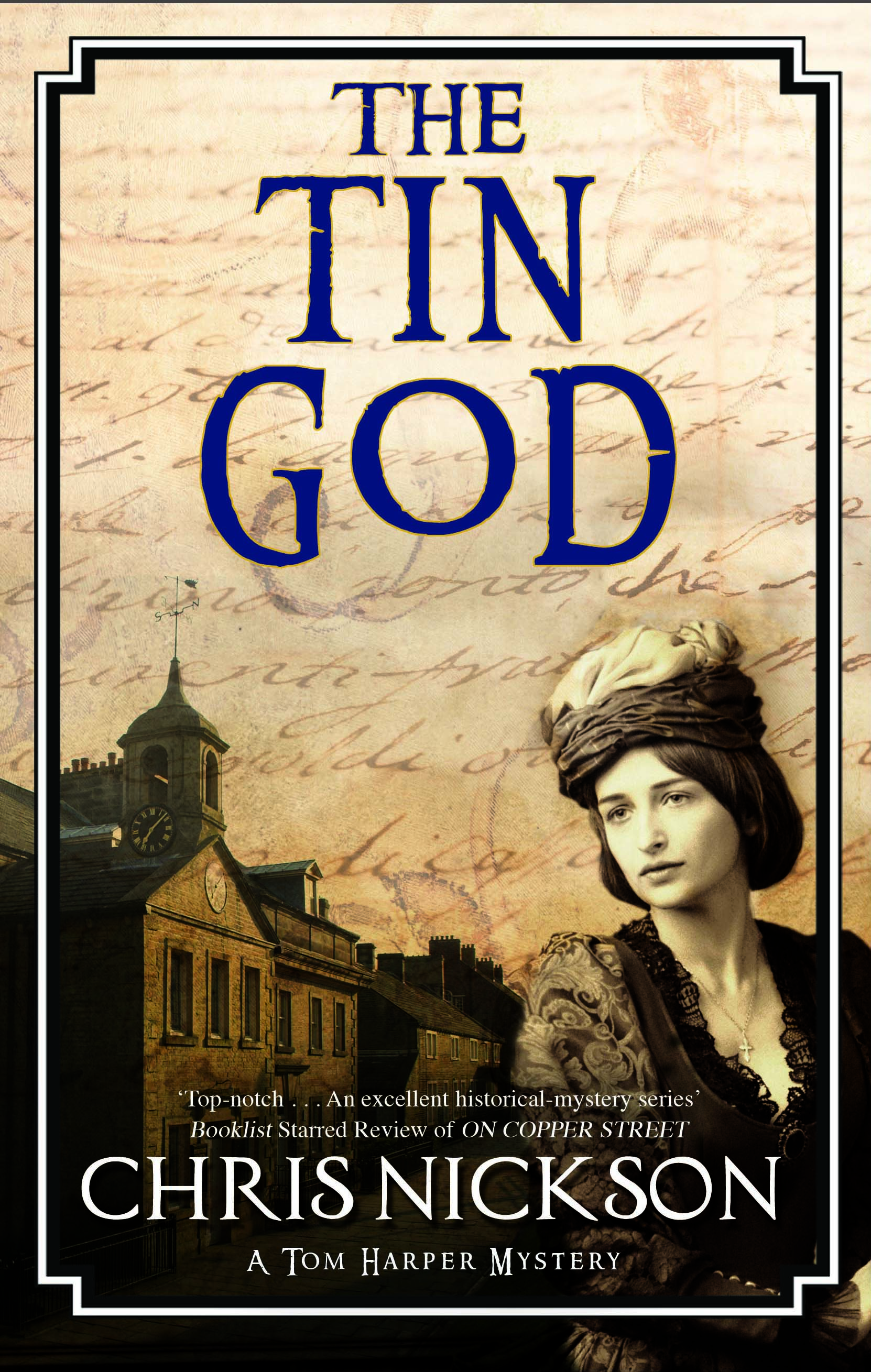
The books are unashamedly political. No apologies for that. But they’re also crime novels, the two intertwined in a heart around Leeds. The newest, The Tin God, is the most political of all, and one where Annabelle finally takes centre stage.

In fact, she doesn’t, although the plot revolves around her bid (along with six other women) to be elected as a Poor Law Guardian in 1897. Trying to stop the man who doesn’t want women in politics is the core. But the heart, the linchpin, is Annabelle trying to win in the Sheepscar Ward.

annabelle election poster texture

The Tin God was a book that seemed to write itself. I was simply the conduit. And over the last few years, Annabelle (in particular) and Tom have become every bit as real to me as friends I meet. I know them, and they know me. They’re family, in a way.

I’d like to say that I have plans for them, but the truth is, they have plans for me. To tell their story to the end of the Great War. Whether that will happen or not remains to be seen. But I’d like to do it. Although the books themselves aren’t planned out, I know what happens in their lives, and in their daughter Mary’s, too.

The book I’ve just finished writing will actually be my last Victorian (assuming my publisher likes it, of course). No, I’m giving nothing away about it, except it’s set in 1899. If another follows, that will be after 1901, and we’ll be into the Edwardian and George V eras. There’s plenty of Leeds material – the 1908 Suffragette ‘riot,’ the start of the war, news from the Somme in 1916, the Leeds Convention of 1917, and finally, finally, the Armistice a year later.

That will prove interesting. I’d certainly never imagined writing an Edwardian crime novel. Or even given a second through to George V. But I have a strong impression that Annabelle and Tom will guide me through it all.

In the meantime, I’d be very grateful if you read The Tin God. And the other books in the series.

the tin god 4 (1)

The Kernel of Truth

For a long time I was jealous of my friend Thom Atkinson (read about him here). His short stories and plays, justly award-winning, hit a kernel of truth that I couldn’t seem to reach in my own writing (you really should read his work. He’s honestly that good). What I produced was readable, but it was all surface, it didn’t resonate deeply.

Maybe I hadn’t lived enough. Maybe I just hadn’t reached far enough inside. I don’t know.

I had a stack of unpublished novels, six or seven of them. Fair enough.

Finally, though, I did manage to touch that core and find that elusive truth when I wrote The Broken Token. I like to feel that the Richard Nottingham and Tom Harper books all manage that, to a greater or lesser degree. Some – At the Dying of the Year, for instance, or Gods of Gold and Skin Like Silver – have been very emotionally draining to write. When that happens, I feel fairly sure I’ve achieved work that’s the best I can do.

Some of my other books perhaps don’t delve quite as deep. But I hope that they each have their own truth that shines through.

This is a preface to saying I’ve just completed a book that was quite exhausting to write. Currently titled The Tin God, it’s the next in the Harper series, and Annabelle figures more largely than ever. Soon enough it will be with my agent and then, I hope, my publisher, who will give the thumbs up or down. If it’s success then I’ll let you know, of course. But the issues involved are timely. Women running for office – which they could in late Victorian Leeds, either for the School Board or as a Poor Law Guardian – and the problems they face from men.

My publisher will hopefully receive this new manuscript just after On Copper Street appears in hardback in the US, and everywhere as an ebook (obligatory ad!). I was a little stunned a couple of weeks ago when Booklist, an American publication, named it as one of the best crime novels of the last 12 months before its publication. That is heart-stopping and left me immensely proud.

Over lunch last week, a writer friend told me: ‘You own Leeds.’

I don’t (or if I do, where’s the rent?), but it’s lovely to be so associated with a city I care for so deeply, that’s helped me find the heart in my fiction.

I’ll be talking about that on June 8 with a great historical crime writer, Candace Robb, who feels about York the way I do about Leeds. Details are here – please come if you can.

A finally, I mentioned Richard Nottingham before. After four years away, he’s returning. Here’s a little teaser…

RN1