It’s That Time…Again

We’re leaping into that season again. Christmas lights switch-ones, Christmas fairs and markets, Thanksgiving in the US, the spectre of Black Friday that lasts for weeks…it all means it’s time to think of presents, and a period when artists of all types tout their works as ideal gifts.

I’m no different standing here like I have a stall in the market and barking out my bargains. But yes, I do feel they’d make good presents for anyone who likes to read, has an interest in history and likes crime novels.

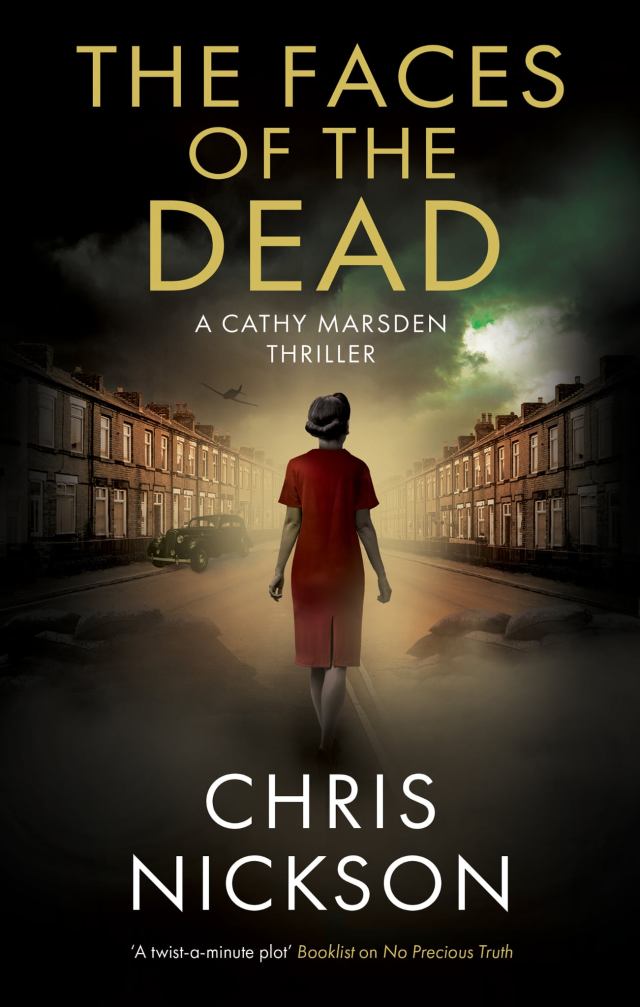
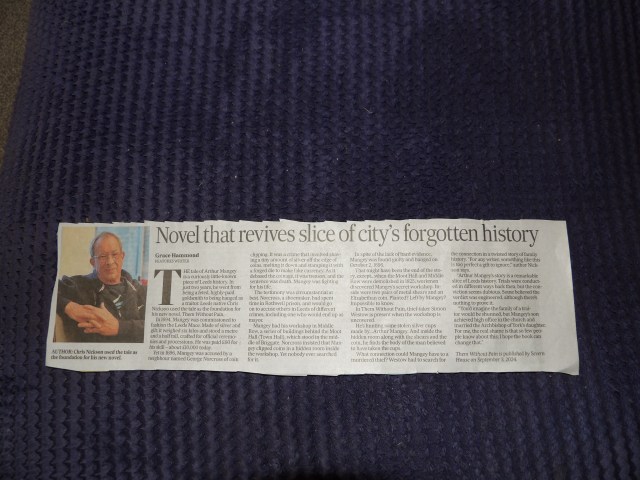
My latest is on sale with Amazon (I know, but…cost of living). At least, it is in the UK. The hardback is £13.61 and the ebook £12.93. That’s a good deal and I still get a full royalty. I’d love to sell more copies of it. I believe it’s a hell of a good story, with great characters, and a foundation in Leeds history (a Leeds goldsmith hanged for treason in 1696) that resonates through the years. You can find it right here – just click the link.

KODAK Digital Still Camera

If you could find your way to buying a copy, even for yourself, I’d be very grateful. And if you don’t have the money, please request it from your local library. They may not have it, but they can order it in.

Above all, though, please enjoy the holidays, be healthy and be well. And thank you for reading.

A Very, Very New Story

Well, a part of one, anyway. The first scene came to me as I was walking, and I needed to write it, to get it out of my head. Then another scene came, and a third…quite what it’s going to be – or if it’s going to be anything at all – remains to be seen.

I’ve tried without success to write something set in Leeds in the 1960s. This might go the way of all the other attempts. Or perhaps it might click. But I’d honestly appreciate your reaction to it.

Picture courtesy of Leodis.

One

Leeds, April 1966

‘I’ll tell you what,’ Clarky began then took a sip of the beer. He was three pints and two Scotches into the evening, right around the time his tongue usually loosened.

            Davy Wilson shook a Gold Leaf from a packet of ten and lit it. They were drinking in the City of Mabgate pub. Just a few hundred yards from Millgarth police station, but the coppers didn’t come in here. Except Detective Constable Robert Clark.

            ‘I’ll tell you what,’ he said again. Voice steady. It would take another two of three pints before he started to slur his words. Then the landlord would gently send him on his way home, up the hill to Lincoln Green.

            ‘What?’ Davy asked. Friday evening and across Leeds the mood would be rising. People putting on their best clothes. New dresses, suits from Burton’s. Knotting the tie just right. Some already out drinking, preparing for a night in the dancehalls and discotheques. Not him; another half hour and he’d be on his way home. But first he wanted to hear what Clarky had to say. When you worked for an enquiry agent, a copper’s information was like gold.

            Sometimes gold, anyway. More often it was just shit. Still, no knowing when a nugget would show itself. Worth paying for a pint and a small measure Scotch. The cheap stuff; Clarky would never taste the difference.

            ‘You know George Hathaway?’

            ‘Georgie Porgie?’ Nobody would ever call him that to his face. He was big, as protruding belly, one of the most violent men in town, with a temper that could arrive from nowhere, like the flick of a switch. A criminal, running half the money lending and prostitution in town. And dangerous; there were rumours he’d made a couple of enemies disappear. But smart enough never to be caught, and enough policemen on his payroll to be certain he’d stay free.

            ‘Talk is he’s planning something big.’

            ‘Any idea what?’ He tried to make the question casual. It was business for the rozzers, not someone like him. His work was security. A different, safer world. Still, he was curious. Something useful might slip out.

            ‘No. But he has a pair of councillors in his pocket and I hear they’ve had full wallets lately.’ He took another sip. ‘Same with my Superintendent. He rolled up the other day in a Wolseley. Brand new, a 16/60.’

            They didn’t come cheap, even with the kind of discount a dealer would give the police. Hathway, a pair of councillors and Superintendent Witham. Davy filed it away in his mind. Counted out three shillings and placed them on the bar before he stood and patted Clarky on the shoulder.

            ‘Have yourself another on me.’

Dickie Parsons studied himself in the bathroom mirror, pushing his fringe up a little. It wouldn’t last long, but he wanted to look perfect when he left the house. The suit was just right, three-button, two vents at the back, slim fitting, creases like knives on the trousers. A blue knitted tie.

            In the hall he pulled his good overcoat from the stand and shouted bye to his parents. They’d be in bed long before he was home. He had work tomorrow morning, always a half day on Saturday, but he was twenty years old. Who wanted to stay at home and watch the telly on a Friday night? Plenty of time for that when he was old.

            At the end of the drive, he stopped to light a cigarette. He’d been paid in the afternoon and he had some money in his pocket. Even after paying room and board to his mam and setting a little aside for a holiday, maybe a car or a motorbike, there was still plenty left for the weekend.

            Rod and Jimmy were at the bus stop on Foundry Lane. They’d all been at school together, left as soon as they were fifteen. Jimmy had landed on his feet, an apprentice with an engineering company, with prospects for the future. Rod was a big lad with strong shoulders, content to carry hods full of bricks on the building sites. Dickie, though, he had a touch with engines, working at a garage in Cross Green, on decent money and learning. Always learning. Anything with a motor, he could repair it.

            They had a laugh about work. But nights out were serious business. A few pints and over to the Mecca, see if there were any birds. They’d start at the Market Tavern, just up from the bus station, then across Vicar Lane for a couple more in the Robin Hood for going on to County Arcade and start dancing.

            Dickie was beginning to feel the weekend, a little buzz in his body, like that time someone gave him a Purple Heart. The week before he’d noticed a lass at the Mecca. Short skirt, long legs, short dark hair and big, wide eyes like Twiggy. Mandy, she’d told him as they talked for a couple of minutes before her friends dragged her away to the bus.

            ‘Maybe see you next Friday,’ he told her. He’d keep his eyes open; there’d been a promise in her smile.

            Dickie stood by the bar in the Robin Hood, the air thick with cigarette smoke and talk. He chuckled to himself as he saw the daft little World Cup Willie gonk someone had put on top of the optics. Still, it was only a few weeks until the matches started, and he was looking forward to the football. He was in a good mood, ready to have a little fun, when somebody pushed into him, hard enough to make him lurch forward and spill his beer. The first thing he did was look down. The bottoms of his trousers were safe, just a few drops. Most of it splashed onto his Chelsea boots. A flash of annoyance. He’d only bought them the weekend before.

            Dickie turned around. ‘What the hell do you think you’re doing?’

            The man was fat, a glass of Scotch in his thick hand. A pair of hard cases stood beside him.

            ‘Sorry, lad,’ he said. ‘No damage done, eh?’

            ‘All over my bloody shoes.’ Suddenly Rod and Jimmy were there.

            ‘I said sorry, all right? Let it go.’

            He’d had just enough to drink to show a little bravado. ‘You can buy me another pint.’

            He saw something change in the fat man’s face. In an instant it grew hard and dangerous.

            ‘I said sorry. I’m not buying you owt. Leave it while you can.’

            ‘Least you can do is stand him another,’ Jimmy said.

            The big man turned his head a little. ‘I’d shut up if I were you.’

            ‘What do you want to do, boss?’ one of the hard men asked.

            ‘Nothing.’ He was staring at Dickie. ‘These boys were just leaving.’ He had a smile that looked like a curse. ‘It’s probably past their bedtime, anyway. Let them go home to mummy and cocoa.’

            It was Rod who put a hand on Dickie’s shoulder.

            ‘Come on, mate. It’s not worth it. We’ve got better things to do.’

            Dickie stood his ground, staring at the fat man for five seconds.

            ‘Yeah,’ he agreed finally. ‘Let’s go.’ As he pulled the door open, he looked back. The fat man was still watching him, amused now.

            ‘Pillock,’ he shouted.

            Then they were out on the street. Only a few yards to the County Arcade and the Mecca where the night could really begin. But he heard the footsteps behind them. He glanced and the others.

            You couldn’t run for it. You didn’t do that. You stood your ground even if you knew you couldn’t win.

            Then Rod and Jimmy were on the floor, the hard men kicking them like they were playing at Elland Road. Dickie was facing the fat man.

            ‘You need to learn some respect, boy.’ He grabbed Dickie’s lapels, pulled him close and brought his head down hard. Dickie felt his nose explode. Pain and a sudden gush of blood. He opened his mouth to cry out. Then the fist caught him on the chin and he was flying back on to the pavement.

Two

Leeds, June 1966

‘Do you remember that assault on Boar Lane back in April? A Friday night, three lads in hospital. One of them in a coma.’

            Davy Wilson lifted his head. Charlie Hooper was staring out of a dirty window, gazing at the blackened stone of Mill Hill Chapel on the other side of Lower Basinghall Street.

            ‘I remember seeing it in the paper. Why?’

            ‘He came out of the coma yesterday. They’re not sure if he has brain damage.’

            Davy waited. Charlie wasn’t the type to bring something up out of the blue and then leave it hanging there. He was usually decisive, mind sparking. Today he seemed…distracted. Sad. Not like him at all. There had to be more

Hooper had served in Military Intelligence during the war, left with a good record, came back to Leeds and started the business. He had the kind of face nobody remembered, a real asset for this line of work. Sharp enough to look ahead and see the divorce laws were likely to change soon. That market would vanish. He’d begun to push the industrial security side of their work to keep them ahead of the competition That was Davy’s field. Aged eighteen, three A-levels behind him, he’d started worked for a company making burglar alarms and sense the possibilities. Three years of that, learning the electronics and how to set everything up, he’d done his research on enquiry agents and gone to see Hooper. Another trade to learn, how to work on the street and with the police while he built up contacts with businesses and Charlie used the friends he’d developed. It was starting to pay off for both of them, and Davy was still only twenty-six.

            ‘Poor lad,’ he said. What else was there?

            Charlie nodded and ground out his cigarette in the ashtray. He was in his fifties, white hair, a bald spot on the crown of his head. He smoked too much, starting to go to seed: nicotine stains, jowly, belly ending over the top of his trousers. ‘Happened on a Friday evening right in the middle of town.’ He spoke quietly, thoughtfully; he could have been talking to himself. ‘A couple of witnesses gave statements to the police. The way I heard things, they went back later and changed their minds.’ He raised his eyebrows. ‘Nobody on the force pushed them.’

            ‘It happens,’ Davy said. ‘We both know that. Someone put the fix in.’

            ‘Yes,’ Charlie agreed. ‘Dickie, the one in the coma, he’s my cousin’s boy.’ He turned his head to stare at Davy. ‘She asked if we could do something.’

            ‘What did you tell her?’

            ‘I rang a couple of coppers I know. They’re not saying a word.’ A pause, no more than a moment, but it felt like a lifetime. ‘You drink with that detective out of Millgarth, don’t you?’

            ‘Sometimes.’ He knew what was coming.

            ‘Can you ask him? See what he knows?’

            ‘I can try.’ Tomorrow was Friday. Come evening, Clarky would probably be in the pub.

            ‘I’d appreciate it.’ A small, wan smile. ‘Dickie’s a good kid. We’re going to have to wait and see how he goes along. Meanwhile…’

            ‘Yes.’

While you’re here, just a reminder that this book is still pretty new, very dark and (I think) pretty damn good. You might like to try it.

A Copper’s Eye

Well, it’s happened.

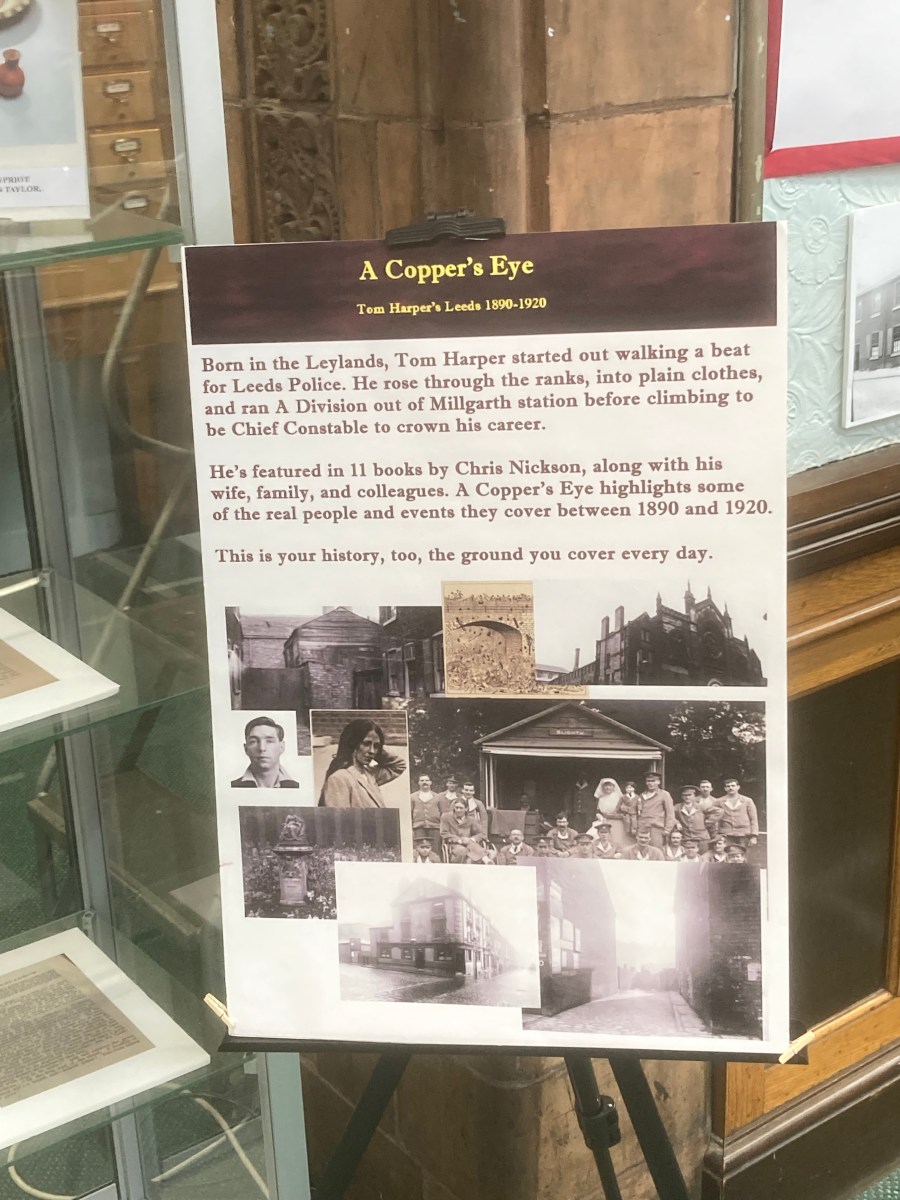
A Copper’s Eye: Tom Harper’s Leeds 1890-1920 exhibition has opened in the Family and History Library at Leeds Central Library, available to enjoy whenever the library is open.

I spent for days last week hanging it, and much of the week before that gluing pictures and the posters to the foam boards to go on the wall.

It’s been stressful, no doubt about that, and the biggest thing I’ve ever done, definitely stretching me – which may or may not be a good thing. The jury’s still out on that one.

From conception to opening has taken about two months. A blink of an eye, although it feels like so much longer. But I’m hugely honoured that someone wants to give space to Tom and Annabelle and the series that the Morning Star said will “stand for some time as one of the monuments of historical crime fiction.”

More than that, it’s a celebration of the city I love, that raised me.

Have a very quick look around.

Next Monday will see an event as part of it all, with micro-talks, special music, an actor, and more.

This labour of love is wonderful, it’s cemented the Harpers firmly into Leeds history.

But this is the very last exhibition I will ever do.

Meanwhile, please don’t forget this…

Coming In 2023

We’re close to the end of 2022, hard to believe. That means it’s time to take a peek into what the next 12 months promises in books. Well, my books. Before I do, though, I’d like to recommend the best thing I’ve read this year. It’s Demon Copperhead, by Barbara Kingsolver. A modern Appalachian retelling on David Copperfield, it’s both harrowing and redemptive and very beautifully written. Tell them I sent you (and it’s not too late to catch up with Thomas M Atkinson’s Tiki Man, in my estimation the best thing to appear in 2021).

So…

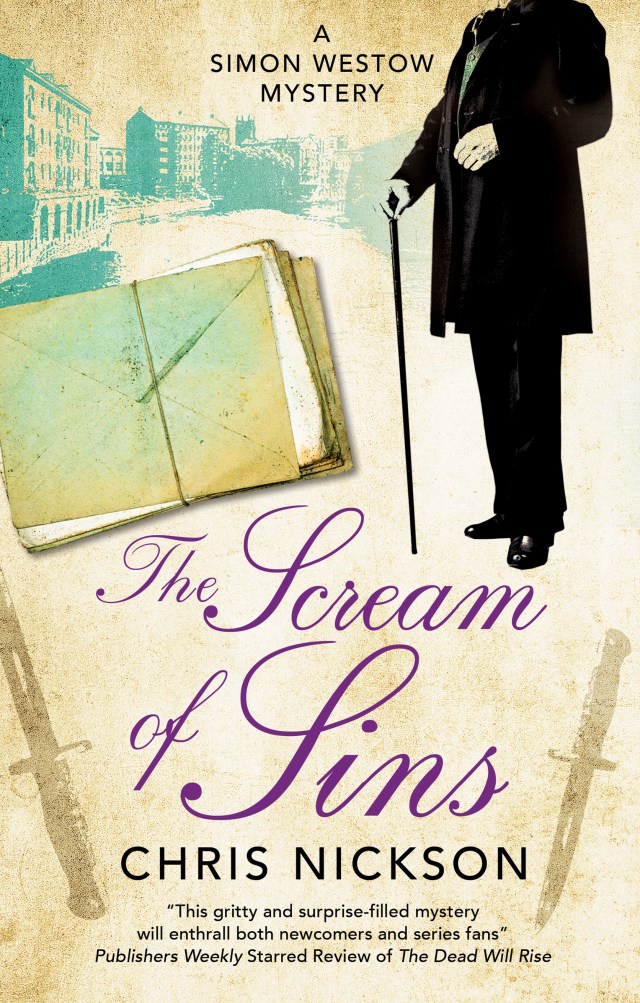
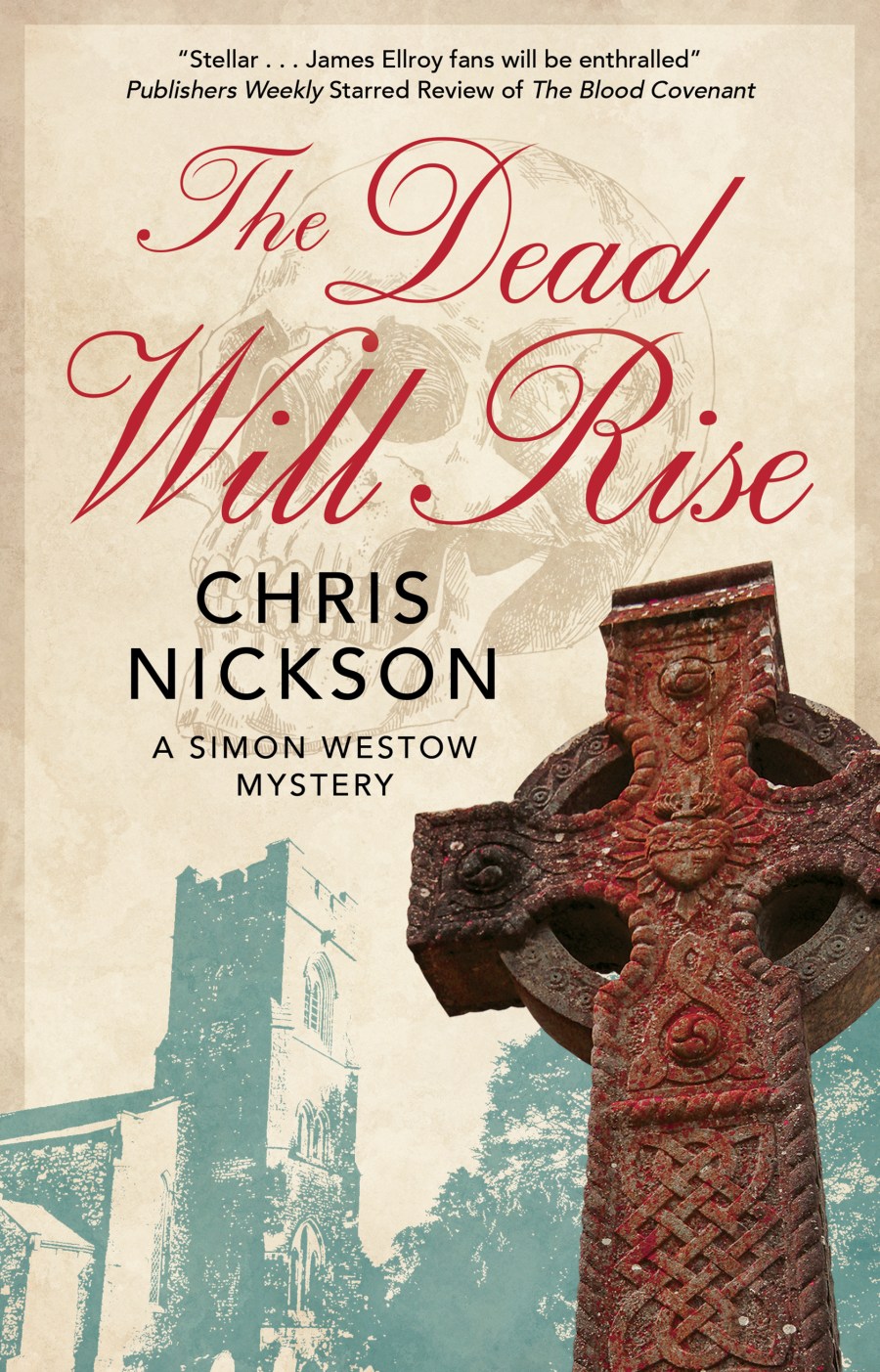
March is set to bring the fifth Simon Westow book, The Dead Will Rise. It’s a series that definitely grows dark; by now it’s living up to the Regency Noir tag I gave it.

What’s it about? Here’s the blurb.

Leeds. April, 1824.  Wealthy engineer Joseph Clark employs thief-taker Simon Westow to find the men who stole the buried corpse of Catherine Jordan, his employee’s daughter.

Simon is stunned and horrified to realize there’s a gang of bodysnatchers in Leeds. He needs to discover who bought Catherine’s body and where it is now. As he hunts for answers, he learns that a number of corpses have vanished from graveyards in the town. Can Simon and his assistant Jane bring the brutal, violent Resurrection men who are selling the dead to medical schools to justice and give some peace to the bereft families?

In case you’re wondering, there really were bodysnatchers in Leeds. But that’s a tale for another time.

Then, next autumn, there’s the big one: Rusted Souls, the eleventh and final Tom Harper. It takes place in 1920, in the aftermath of the Great War and the Spanish flu. It’s 30 years since the series began with Gods of Gold and now Tom has become Chief Constable.

This book mean a lot to me. I’ve spent three decades with the Harpers. They’re family to me, and saying goodbye was hard. I’ve written in the region of 800,000 words about them. Being able to round it properly was important to me, and I feel I’ve done them justice. But time will tell. They’re crime novels, a saga of a family, but also an exploration of a changing Leeds, I think. I’m proud to have written these. No cover design yet

But that’s all for next year. Meanwhile, I wish you and your happy holidays and a peaceful, healthy New Year – and thank you for reading. And remeber – books make great gifts, for yourself as well as others.

A Mystery Solved

It’s always wonderful to have a nagging mystery solved, isn’t it? Especially one that you didn’t even know existed until the start of the year. Let me explain…

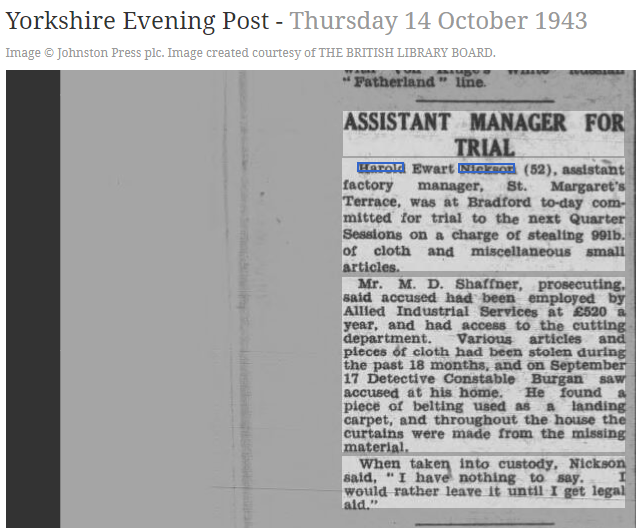
Quite a few months ago, a Google search my on paternal grandfather’s name brought up a brief newspaper story from 1943. He’d been arrested for stealing from the mill where he was an assistant manager.

Frustratingly, though, there was nothing to indicate what had happened after that. I emailed West Yorkshire Archives, but lockdown meant they didn’t have access to the records.

Finally, though, they were able to discover the disposition of his case, and it was a much lighter sentence that I’d expected.

After his arrest in October, he was committed and bailed from Bradford City Court. He was charged with stealing 99 pounds of cloth, 46 cleaning clothes and other articles belonging to his employer, Allied Industrial Services. At a guess, 99 pounds was the figure used to stop if being a much higher crime – they might not have had enough proof.

On December 31, my grandfather was up before the magistrate, Frank Beverly, and pleaded guilty. That, too, might have been arranged beforehand, in exchange for a lenient sentence.

He was bound over on his own recognisance, fined £5, had to be of good behaviour, and could be called back to real sentencing anytime in the next two years if he caused any problem – what we’d call a suspended sentence. Additionally, he was ordered to pay £10 costs.

With that, he disappeared off the legal landscape, and died in 1963. He would have lost a job that paid an extremely good salary for the time, and with a criminal record it would probably have been hard to find another.

It wasn’t the first time he’d done it – he evidently had a relative by marriage store some cloth he’d taken in her cellar. Her payment was enough of it to make several garments – this was a time when clothing and fabric were heavily rationed.

And that, really, makes the very light sentence a surprise. He was obviously involved in the black market, yet there was no rush to make an example of him. Why? I’ll never know.

Of course, this was a man of questionable judgement. Supposedly, in 1921 he won a mill in Dublin in a card game and moved his family over there from Leeds. That year was the height of the Irish-English conflict, when feelings ran high over there in the wake of the violence by the Black and Tans. The Nicksons were back in Leeds inside a year. What happened to the mill? I don’t know.

That’s the conclusion of that story, one I’d never heard a whisper about before spotting that clipping. See, the Internet can be a great tool.

Meanwhile, how would you like me to supply your Christmas books? Well, five of them, anyway. Simply go to last week’s blog, right here, answer the question and you’re in with a chance. But November 30 is the closing date…

The Anchoress Of Chesterfield – A Taste

As most of you know, I write about Leeds. I bloody love Leeds. But I like NE Derbyshire too; I spent a few years living there, and I have a series set in medieval Chesterfield, featuring John the Carpenter. The fourth The Anchoress of Chesterfield, comes out June 1 (that’s the plan, anyway). Fancy a little bit of it? Oh, it’s available to order, and the ebook is cheap.

Chesterfield, September 1370


John felt the axe bite into the wood, deep enough for it to stay. He straightened up and stretched, then wiped the sweat from his face with an old piece of linen. Chopping the branches from a fallen tree was labour to make the muscles ache and moan in protest.

It had come down during the night, blocking the road that led north from Chesterfield to Sheffield. At first light the town bailiffs were out knocking on the doors, begging all the craftsmen and labourers in town for their help. Everyone with tools and a strong back. John the Carpenter had been one of the first, bringing his mute assistant, Alan. Soon a dozen men and more were working on the tree with axes and saws. It was an old, thick elm that had rotted at its core until the weight became too much and it had toppled.

Now the trunk lay in sections the height of a man, each one pushed to the side of the road. The only task remaining was to strip the branches, and they were almost done with that. John told Alan to fetch them ale from the jug a kindly goodwife had left. Only six men were still working. Themselves, three foresters who seemed locked into their labour, never joking or gossiping, and a farmhand, a sullen man sent along by his master who kept pausing to grumble.

The sun sat high in the sky. But it was September now, with none of the fierce heat that had burned his skin all summer and turned it the colour of tanned leather. A pleasant day, with the high clouds flitting and dancing above the fields.

At least he’d be paid for this, John thought. Fourpence, a full day’s wage. And there were one or two pieces of wood he might be able to scavenge and shape into things later, once business has ceased for the winter.

Truth be told, he was grateful for any money at all. It had been a meagre year. The only good thing was that the prayers of all in the town had been answered; no cases of plague in the heat of summer gave them all the hope that it might never return. He crossed himself at the thought.

For him, though, things had been hard. Two more joiners had moved to town and brought competition. Their work was rough and ready, they weren’t proper craftsmen; still, they were able to handle most jobs that had been his. Men who charged less than he did and took much of his business. Incomers. Silently, he laughed at himself.

John had been here for ten years now. He was married, he had three children. Much of the time he felt part of the fabric of Chesterfield. Still, to some who’d been born and raised here, he was as much an outsider as someone who’d arrived just the week before. Another decade and he still wouldn’t be a native to people like that.

He carefully pulled out his axe, wiped it with an oily rag and inspected the edge, running it along his thumb, before putting it back in the leather satchel. The tools he owned had once belonged to his father. They’d served the man well until he died in the Great Pestilence. God’s blood, that was more than twenty years ago now. A lifetime and more.

The hammer, the saw, the awl and everything else had kept John alive as he wandered from place to place, growing from a boy to a young man and learning to harness his natural feel for wood. Life on the roads had taken him to York; for several years he’d honed his craft there, constantly employed in the frenzy of church building until circumstances forced him to leave. Only after that had he ended up in Chesterfield.

This was home now. He was settled, he’d lived here longer than anywhere else. To anyone looking at his life, he was a success. He’d become a family man with all the responsibilities that brought. He had his business as a carpenter, he owned two houses, he employed one man. But he knew how readily appearances could deceive.

One of the properties, on Saltergate, had been in his wife Katherine’s family; she was the oldest child, she’d inherited it when her mother died. The other, around the corner on Knifesmithgate, had belonged to Martha, the old woman who was friend to them both. She’d willed him her house when she died two years before. By then John and his family were already living there, caring for the woman in her old age. Martha had stood godmother to two of their children and they’d named their younger daughter after her; her memory would live on in his family.

Both houses desperately needed work. They’d been ignored for too long. John had done what he could, but so much was beyond him. The roof at Martha’s old house leaked into the solar. It was going to need new slates before winter set in. If he left it for yet another year, the beams would begin to rot and it would be a much bigger, harder job. But a tiler would cost money he didn’t have in his coffer.

He rented out the Saltergate house. The amount it brought barely covered all the never-ending list of repairs.

The constant worry about money grew more pressing every month. It kept him awake long into the night and gnawed at his heart. No peace. The other day he’d seen his reflection in a pond, shocked at the way his hair was turning grey and the lines that furrowed his face.

This year it was coming to a head. He was going to have to make a choice. Unless something happened and a fortune tumbled into his lap, he’d have no choice but to sell one of the houses. And he had no faith in miracles. Not for a man like him.

He loved Katherine’s brother and sisters, but he was glad they were no longer part of the household. Fewer mouths to feed was a blessing when he had three children of his own. His brother-in-law Walter and his young bride were settled with her parents in Bolsover, while Katherine’s two sisters were in service on a farm near Holymoorside.

He sighed and began the walk back towards Chesterfield. It wasn’t far, no more than a few minutes away. The spire of the church soared high into the sky, visible for miles around, as clear and welcoming as any beacon.

He’d worked on that when he first arrived in the town. Only for a short time, though. After a few days John had found himself a suspect in a murder in the church tower, a stranger who needed to clear his name.

That had happened ten years ago. Where had the time gone? It happened when he first knew Katherine, before he’d become a husband and a father and all the things that had happened since. John felt the weight of his own history pressing down on his shoulders. What could he do except carry on? With God’s blessing, everything would be fine. He had to believe that. They’d all survive and prosper in His grace.

‘Who knows, maybe we’ll have work waiting for us in town,’ he told Alan, with the kind of hope he didn’t feel.

The lad was twelve now, as much a natural as a carpenter as John had been himself. He carried his own leather satchel of tools that banged against his back as he walked. He was growing into a tall young man with broad shoulders, his hands rough and thick with calluses from the work they did. Alan was old enough and certainly skilled enough to strike out on his own. But he was mute and he didn’t know how to write. His fingers were quick to make signs, but most people would never understand them. It was impossible for him to obtain work himself, and he needed to be with someone who wouldn’t take advantage of him. Six years before, the boy had started out as John’s apprentice and bit by bit the lad had learned everything he had to teach. Now he was… what could he call him, John wondered? An assistant? An equal? He clapped a hand down on the boy’s shoulder and watched the tiny flakes of wood rise from his battered tunic.

The road was dusty; they’d had no rain for over a fortnight. A few horses and carts passed them, and he could hear the sounds of the weekday market on the north side of the church as they climbed the hill. A town of stone and slate, of timber and limewash. Beautiful, in its own coarse way. Home.

Not too much more than a week and the annual fair would begin. It would be eight days of feasting, noise and entertainment, with all manner of goods for sale. Music and players, tumblers and jugglers. It would all begin with a service and blessing in church on the day of the exaltation of the Holy Cross. Already he could sense the excitement around town. Every year it was exactly the same. The children caught it first, dancing through the days in anticipation, then the fever started to affect the adults.

For a brief while, Chesterfield would feel like the most important, magical place in the kingdom. People came from all over for the fair. Not just the North, nor even England, but everywhere. John had met many from beyond the borders: Welshmen, Irishmen, even a Dane once, with his happy, sing-song accent; a German and a man from the lowlands of Holland. An entire world came to Chesterfield, bringing things beyond the locals’ imagination. Goods to buy, foods to taste. Minstrels and clowns to entertain. There would be merchants and goodwives shouting out their wares and displaying all the luxuries on offer. Everything from the ordinary to the exotic. His children were counting down the days. Foolishly, he’d promised Martha a length of ribbon from the fair. She’d remember, of course, but he had no idea how he’d be able to afford it for her. The worry of an empty scrip crowded his mind.

Before he went home he’d stop at the Guildhall and pick up his wage for today’s work. Four good pennies to spend on food. Katherine would be glad to see that. The garden behind their house had been fruitful this year, but the season was coming to an end and it didn’t offer them bread or milk or meat. Only the occasional hen that had grown too old to lay eggs.

He looked as Alan nudged him and pointed towards a man hurrying along with a forceful stride and a determined look in his eye. He was wearing a dark green woollen tunic bearing the coroner’s badge, he had a sword hanging from his belt, and he was coming directly towards them.

Pray God the man wasn’t seeking him. It couldn’t be good news if someone like that wanted him. Either something awful had happened, or the coroner wanted his help. Six years had passed since the last time that had happened. That was when de Harville was still alive and held the office of King’s Coroner. Katherine had always hated the idea of him working for the man. Three times it had happened, and he’d always undertaken the work reluctantly, but what choice did anyone have when a rich man in authority demanded his services? The last time he’d almost been killed. Enough, his wife insisted, and he’d been quick to agree.

Then de Harville died, and John was thankful that his successor, Sir Mark Strong, had chosen to go his own way. He had no desire to be tangled up in any of that again.

‘Are you John the Carpenter?’ the man asked as he came closer.

‘I am.’ He felt his heart sink.

‘The coroner would like you to attend him.’

‘Me?’ John asked. ‘Are you sure you have the right man? Why would he want me? I’ve never done any work for Coroner Strong.’

He knew the words were hopeless, but he had to say them, to try and ward all this off.

The man shrugged. He was well-muscled, with fair hair and a ruddy complexion, a pair of smiling blue eyes.

‘Nay, Master, I’m not the one to ask. I’m just the messenger. All I do is what I’m told, and my order was to come and fetch you. I don’t know what he wants. But I can tell you this: there’s a body at Calow and he’d like you to see it. You’re welcome to walk out with me if you choose.’

Calow? It was nothing more than a hamlet half a mile from the town. He could picture it in his mind: just three or four tumbledown little cottages and a tiny church with an anchoress’s cell. What could have happened out there to draw the coroner’s attention?

‘Is it a murder?’

The man shook his head. ‘Couldn’t tell you, Master. He gave me my order, that’s it.’

‘Who is it?’

‘I can’t say that, either. Coroner Strong will tell you himself, Master.’ His face flickered with impatience. ‘We should set off.’

anchoress comp 2 0993098

The Molten City Is Free – For Now

I know it’s very difficult for people to get hold of The Molten City at the moment. The big online retailers show it as temporarily out of stock – they have no new books, because their distributors have closed for the moment. Many smaller book shops are closed, one still doing mail order are dependent upon their distributors remaining open. It’s difficult. I’d recomment Fox Lane Books (foxlanebooks), which has the book, or Big Green Books (@biggreenbooks) or West End Lane Books (@welbooks) in London.

However, you can read it as an book now, for free, no matter where in the world you live. It’s due to come out that way on May 1, but get a jump and pay nothing. All perfectly legal, too. Simply sign up for their newsletter and you’ll be able to download it. A great deal, because they publish plenty of excellent authors.

All you have to do is go here. It’s only for a limited time, so I hope you’ll take advantage.

The only favour I’d ask is that you please leave a review somewhere. They honestly do help.

Thank you, and please, I hope you all stay well.

Molten City

An Extract From The Leaden Heart

It’s three weeks  (and two days) until The Leaden Heart is published in the UK. A month after that and it’ll be available everywhere on ebook.

Not long at all.

Of course I want you to feel full of anticipation. So here’s a snippet to whet your appetite. And remember, the cheapest places to pre-order are Hive and Speedy Hen, and both offer free postage.

Thank you…enjoy.

And don’t forget the book trailer..


Leeds, 1899

‘The Smiths,’ Reed began.

‘I’ve never come across them before,’ Harper said. ‘But I want a long talk with them now.’

This was Tom’s patch, Billy thought. He was supposed to know what was going on. That was his job.

‘Let’s talk to Hester,’ he said. ‘She might be able to tell us something.’

But the blind was down on the shop door. No notice to announce a closing. Reed peered through the window and drew in his breath.

‘What is it?’

‘The shop’s a mess. Things strewn all over the floor. I’ll go in the back way,’ Reed said.

Through the ginnel and into the yard. He tapped on the door. No answer, but the knob turned in his hand.

‘Hester?’ he said quietly. She wasn’t in the office; he climbed the stairs. The door to the flat was open. No one in the living room or kitchen. He heard a quiet cry and stiffened, waiting until it came again. The bedroom.

The curtains were closed, the room stifling in the heat. He could make out her shape, lying on the bed.

‘Hester, it’s Billy. What’s happened?’

She turned her head. There was just enough light to make out the bruises on her face.

‘What’s been going on?’ he asked, but she looked at him with empty eyes.

Downstairs, he unlocked the front door.

‘You’d better come in, Tom. This has become real police business.’


It took two cups of tea to draw out the story. Harper listened, letting Billy ask the questions. He was the brother-in-law. Even if she barely knew him, they were related.

‘Two men came in,’ she said. Her voice was shaky and frightened. ‘It was just after half-past nine, I remember the church bell ringing. One of them pulled down the blind on the door and locked it.’

‘What did you do?’ Reed asked quietly. He sat on the other side of the table, holding her hands.

‘I asked what they thought they were doing. They said they owned the place and wanted me out by Saturday. One of them started kicking things over. When I told him to stop, the other one hit me.’ She lifted her fingers to her face.

‘What else did they say?’

‘If anything of mine was still here on Saturday night, they’d put it out on the pavement.’ She lifted her head, looking from one of them to the other. ‘And if I tried to stop them, it would be worse for me. Then he hit me again and again, and they left. I…’ The words faded and she sobbed again. ‘I came up here. I didn’t want anyone to see. Not like this, right after the funeral.’

‘I’ll make sure the beat constable keeps a close eye on the shop,’ Harper promised. ‘What did the men look like?’

‘Big, the pair of them. They could have been brothers. Both had dark hair, parted in the middle.’ She closed her eyes. ‘I won’t ever be able to forget them.’

Could have been brothers. Billy looked at Harper. A small nod.

‘How old do you think they were?’ Reed tried to coax out the information gently.

‘I don’t know. Not very.’ Her voice wavered as she pictured them. ‘Thirty? Somewhere round there. The one who hit me was smiling when he did it.’

She looked drained. Her husband’s death had left her with nothing inside. No reserves. Now this. The men had picked their time well. Threats and a beating when she was at her lowest.

‘Is your rent paid?  Harper asked.

‘Until the end of the month. Charlie took care of it before he….’ She couldn’t bring herself to say it. Everything was too raw, just waiting beneath the surface ‘It’s in the rent book.’

‘We’ll make sure they can’t do anything.’

Billy could see Tom had more questions, dozens of them. He made a small gesture with his fingers: let them wait.

‘I’ll stay here,’ Reed told him. ‘Clean everything up and make sure she’s fine.’


51030754_281546519188662_3542984282714669056_n

Roaring Thirties, Part 1

A few years ago, I wrote a novella, something a little different for me. Light-hearted crime. In Leeds, of course, but not something anyone was likely to publish. It’s been sitting around my various hard drives ever since,  mostly forgotten.

However, I thought that, to fill the weeks between now and Christmas, I’d serialise it for you. But you have to promise to remember that both The Hanging Psalm and The Tin God made great gifts for people.

And so, ladies and gentleman, I give you the first episode. Johnny Williams, take a bow…

CHAPTER ONE

He parked the Austin Seven Swallow outside the Eagle on North Street. There’d been hardly any traffic on the drive up from London, just a few lorries, the cars bucketing along as fast as they could, the drivers’ faces fierce with concentration.

He buttoned his suit jacket and put on the hat, checking the brim in the wing mirror to see it was just so. A late May evening, some warmth still left in the air, and that feeling of dusk, with daylight starting to seep away and casting long shadows. 1934. The world might be poor, but there was still some beauty in it.

Only a few customers sat in the pub. An old husband and wife, holding hands and chattering away easily, halves of stout on the table in front of them, a dotting of ancient fellows, leftovers from Victorian times, gathered to play dominoes, a young couple out to do their courting, and a group of four middle-aged men, eyes like flints, standing in earnest discussion.

The landlord was cleaning the polished wood shelves, his back turned.

He saw her at the end of the bar, a glass of gin and tonic in front of her, a cigarette between her fingers. She was wearing a nubby tweed skirt and an ochre sweater, the sleeves rolled up on her red cardigan. There was a wedding ring on her finger, but she was on her own.

She’d glanced up when he walked in, then turned away again.

‘Can I buy you another?’ he asked as he stood beside her. She looked at him, eyes carefully appraising. Her hair was neatly set in waves, her lipstick bold red. In her early thirties and definitely pretty.

‘My mother always said I shouldn’t take drinks from strange men.’

‘We’re safe then. I’m not strange.’

She tightened her mouth as she arched her brows.

‘Who told you that? Your wife?’

He grinned. One of his front teeth was slightly chipped. Someone had told him once that it made him look irresistible. Dashing. Wolfish. A little like Ronald Colman.

‘Someone much more reliable.’ He cocked his head. ‘I have to ask, are those eyes of yours eyes blue or grey?’

She was staring at him now, and smiling.

‘Take a guess. If you’re right, you can take me home.’

‘Violet?’

She waited a moment, then started to gather her handbag off the bar.

‘Eyes and name,’ she told him, then asked, ‘Where should we go? Your house or mine?’

‘Oh, yours, I think,’ he answered without hesitation. ‘My wife’s a terrible housekeeper.’

Her elbow dug sharply into his ribs.

‘You’d best be careful, Johnny Williams, or you’ll be sleeping on the settee tonight. What kept you? I thought you’d be home this afternoon.’


CHAPTER TWO


He reported to the police station in his best double-breasted suit, navy blue with a pale pinstripe, his black brogues shining, the hat brim tipped just enough to put his eyes in shadow.

After a fortnight working with the Met in London it felt good to be home again. The capital had its charms, but Johnny Williams knew Leeds. He understood how the city worked without even having to consider it.

He wasn’t even sure why they’d wanted him down there. All he’d done was read the case file, go and talk to four people, then sit back and wait, time enough to tie up a couple of loose ends. Eight days later, they’d started making arrests and he was on his way back up the Great North Road.

Williams slapped the desk. There were files waiting for him. One thing about being a copper, he’d never be short of a job. Count your blessings, he thought, as he took a folder from the pile.

But he hadn’t even finished the first page before Superintendent Randall called his name. Detective Sergeant Williams straightened his tie, buttoned his jacket and walked through to the office.

‘Everything fine down South?’ Randall asked as he sat.

‘Went well, sir.’ He shrugged. They’d made the arrests easily.

‘Head not turned by the glamour?’

‘Well, the King invited me over, but I told him I needed to be back here by teatime…’ Williams grinned.

Randall picked up a piece of paper and pushed it across the desk. ‘Something to get your teeth into.’

He read it through quickly. While he was been gone there’d been two bank jobs, one in Horsforth, the other in Morley. Three men, one of them armed with a sawn-off shotgun. Quick, efficient, no violence, just threats and menace. In both cases, the getaway vehicles had been stolen and recovered about a mile away. There were descriptions, for whatever they were worth; none of the witnesses could agree on much. Violet had told him all about it last night. Lying on the bed after his welcome home, smoking cigarettes with the windows open, she’d brought him up to date on the happenings in Leeds. Working as a reporter on the Yorkshire Evening Post, she heard them all.

‘No clues?’ he asked, his arm around her bare shoulders. The slip and brassiere were long gone, tossed somewhere on the floor, and sweat was drying on her skin.

‘If they have, they’re not saying. The rumour is that they’ve nabbed over a thousand pounds.’

That was impressive. Carry on with that and they’d have a good little earner. He moved his hand a little. He needed to feel more welcome.


*******

‘Nasty,’ Williams said.

‘They’ve taken over twelve hundred so far. But keep that to yourself.’ Randall pulled a packet of Black Cats from his pocket and lit one.

‘What’s CID turned up?’

‘Not enough. None of the narks seem to know anything.’

‘I was hoping for a few days’ leave,’ Johnny said.

‘You wouldn’t know what to do with yourself.’

But he would. He’d seen the sun shining through the curtains that morning, smelt spring warmth in the air and thought about Sandsend. He and Violet, a some time away, a decent hotel, Whitby just a stroll along the beach at low tide. Some walking, some fishing, plenty of fresh air.

‘Well…’ he began, but Randall shook his head.

‘I want you on this. If they get away with it, other people are going to get the same idea. Times are bad, Johnny, you know that. We don’t need folk thinking they can be Dillinger or Bonnie and Clyde. Not round here.’

Williams picked up the report as he stood. Before he could even take a pace the door flew open and the desk sergeant, old red-faced Murphy, announced,

‘There’s been another one, sir. The Midland Bank on City Square.’

Randall raised an eyebrow.

‘Looks like you know where to start, Johnny.’


He found a parking place on Boar Lane and walked to the building on the corner, solid stone staring out towards the statue of the Black Prince in the middle of the square. Wisps of smoke and the stink of the trains drifted out from the railway station across the street.

Williams nodded at the uniformed constables guarding the door of the bank and sauntered inside. Another bobby was questioning a distraught woman, while a pair of detectives looked around the building.

It was much like any other bank – high ceilings, a grandiose interior of marble and tile, varnished wood and glistening brass. And like the rest, easy enough to rob with plenty of determination and a little planning. The only problem would be getting away in the city traffic.

One of the CID men spotted him and walked slowly across with a rolling gait. He was tall, close to six-and-a-half feet, well into middle age, spectacles crowding a pinched face, most of his hair gone, just leaving a tonsure that was turning grey.

‘Might have known you’d find your way down here.’

‘Good morning, sir.’

Inspector Gibson had started his career with Leeds City Police well before the war. He’d served in the trenches and returned to the job, trudging up from rank to rank. ‘Going to have it solved by dinnertime?’

Johnny Williams gave a small sigh and turned his hat around in his hand.

‘I don’t know sir,’ he answered, voice serious. ‘Depends what time you want to eat.’

Gibson’s face reddened. He snorted and stalked away.


The girl sitting at the desk and cradling a cup of tea in her lap was smiling at him. It was a pert, inviting smile, full lips with bright red lipstick, under dark eyebrows and Carol Lombard blonde hair.

‘Will you?’ she asked.

‘Will I what?’

‘Catch them by dinnertime.’

‘Probably not.’ He grinned and shrugged. ‘Still, stranger things have happened. Do you work here?’

‘I do. I’m Mr. Osborne’s secretary.’ When he looked at her quizzically, she explained, ‘He’s the manager.’

‘Did you see the robbery, Miss…?’

‘Simpson,’ she answered. ‘Jane Simpson.’ He heard the light emphasis she put on her Christian name. ‘And yes. I was in the office. Over there.’ She pointed towards the corner and he saw two small offices of wood and glass. ‘It was like watching one of those films.’

She didn’t seem too upset or shocked, he thought. More like entertained.

‘Why don’t you tell me what happened?’ he suggested. ‘Weren’t you scared?’

‘Oh, no. They couldn’t really see me.’ She lowered her head a little, embarrassed. ‘I’m sorry, I don’t know your name.’

‘Detective Sergeant Williams.’ He took out a packet of Gold Flake cigarettes and offered her one. ‘How many of them were there?’

‘Three.’ She closed her eyes to focus. ‘They were wearing jackets and trousers, and all of them had caps. They didn’t look like the kind of customers we usually have here.’

He smiled. They looked like ordinary working men, she meant, the kind who didn’t have bank accounts.

‘Did one of them have a gun?’

‘Yes. It was like a shotgun, but not as long.’ She cocked her head towards him. ‘Is that right?’

‘He’d sawed down the barrels,’ William explained. ‘Where was Mr. Osborne while all this was going on?’

He could see she didn’t want to answer, but after a few more words she admitted he’d been in the toilet when it happened.

The men had burst in just after the bank opened at half-past nine. There were only two customers in the place, and three staff behind the counter. The robbery was over in less than thirty seconds.

She gave him descriptions, but they could have fitted half the young men in Leeds. None of them more than twenty-five, dark hair, two tall, the one with the gun short and fatter.

‘How much did they take?’ he asked.

‘Oh.’ She paused, calculating. ‘It can’t have been more than three hundred pounds. Probably not even that. The cashiers only had their morning floats. None of the businesses had brought in their deposits yet. There’s more money here just before we close at three. Or on a Friday – we handle the wages for a number of factories.’

Today was Monday. Interesting, he thought. Whoever was behind the robbery wasn’t thinking ahead.

‘Had you seen any of them in here before?’

She shook her head. ‘I don’t see everyone who comes in. But dressed like that, they’d have stood out, if you know what I mean.’

He understood exactly. ‘How did they sound?’

‘Sound?’ she asked.

‘They must have shouted when they came in. Did they seem local?’

‘Oh.’ She pursed her lips for a moment. ‘I suppose so. I never really thought about it, so they must have.’

He thanked her and stood up to walk away.

‘Tell me something, Sergeant,’ Miss Simpson said, and he heard the rustle of silk stockings as she crossed her legs. ‘That other policeman didn’t seem to like you.’

‘I’m not sure he really likes anyone.’

‘But especially you?’ She was grinning now.

He gave her his best smile, showing the chipped tooth. ‘He thinks I’m cocky.’

‘And are you?’

‘You’d probably get the best answer from my wife.’ He hoped that was a small flutter of disappointment on her face. ‘Thank you, Miss Simpson. Jane.’


Outside, he looked at the streets. Boar Lane was as clogged with traffic as ever. People were coming and going in droves from the station.

‘Which way did the robbers’ car go?’ he asked one of the constables. ‘Someone must have seen.’

The copper pointed down the road.

‘Along there, sir. Past the Scarborough Taps and around the corner.’

‘Do we have a number plate?’

‘Yes, sir. Evidently it was a Crosley Aero. We have people out looking.’

‘Good. Thank you.’

He strolled along the street, following the route of the car. A short drive, turn over the bridge and they’d be lost in Hunslet or Holbeck. It wasn’t going to help much.

Three of them had held up the bank. But there were four in the gang; they must have had a driver waiting in the car, ready for a quick getaway. Local accents and very little planning. Well, he had somewhere to start now.


The garage on Meanwood Road looked like an old wooden shed, only a small, hand-painted sign over the door and a line of vehicles parked on the dirt outside to show what it might be.

Williams parked the Austin and waited until a heavily-built man wandered out, wiping grease off his hands with an old rag. He was in his early twenties, fair hair cut short. He walked with the kind of confidence that came from winning too many fights, his mouth curled in a sneer.

‘Johnny bloody Williams. They told me you’d gone to London.’

‘You know me, Colin,’ he replied airily. ‘I’m like the bad penny, I always come rolling home.’

Colin Jordan was the best light-heavyweight boxer in the West Riding. He’d never lost a bout, and won most of them by knockouts. The purses from the fights were useful, but he made his living with the garage. He was also the best driver in Leeds. He’d already been behind the wheel for half the gangs in town. Everyone knew it, but there’d never been any proof; people were too afraid to grass him up. And he loved being just beyond the reach of the police.

Williams got out of the car. He was an inch taller than Jordan, but the boxer was a good two stone heavier, all of it muscle.

‘So what brings you round?’ Jordan stuck the dirty rag in his pocket and lit a cigarette.

‘It could be a social call.’

The boxer snorted.

‘And the moon’s made of green cheese.’

‘I’m just wondering why this gang robbing banks isn’t using the best driver in town.’ He stared at Jordan. ‘Any ideas?’

‘Maybe they are,’ the man answered with a smirk.

Johnny shook his head sadly. ‘Not this morning, unless you’ve discovered a way to get yourself that mucky in a quarter of an hour. Looks like you have competition.’

‘Is that what you think?’

‘Three robberies, plenty of cash and no one hurt. They’re making a splash. It’ll be the front page in the Evening Post. A few more and they’ll be folk heroes, Colin.’

‘And you coppers will look like idiots.’

‘Maybe. I just thought I’d come looking for you first. After all, you had the reputation.’ Williams nodded at the garage. ‘Never mind, the business will keep you ticking over.’ He opened the car door. ‘I’d best be on my way.’


He’d been back in the office for ten minutes, sitting and thinking, when the telephone rang.

‘Detective Sergeant Williams.’

A woman’s voice said, ‘Hello, handsome.’

He smiled. ‘Who is this?’

‘It’s your wife. How many women ring up and call you handsome?’

‘I’m not sure. I’ve got a list somewhere…’

‘How’s the investigation into the bank robbery?’

‘That’s impressive,’ he told her. ‘How did you know?’

‘Bill came back into the office and announced “that bloody Williams bloke is on it” while he looked straight at me.’

‘What did you say to him?’

‘That you’re a chap, not a bloke. Have you found anything yet?’

‘Possibly.’ He knew she was eager for any scrap she could hold over her colleagues. As a woman, the paper would only give her fluff to cover, golden weddings and church fetes. Stupid, when she could write rings around the men and had a better nose for a story. ‘Tell Bill he ought to include the fact that the gang has the best driver in Leeds.’

‘Do they?’ Violet asked in surprise. ‘I thought that was Colin Jordan.’

‘So does Colin. I dropped by for a word with him.’

‘And it’s not?’

‘No,’ Johnny told her. ‘But he’s not going to be happy at someone else getting his glory.’

‘Not bad,’ she said approvingly. ‘I’ll pass it on. What else?’

‘Nothing, really. Do you fancy a drink after work?’

‘Are you paying?’

‘Unless you’re feeling generous.’

‘You’re paying,’ Violet told him. ‘The Metropole at six. I want a cocktail. A Brandy Alexander.’

‘Your wish is my command.’

‘Just make sure you remember that,’ she said archly.


CHAPTER THREE


The trip to Morley took him past Elland Road football ground. He’d never had much interest in the game, though; the closest he’d ever come was arresting one of the reserves for burglary two years before. The only reason the papers had made a fuss was because the young man had been tipped for great things in the team. Now he was in prison on a three-year stretch and the United were doing badly.

Morley had once been a big mill town. Since the depression began five years before, it wasn’t much of anything. The mills had closed, and there was nothing to replace them. Men gathered along Queen Street, unsure what to do with each day, waiting for a future that seem further away than ever.

He parked the Austin beside the Town Hall and walked along the block to the bank.


The manager eyed him nervously. They were alone in the office. A secretary had served tea and biscuits, then left as silently as she’d arrived.

‘It must have scared the staff,’ William suggested.

‘Of course.’ Mr. Micklethwaite bobbed his head in agreement. Thin-faced, the suit seemed to hang off his body. His hair was Brylcreemed, with a sharp, neat parting off to the side, carefully combed to hide the bald spot.

‘Were you out there?’

‘Oh, yes.’ His eyes widened. ‘I’d been sorting out a problem in Miss Monkton’s cash drawer when they came in.’

‘What time was it?’

‘About quarter to ten, we hadn’t been open long. I already told the police.’

Williams smiled. ‘Please, indulge me. When they talked, did you hear any names?’

‘No, I’m quite sure of that,’ Micklethwaite replied after a little thought.

‘They were dressed like working men?’

‘Yes.’ Another quick nod. ‘That’s what made me look in the first place. You know how it is, most of them don’t use banks.’

‘What about their accents?’ Johnny asked.

‘Accents?’

‘Did they sound local?

‘I…’ the manager began. ‘I don’t know. I never thought about it. They didn’t say much. Just “Give us the money” as they brought out the bag, and “We don’t want to hurt anyone.”’ He frowned. ‘It was hard to believe that when they were pointing the gun at us.’ He hesitated a moment. ‘I suppose if their voices didn’t sound odd, then they must have been local, mustn’t they? But I hadn’t seen any of them before, I’m sure of it. I didn’t know their faces.’

‘Two tall men in caps, and the one with the shotgun small and rounder?’

‘Yes, yes, that’s it.’


It was the same story in Horsforth. A small, local branch at the top of the hill. None of the people there had noticed anything remarkable about the men. There had been two customers inside, forced to stand against the wall. Old Mrs. Crane had been taken to the hospital afterwards, suffering from shock, but she was home again now, her daughter staying with her. Before he drove back into Leeds, Williams walked over to see her.

It was a well-appointed old house, set well back from Town Street, the garden carefully tended, borders in colourful bloom. Mrs. Crane hardly looked in shock as she sat in the easy chair, a compact woman with a walking stick at her side. If anything, it was her daughter, summoned down from Harrogate and ordered around by her mother, who seemed dazed.

Mrs. Crane eyed him carefully.

‘I suppose you’re one of those young men who thinks he’s good looking,’ she said.

He gave her a smile. ‘I don’t know. I never think about it.’

She snorted. ‘Were you in the war?’

He’d seen the photograph on the mantelpiece. A youth in an ill-fitting uniform.

‘I was.’ Williams wasn’t going to say more. He’d joined up at sixteen, at the start of the last year of the war, going into the Leeds Pals. He’d trained as a sniper and been good at his job. Seen men die and killed more than a few himself. With the Armistice, he’d been happy enough to put down the rifle, take off the khaki and wash away the mud of the trenches.

She stared at him again before nodding her approval.

‘What do you remember about the bank robbery?’ Johnny asked.

‘They looked scared,’ she said.

‘Who was in charge?’

‘The one doing the shouting.’ She sounded certain. ‘He was pointing, showing the others where to go.’

‘What about the one with the gun?’ Williams asked.

‘He didn’t even have a clue how to hold it properly.’ She made a sound that could have been a snort. ‘My husband used to shoot when he was alive. Taught me how to use a shotgun. The man in the bank held it like he was terrified it would go off.’

‘Too young to have fought, then?’

‘The lot of them barely looked out of nappies. If I see any of them again I’ll take my stick to them.’

‘Is there anything else you remember about them?’

‘The third one – not the leader or the one with the gun – had a scar across the back of his left hand. He was dark, like the one in charge. They might have been brothers. They had the same look around the mouth.’

‘Very observant.’

‘I’m old, I’m not blind, young man. And don’t go thinking you can soft-soap me.’

He grinned at her. ‘Never.’

‘Are you going to catch them?’

‘Yes. I have to say, you don’t look like you had a shock.’

‘Just a faint.’ She waved it away. ‘My daughter insisted I go to the hospital. Silly girl.”


He arrived at the Metropole a little before six, finding a table in the bar and ordering the drinks. When Violet finally arrived, weighed down by her heavy handbag, the Brandy Alexander was waiting for her, drops of condensation on the outside of the glass.

She was wearing a pale blue, knee-length silk dress that flattered her. He watched men’s eyes track her across the floor.

‘God, that was a day and a half. I’m sick of golden weddings. Do you think we’ll be married for fifty years?’

‘Depends if you kill me first.’

‘True.’ She gave a serious nod. ‘There’s always that.’ She look a long drink and sighed with pleasure.

‘I don’t know how you can drink that.’

‘Because I’m suave and sophisticated, why else?’ Violet paused. ‘Have you discovered anything yet?’

‘Maybe.’

‘Something we can publish? Bill’s going to use what you said. He was terribly grateful and grovelling. I loved it.’

‘Not yet. I’ll see how it all pans out. Do you want to eat somewhere?’


They ended up settling on fish and chips from Cantor’s. He parked at home and strolled over, chatting with Sid as the man worked the fryer. Violet had the plates warming in the oven, the salt and vinegar sitting on the table.

‘When I was down in London they took me out for jellied eels,’ Johnny told her.

She made a face. ‘That sounds disgusting.’

‘It explains a lot about Londoners, though. If I knew that was coming for supper, I’d be miserable, too.’

‘So what are you going to do about the bank job?’

‘Oh, that’ll sort itself out, give it a few days. Do you want me to make tea?’


‘I should go and talk to a few people,’ Williams said after they’d heard the news on the wireless.

Violet cocked her head. ‘Anywhere interesting?’

‘Just round and about. A pub or two.’

‘I’ll come along. There are some nasty types out there. You need someone to look after you.’

‘If you like.’

‘It’s better than sitting at home and listening to Ambrose and his band on the radio.’ She thought for a moment. ‘We could always go on to a club later. We haven’t been dancing in ages. I’ll go and change.’


The Market Tavern was crowded with people in the warm evening, the loud mutter of talk filling the air. Williams took a sip of the Scotch and grimaced.

‘I hope your gin’s better than this,’ he told Violet. ‘It tastes like they distilled it in the cellar.’

She took a cautious taste.

‘I think it’s more tonic than anything. Maybe they don’t like coppers or their wives.’

‘It’s a thieves’ den here. Only the best for you.’ He winked, then glanced around the room. ‘Do you see the man over in the corner? Fair hair and moustache? That’s George Marsden. We put him away five years ago for robbing a bank.’

Marsden was well-dressed in an expensive suit and colourful tie, two-tone brogues on his feet. There was space around him, a sign of respect. Only the girl at the table sat close, dressed in bright red silk, looking bored, her bright red lips pouting.

‘Good God, who is she?’ Violet asked.

‘Girlfriend, a tart. I don’t know.’

‘A tart?’ Her eyes widened. ‘Can we go over and talk to them?’

‘I was hoping you’d say that. Just watch your bag, they’re a light-fingered bunch in here.’

Marsden looked up as they approached, half a glance at first, then stopping as he recognised the face. He put the pint glass down on the table and lit a cigarette.

‘Detective Sergeant Williams.’

‘I heard you were out, George. Back to your old tricks already?’

Marsden chuckled. ‘These bank jobs?’ He tapped the evening paper in front of him. ‘Is this right? Early morning in the city centre on a day when there are no wages? They should be arrested for bloody stupidity.’ He looked at Violet and muttered, ‘Sorry, missus.’

‘Don’t worry, I’m not going to have an attack of the vapours,’ she told him with a smile as she sat next to the girl.

‘Any idea who they are?’ Williams asked.

‘Bunch of amateurs,’ Marsden replied with a sneer. ‘Anyone can see that. Did they take a look at the place first, size it up?’

‘No one noticed them.’

‘See?’ Marsden said emphatically. ‘That’s my point. Not a clue what they’re doing. They’re going to panic and someone will get hurt.’

‘Not like you.’ Marsden had knocked out a man who didn’t want to hand over his money.

‘That was different. It was business. And I didn’t hurt him.’

‘He was in hospital overnight.’

‘And I was gone for five years. You’re the one who put me away.’

‘Just business, George.’ He lifted his glass in a small toast. ‘If you hear anything about this lot, let me know, will you?’

‘Course,’ Marsden agreed readily. ‘They’ll give us all a bad name.’

‘And keep your nose clean for a while. Next time it’ll be six years or more.’

‘You know what prison taught me? To be very careful.’ He gave a slow smile and tapped the side of his nose.


Away from the smoke and stink of stale beer, the night smelt sweet. Violet linked her arm through his as they strolled through County Arcade.

‘Did you learn anything?’

‘They’re either beginners or not from around here. One thing about George, he doesn’t like competition. If he knew, he’d tell me. What about you? Good chat?’

‘Not bad,’ she said thoughtfully.

‘Is she a tart?’

‘She works in a shop in Armley. Her name’s Honour.’

‘Really?’ He grinned. ‘Honour?’

‘That’s what she told me. She couldn’t afford those clothes on her wages, though. That dress was real silk and her shoes weren’t cheap.’

‘We never recovered the proceeds of George’s last robbery. With that suit of his, too, I think we can see where it’s going.’

‘She called herself his moll.’

He shook his head.

‘Too many American gangster films. I don’t know what the world’s coming to.’


They went on to two other places, both of them quiet, no one to pass on any information, and ended up at the Pink Ribbon Club on Lower Briggate. It was a sluggish night, hardly any customers and no energy to the small band that ran through their numbers, eager for the next break. At eleven Johnny looked at her.

‘Home?’ he asked.

‘God, yes,’ she said with relief. ‘Even Ambrose would have been better than this lot.’


He was up before her, shaved and dressed, dapper in a suit with a faint Prince of Wales check, long before she untangled herself from the sheets. By the time she’d struggled into a slip and started applying her makeup he’d left for the day, reporting to the station.

Superintendent Randall perched on the edge of his desk.

‘Well?’ he asked.

‘They’re probably amateurs. Or from somewhere in the West Riding.’

‘Then what was all that guff in the paper about having the best driver in Leeds?’

Williams smiled. ‘Just shaking the tree and seeing what falls down.’

‘You’d better not take too long about it. Everyone’s getting nervous as it is.’

‘They were trying to get themselves noticed yesterday.’

‘Seems like they succeeded.’

‘But they didn’t think it through. There wasn’t going to be much cash there so early on a Monday. Did we find the car?’

‘Abandoned by a factory on the road to Middleton. No one saw them. According to Inspector Gibson, they’re very dangerous criminals.’

Johnny considered that for a few moments.

‘I think they’re probably petrified.’


Johnny Williams enjoyed police work. Most of it was simple enough, not even any real detection. But the tougher cases were his meat and drink. He’d joined the force when he was twenty-three, then come up quickly through the ranks, a year on the beat, then a couple more as a detective constable before they’d made him a sergeant. He was in no rush to go higher; rank brought too much responsibility for his liking.

Randall gave him plenty of freedom. Johnny had his own way of working and it brought results. He was good at putting criminals behind bars.


Williams spent part of the morning wondering where the robbers would strike next. He stared at the big map of Leeds on the wall. There was no pattern in what they’d done. But they were becoming more ambitious. There’d be a next time, he was certain of that.

Finally, he gave up. He didn’t know enough to predict. Most likely there’d be a few days before anything else. Time to learn a little more.

In the Austin he started the engine and let it idle, smoking a cigarette and watching people pass on the street. Finally, he put the car into gear, heading out beyond Harehills.

The Gipton estate was brand new, not even half-built yet. Some roads seemed to lead nowhere, others had builders’ vans parked, the men busy laying bricks and putting the roofs on houses. In time it would be huge, but for now most of it was mud with tufts of grass. There were no signs on the streets and he had to ask workmen for directions, waiting as they examined a map.

The brick was rosy red, fresh sod covering the small front garden. Williams stood and gazed at the place. Much better than Gabriel Pitt’s old house, an old ruin by the city centre that was now a pile of rubble.

He knocked on the door and waited, hearing a woman waddle along the hall and then Millie Pitt was standing there, a scarf covering her hair and a pinafore around her short, dumpy body. She sighed.

‘You’ve not come to arrest him, have you, Mr. Williams? I’ve not even got him started on the decorating yet and I’d like the bedroom distempered first.’

‘Why? Has he been up to something?’

‘Oh,’ she said in surprise. ‘I thought he must have been for you to come calling.’

‘I just want a word with him, actually.’

‘Right.’ For a moment she seemed nonplussed, then smiled. ‘Come in. I’ll put the kettle on. He’s upstairs with the paintbrush. Just watch yourself in that good suit.’

No one could call Gabe Pitt handsome. His looks had been his downfall as a robber. With his bulbous nose and bulging eyes, witnesses had always been able to describe him. A day after any job and he’d be in jail.

Now, though, he was in the bedroom, standing on the stepladder, the bottom half of his face covered with a handkerchief as he worked, paint splattered in his thinning hair.

‘You look like one of those cowboys in the westerns,’ Williams told him. ‘All you need is a Stetson.’

‘Whatever it is, I didn’t do it,’ Pitt said. ‘Been too busy moving.’

He climbed down, setting the tools aside, and lowered the kerchief. Barely five and a half feet tall, and almost as round as his wife, he wasn’t quick on his feet. The only time Williams had been forced to chase him, the man had been panting hard after a hundred yards.

‘They’ve given you a nice place.’

‘Not bad,’ Pitt agreed with a nod. ‘I’ll tell you though, Mr. Williams, before they’d let us move in, we had to put all our stuff through the bug van. I said to the man, he’d have to be the one to tell my missus all our stuff had bugs. I’d pick him up off the floor afterwards.’ He looked around the room with satisfaction. One wall was painted, and part of the ceiling.

‘Have you heard about these bank robberies in town?’

‘From the newspapers. Why?’ He started to laugh. ‘You don’t think it was me, do you?’

‘We’d already have you in the cells if it was, Gabe. I just wondered if you’d any ideas who was behind it.’

Pitt shook his head. ‘I’m out of touch up here. There’s not even a decent boozer close by. Can you credit that? They’re building all these houses and not one good pub.’

‘It’s a crime,’ Johnny agreed. ‘So you don’t know who’s responsible?’

‘Amateurs, like as not. Sawn-off shotgun, is that right?’

‘Yes.’

‘Probably some lads with no jobs looking for easy money. They don’t see it as a craft.’

‘They’re taking honest crime away from the likes of you,’ Williams said.

‘They are,’ Pitt agreed seriously. He pulled the kerchief up over his face again. ‘What do you think? One of these and a hat next time?’

‘You do that, Gabe. Then come back here and wait for me. I’ll be over in an hour.’


Driving back into the city centre, he was pleased. A few conversations and some wounded pride. Everyone seemed to agree the robbers weren’t professionals. That would make them harder to find. But the real artists wouldn’t be happy at anyone coming on their turf. A day or two and the leads would start.

The police station was bustling as he walked in, uniforms muttering and frowning, the CID room empty except for Superintendent Randall pacing between the desks.

‘You go wandering off without a word…’ he began.

‘Just putting fleas in a few ears. Why, what’s all the fuss?’

‘Broughton’s.’

The name was familiar, but Williams has to think for a moment before he could place it.

‘The gunsmith on Woodhouse Lane?’

Randall nodded. ‘They’ve been robbed. Get over there and find out what’s happening. The last thing we want is a bunch of weapons floating around.’


‘What did they take?’ Johnny asked the manager again. The man, still living in the fashion of the 19th century with a wing collar and a frock coat, had evaded the answer the first time, taking a handkerchief from his breast pocket and dabbing sweat from his forehead.

‘Four shotguns and ammunition,’ he admitted reluctantly.

‘Tell me what happened.’

‘They just burst in through the door.’

‘Don’t you keep it locked?’ Williams asked in surprise.

‘Of course,’ the man replied, affronted. ‘But a customer had just gone out, and they were inside before it closed.’

‘How many?’

‘Three of them.’

He could feel a sudden chill climbing up his spine.

‘Tell me,’ Johnny asked with interest, ‘how were they dressed?’
 

Book Bargain

I don’t often put up on here that one of my books is on sale very cheaply (mostly because they aren’t, I suppose). But for once…The Dead On Leave, set in 1936 during the Depression in Leeds, when Oswald Mosley brought his Fascist Blackshirts to town and was forced to leave with his tail between his legs, with a body in his wake, is on sale as an ebook for next to nothing – 99p in the UK, $1.32 in the US.

I was surprised – the publisher hadn’t told me, and it’s evidently just for a limited time – because the paperback isn’t out until June 18.

Your regular outlets will have it, if you fancy a dip into historical crime, but the Amazon UK link is here. Make up your own mind about the cover, but don’t judge the book by it, please.

The Dead on Leave (1)