A Very, Very New Story

Well, a part of one, anyway. The first scene came to me as I was walking, and I needed to write it, to get it out of my head. Then another scene came, and a third…quite what it’s going to be – or if it’s going to be anything at all – remains to be seen.

I’ve tried without success to write something set in Leeds in the 1960s. This might go the way of all the other attempts. Or perhaps it might click. But I’d honestly appreciate your reaction to it.

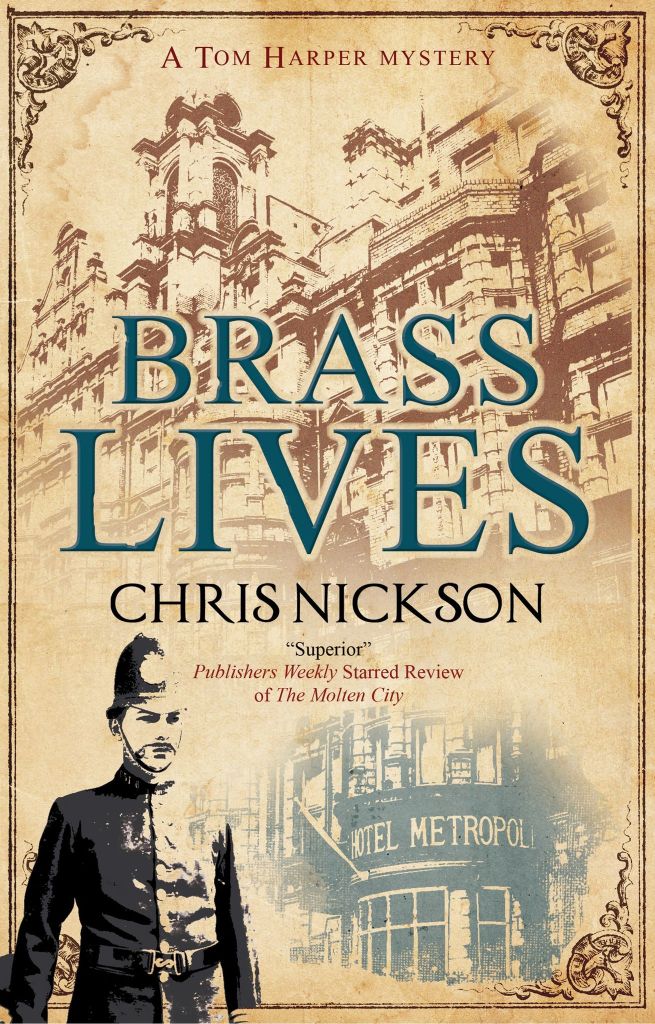
Picture courtesy of Leodis.

One

Leeds, April 1966

‘I’ll tell you what,’ Clarky began then took a sip of the beer. He was three pints and two Scotches into the evening, right around the time his tongue usually loosened.

            Davy Wilson shook a Gold Leaf from a packet of ten and lit it. They were drinking in the City of Mabgate pub. Just a few hundred yards from Millgarth police station, but the coppers didn’t come in here. Except Detective Constable Robert Clark.

            ‘I’ll tell you what,’ he said again. Voice steady. It would take another two of three pints before he started to slur his words. Then the landlord would gently send him on his way home, up the hill to Lincoln Green.

            ‘What?’ Davy asked. Friday evening and across Leeds the mood would be rising. People putting on their best clothes. New dresses, suits from Burton’s. Knotting the tie just right. Some already out drinking, preparing for a night in the dancehalls and discotheques. Not him; another half hour and he’d be on his way home. But first he wanted to hear what Clarky had to say. When you worked for an enquiry agent, a copper’s information was like gold.

            Sometimes gold, anyway. More often it was just shit. Still, no knowing when a nugget would show itself. Worth paying for a pint and a small measure Scotch. The cheap stuff; Clarky would never taste the difference.

            ‘You know George Hathaway?’

            ‘Georgie Porgie?’ Nobody would ever call him that to his face. He was big, as protruding belly, one of the most violent men in town, with a temper that could arrive from nowhere, like the flick of a switch. A criminal, running half the money lending and prostitution in town. And dangerous; there were rumours he’d made a couple of enemies disappear. But smart enough never to be caught, and enough policemen on his payroll to be certain he’d stay free.

            ‘Talk is he’s planning something big.’

            ‘Any idea what?’ He tried to make the question casual. It was business for the rozzers, not someone like him. His work was security. A different, safer world. Still, he was curious. Something useful might slip out.

            ‘No. But he has a pair of councillors in his pocket and I hear they’ve had full wallets lately.’ He took another sip. ‘Same with my Superintendent. He rolled up the other day in a Wolseley. Brand new, a 16/60.’

            They didn’t come cheap, even with the kind of discount a dealer would give the police. Hathway, a pair of councillors and Superintendent Witham. Davy filed it away in his mind. Counted out three shillings and placed them on the bar before he stood and patted Clarky on the shoulder.

            ‘Have yourself another on me.’

Dickie Parsons studied himself in the bathroom mirror, pushing his fringe up a little. It wouldn’t last long, but he wanted to look perfect when he left the house. The suit was just right, three-button, two vents at the back, slim fitting, creases like knives on the trousers. A blue knitted tie.

            In the hall he pulled his good overcoat from the stand and shouted bye to his parents. They’d be in bed long before he was home. He had work tomorrow morning, always a half day on Saturday, but he was twenty years old. Who wanted to stay at home and watch the telly on a Friday night? Plenty of time for that when he was old.

            At the end of the drive, he stopped to light a cigarette. He’d been paid in the afternoon and he had some money in his pocket. Even after paying room and board to his mam and setting a little aside for a holiday, maybe a car or a motorbike, there was still plenty left for the weekend.

            Rod and Jimmy were at the bus stop on Foundry Lane. They’d all been at school together, left as soon as they were fifteen. Jimmy had landed on his feet, an apprentice with an engineering company, with prospects for the future. Rod was a big lad with strong shoulders, content to carry hods full of bricks on the building sites. Dickie, though, he had a touch with engines, working at a garage in Cross Green, on decent money and learning. Always learning. Anything with a motor, he could repair it.

            They had a laugh about work. But nights out were serious business. A few pints and over to the Mecca, see if there were any birds. They’d start at the Market Tavern, just up from the bus station, then across Vicar Lane for a couple more in the Robin Hood for going on to County Arcade and start dancing.

            Dickie was beginning to feel the weekend, a little buzz in his body, like that time someone gave him a Purple Heart. The week before he’d noticed a lass at the Mecca. Short skirt, long legs, short dark hair and big, wide eyes like Twiggy. Mandy, she’d told him as they talked for a couple of minutes before her friends dragged her away to the bus.

            ‘Maybe see you next Friday,’ he told her. He’d keep his eyes open; there’d been a promise in her smile.

            Dickie stood by the bar in the Robin Hood, the air thick with cigarette smoke and talk. He chuckled to himself as he saw the daft little World Cup Willie gonk someone had put on top of the optics. Still, it was only a few weeks until the matches started, and he was looking forward to the football. He was in a good mood, ready to have a little fun, when somebody pushed into him, hard enough to make him lurch forward and spill his beer. The first thing he did was look down. The bottoms of his trousers were safe, just a few drops. Most of it splashed onto his Chelsea boots. A flash of annoyance. He’d only bought them the weekend before.

            Dickie turned around. ‘What the hell do you think you’re doing?’

            The man was fat, a glass of Scotch in his thick hand. A pair of hard cases stood beside him.

            ‘Sorry, lad,’ he said. ‘No damage done, eh?’

            ‘All over my bloody shoes.’ Suddenly Rod and Jimmy were there.

            ‘I said sorry, all right? Let it go.’

            He’d had just enough to drink to show a little bravado. ‘You can buy me another pint.’

            He saw something change in the fat man’s face. In an instant it grew hard and dangerous.

            ‘I said sorry. I’m not buying you owt. Leave it while you can.’

            ‘Least you can do is stand him another,’ Jimmy said.

            The big man turned his head a little. ‘I’d shut up if I were you.’

            ‘What do you want to do, boss?’ one of the hard men asked.

            ‘Nothing.’ He was staring at Dickie. ‘These boys were just leaving.’ He had a smile that looked like a curse. ‘It’s probably past their bedtime, anyway. Let them go home to mummy and cocoa.’

            It was Rod who put a hand on Dickie’s shoulder.

            ‘Come on, mate. It’s not worth it. We’ve got better things to do.’

            Dickie stood his ground, staring at the fat man for five seconds.

            ‘Yeah,’ he agreed finally. ‘Let’s go.’ As he pulled the door open, he looked back. The fat man was still watching him, amused now.

            ‘Pillock,’ he shouted.

            Then they were out on the street. Only a few yards to the County Arcade and the Mecca where the night could really begin. But he heard the footsteps behind them. He glanced and the others.

            You couldn’t run for it. You didn’t do that. You stood your ground even if you knew you couldn’t win.

            Then Rod and Jimmy were on the floor, the hard men kicking them like they were playing at Elland Road. Dickie was facing the fat man.

            ‘You need to learn some respect, boy.’ He grabbed Dickie’s lapels, pulled him close and brought his head down hard. Dickie felt his nose explode. Pain and a sudden gush of blood. He opened his mouth to cry out. Then the fist caught him on the chin and he was flying back on to the pavement.

Two

Leeds, June 1966

‘Do you remember that assault on Boar Lane back in April? A Friday night, three lads in hospital. One of them in a coma.’

            Davy Wilson lifted his head. Charlie Hooper was staring out of a dirty window, gazing at the blackened stone of Mill Hill Chapel on the other side of Lower Basinghall Street.

            ‘I remember seeing it in the paper. Why?’

            ‘He came out of the coma yesterday. They’re not sure if he has brain damage.’

            Davy waited. Charlie wasn’t the type to bring something up out of the blue and then leave it hanging there. He was usually decisive, mind sparking. Today he seemed…distracted. Sad. Not like him at all. There had to be more

Hooper had served in Military Intelligence during the war, left with a good record, came back to Leeds and started the business. He had the kind of face nobody remembered, a real asset for this line of work. Sharp enough to look ahead and see the divorce laws were likely to change soon. That market would vanish. He’d begun to push the industrial security side of their work to keep them ahead of the competition That was Davy’s field. Aged eighteen, three A-levels behind him, he’d started worked for a company making burglar alarms and sense the possibilities. Three years of that, learning the electronics and how to set everything up, he’d done his research on enquiry agents and gone to see Hooper. Another trade to learn, how to work on the street and with the police while he built up contacts with businesses and Charlie used the friends he’d developed. It was starting to pay off for both of them, and Davy was still only twenty-six.

            ‘Poor lad,’ he said. What else was there?

            Charlie nodded and ground out his cigarette in the ashtray. He was in his fifties, white hair, a bald spot on the crown of his head. He smoked too much, starting to go to seed: nicotine stains, jowly, belly ending over the top of his trousers. ‘Happened on a Friday evening right in the middle of town.’ He spoke quietly, thoughtfully; he could have been talking to himself. ‘A couple of witnesses gave statements to the police. The way I heard things, they went back later and changed their minds.’ He raised his eyebrows. ‘Nobody on the force pushed them.’

            ‘It happens,’ Davy said. ‘We both know that. Someone put the fix in.’

            ‘Yes,’ Charlie agreed. ‘Dickie, the one in the coma, he’s my cousin’s boy.’ He turned his head to stare at Davy. ‘She asked if we could do something.’

            ‘What did you tell her?’

            ‘I rang a couple of coppers I know. They’re not saying a word.’ A pause, no more than a moment, but it felt like a lifetime. ‘You drink with that detective out of Millgarth, don’t you?’

            ‘Sometimes.’ He knew what was coming.

            ‘Can you ask him? See what he knows?’

            ‘I can try.’ Tomorrow was Friday. Come evening, Clarky would probably be in the pub.

            ‘I’d appreciate it.’ A small, wan smile. ‘Dickie’s a good kid. We’re going to have to wait and see how he goes along. Meanwhile…’

            ‘Yes.’

While you’re here, just a reminder that this book is still pretty new, very dark and (I think) pretty damn good. You might like to try it.
Three Weeks To Go

Yes, as June arrives and summer really seems to be here – 23C yesterday and the allotment is grateful! – the times is paxssing quickly. In just over three weeks, Brass Lives will be published in the UK (ebook everywhere on August 1, and US hardback publication in September, I believe).

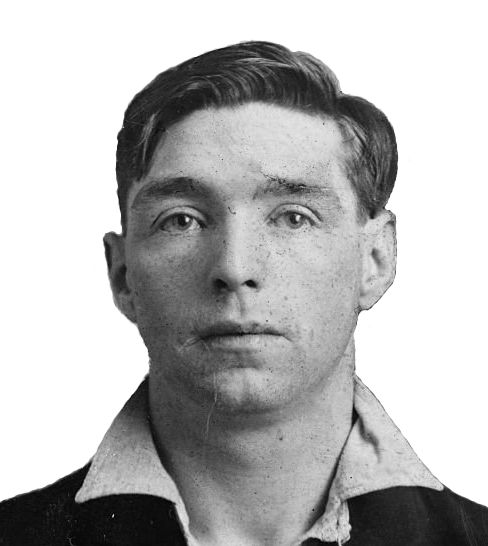
It’s the first time I’ve used a real, well-known person as the foundation for a major character, and given his life the kind of turn it never had.

Who? A Leeds-born man who moved young to New York and become notorious as a gangster and bootlegger – and as a killer. Owen Madden. Here’s a short film I made about him in my other role as writer-in-residence at Abeey House Museum. He really is a fascinating person.

My version of him, Davey Mullen, is a little different.

Why not read it and find out? This place has the cheapest price, and free shipping (and they’re not Amazon).

An Excerpt From Brass Lives

It’s just four weeks until Brass Lives, the ninth Tom Harper novel, is published. Set in 1913, it features Davey Mullen, who was born in Leeds but moved to New York as a child. Now 21, he’s a gangster, a killer, recuperating from an ambush in Manhattan, where he was shot 11 times and left for dead.

Mullen – based on a real figure, Owen Madden – is supposedly back to visit his father, who remained in Leeds. The New York police have warned Leeds, and Tom, now Deputy Chief Constable, has uniforms tailing Mullen. But he’s still surprised when the man shows up at the Victoria one night…

He’d finished his supper and poured the last cup of tea from the pot when Dan the barman came up the stairs to the parlour.

‘I’m sorry to bother you, Tom, but there’s a man downstairs asking for you.’

            That was unusual; people rarely sought him out at home. ‘Not one of my lot, is it?’ he asked. Maybe they’d found Fess. No, couldn’t be, Harper thought; they’d have telephoned.

            ‘This one’s definitely not a copper.’ Dan frowned. ‘You ask me, he’s got the smell of crime about him. Young and big. Talks strange, too. Like he’s from Leeds but with something else on top that I don’t recognize.’

            Harper gave a grim smile. Mullen had decided to come to the Victoria.

            ‘Thanks, Dan. I’ll be down in a minute.’

            Annabelle was watching him. ‘You know who it is, don’t you?’

            ‘I can take a good guess. It’s that man I told you about, the one from New York. Mullen.’

            ‘The one who’s killed people.’

            ‘Yes.’

            ‘Here. In my pub.’ She glared and started to rise.

            ‘Give me a minute before you come down,’ he asked. ‘Don’t worry, I’ll make sure he doesn’t cause any trouble.’

            ‘He’d better not.’

            Mullen was sitting at a table with his back to the wall, a pint of beer in front of him. He had the handsome, dark Irish looks that he’d shown in his police photograph, wearing an expensive grey suit that fitted him flatteringly, with a soft collared shirt and a brilliant red silk tie fastened with a gold pin. Flaunting his money in his clothes.

            He sat with his legs crossed, shining black shoes catching the light, looking at faces and assessing their eyes for danger as Harper settled across from him.

            ‘You’re safe enough in here. From the customers, at least.’

            A dip of the head in acknowledgement.

            ‘This must be different from the places you’re used to at home,’ Harper said.

            Mullen grinned and showed his good, even teeth. ‘A bar’s a bar, doesn’t matter where you put it. Sláinte.’ He took a long drink of bitter. ‘I’ll tell you this, though: the Americans have a long way to go before they can brew beer like the English.’ He stared at the glass. ‘And Leeds is home, after a fashion.’

            ‘Some parts of it might be. But not this place. What brings you out here?’ Harper’s voice was sharper, his face hard.

            ‘A man told me that you lived above a public house. I was curious to take a look and see what kind of deputy chief constable would do that. Anyway, it’s only a short stroll from Somerset Street.  Perfect for a summer’s evening.’

            Harper saw the man’s gaze shift and his smile broaden.

            ‘This is the woman who owns the public house,’ he said.

            ‘Mrs Harper.’ Mullen stood. For the briefest moment, he looked awkward and self-conscious, as if he wasn’t quite sure how to act around a woman. ‘A pleasure to meet you. You have a very welcoming pub here.’

            She sat, never taking her eyes off him. ‘Are you enjoying your visit to England, Mr Mullen?’

            ‘I am, ma’am. I’m enjoying being back and seeing my father again.’ Dan was right, Harper thought; there was still a definite trace of Leeds in his voice, somewhere deep in the bedrock. But much of it had been overlaid by the nasal New York cockiness. ‘I got to say, it’s changed a lot in ten years.’

            ‘How is your father?’ Harper asked, as if he hadn’t seen a report on Francis Mullen just the day before. The man spent the better part of his time drunk. He’d been kicked out of two beershops for trying to start fights.

            ‘Happy to see me,’ Mullen replied after a moment.

            ‘I don’t know if you’ve heard, but there’s another American in Leeds at the moment. Someone called Louis Fess. He’s from New York, too. Maybe you know him.’

            He’d dropped the name drop to see Mullen’s reaction. It was a pleasure to watch the way his face shifted: anger first, then worry, and finally a snapped-on grin of bravado. All in the course of a second or two. Interesting; he hadn’t known that Fess was here.

            Mullen ran a hand down his jacket, smoothing the material. ‘No,’ he said, ‘it don’t mean anything.’

            Maybe that worked on the American police, but it wouldn’t fool any copper in Leeds. He knew exactly who Fess was, and he wasn’t pleased to hear the name. No surprise, since he was from a rival gang.

            ‘A suggestion,’ Harper said as the man drained the rest of his pint in a single swallow. ‘Actually, it’s more like an order. You’re going to take out that gun very carefully and leave it with me.’

            ‘Why?’ The man’s body stiffened, as if he was preparing for a fight.

            ‘First of all, you spent a lot of money on that suit and it’s ruining the cut. It’s also illegal under the 1903 Pistols Act. Do you have a licence for the weapon?’

            ‘I didn’t know I needed one.’

            It was a lie, it showed in his eyes. He wanted to be challenged.

            ‘If the barrel is shorter than nine inches, the law says that you do. Since you’re a visitor here, we’ll let that pass as long as you leave the weapon here.’

            For a moment, Mullen didn’t move and Harper could feel the tension grow around him. Then he reached into his pocket, brought out the gun with the barrel between his fingers and placed it on the table.

            ‘Satisfied?’

            ‘For now. Thank you.’

            The outside door opened and Mary entered, waving before she disappeared upstairs.

            ‘Is that your daughter? Mary, right?

            Annabelle turned her head to stare into his eyes. ‘I tell you what, luv, now it’s my turn to make a suggestion.’ Her voice was iron. ‘Only mine’s an order, too. You’re going to forget you ever knew her name, or that you saw her. And if you show your face in here again, I’ll bounce you out on to Roundhay Road by the seat of your fancy trousers before you can say Jack Robinson.’ She stalked away.

            Mullen glared but said nothing. Harper watched as the man stifled his anger. No one would dare talk to him like that in America; he’d tear them apart for the sport of it. But New York was half a world away. He was in Leeds now. The rules were different and he was powerless.

            ‘I think your wife has taken against me.’

            ‘Very perceptive, Mr Mullen. There are plenty of other places to drink in town. You’d do better in one of those. I’m sure you can find your way back to where you’re staying. The Metropole, isn’t it?’ He stood. ‘I’ll wish you goodnight.’

            The constable following Mullen was standing outside the Victoria, watching his quarry stride furiously away. Harper stood next to him. ‘Make sure you don’t let him out of your sight.’

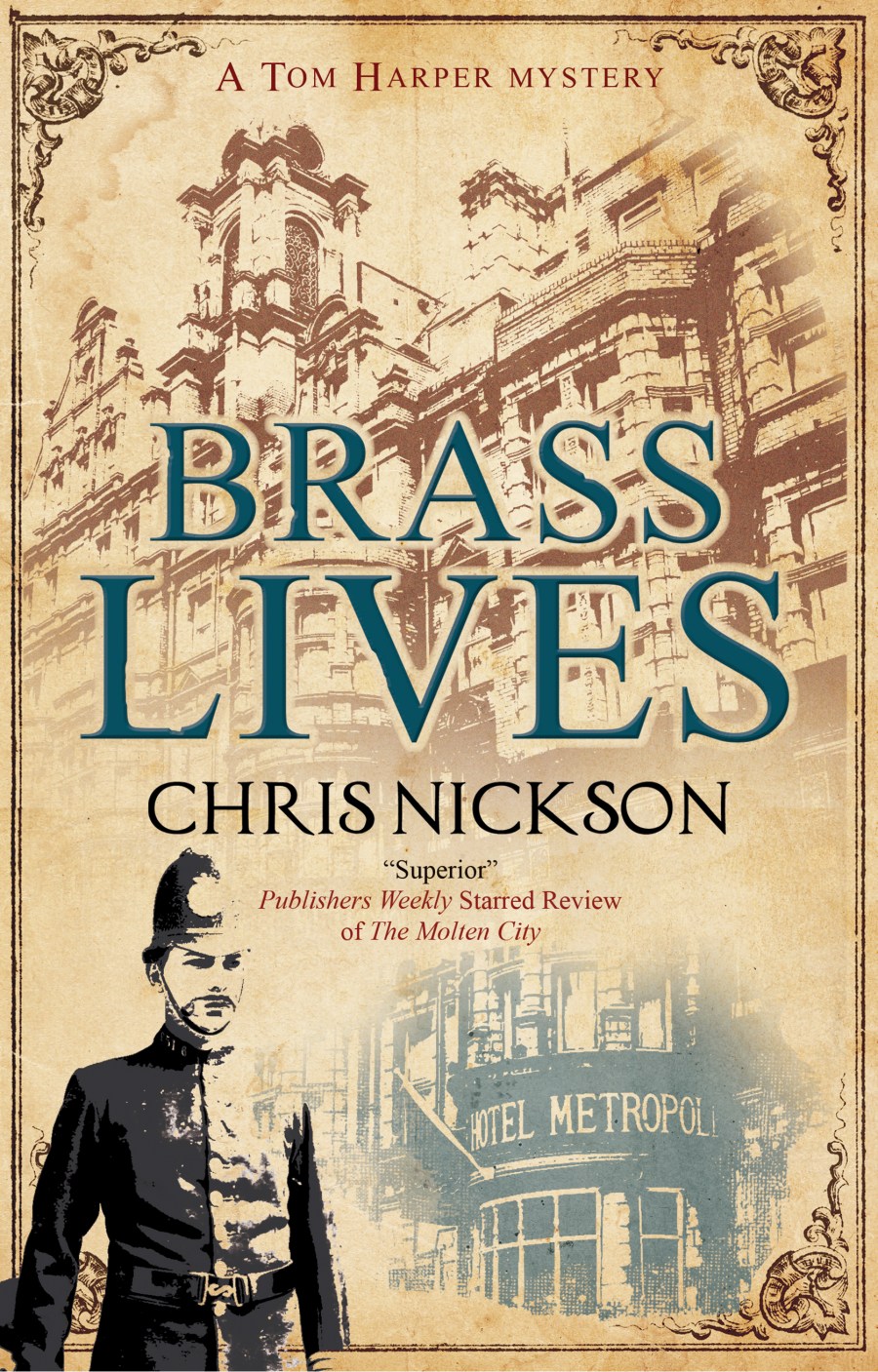
Brass Lives is published in hardback in the UK on June 24 (7 September in the US). You can pre-order it here (cheapest price and free postage). Prefer ebooks? Here’s the Kindle link (available worldwide August 1)

If you’re on NetGalley and authorised for Severn house releases, you can find it here.

The New Tom Harper Novel

There’s a new Tom Harper book coming. The UK hardback publication is June 24th. While I don’t have another date dates, a fair guess would be global ebook publication on August 1, and US hardback on September 1.

Just to whet your appatites, here’s a little bit about it:

Leeds. June, 1913. Tom Harper has risen to become Deputy Chief Constable, and the promotion brings endless meetings, paperwork, and more responsibilities. The latest is overseeing a national suffragist pilgrimage passing through Leeds on its way to London that his wife Annabelle intends to join. Then a letter arrives from police in New York: Davey Mullen, an American gangster born in Leeds, is on his way back to the city, fleeing a bloody gang war.

Despite Harper’s best efforts to keep an eye on him, Mullen’s arrival triggers a series of chilling events in the city. Is he responsible for the sudden surge in crime, violence and murder on Leeds’s streets? Tom has to become a real copper again and hunt down a cold-blooded killer, even as his world starts to crack apart at home.

Do you want to see the cover?

Sure you do, it’s absolutelt splendid.

Isn’t that great? The character of Davey Mullen is based on Owen Madden, a Leeds lad who did become a New York gangland figure. He owned the Cotton Club, and went on to die peacefully at a ripe age. A fascinating made – read about him here

Better start putting your pennies aside.

A Tale Begins…Some New Tom Harper

Stories…we’re humans, we need stories. And in uncertain, anxious times, something to take us away from our fears and ourselves is always welcome.

Here’s a brief exceprt from what will be the next Tom Harper novel. It’s called Brass Lives, and it’s set to appear sometime in 2021. Sorry, with publishing schedules all topsy-turvy, I can be more exact than that at the moment.

It takes place in 1913 and Tom is now the Deputy Chief Constable of Leeds, with an office at the Town Hall. Ash has become a Superintendent and taken over Millgarth.

Before we get to that, though: my publisher has Gods of Gold, the first Tom Harper novel, currently at 82p/99c an all ebook formats, everywhere in the world. But only until the end of May. You might enjoy it, and at that price you can take a risk.

Secondly, I’ve written a short history of Sheepscar. No fiction, all fact. If you’d like a copy, drop me a line and I’ll send it to you in a pdf file.

Now, would you like to catch up with Tom?


He’d been back in his office for an hour, sipping a mug of tea and reading the daily reports from the divisions when the telephone rang.

‘Morning, sir. It’s Superintendent Ash.’ The familiar voice made him smile. Until Harper’s promotion, the two of them had worked together every day. Then Ash had taken over A Division and moved up in rank to run the station.

He knew the man; Ash wouldn’t ring unless there was a good reason.

‘Good morning to you, too. What can I do for you?’

‘Something that might strike your fancy, sir,’ Ash replied after a moment. ‘I don’t suppose you’d like your dinner at the cafe in the market, would you?’

‘I imagine you could twist my arm,’ Harper said. ‘Your shout?’

‘Of course, sir. Between one thing and another, I don’t believe I’ve ever had a free lunch with you yet.’

He walked, glad of the exercise on a warm day. Briggate was thronged with Thursday shoppers crowding the pavements. Trams and lorries and carts bustled up and down the road. Harper cut through County Arcade, astonished as ever at its elaborate gilt and splendour, before crossing Vicar Lane, entering Kirkgate Market and climbing the stairs to the café on the balcony.

Ash was waiting at a table. He’d always been a big man, but now he looked broader than ever, the shaggy moustache over his top lip as grey as his hair. His face crinkled into a grin and he stood, hand extended.

‘Thank you for coming, sir. I hope you don’t mind, I went ahead and ordered; I know you like the cottage pie here.’

‘That’s fine,’ Harper said, and it was. ‘What’s so important? Something wrong at Millgarth?’

The station would always have a special place in his heart. It was home.

‘Nothing like that, sir. Something a little unusual, though.’

‘What is it?’

Ash held a letter in his hand, written on thin onionskin paper.

‘This arrived from America, sir. From the police in New York.’

That was enough to pique his curiosity.’ What do they want?’

‘It appears that one of their criminals is on his way here. I suppose he’s probably arrived now.’ Ash stopped and pinched his lips together. ‘He’s coming back here, that is. It seems he grew up in Leeds, moved to America when he was ten years old. Followed his mother. She went ahead and got herself settled.’

‘Go on,’ he said.

‘His name’s Davey Mullen. Born on Somerset Street.’ It was no more than three minutes’ walk from where they were sitting, a row of run-down, hopeless houses. ‘He’s twenty-one now.’

Harper rubbed his chin. ‘What’s he done to make them write to us?’

Ash grimaced and shifted on his seat. ‘It’s more like what hasn’t he done, sir. Quite a bit, given his age. It took me by surprise.’ He paused, just long enough to be sure of Harper’s attention. ‘They’re as certain as they can be that Mullen’s murdered at least six people.’ He let the sentence hang in between them in the air. ‘Four of them shot, the other two beaten to death. And two of those shootings were in broad daylight, with witnesses.’

‘Then surely-’ he began, then stopped when he saw the look in Ash’s eyes.

‘The witnesses decided to leave the city or refused to testify.’

Harper sighed. The old, old story. Fear and intimidation.

‘Why’s he coming here?’

‘Recuperation. That’s what he told people. He’s a member of a gang. It seems some people from another gang found him on his own outside a dancehall and shot him eleven times.’

‘Eleven?’ Harper said in disbelief. ‘Come on. Nobody can survive that.’

‘He did, and he made a full recovery. He refused to tell the police who did it, but not long after he was back on his feet the bodies of some of this other gang started turning up. Now he’s heading to Leeds until things cool down in New York.’

‘What do they want us to do?’ Harper asked. ‘They don’t have a warrant for him, do they?’

‘No, sir.’

‘Then unless he breaks any laws here, he’s a free man.’

‘They’re tipping us the wink so we can keep an eye on him. His other reason for being here is to see his father. It seems he never made the trip to America with the rest of the family. It was just Mullen and his brother who followed their mother over there.’

‘What’s the father’s name?’

‘Francis Mullen. Goes by Franny. I had Sergeant Mason dig out his file. There’s not much to him, really. Petty crook, in and out of jail. Loves his drink. Never held a proper job in his life. Parents came over from Ireland during the famine.’ He shrugged and took a photograph from his pocket. ‘The New York people included this, sir. It’s Mullen, from the last time they arrested him.’

Harper studied the picture. It showed the man’s head, viewed full on. Thick, dark hair, glistening with pomade. A smile of straight, white teeth and a face brimming with arrogance, a young man utterly certain that the world belonged to him. On the back, someone had scribbled a few details: Mullen was a big man: six feet one, weight two hundred and ten pounds – fifteen stone, he calculated – carrying sixteen scars all over his body from knives and bullets. The next of kin was his mother Maureen. Mullen still lived with her, an address on West 47th Street. Behind it, in brackets, someone had added Hell’s Kitchen. An apt name for any neighbourhood that was home to a man like him.

The waitress arrived with two full plates.

‘They’re hot, so don’t you be burning yourselves,’ she warned. ‘I’ll be back in a tick with your pot of tea.’

No talking shop while they ate; that was the rule. No spoiling the digestion. It allowed a few minutes for pleasure, a pause for thought. A constant roar of noise rose from the market, the conversation of shoppers, traders calling out their wares. Finally, Harper wiped a slice of bread around the plate to soak up the last of the juices, swallowed the final bite and washed it down with a swig of tea.

‘What did you have in mind for Mullen?’ he asked.

‘I thought Walsh and Galt could pay him a visit,’ Ash replied. ‘Just a quiet word, let him know his card is marked. Polite as a Sunday tea party.’

‘The slightest breath of trouble, haul him in,’ Harper ordered. ‘We don’t want any murderers walking round Leeds like they’re God’s gift. Keep a uniform on him too.’

‘Not plain clothes?’

‘No, let’s make it blatant. We’ll show him he’s not welcome here.’

‘I’ll take care of it, sir.’

‘Anything else worthwhile?’

‘Nothing much. Just the Boys of Erin trying to act up again.’

They’d been a growing thorn in the side of the police for a year, ever since Johnny Dempster became leader of the gang. Harper thought he’d crushed them more than twenty years ago, but they were slowly creeping back. They wanted to be a force again, to rule the Bank the way they had a generation before. It was the area of Leeds where the Irish had settled when they arrived. Back then it was desperately poor, dirty, a place where disease thrived. Even now it was bleak. Annabelle had grown up there, on Leather Street. Many still living on the Bank today could trace their ancestors back to Ireland.

‘What have they been doing this time?’

‘Tried a little protection on shopkeepers. We’ve taken care of it. I’m keeping a watch on them. Dempster’s ambitious. I’ve a feeling he has big plans.’

‘Time to stamp them down again?’ Harper asked.

‘Not just yet, sir,’ Ash replied thoughtfully. ‘I want to see what they have in mind.’

‘Keep me informed.’ He stood and patted his belly. They always served up big helpings in the cafe. ‘And make sure this Mullen knows he’s being followed.’