Rogation Day Part 3

This really is turning into a serial, and I’ll be as interested as you to discover where it’s going. Elizabethan Leeds has its charms – but it seems to be a deadly place, filled with secrets for Gil Craven and the watch to uncover.

Id you missed the first two parts, don’t worry. Part one is here, and the second part here. Now relax and enjoy the story.

            So many things I needed to do: start the hunt for Tenche’s killer, find Richard, write to Walsingham’s man in the West Riding. But the widow might be known something.

            ‘I’ll come with you,’ I decided. Sykes stared at me for a moment, his distaste showing, before he nodded.

            ‘If you must, Craven.’

3

‘Madam,’ Sykes said as he entered the hall of the house on Briggate. He swept off his cap and bowed; I did the same.

            Mary Tenche knew. She’d been crying, eyes rimmed with red, a good lawn handkerchief clutched in one fist. She was dressed for home, hair covered with a starched white coif, a plain gown and kirtle, slippers on her feet. She was a small woman, in her late thirties, with dark hair and smoky eyes, the mistress of a handsome home. A fire burned in the hearth, the chimney drawing well. A pair of painted hangings added colour to the walls. Glazed windows overlooked the plot behind the building, a view over a stone building where the merchant warehoused his cloth, the small counting house behind, then the garden. The man might have been cloth searcher for his year, but he’d made a pretty penny before all that.

            ‘My condolences, madam,’ I said and she dipped her head in acknowledgement. I’d heard the rumours, that it hadn’t been a loving marriage. Doubtless Sykes knew the same thing; he wouldn’t have been here otherwise, with an eye on his chances.

Three children alive, the elder boy apprenticed to a merchant in Antwerp, learning the other end of the business. The second was starting to learn the trade with John Faulkner, down at his dye works on the river. Jane, the girl, was ten, already betrothed to Henry Atkinson, a merchant’s son, aged just twelve. A few years yet before the ceremony.

‘Was your husband at home last night?’ I asked. Sykes glared at me. He wanted her to himself, a chance to press his suit and its advantages while she was at her weakest.

‘No,’ she answered. Her voice was low and husky. ‘He said he had to meet someone.’ She raised her gaze to stare at me. ‘When I woke this morning, he wasn’t here.’

‘Did you mention it to anyone?’

She shook her head. ‘It wasn’t the first time.’

‘Who was he meeting, madam?’

‘He didn’t tell me. He never discussed his business at home.’

Talk was that Tenche had a lover; it would be easy enough to discover her name. The servants likely knew it. They saw more than their betters imagined. I’d inquire of them in a few minutes, away from Skyes.

‘I’m sorry to have to ask questions at this time, madam,’ I said. ‘Was he having any problems with his work?’

‘Nothing he mentioned.’

One final thing. ‘Did he know Richard Harding?’

‘Who?’

It was the answer I’d expected.

‘No matter, madam. Thank you.’

            Skyes gave a grim, satisfied smile as I bowed and left.

The servants had gathered in the buttery, the oldest part of the house where they kept the ale and wine. A fine place for gossip, although the chatter dropped to nothing as soon as they saw me.

            ‘Mistresses-’ I began, but Elizabeth Carr, the maid, cut me off.

            ‘Here about the master, Gil Craven?’ She was an older woman with a harsh tongue she curbed around the Tenches. A gown that had probably once belonged to Mrs Tenche, worn now, the colours faded, covered with an apron that cover her from neck to feet.

            ‘I am.’

            ‘Murder. That’s what people are saying.’

            ‘It’s true enough,’ I admitted.

            ‘Terrible.’ She shook her head, although curiosity gleamed in her eye. ‘How did it happen?’

            I countered with a question of my own.

            ‘He went out last night. Mrs Tenche says he didn’t return. Do you know where he was?’

            The cook, Hannah Oliver, gave Sarah, the younger maid, a quick warning look before she could speak.

            ‘You know,’ I said. ‘Tell me, I’ll find out sooner or later.’ I pressed my lips together. ‘I’m looking for his murderer.’

            ‘Catherine Warden,’ Sarah spoke the name in a rush before the others could stop her.

            A widow. A woman of middling wealth, left enough money not to need to pinch her pennies. She’d shown no inclination to marry, content with the freedom her status brought. Tenche had been her lover. He’d kept it quiet from the town. But of course his servants knew.

            ‘How long?’ I asked. But they looked away. Sarah’s cheeks were a broad, blushing red. I’d get little more from them out of loyalty to their mistress. No matter. I had a thread I could twitch. ‘God’s blessings on you,’ I said as I left.

The curious had gone from the house of pleas. The curate and churchwardens had left to finish beating the parish bounds. The members of the Waits had stayed, sipping small beer, wondering what to do and looking to me for guidance as I came through the door.

            Thomas Dawson’s face was still pale; the first body he’d really seen. Rolly raised his eyebrows, a man who’d experienced more than most of us, one who’d served time in the navy under John Hawkins, a crewman on the commander’s second slaving voyage from Africa to the New World. He’d come home to Leeds with money in his pocket, never speaking about his experience, spending fast and wide and drinking like a man whose desire was to forget.

            ‘Tom, I want you to stand guard here. I imagine the undertaker will arrive this afternoon. The widow will inform him.’

            A reluctant nod as he sat on a bench, turning away from the corpse.

            ‘What about me?’ Rolly asked.

            ‘Talk to the people in the cloth warehouses,’ I told him after a moment. ‘See if they know whether Tenche had any business problems. Come and find me later.’

            ‘Right.’ Before he could stand, the door opened wide and Richard Harding strode in, a tall, sallow man, hair drawing back on his scalp and a frightened look on his face/

            ‘Where the devil have you been?’ I asked.

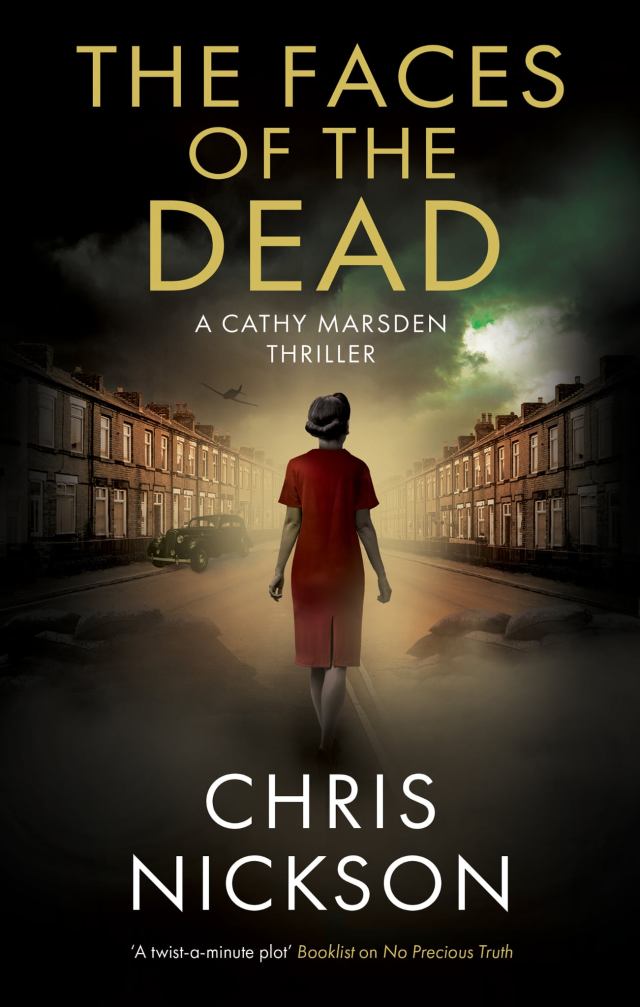
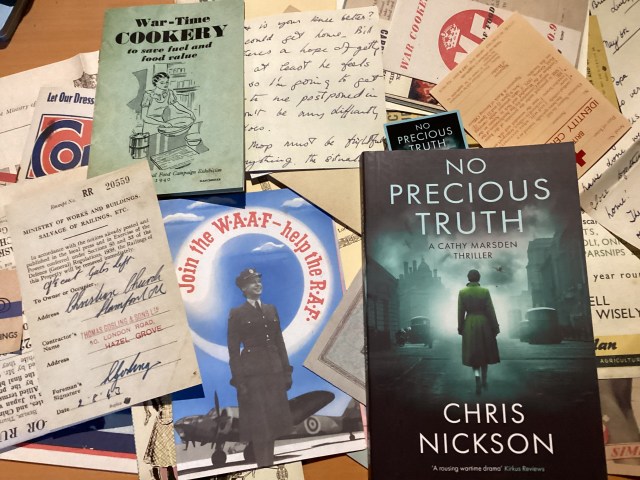
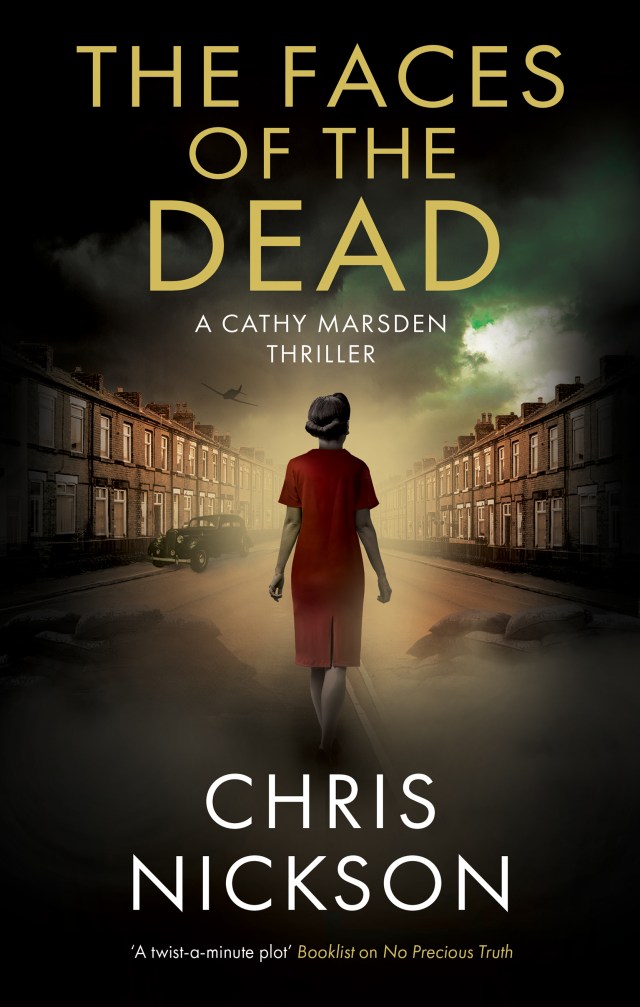
Thefourth part will arrive in a week or two – if you want it. Meanwhile, both the Cathy Marsden WWII novels, No Precious Truth and The Faces Of The Dead are currently £1.99 on Kindle – the first is just 99p (free with Kindle Unlimited). That’s two books for around the price of a coffee. You’re not likely to find a better bargain this week. I truly hope you’ll but them – because they’re good. I sweated blood and tears over those books!

Rogation Day Part 2

A number of you seemed to like the first part of Rogation Day, which I posted last week (if you missed it, catch up here). Here’s the second installment, and it appears to be turning into a serial. That’s both good and bad. I nered to keep it going and make sure there’s enough to keep you interested. But I’m also getting caught up in the tell of it and what might happen. No, honestly, I don’t know; I’m truly making it up as I go. But Elizabethan Leeds is a new era for me, so we’ll discover it together, shall we?

Meanwhile, on with Part 2…

            ‘Where should we take him, Gil?’ I was the inspector of the night watch; the decision and the investigation was mine.

            I thought for a moment. ‘The house of pleas,’ I said. Plenty of room to gather the witnesses and hear testimony and have a proper view of the corpse. ‘Everyone there and wait.’

            They made their way in twos and threes, reluctant to be a part of this. But this was murder, plain to everyone with eyes in their face.

            My mind was galloping. Men ended up in brawls, wounded in pain. That usually came after drinking. Straightforward crimes. This was going to be much harder.

     I strode out ahead of the others, back into Leeds along Mabgate, banging on Richard’s door once again before going in. I knew I’d find nothing, but I had to check.

            Tenche dead, Richard missing. I didn’t know of any connection between them, but there had to be something; I’d never believed in coincidence.

2

The body was laid out along the table and stripped, just a sheet for modesty. I’d sent for the coroner, Mr Bateson, to come and examine it, offer his judgement, and given a boy a farthing to gather the aldermen. I could hear voices outside as a crowd gathered, drawn by the horror of the news.

            ‘He was stabbed.’ Bateson’s words filled the expectant silence in the room. He was the apothecary, the only man in Leeds with any knowledge of medicine. ‘There, under his ribs.’ The man pointed it out for everyone to see before turning to me. ‘My fee?’

            God’s love. A lost life in front of him and all he could consider was a few pennies.

            ‘Send your bill,’ I told him. ‘You’ll be paid.’

            As soon as he’d gone, I raised my voice. ‘Any doubt this was murder?’ Nobody dissented.

            We needed to find the killer, and the reason. Tenche’s Catholicism, or his position as cloth searcher? Where was Richard? With each passing moment, my doubts grew.

Richard had never been in a fight, as peaceable a man as they came. A fine musician and a good carpenter; he’d completed his apprenticeship, never an argument with his master, and solid in his work. Our wives died within a year of each other, his Bertha in her childbed after a stillborn baby, my Lizzie taken by the sleeping sickness. Neither of us had remarried. We’d never discussed it, but I suspect our reasons were the same: we couldn’t face heartbreak again. Both of us were find alone, meeting two or three evenings a week to practice with the Waits or play for dances. A few drinks afterwards.

            Not a violent bone in his body. What had happened to him?

I noticed Alderman Sykes stood at the back of the hall, looking quizzically down at the floorboards, hat in his hand, the plumes fluttering as they caught the small breeze from the open window. He was well-dressed as ever, a black doublet, sleeves artfully slashed to display the blood red material beneath. Black hose and buckled shoes, a small white ruff around his neck. The starched pleats neatly ironed.

   I pulled off my cap as I approached him, bowing my head for a moment.

            ‘Good morrow to you, master.’

            ‘Hardly that with Tenche dead,’ he said.

            ‘It’s murder.’

            ‘I see.’         

‘We’ll need to tell his wife,’ I said.

            ‘I imagine she already knows,’ he replied. ‘Don’t you think the whole town will have heard by now, Gil Craven?’

            ‘Mrs Tenche might have information to guide us, sir.’

            ‘Possibly,’ he agreed after a few seconds’ consideration. ‘She’ll need to arrange the burial.’

            ‘You knew him well, didn’t you?’

            ‘I knew him,’ he said cautiously. ‘I wouldn’t say well.’

            In a town like Leeds, every face was familiar. With a little over three thousand souls, each day you saw the same folk day after day. Friendships, though, were different. I’d often seen Sykes and Tenche in the alehouses, heads together as they talked.

            ‘Do you think it had to do with his position?’ Sykes asked.

            ‘I don’t know, sir. That’s why I need to ask questions.’

            He nodded. Walter Tenche had been serving his year as cloth searcher. It was a position of honour among the merchants, voted by the others for his honesty and integrity. He examined the cloth offered for sale on Leeds Bridge on market days, every Tuesday and Saturday, making sure the quality of the worsted and northern dozens was high enough to be sold as Leeds cloth. We didn’t have guilds like York, so our merchants could sell more cheaply. The cloth searcher could refuse pieces and ensure the reputation of everything offered here was high. A dispute over that could well be a reason for murder.

            Sykes was a merchant. He’d been born to it. His father had made money in the wool trade and Charles Sykes has seen business expand. He’d built a stone loom house behind his home on Briggate, three apprentices working for him. A wealthy man with a heavy purse dangling from his belt, next to the sharp dagger in its sheath.

            He was very aware of his status in the town, but a good man for all that. Did he know about Tenche’s hidden Catholicism? Unless it was important, that was something I hoped to keep quiet; no need for it to taint him in death.

            ‘I’ll go and see his widow,’ Sykes said. I could see the calculation behind his eyes. He had three children, the oldest ten; his wife had died last year. Mrs Tenche had two young children of her own. Very soon she would need the protection and money of a husband.

The third part will arrive in a week or two – if you want it. Meanwhile, both the Cathy Marsden WWII novels, No Precious Truth and The Faces Of The Dead are currently £1.99 on Kindle – the first is just 99p (free with Kindle Unlimited). That’s two books for around the price of a coffee. You’re not likely to find a better bargain this week. I truly hope you’ll but them – because they’re good. I sweated blood and tears over those books!

Happy Birthday To Leeds

Last week Leeds turned 400.

After a fashion, that’s true. I hope you raised a glass and cut some cake to wish it happy birthday.

Really, though, the place is a lot older than that. It might well be the Loidis mentioned by the Venerable Bede in his eighth century Ecclesiastical History of the English People, and was beyond doubt the Leodis where the Normans built a stockade and planted a garrison of troops (where Mill Hill now stands)

It’s the town where Maurice Peynel, the lord of the manor, created our best-known street, Briggate, in 1208 as a way to raise money.

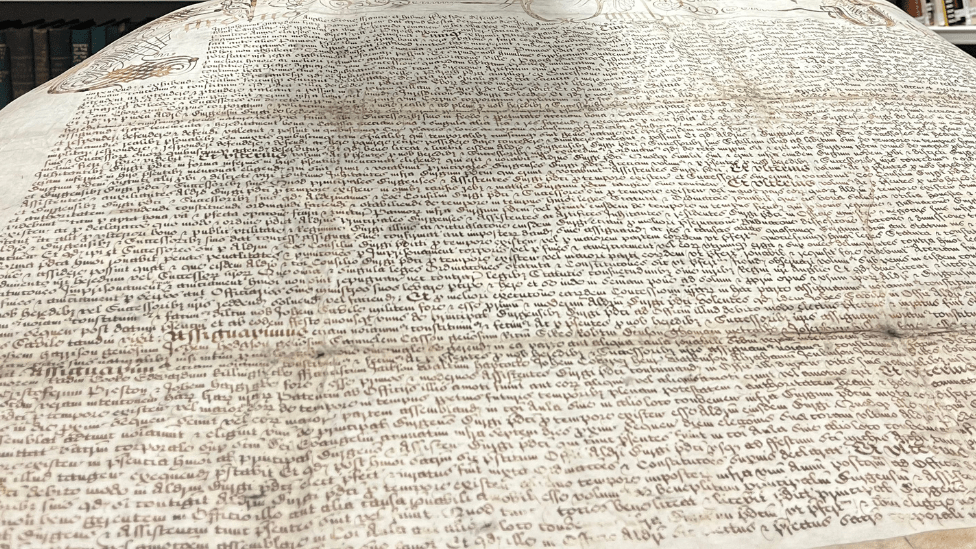
It’s all of those things. But it’s 400 years since Leeds was granted its first charter by Charles I in 1626.

What did that mean? Governance. Until then, Leeds had been a small market town, like many others across the country. The charter transformed it into a self-governing borough with a council run an alderman, burgesses and councillors.

Not everybody praised the idea; many small traders opposed it, as it concentrated power in the council. However, Sir John Savile persuaded the powers in London to grant the charter (he also became the first alderman). The charter covered all 21,000 acres of the parish of St Peter (the Parish Church), allowing it to levy fines, acquire property, make bye-laws and hold courts, things we now take for granted.

However…being Leeds the tale couldn’t be straightforward

Sometime early in the Civil War, which began in 1642, the copy of the charter in Leeds disappeared; it’s never been found. In 1646 a replacement was requested and delivered. You can view the entire charter here. It’s written in legal Latin, but there is a translation.

But that’s not the close of the story…there’s another twist to come.

That copy vanished, too, to be purchased by a bookseller in Kent who promptly lost in behind a bookcase. When he found it again, in 1950, he decided the piece of vellum would make an attractive lampshade. Until he had an expert look at it and discovered exactly what he had.

Leeds Corporation offered him £10 10s (£10.50) for it, but the bookseller donated it to the city – Leeds was granted city status by Queen Victoria in 1893 – and it now sits in West Yorkshire Archives alongside the second charter granted to Leeds by Charles II in 1661, after he ascended to the throne following the Interregnum.

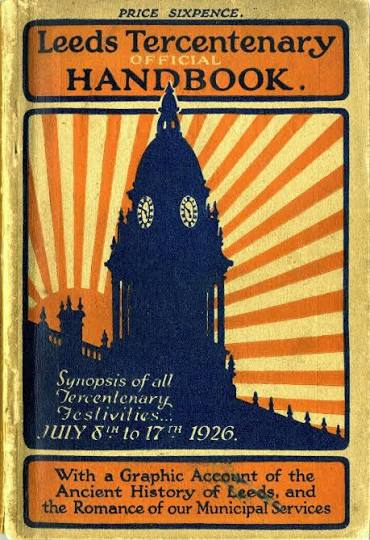
Leeds is celebrating these 400 years, as well it might. The 300 year anniversary was a big affair, with displays in Roundhay Park and more, even a book to serve as a commemoration.

 This year includes all manner of events and I’m proud to be a part of it, giving a talk at 1pm on Wednesday, September 23, at Leeds Central library on Alice Mann. I’ve written about here before – you can read it here. It’s a free event; I hope you can come.

Anyway, a week later, but happy birthday Leeds.

While it’s not the chater, you can read a little slice of Leeds historcial fiction set in 1944 with The Faces Of The Dead, the second cathy Marsden book. It’s just £1.99 on Kindle (cheap in the US, too), as is it predecessor.

Here endeth the Leeds history lesson.

A Guest Meditation On Historical Fiction

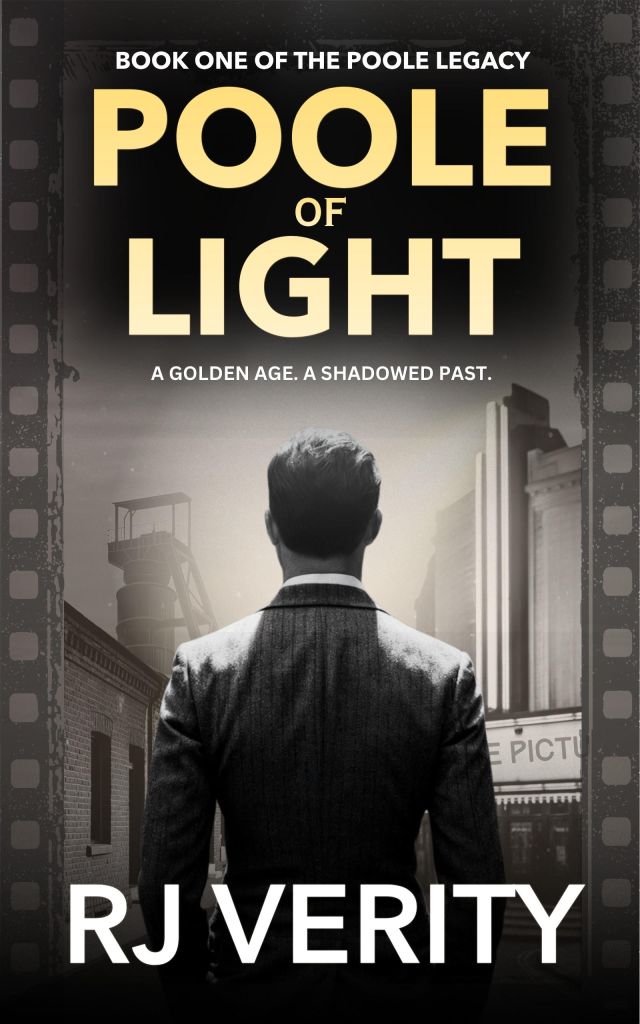
When RJ Verity contacted me, I was gratified to discover someone else writing about the Leeds of 80 years ago. Her take is very different to mine – no crime. Instead, her novel, Poole of Light, revolves around the cinema of the 1930s and 40s, one my father knew well, as manager of the Shaftesbury and the ABC for a few years after WWII.

She proposed a guest blog post, and I readily agreed. She’s written a good book, and her world dovetails well with Cathy Marsden. Maybe she met some of those characters – who can tell?

The Cinema Manager’s Granddaughter

Guest post by RJ Verity, author of Poole of Light

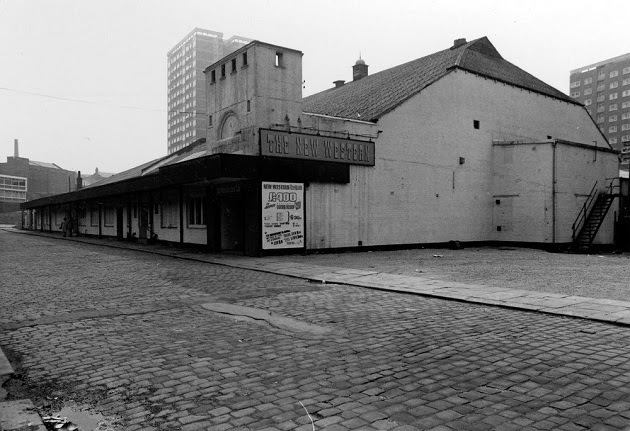
When Chris Nickson and I first made contact, we quickly discovered we were circling some of the same territory – not just the Leeds of the 1930s and 40s, but something more specific. His father had managed cinemas in the city. My grandfather had too: the Pictodrome and the Palace Picture Hall (shown below), both in Armley.

It is, as Chris put it, a small world.

My own connection is not incidental to my novel. It is, in many ways, the reason my novel exists. My grandfather had chauffeured for a large household in Leeds before becoming a cinema manager. My grandmother worked as a housekeeper in the same house. My father was a teenage projectionist and – through ability and the particular luck of timing – won a grammar school place at Roundhay before training as a doctor. One generation to the next, each one a little further from where it had started.

What struck me was how much depended not on privilege or connection, but on small chances seized at the right moment.

That fragility is at the heart of my debut novel, Poole of Light. The book starts in 1913, in a mining town in County Durham. My protagonist, Jem Poole, is ten years old – he has no money and no obvious future except working down the pit. One day he steals a glimpse through a curtain and sees a moving picture for the first time, and that moment of wonder brings him to the heart of the British cinema industry.

Leeds becomes central to his story. It is where he moves to as a boy, builds his life, and where tensions between ambition and identity play out across the decades. I came to Leeds not as a Loiner – I grew up in nearby Wakefield – but as a little girl who visited her grandparents in Roundhay often enough to know its streets. I understood later that those streets had shaped the people who shaped me.

The cinemas mattered. Not just as places of entertainment, but as institutions with a particular role in working-class life. They were warm and inviting during dark winter evenings. They offered glamour to people whose daily lives offered very little. A cinema manager in Armley in the 30s and 40s was not a grand figure – but he was a custodian of something that genuinely mattered to his community.

I find that writing historical fiction has a circular effect on my life. I know something about my past – stories half-told at family dinners – and am drawn to it. Then I research, I create characters, and somehow those characters reveal something more about my own history. And since releasing Poole of Light last September, I’ve been overwhelmed by the people who have reached out – wanting to talk about their own memories of Leeds, and what it meant to them.

Perhaps that is what historical fiction does best – it gives people permission to remember. Chris and I write about Leeds from different angles, but we are both, in our own way, still holding something of it. When I discovered that cinemas ran in both our families, it felt less like a coincidence and more like a confirmation that the past has a way of finding the people who are looking for it.

Poole of Light is available on Amazon now. You can buy it here. Poole of Honour, the second novel in The Poole Legacy trilogy, publishes on 15 September 2026.

And, while we’re in the 1940s, the second Cathy Marsden book, The Faces Of The Dead, is just £1.99 on Kindle, or free if you have Kindle Unlimited.

Audiobook Competition


Remember, the panda doesn’t lieDSCF1762

A copy of the audio version of Dark Briggate Blues, wonderfully read by Paul Tyreman. This is the mp3 version, so all eight hours fit on a single disc.

Well, you wonder, how can I get this wondrous thing?

It’s simple. Just write a comment under this blog saying in which decade Dark Briggate Blues is set. I’ll select a winner from the correct answers on April 16.

Go on, you know you want to.

Sanctuary

Plenty of you seemed to enjoy the Richard Nottingham story I posted last week. So I dug deep and discovered this…maybe you’ll like it as much.

Leeds, 1731

Outside, the wind was howling up a gale, bruising and battering. It whipped against the window, rattling it in the loose frame, and hammered sharply against the door. Night had fallen and any folk with sense were indoors, gathered close by their hearths. Winter was announcing its arrival.

Richard Nottingham, Constable of Leeds, stirred up the embers of the fire at the jail, watching the coals glow rich and red as the sparks leaped up the chimney. He rubbed his hands together, trying to pull some warmth into his flesh. He’d been out all day hunting a killer.

Ten people in the Packhorse had seen the murder happen the night before. Simon Walsh, deep in his cups, had started an argument. Those who knew him always kept their distance once he started drinking. He was a big man, violent when the mood and the ale took him. From all the Constable had learned, Walsh had begun shouting at a small man, a stranger, just words to begin, turning quickly to pushing and goading, until the man drew a knife to defend himself. Then Simon had pulled his own weapon, cutting and slashing, the rage gathering him up, until the stranger was dead.

Only then, as the blood lust faded from his mind, had he seen what he’d done. He’d run from the inn, no one brave enough to challenge him. And now it was the job of Nottingham and his men to find him.

The Constable had been called from his bed in the middle of the night and had worked ever since. He was chilled to his marrow, ready to go home to his wife and daughters and leave Simon to freeze to death out there. But he knew he couldn’t do that. They’d keep going until they found him and he was in a cell.

Nottingham poured some ale into a mug and drank it slowly while the warmth of the fire began to soak through him. Another ten minutes and he’d go back out.

He’d just started to pull the greatcoat around himself when the door opened and John Sedgwick, the deputy, appeared, breathless, his face flushed with running.

‘We’ve got him, boss. He’s down at the new church.’

‘Do you have someone guarding the place?’

‘Front and back.’ He hesitated, frowning.

‘What?’ Nottingham asked.

‘He’s taken a girl in with him. Pulled her off the street when we chased him there.’

‘Right,’ the Constable decided quickly. ‘You go and find Mr. Scott, the vicar. I’ll go and talk to Simon. He’ll be sober by now. He’s scared.’

‘Every right to be. He’s going to hang for this.’ He paused for a moment. ‘Better be armed, boss. You know what he can be like.’

Nottingham took a sword from the cupboard on the wall and strapped on the belt, then handed the other to the deputy. ‘You too, John. Just in case.’


The air had turned even colder, the wind brisker, more piercing than before. Their breath made small clouds as they walked down Briggate and along Boar Lane where Holy Trinity, the new church, had been built just two years earlier, its pale stone not yet blackened by all the soot, the strange wooden steeple rising up towards heaven.

The Constable pushed open the heavy wooden door and walked into the porch, then through to the nave. His boots clattered on the tile floor. Candles were lit by the altar and he could see Walsh sitting there, a young woman crumpled at his feet where she’d fainted. He was stroking her hair gently and looked up at the sound.

‘I’ve not hurt her,’ Simon said. He was close to fifty, a good ten years older than Nottingham, bigger and stronger, with thick arms that could effortlessly pick up and carry a bale of cloth. His coat was ragged, parting at some of the seams, his linen grimy. The ragged waistcoat had been sewn for a smaller man. It hung open, the tails flapping over his thighs. Walsh wore heavy boots and thick worsted hose, the breeches torn at the knee and covered in mud. ‘I wouldn’t, neither. I just wanted them to leave me be to come in here. That’s why I took hold of her. And then she went and did that.’ He seemed astonished by her behaviour.

The Constable strode forward until barely two yards separated the men. In the soft, flickering light he could see the girl’s chest rise and fall as she breathed, and her eyelids started to move. He crouched, reaching out to take her hand in his own.

‘You’re going to be fine, love.’ He kept his voice low and gentle, rubbing small circles on her skin and watching as she slowly came to, eyes blinking. Who could blame her for her fear? ‘I’m the Constable,’ he told her. ‘You don’t have to worry now. You’re safe now.’

Her eyes opened quickly, terrified, and she looked around in a panic. Seeing Walsh, she opened her mouth to scream and tried to push herself away.

‘He’s not going to do anything,’ Nottingham assured her. ‘I promise. I’m here.’ As she turned to stare at him, he smiled. ‘What’s your name?’ he asked.

‘Martha,’ she answered, her voice just a croak. She swallowed hard. ‘Martha, sir.’

‘Try not to worry, Martha. Mr. Walsh won’t hurt you. Can you stand?’

‘I think so.’

He helped her to her feet. For a moment she was unsteady, holding hard on to his arm, then she breathed in and nodded.

‘My men are waiting outside,’ he said. ‘Just go out and they’ll look after you.’

She glanced back at Walsh.

‘You’re safe. He’s not going to hurt you. I’ll make sure he doesn’t do anything.’ He waited until she gave another small nod. He heard her footsteps as she scurried away, the sound of the door closing booming in echoes around the church.

‘Right, it’s just you and me, then, Simon,’ the Constable said. He leaned against one of the box pews, the carefully polished wood gleaning in the light.

‘Did I kill him?’ Walsh’s eyes were empty, his mouth little more than a pinched line. He was a man who’d always worked with his body, not his mind; he acted first and thought after. ‘Last night. The man.’

‘You know full well you did. You knew it back then after you’d attacked him. Why else would you run?’

‘Aye.’ Walsh agreed, rubbing his hand across the back of his neck.

‘Why? Why did you do it, Simon?’ He’d caused trouble often enough, but in the past it had always been fists and feet, bloody but never deadly.

He glanced up, a regretful look on his face.

‘I don’t know, Mr. Nottingham. I swear I don’t. It were the ale. It were in me.’

‘Do you know who he was?’

Walsh shook his head, grimacing as if he didn’t want to hear the answer.

‘His name was Tom Dunn,’ the Constable said. ‘He’d not even been here a month. Came down from Malton with his wife and baby girl hoping to make a little money and a decent life. I had to go and tell them last night.’ He saw Simon look at the floor. ‘The little one’s not even two and the wife is carrying again.’

The words filled the church, falling slowly away to silence.

‘You’re going to hang for this, Simon.’

‘Nay, Mr. Nottingham.’ He could hear the pleading in the man’s voice, the sorrow and remorse. ‘You can’t do that. I didn’t mean to hurt him. It weren’t me. You know what I’m like.’

‘You killed him. Ten people saw you do it.’

‘There’s none of them tried to stop me!’

‘Look at yourself,’ the Constable said angrily. ‘Who could stop you when you’ve a fury on you? You’d have murdered them, too.’

‘Will you tell his wife I’m sorry? Tell her I didn’t mean to do it.’

‘Words aren’t going to help her, Simon.’

Walsh moved his hand and Nottingham stiffened, ready to draw his sword. Instead the man reached into the pocket of his breeches, pulling out as few coins and tossing them on the floor. ‘Give her that. It’s all as I’ve got.’

The Constable sighed.

‘Come on, Simon, it’s time to go. You’ve led us a pretty dance all day but it’s enough now.’

Walsh didn’t stir.

‘You know that’s not right, Mr. Nottingham.’

‘What isn’t?’ He didn’t understand.

‘I’m in a church. I’m by the altar.’ He gave a smile.

‘What are you trying to say?’

‘It’s the law, I’ve got sanctuary here.’ He pronounced the word slowly, unfamiliar and awkward, something heard years before and faintly recalled. ‘Why do you think I came here? It’s the law. Me granddad told me where I were a little ‘un.’

Nottingham sighed. Now it made sense.

‘No, Simon, it’s not the law. I don’t know what he said to you, but it was wrong.’

Walsh looked up, pain and fear filling his eyes.

‘He’d not have lied to me,’ he said sharply. ‘He were a good man.’

‘Long ago churches used to offer sanctuary,’ the Constable explained, watching as the man cocked his head. ‘That part’s right. But it’s all in the past. They changed that law more than a century ago.’

The candles lit a tear falling down the man’s cheek.

‘You’d not lie to me, Mr. Nottingham?’

‘No, Simon,’ he answered softly. ‘You know I wouldn’t.’

Walsh rose slowly, pushing himself off the floor with strong arms until he was upright, his shoulders slumped.

‘You know it has to be this way, don’t you?’ the Constable asked and waited as the man nodded his acceptance. ‘You can walk out next to me. Mr. Sedgwick’s out there. We’ll take you to the jail.’

Meet Lottie Armstrong

It’s official. Contracts signed and returned. Lottie Armstrong will be going public.

Who?

Mrs. Charlotte Armstrong, but everyone calls her Lottie. During the First World War she’d been a Barnbow Canary. But in 1924 she’s become one of the first two policewomen in Leeds. The only problem for WPC Lottie Armstrong is that the very restricted duties – dealing only with women and children – don’t seem quite enough. She has a brain and she wants to use it. But the men in charge don’t seem willing to give her a chance.

Until a girl in a home for unmarried mothers goes missing. And suddenly Lottie Armstrong gets the chance to be a proper copper, a job that takes her into the shadowy world of lesbian Leeds, mixing with the poor, and then out to rub shoulders with the wealthy, the powerful – and the crooked. As well as doing her real job.

Can Lottie do it all? You’ll have to read Modern Crimes, out in September, to find out. But here’s a short extract (followed by a little about the sequel).


So here she is. Meet Lottie Armstrong


‘I told you, a hint’s as far as he’ll go. That’s his idea of co-operation. We need to go up there and look. Ask whoever’s on the beat.’

‘I might have a better idea, sir.’


The space behind the Royal Hotel stank. The bins overflowed and there was a strong stench of urine from somewhere. Lottie paced around, waiting and trying to be patient. The sound of traffic was muffled and distant. A train went by on the embankment, the second in ten minutes, making the earth under her shoes shake as it passed.

Finally the door at the back of the building squeaked open on rusty hinges and a heavy woman emerged. She was dressed in a man’s double-breasted suit, correct down to the collar and tie, shoes polished to a high gloss, her short hair in a brutal shingle cut and pomaded down. Blinking in the light, she lit one of her Turkish cigarettes.

‘Hello, Auntie Betty,’ Lottie said. ‘I haven’t seen you in a while.’


At first McMillan refused to go in. They sat in the car on Lower Briggate and looked across the street at the place.

‘They’ll know I’m a copper as soon as I walk through the door,’ McMillan objected.

‘Well, I can’t. I’m in uniform,’ Lottie reminded him.

He pushed the brim of his hat back.

‘It’s just…’ Then he shook his head and a look of distaste crossed his face.

‘Because they’re different, you mean?’ She chose her words very carefully.

‘Yes. It’s wrong, inverts and mannish girls. It’s not natural.’

‘Sarge,’ she began patiently. ‘John.’ What was the best way to put it? ‘This is the quickest way to get the information. Betty’s lived up on Blackman Lane for years. She knows the place inside and out. Two minutes and she can tell me where we can find Walker.’

‘How do you know her, anyway?’

‘Her niece had a few problems. WPC Taylor and I helped sort them out. Betty came to see us out on patrol and said how grateful she was.’

He glanced at the entrance to the Royal Hotel.

‘All right,’ he agreed reluctantly. ‘We’ll do it like this: you go to the ginnel at the back and wait. I’ll pop in, have a word with her, say you’re need to talk to her. Be as quick as you can. We’ll meet back here.’


‘You’re looking well, Lottie.’ Betty smiled. Everyone called her Auntie, a strangely sexless figure, more man than woman and ending up neither. She was a fixture behind the bar, serving drinks for the homosexuals and lesbians who spent their money there, always ready to advise them on their problems but never finding answers to her own.

‘So do you.’

‘That poor man you sent in looked terrified.’ She gave a chuckle. ‘Kept looking around like someone might eat him.’

‘He’s harmless, Auntie. Just scared, that’s all. Did he tell you I need your help?’

‘Yes.’ She stared at the cigarette as she turned it in her thick fingers. ‘Something about Blackman Lane.’

‘We’re looking for someone who has a place there,’ Lottie said. ‘I don’t know if it’s a flat or a room.’

‘What’s his name?’

‘Ronnie Walker. He’s in his early twenties.’

‘Doesn’t ring a bell,’ the woman answered slowly. ‘They come and go so fast these days.’

‘He drives a Standard sedan.’

‘Oh, him.’ Her face brightened. ‘Number seventeen. He has the attic. What’s he done? Why are you after him?’

‘I can’t tell you, Auntie. And please don’t say a word.’

‘Lips sealed,’ she promised. ‘And I’ll throw away the key.’

‘Thank you. For everything.’ She leaned forward and gave Betty a quick peck on the cheek, seeing the glimmer of loneliness in the woman’s eyes.


Modern Crimes indeed…


20 years on. 1944. The war continues but there’s the first scent of victory in the air. Sooner, rather than later, a second front has to open. Sergeant McMillan is now a Detective Chief Superintendent. He should have retired, but is staying on for the duration. And he’s persuaded Lottie to volunteer for the Women’s Auxiliary Police Corps and become his driver. But either of them know that 1944 is poised to become The Year of the Gun…although it’ll be September 2017 before the book appears.


‘Why are there suddenly so many Americans around?’ Lottie asked as she parked the car on Albion Street. ‘You can hardly turn a corner without running into one.’

‘Are you sure that’s not just your driving?’ McMillan said.

She glanced in the mirror, seeing him sitting comfortably in the middle of the back seat, grinning.

‘You could always walk, sir.’ She kept her voice perfectly polite, a calm, sweet smile on her face. ‘It might shift a few of those inches around your waist.’

He closed the buff folder on his lap and sighed.

‘What did I do to deserve this?’

‘As I recall, you came and requested that I join up and become your driver.’

‘A moment of madness.’ Detective Chief Superintendent McMillan grunted as he slid across the seat of the Humber and opened the door. ‘I shan’t be long.’

She turned off the engine, glanced at her reflection and smiled, straightening the dark blue cap on her head.

Three months back in uniform and it still felt strange to be a policewoman again after twenty years away from it. It was just the Women’s Auxiliary Police Corps, not a proper copper, but still…after they’d pitched her out on her ear it tasted delicious. Every morning when she put on her jacket she had to touch the WAPC shoulder flash to assure herself it wasn’t all a dream.

And it was perfectly true that McMillan had asked her. He’d turned up on her doorstep at the beginning of November, looking bashful.

‘I need a driver, Lottie. Someone with a brain.’

‘That’s why they got rid of me before,’ she reminded him. ‘Too independent, you remember?’ McMillan had been a detective sergeant then: disobeying his order had brought her before the disciplinary board and dismissed from Leeds City Police. ‘Anyway, I’m past conscription age. Not by much,’ she added carefully, ‘but even so…’

‘Volunteer. I’ll arrange everything,’ he promised.

Hands on hips, she cocked her head and eyed him carefully.

‘Why?’ she asked suspiciously. ‘And why now?’

She’d never really blamed him for what happened before. Both of them had been in impossible positions. They’d stayed in touch after she was bounced off the force – Christmas cards, an occasional luncheon in town – and he’d been thoughtful after her husband, Geoff, died. But none of that explained this request.

‘Why now?’ he repeated. ‘Because I’ve just lost another driver. Pregnant. That’s the second one in two years.’

Lottie raised an eyebrow.

‘Oh, don’t be daft,’ he told her. He was in his middle fifties, mostly bald, growing fat, the dashing dark moustache now white and his cheeks turning to jowls. By rights he should have retired, but with so many away fighting for King and country he’d agreed to stay on for the duration.

He was a senior officer, effectively running CID in Leeds, answerable to the assistant chief constable. Most of the detectives under him were older or medically unfit for service. Only two had invoked reserved occupation and stayed on the Home Front rather than put on a uniform.

But wartime hadn’t slowed down crime. Far from it. Black market, gangs, deserters, prostitution. More of it than ever. Robberies were becoming violent, rackets more deadly. Criminals had guns and they were using them.

And now Leeds had American troops all over the place.

The Morning After…

…the night before.

Yesterday was the launch for The New Eastgate Swing, my second novel featuring enquiry agent Dan Markham and set in the Leeds of the 1950s.

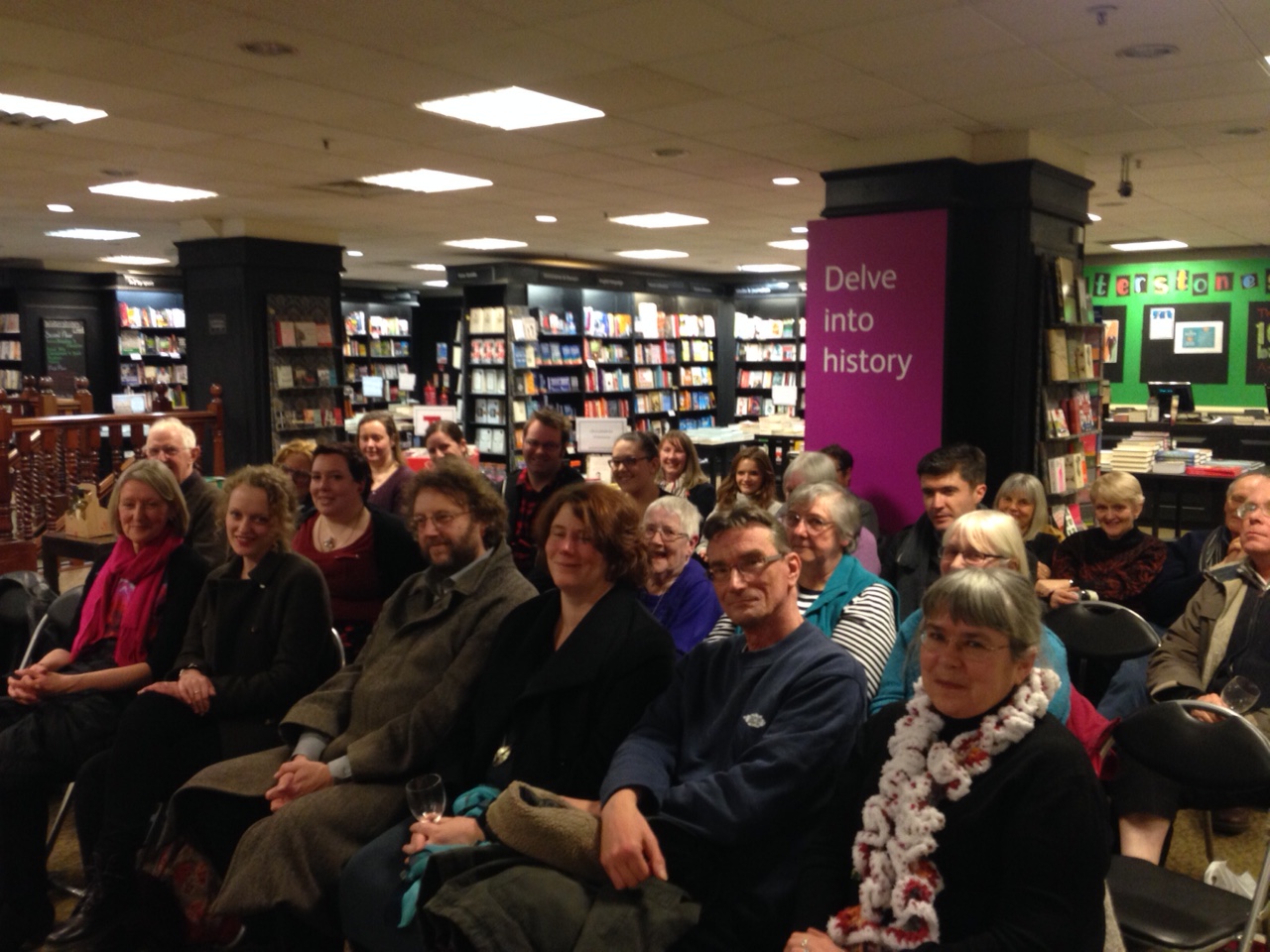
I had absolutely no idea how many people might show up, other than the publisher, editor and publicist from Mystery Press would be arriving. No pressure at all.

So when there were 25 of you there, I was overjoyed. You made the effort on a chilly Thursday evening in February, and I’m immensely grateful.

IMG_1424

You listened, you laughed in the right places (i.e., with me not at me), you seemed to enjoy yourselves – although that could have been the free wine – and you mingled after for a chat. The icing on the cake? You bought some books. Some of them might even have been mine.

Thank you all, those who came, those who couldn’t but were there in spirit. I’m grateful and touched by your kindness and support (and my gratitude to Waterstone’s Leeds for hosting the event). It honestly means a lot.

This morning, thinking back over it all, there was only one thing missing. I wish my parents were still here to have gone to these launches. Times involving these books are when I tend to miss them the most. But life goes on, and its ending is part of it, too. Maybe, somewhere, they know.

But to all of you, in the here and now – thank you again.

12510745_10153292555801787_1509743569_o

A Taste Of That New Eastgate Swing

It’s just a couple of week until Dan Markham’s back and The New Eastgate Swing is published. It’s 1957, the Cold War is raging, and Markham’s world is going to change. Read about it here…and if you’re in Leeds on February 11, come to the launch at Waterstone’s. There’s even going to be some free wine, I hear.

But in a blatant attempt to whet your appetite, here’s an short extract. Enjoy…


‘I’m sorry,’ she said breathlessly as the waiter pulled out a chair for her. There was a shhh of nylon as she sat. ‘Have you been waiting long?’ The woman held out a hand and he shook it lightly.

‘Not really, Mrs Fox.’

‘Amanda,’ she told him. ‘Please.’

‘Amanda,’ he echoed as she pulled a cigarette from her handbag and he flicked his lighter. ‘Now, what’s all this about?’

She’d arrived late, escorted over by the waiter. In her early thirties, he judged, and wearing a close-fitting grey jersey dress that reached to her knees. It flattered her and she knew it, moving easily on high heels. Dark hair in an Italian cut, subtle makeup and a graceful, Audrey Hepburn face.

He’d had time to sit, staring around the restaurant and smoking. The place was new, fitted out in leather and oak, wanting to appear expensive, solid and timeless. The year before it had been different. Another couple of years it would be something else again.

‘Let’s wait a few minutes for that.’ Her eyes were bright, a deep, mysterious blue. ‘We’ll eat first. I always like pleasure before business, don’t you?’ It was a gentle tease. ‘I’m surprised we’ve never met before.’

‘It’s just how things are, I suppose.’

She carried an air of sophistication, assured, in control. Next to her he felt juvenile, provincial. She ordered quickly, as if she knew the menu by heart. He decided on steak and kidney pie. Very English. Very filling and plain.

‘Then I’m glad to finally change that.’ She flashed a brilliant smile, very white teeth and blood-red lips.

‘You said your husband’s abroad?’

She nodded.

‘Germany. We do quite a bit of business over there, he’s gone a few times each year. Bonn, West Berlin.’ She shrugged. He tried to place her accent. Somewhere in the Home Counties, a good education. But grammar school, not private he decided. Then plenty of polish.

‘I wouldn’t have thought there was much for an enquiry agent over there.’

‘Oh.’ She lit a cigarette and waved the words away in a thick plume of smoke. ‘Still the fallout from the war. Tell me about yourself, Mr Markham.’

‘Dan.’

Amanda Fox nodded her acknowledgement, staring at him coolly.

‘You must have started in this game when you were young.’

‘Seven years ago. I was twenty-one.’

‘Are you good at what you do?’

‘I like to think so,’ he replied with a soft smile.

‘There was some business a while ago, wasn’t there?’ She tapped her cigarette in the crystal ashtray. ‘Before we moved here.’

‘Yes.’ He wasn’t about to say more. If she knew, she’d already read the newspaper clippings and heard the gossip.

The food arrived and they made small talk – the weather, the way traffic grew worse each month – until the plates had been cleared and coffee sat in front of them.

‘Do you know Germany at all?’ Amanda Fox asked as she lit another cigarette and blew smoke towards the ceiling. He tried to read her face but she was giving nothing away.

‘I did my National Service there.’

‘Really?’ Her eyes smiled for a moment. ‘Where were you?’

‘Hamburg, mostly. Some time in West Berlin. I was military intelligence.’

‘Mark was there after the fighting ended. Stayed there for a couple of years, then Vienna. He made some good contacts. Maybe you met him?’

‘Was he an officer?’

‘A captain. Why?’

‘We didn’t mix too much with them.’

‘Of course, sorry. Do you speak the lingo?’

‘A little.’ He’d learned enough to get by. ‘What about you?’ Markham asked. ‘What do you do?’

‘Oh, I just help around the office.’ She said it dismissively, as if she was just a secretary or receptionist. He didn’t believe a word of it.

‘What does your husband do in Germany?’

‘Background stuff, mostly. Checking on people that companies want to bring over. The whole denazification process wasn’t always thorough, shall we say?’ She flashed him another white smile. ‘Mark goes into more depth.’

‘I thought that would be government business.’

‘They farm some of it out. As I said, Mark has contacts.’

He nodded. The old boys’ network in action. The way everything was done in this country.

‘And what would you want from me?’

‘Let me ask you something, Dan. You were in intelligence. Did you have to sign the Official Secrets Act?’

‘Of course.’

‘Good,’ she said with a smile. ‘That makes everything much easier.’

‘Why?’ Suddenly Markham was very suspicious. ‘What do you want?’

‘It’s nothing much. Just keeping an occasional eye on people who end up around here.’

‘People?’ he asked sharply. ‘What people?’

‘Germans who would be useful to our defence industry,’ Amanda Fox glanced around the restaurant before she answered and spoke very quietly.

‘From the West or East?’ That was important.

‘East, of course,’ she replied coolly. ‘We work with the Gehlen people in West Berlin, bring them out, give them new names and backgrounds. I’m sure you can understand why.’

Of course. No one in this country would be happy to have a German around. Not with the war still so close in memory.

‘The government knows?’ He wanted to be certain.

‘It’s their idea, Dan. These men all have good skills.’

‘I don’t understand, why can’t you do it yourselves?’ he wondered.

‘Mark is gone so often. We’re pretty much a one-man band. As I said, I just look after the office. What we need is someone who has the skills and background.’ Now he was certain she knew all about him; this wasn’t lucky dip and hope for the best on her part. ‘We pay generously,’ she added, ‘and it won’t take a great deal of your time.’ She cocked an eyebrow. ‘Does it sound interesting?’

‘Maybe. I’ll need to talk to my partner. He’s ex-police.’

‘All right,’ she agreed, but he saw he’d sprung something unexpected on her.

‘We’ll talk about it and I’ll be in touch.’ He shook her hand as he rose. ‘Don’t worry, he’ll have had to sign the Act, too. I’ll give you a ring on Monday, Mrs Fox.’

‘Amanda,’ she corrected him.

‘Of course. Amanda.’


***


He strolled thoughtfully back through town. There was a weekend eagerness in the Friday afternoon crowds. Women squeezed past the top-hatted doorman to spend their wages at Marshall & Snelgrove’s department store. An older generation sat upstairs in Fuller’s and sipped tea.

He wondered exactly what Amanda Fox and her mysterious husband wanted. More than the job she’d promised, he was certain of that.

Baker hadn’t returned yet. He spent a while cleaning up some of the paperwork, filing notes and pictures and cleaning off his desk. The card table sat there accusingly, a paperback book under one of the legs to keep it steady. They needed something more professional if people were going to take them seriously.

By four he was still on his own, desk clean, everything put away. No rain yet, but the skies were as heavy as slate. Should he wait, or simply call it a day and beat the traffic out on Harrogate Road?

He was just emerging on to the street when he heard a shout and saw Baker turning the corner from Lands Lane.

‘Let’s go and get a cuppa,’ he said as he lumbered close, hands deep in his raincoat pockets, eyes serious.

Upstairs at the Kardomah, Markham ordered coffee from Joyce, the waitress he’d known for years. Tea and a slice of Dundee cake for Baker. He waited until the man had poured sugar into his drink.

‘You don’t look too happy.’

‘Well …’ he began, taking his pipe from a bulging suit pocket and lighting it. ‘I am and I’m not. That Miss Harding was about as helpful as she was yesterday. But I finally got her to let me look at the post that had arrived for our friend in the last few days. She had it locked away in a bureau.’

‘And?’

He pulled out an onionskin aerogramme and let it fall on the table.

‘Just some ‘Dear Occupant’ bumf and this. She didn’t notice me take it. I had a look inside.’

He’d opened it slowly and carefully. Dutch stamps and a Rotterdam postmark. Markham began to read then glanced up quickly.

‘See what I mean?’ Baker asked. ‘That’s Kraut, isn’t it?’

‘It is,’ Markham answered.

‘Why would a Dutchman be writing in German?’

Markham let the question hang as he scanned the words. Either his German was rustier than he thought, or half of this didn’t make sense. He looked again, taking his time, trying to put a meaning to it all. He could follow a few sentences here and there. The rest was gibberish. ‘Did you speak it?’ he asked.

‘Never learnt. Why? What does it say?’

‘That’s the problem. It doesn’t.’

Baker look confused.

‘It’s got to say summat.’

‘A few sentences do. “Took the train to Magdeburg.” Then there’s “Across by Salzwedel.” They’re both in East Germany. A couple more like that, place names in the DDR. The rest is just nonsense.’

‘Are you sure it’s not just you?’

‘Positive.’ He folded the letter. ‘I tell you what, Stephen, we’re in over our heads with this one.’


The telephone was ringing. He blinked his eyes and glanced at the clock on the bedside table. Quarter past five, the luminous hands read. Still pitch dark. Who the hell could it be at this time?

There was a chill in the living room, enough to make him shiver as he lifted the receiver.

‘I hope this is important,’ he said. There was frost on the outside of the window, making the harsh light of the street lamps blurry.

‘I’m not calling you at this hour for my bloody health,’ Baker answered. ‘I’m down at the office. Can you get here?’

‘Why? What is it?’

‘Just get yourself here.’ He hung up, letting the line buzz.
Always Something There To Remind Me

A New Year’s Day walk into the past. After all, what better way to enjoy the beginning of 2016 than a stroll to take me back to being nine or ten years old?

I grew up in the Carr Manors in Leeds and I’d often go up to Stonegate fields to play football. When I was eight I received a blue tracksuit for Christmas, the heavy, fleecy, warm kind that was the only sort of tracksuit back them. So proud, it was off to the fields for a kick around with my best friend. The fact that I was a terrible footballer didn’t matter; the track suit would make me better. Needless to say, that hope died very quickly.

After the rain and all the floods that Yorkshire’s undergone, striding across the fields wasn’t a victory walk. Instead it was a chance to wade through a swamp, all the way to the far corner and the woods I once knew as King Arthur’s Castle, although there was never any sign of a castle when we used to hurtle our bikes around the footpaths there in an imitation of pedal-powered motocross.

Why it was called King Alfred’s Castle, none of us knew. Or cared. There are rocks to explore and places we could be daredevils. When you’re a boy, who needs more than that?

But it seems there really once was a castle there. Not a real one – that would be far too much to hope – but a folly erected in the late 18th century by a merchant named Jeremiah Dixon, with a plaque dedicating the place to Alfred the Great, the pious and magnanimous, the friend of science, virtue, law and liberty. It finally collapsed in 1946. Much better than a statue if you’re throwing your money around. Over time the hill became known as King Alfred’s Castle, until the proper name of Tunnel How has been forgotten. Even some of the streets close by have the King Alfred name. Up there is also supposedly the highest spot in Leeds, which accounts for the red Ordnance Survey marker hidden in the bracken.

So, in between the memories and cyclocross, there’s a bit of history, too. Just down Stonegate Road, even more history at Revolution Well, erected in 1788 by Joseph Oates, who owned Carr Manor (big house across the road, nowadays used for visiting judges, and ancestor of Captain Oates of Scott and the Antarctic fame). It’s some stones put together. I must have passed it often as a child but it never registered with me then. But when you’re young, ancient history is what happened to your parents or you learn in school. I never thought it could be all around me.

Put up to commemorate 100 since the arrival of William and Mary and the certainty of Protestantism in England, the carving on the north side reads: Bog in the adjoining field drain’d,/ spring open’d,/ and conducted hither/ For the benefit of the Passenger,/ and the neighbouring House/ Novr 5th, 1788/ the 100th Anniversary from the land’g of/ KING WILLIAM/ in memory of which happy AEra,/ this is by Joseph Oates inscrib’d/ THE REVOLUTION WELL.

A couple of hundred yards along the road, on the other side, stands Carr Manor Fields. Right in the middle is a standing stone. Also put up by that busy Joseph Oates, it has an inscription in Latin that translates as Neither do the lands know themselves in the turning of the years. It’s supposedly a reference to a Civil War skirmish that might have ended here. That knowledge is from the Internet. The ground was far too boggy to cross and revive my memory. Not that I could have read Latin at nine. Or cared. Cowboys and Indians, knights and robbers were all far more appealing.

When I was small, much of the area was open land, wild, before Carr Manor Primary School was built. Many of the houses around went up at that time, too. I do recall walking the thin ribbon of tarmacadammed path that gave access to Carr Manor Road once the schools were there. High green chain-link pence on either side, it always seemed like a prison walk, as if there should be guard towers with machine guns and bright spotlights.

Then, out on the street, up the hill that was always filled with warm summer dust in memory. Up and up, with the arm memory of pushing a bike. I’d driven along here at times, but walking them for the first time in decades was quite different. We moved from here to when I was 11, to a place about a mile away, but which could as easily have been a foreign land. Yet there was so much that stood as markers of childhood. I could remember what kids have lived on which street. A particular house brought a young face into mind. I felt as if I could have found my way around with my eyes closed. Maybe I could; but what I have been seeing inside my head is how it was, not how it is now. The differences are few, of course, but they’re there.

That past is mine, to carry round and treasure. And sometimes it makes a change from the present.