Last week Leeds turned 400.
After a fashion, that’s true. I hope you raised a glass and cut some cake to wish it happy birthday.
Really, though, the place is a lot older than that. It might well be the Loidis mentioned by the Venerable Bede in his eighth century Ecclesiastical History of the English People, and was beyond doubt the Leodis where the Normans built a stockade and planted a garrison of troops (where Mill Hill now stands)
It’s the town where Maurice Peynel, the lord of the manor, created our best-known street, Briggate, in 1208 as a way to raise money.
It’s all of those things. But it’s 400 years since Leeds was granted its first charter by Charles I in 1626.
What did that mean? Governance. Until then, Leeds had been a small market town, like many others across the country. The charter transformed it into a self-governing borough with a council run an alderman, burgesses and councillors.
Not everybody praised the idea; many small traders opposed it, as it concentrated power in the council. However, Sir John Savile persuaded the powers in London to grant the charter (he also became the first alderman). The charter covered all 21,000 acres of the parish of St Peter (the Parish Church), allowing it to levy fines, acquire property, make bye-laws and hold courts, things we now take for granted.
However…being Leeds the tale couldn’t be straightforward
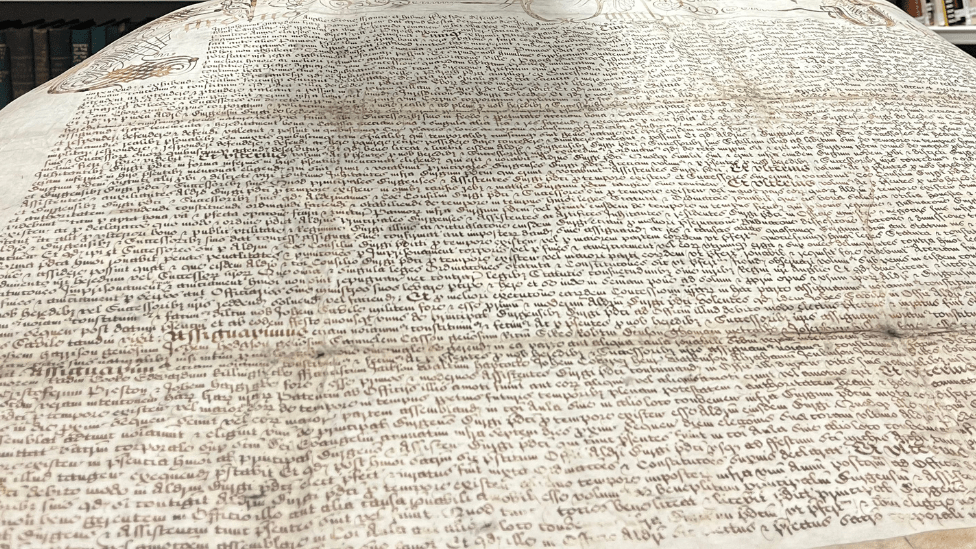
Sometime early in the Civil War, which began in 1642, the copy of the charter in Leeds disappeared; it’s never been found. In 1646 a replacement was requested and delivered. You can view the entire charter here. It’s written in legal Latin, but there is a translation.
But that’s not the close of the story…there’s another twist to come.
That copy vanished, too, to be purchased by a bookseller in Kent who promptly lost in behind a bookcase. When he found it again, in 1950, he decided the piece of vellum would make an attractive lampshade. Until he had an expert look at it and discovered exactly what he had.
Leeds Corporation offered him £10 10s (£10.50) for it, but the bookseller donated it to the city – Leeds was granted city status by Queen Victoria in 1893 – and it now sits in West Yorkshire Archives alongside the second charter granted to Leeds by Charles II in 1661, after he ascended to the throne following the Interregnum.
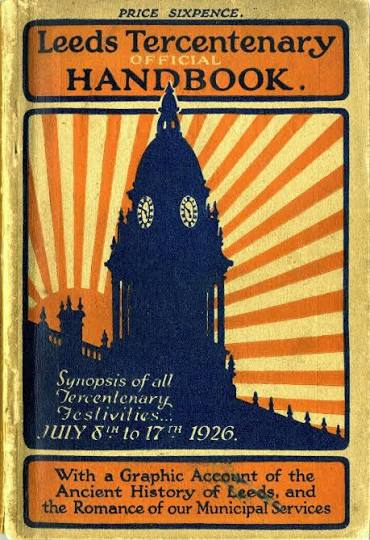
Leeds is celebrating these 400 years, as well it might. The 300 year anniversary was a big affair, with displays in Roundhay Park and more, even a book to serve as a commemoration.
This year includes all manner of events and I’m proud to be a part of it, giving a talk at 1pm on Wednesday, September 23, at Leeds Central library on Alice Mann. I’ve written about here before – you can read it here. It’s a free event; I hope you can come.
Anyway, a week later, but happy birthday Leeds.
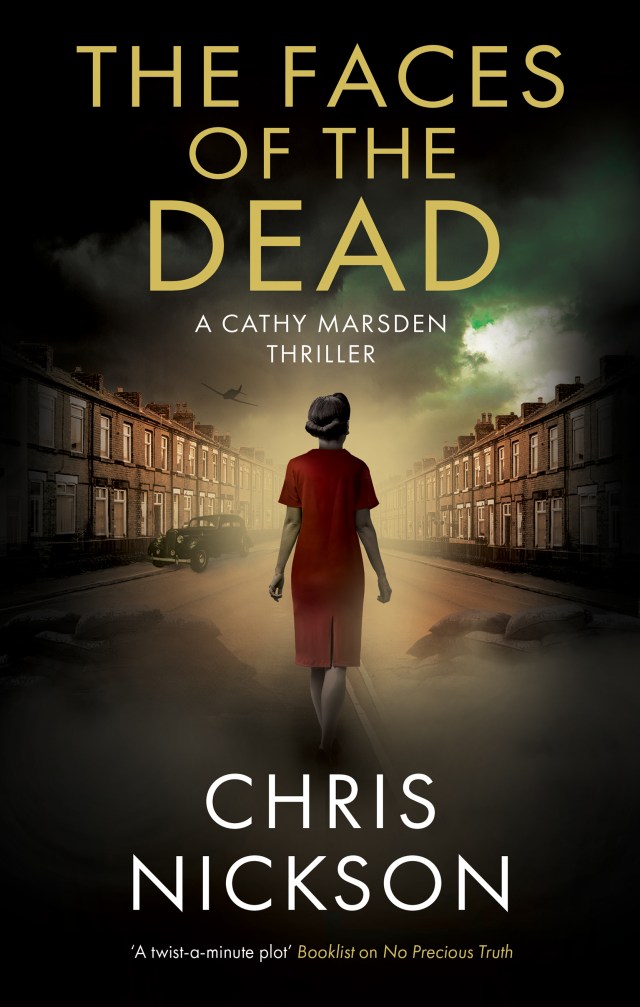
While it’s not the chater, you can read a little slice of Leeds historcial fiction set in 1944 with The Faces Of The Dead, the second cathy Marsden book. It’s just £1.99 on Kindle (cheap in the US, too), as is it predecessor.
Here endeth the Leeds history lesson.
 Chris Nickson